Custom OEM Glass Disc Sourcing: A Technical Guide for Global Buyers
This guide is written for engineers, category managers and quality teams who need more than a price per piece. It explains how to specify, qualify and compare custom glass discs using the variables that actually determine field performance.
In OEM sourcing, “glass disc” is a practical shorthand for several families of circular or profiled glass components: plano windows, lens blanks, protective covers, pressure domes, pressed light shades and front optics. A drawing that lists only diameter and thickness leaves the most important variables undefined: glass chemistry, transmission at the working wavelength, surface quality, edge finish, flatness of the sealing face, coating durability and the acceptable level of residual stress. For procurement teams, this ambiguity creates hidden cost in samples, fit tests and field returns.
The correct starting point is the operating condition. A borosilicate disc behind a high-power LED must survive rapid thermal cycling and rain contact; a tempered soda-lime cover on an outdoor light may be chosen for impact strength and cost; a fused quartz window is specified when UV transmission or extreme temperature stability matters; BK7/K9 optical glass is selected for homogeneous refractive index, low bubble content and precision polishing. The material decision should be documented in the purchase specification, not left to the fabricator.
In 2025 and beyond, sourcing teams are moving away from lowest-piece-price buying toward total landed cost, supply continuity and evidence of process control. A supplier that can review a drawing, propose a manufacturable tolerance, send measured samples and maintain change control is usually less expensive over the program life than a supplier that quotes quickly but requires rework. This is the information gain that separates a commodity glass trader from a custom OEM partner.
Shanghai Tambi Glass Industrial Co., Ltd. has focused on lighting and optical glass for more than ten years. Its operating model combines drawing-based OEM/ODM, borosilicate and tempered glass processing, AR coating, dimensional inspection and export packaging. The company is an onsite-verified supplier with a stated average response time within six hours, 11–50 team members and annual export revenue in the US$2.5M–5M range. Those facts matter because they support the E-E-A-T signals buyers now expect: real experience, technical competence, verifiable authority and reliable quality processes.
Custom OEM Glass Disc Product Solutions for Demanding Fixtures
The product families below represent recurring OEM demand across aviation, marine, hazardous-area lighting, outdoor imaging and precision optics. Each item can be adapted in dimension, glass grade, coating and edge finish to match your housing and gasket design.
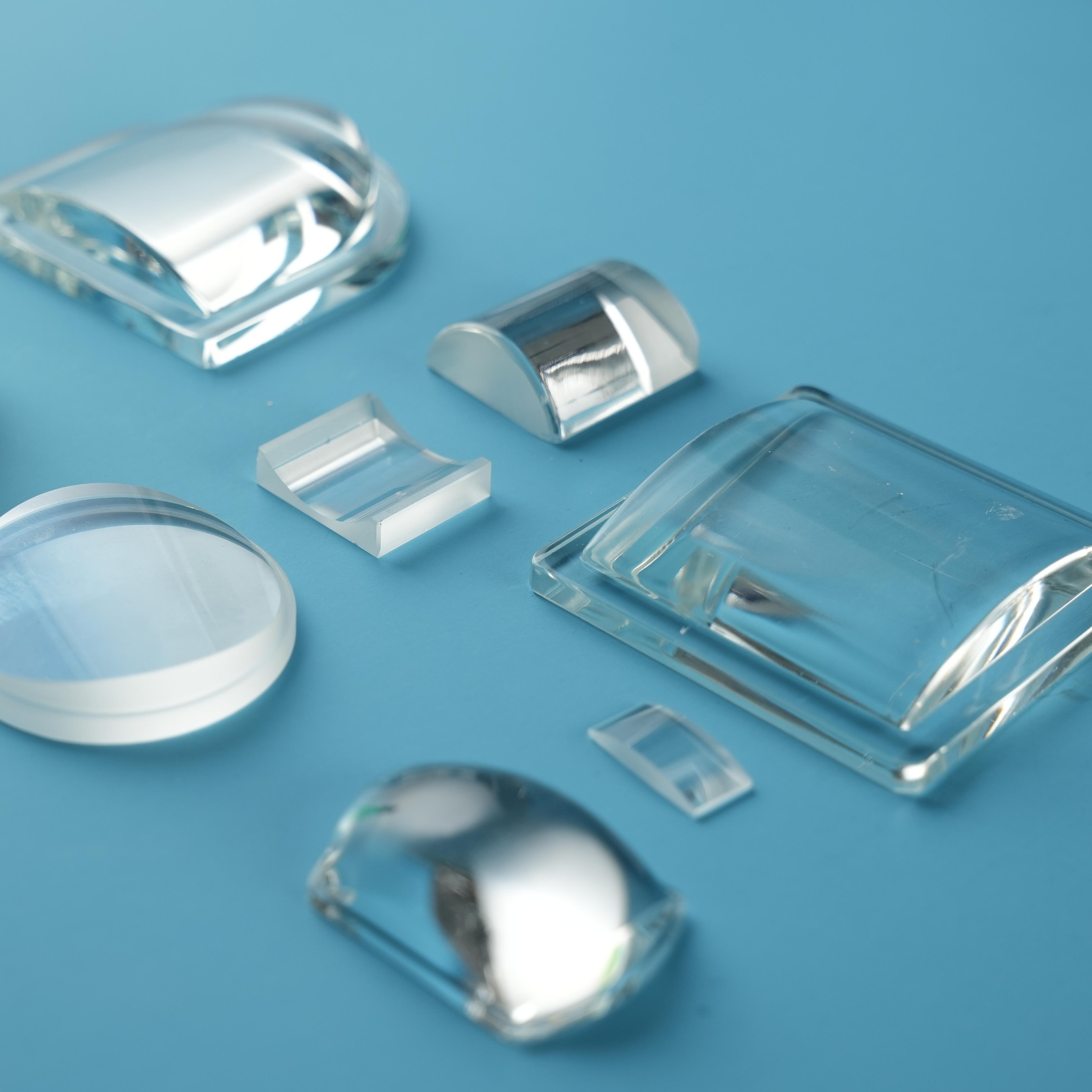
Manufacturer Custom OEM Anti-Reflective Laser Glass Optical Borosilicate UVC Plano Convex Cylindrical Biconvex Lens
- AR coating
- Borosilicate
- Drawing-based
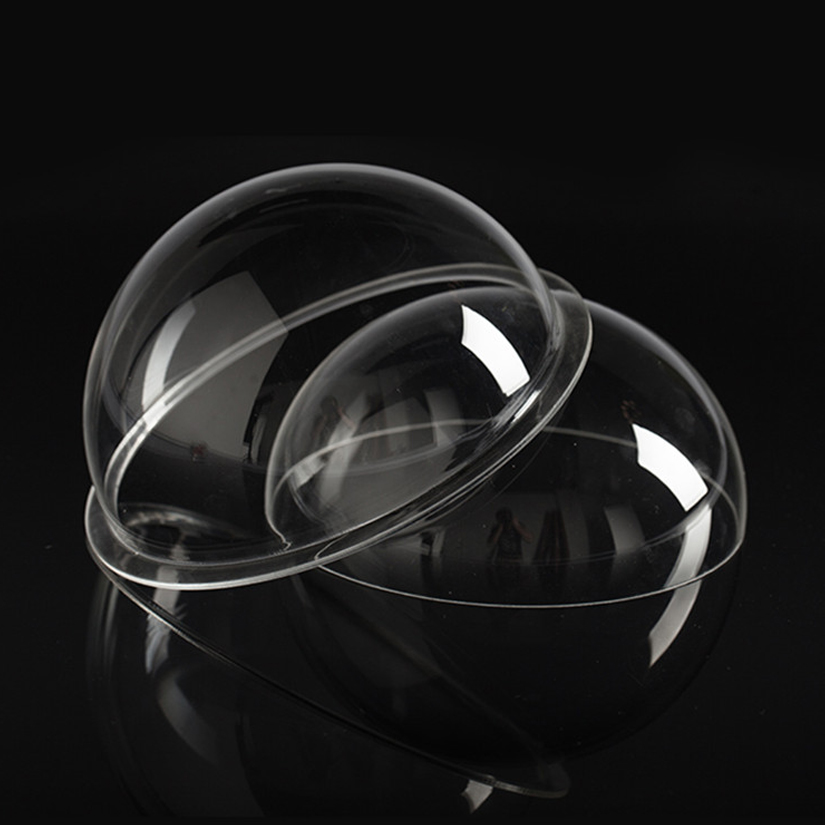
OEM Borosilicate Glass Optical Dome Cover for Outdoor IP Cameras UV Resistant Waterproof Housing Anti-Reflective Coating
- UV resistant
- Waterproof housing
- AR coating
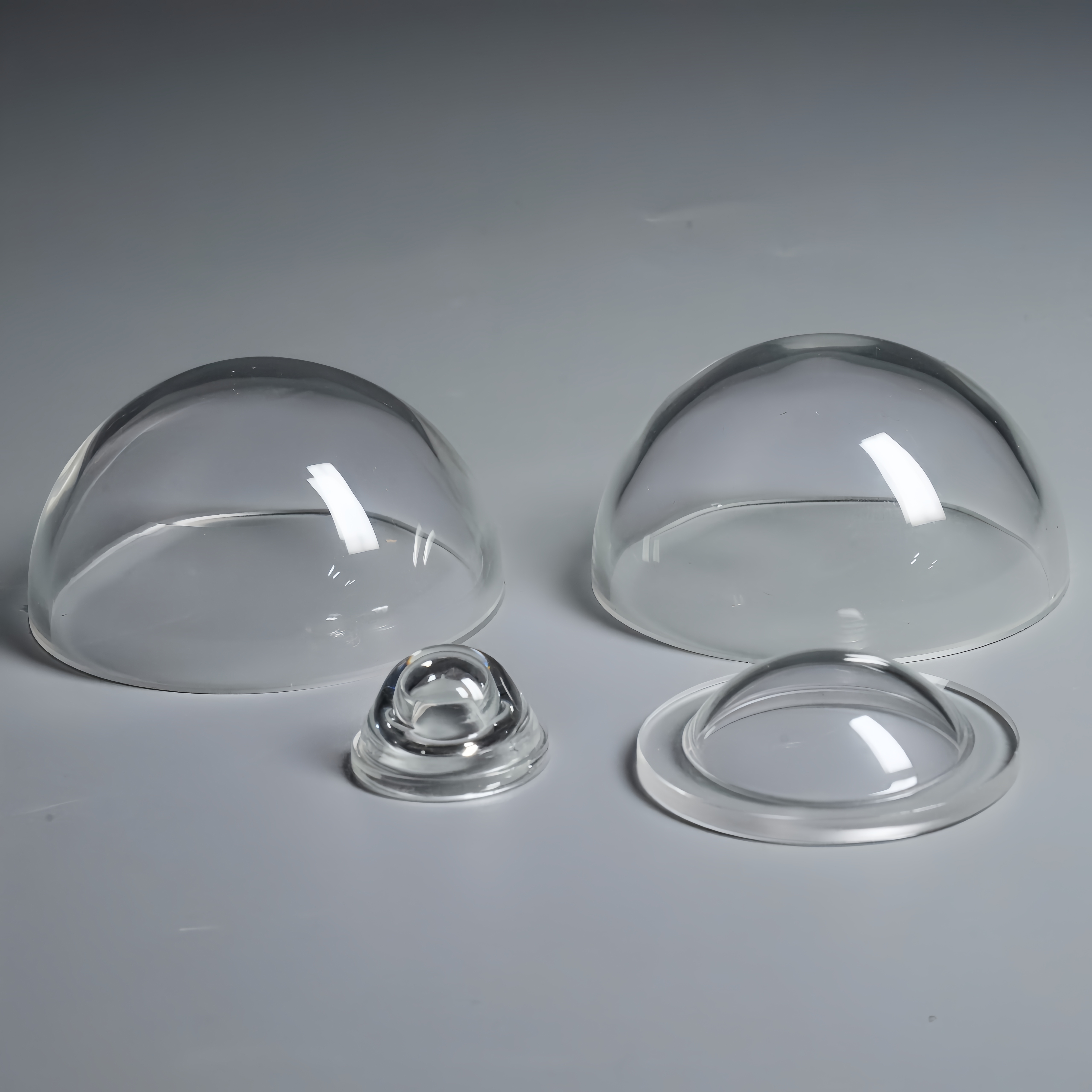
High-Pressure Borosilicate Optical Glass Dome for Underwater ROV AUV Camera Housings & Submersible Lights Deep Sea Rated
- High pressure
- ROV / AUV
- Deep sea rated
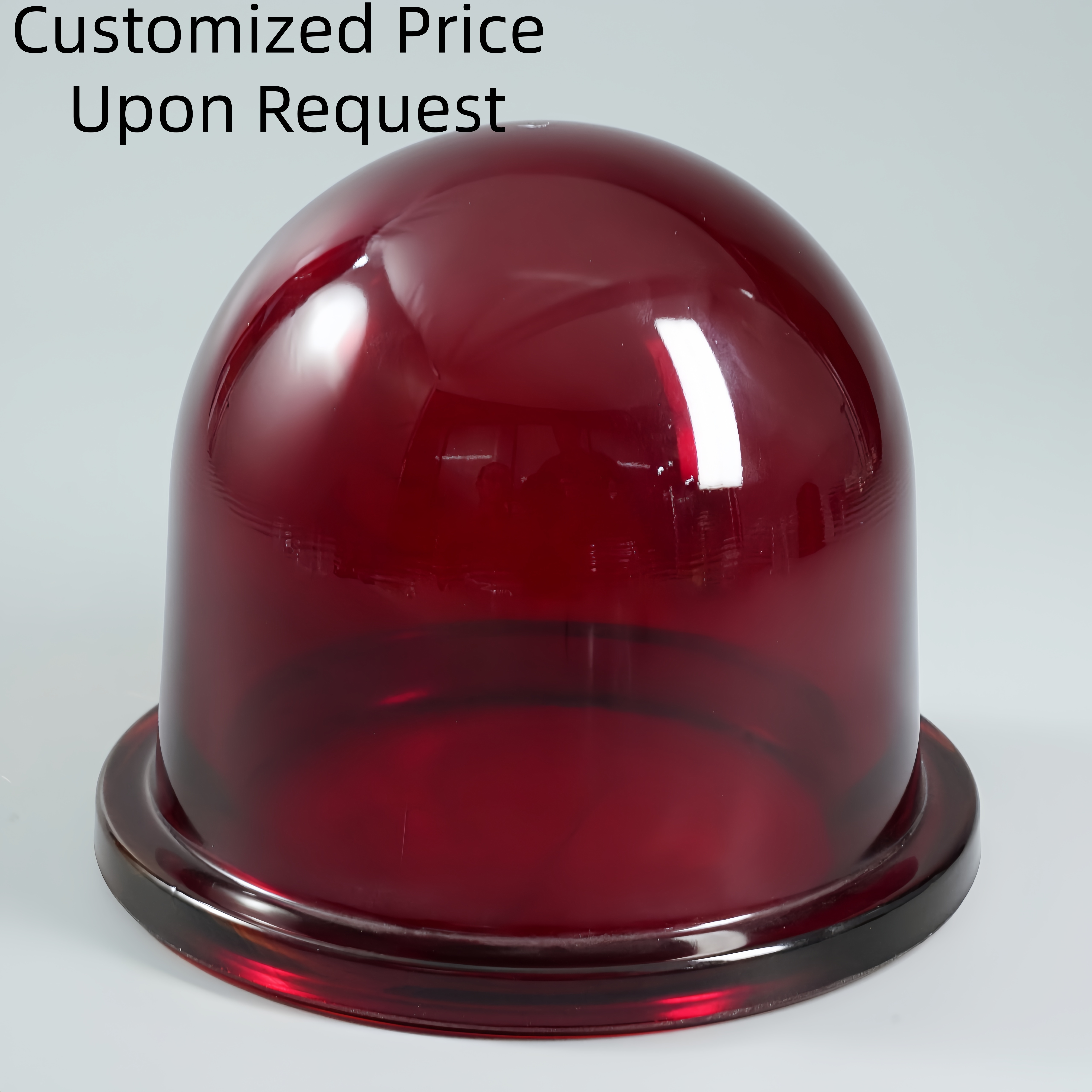
High-temperature Resistant Pressed Glass Shade, Explosion-proof & Crack-proof, Outdoor Street Light Specific
- Pressed glass
- Crack-proof
- Outdoor use

Custom OEM Bo Glass Clear Borosilicate K9 Bk7 B270 Fused Silica Anti-Reflective Coated Square Optical Window 50mm Diameter
- AR coated
- K9 / BK7 / B270
- 50 mm

Manufacturer OEM Precision Grade BK7 K9 Optical Glass Aspherical Lens Anti-Reflective Coating Diameter 0.5-25mm MOQ 100 Pcs
- 0.5–25 mm
- Aspherical
- MOQ 100 pcs

Borosilicate Transparent Explosion-proof Shade, Heat-resistant & Crack-proof, Transparent Protective Cover
- Transparent
- Heat-resistant
- Crack-proof
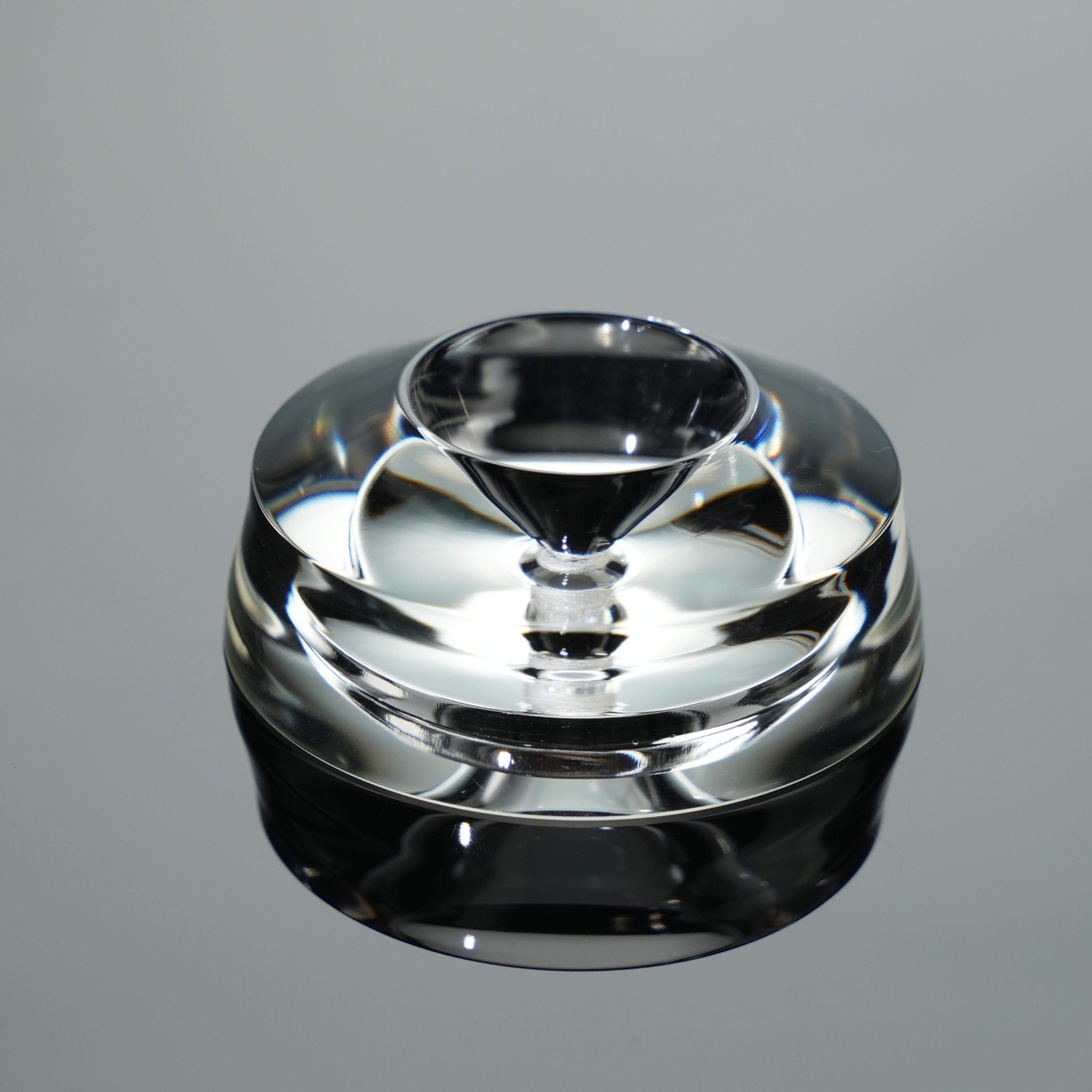
FAA Compliant Borosilicate Heat Resistant Glass Lens Runway In-Pavement Taxiway Lights IP68 Waterproof Optical Equipment Clear
- FAA compliant
- IP68
- Runway lights



Why Tambi Glass Is a Qualified Custom OEM Glass Disc Supplier
Shanghai Tambi Glass Industrial Co., Ltd. is a manufacturer and trading company serving lighting and optical OEMs worldwide. For more than a decade, the team has focused on how glass performs inside a real luminaire or optical assembly: heat build-up behind high-power LEDs, thermal shock from rain on hot covers, impact loads in hazardous areas, sealing pressure in outdoor housings and color accuracy for signal lights.
Every new project begins with a drawing review. Senior lighting and molding engineers check wall thickness, draft, sealing faces, optical path alignment and the feasibility of the requested tolerance before tooling starts. The supply chain combines pressed, blown, ground and coated processes, so a buyer can compare borosilicate, tempered soda-lime, fused quartz and BK7/K9 options without managing several unrelated workshops.
Because glass is fragile and tolerance-sensitive, packaging is treated as part of quality. Parts are separated by foam or pulp dividers, packed in reinforced export cartons and palletized for sea or air freight. Custom labels and distributor packaging can be arranged. For procurement teams, this is the practical meaning of E-E-A-T: documented experience, engineering judgment, verifiable authority and reliable delivery.
- Drawing-based OEM / ODM
- Borosilicate, tempered, quartz, BK7
- AR and optical coatings
- Onsite-verified supplier
- Average response ≤6 hours
- Export-ready fragile packing
Drawing-Based Engineering
Send a 2D or 3D drawing, a physical sample or a fixture requirement. The team reviews manufacturability, mold options, sealing faces and tolerance stack-up before quoting mass production.
Material Selection Expertise
Borosilicate 3.3, tempered soda-lime, fused quartz and optical BK7/K9 each solve a different problem. The supplier helps match expansion, transmission, impact and cost.
Optical Coating & Finishing
Anti-reflective coatings, color filters, edge grinding and surface finishing support applications where light transmission, glare control or signal color must be repeatable.
Thermal & Mechanical Control
Annealing and tempering schedules are selected around operating temperature, wall thickness and shock exposure. This reduces cracking, stress and costly field returns.
Verified Supplier Transparency
Assessment, credit, transaction level, trade capacity and buyer feedback are documented online. Procurement teams can complete qualification with fewer unknowns.
Export-Safe Packing
Dividers, reinforced cartons, palletization and custom labels protect fragile glass discs during sea or air freight and simplify receiving inspection.
Future Procurement Trends for Custom OEM Glass Discs, 2025–2030
Glass components are becoming more application-specific. Buyers are not simply asking for a diameter and a price; they are asking for evidence that the part will survive the next thermal cycle, the next audit and the next design change.
Total Landed Cost Replaces Unit Price
Procurement models now include sample iterations, inspection burden, breakage, expedited freight and field return risk. A slightly higher piece price from a controlled process is often cheaper over the program life.
Supplier Consolidation & Dual Qualification
OEMs are reducing the number of glass workshops they manage while qualifying a second source for critical parts. Documentation, repeatability and change control become as important as capacity.
Traceability and Change Control
Material certificates, coating batches, inspection records and approved sample retention are moving from “nice to have” to required supplier evidence, especially for aviation, marine and hazardous-area fixtures.
Faster Sampling with Digital Drawings
Buyers expect DFM feedback before tooling, measured first articles and photo documentation. Suppliers that respond within hours rather than days shorten the qualification cycle.
Sustainability in Glass Processing
Energy use, cullet recovery, coating efficiency and packaging waste are entering supplier scorecards. Durable glass that lasts longer also supports lower replacement and logistics emissions.
Local Engineering + Global Logistics
Buyers want an English-speaking technical contact who understands drawings and standards, backed by export packing and freight experience. Distance matters less than response quality and shipment reliability.
Product Development Trends Shaping Glass Disc Design
Application requirements are pushing glass discs toward tighter optical tolerances, higher thermal margins and more integrated environmental protection. These trends affect both the drawing and the supplier qualification plan.
Higher Thermal Loads from LED Lighting
Compact high-power LED modules raise surface temperatures and thermal cycling. Borosilicate and controlled annealing help prevent cracks around sealing faces and mounting holes.
LiDAR, Robotics and Autonomous Systems
Optical domes and windows must combine transmission, scratch resistance and environmental sealing. Pressure-rated and AR-coated designs are becoming standard in sensing assemblies.
Miniaturization of Precision Optics
Smaller aspherical lenses, windows and filters demand tighter diameter, centration and surface-quality control. MOQ and inspection methods must be agreed before production.
Multifunctional Optical Coatings
Anti-reflective, hydrophobic, scratch-resistant and wavelength-selective coatings are being combined. Coating durability and angle performance now sit alongside transmission in specifications.
IP68 and Hazardous-Area Integration
Glass discs are designed together with gaskets, metal housings and pressure relief features. Sealing-face flatness and edge quality become part of the enclosure’s ingress protection strategy.
Hybrid Glass-to-Metal Assemblies
More projects require glass joined to metal frames or coated with conductive layers. Suppliers must control expansion mismatch, bonding method and inspection of the finished assembly.
How to Specify and Qualify a Custom Glass Disc
A glass disc should be specified by function, not only by geometry. The following checklist helps engineering and procurement teams align on the variables that control performance, cost and delivery risk.
Optical
Transmission range, refractive index, bubble and inclusion limits, surface quality, coating wavelength and angle performance.
Thermal
Maximum lamp or ambient temperature, thermal cycling, sudden rain or cold-water contact, annealing or tempering requirement.
Mechanical
Outside diameter, thickness, flatness, parallelism, edge profile, mounting holes, impact rating and sealing-face finish.
Environmental
IP rating, pressure depth, salt-spray exposure, chemical contact, UV stability, gasket compression and packaging protection.
| Material | Thermal expansion | Typical max. working temp. | Key strength | Best fit |
|---|---|---|---|---|
| Borosilicate 3.3 | ≈3.3 ×10⁻⁶/K | ≈450 °C | Excellent thermal-shock resistance | Explosion-proof shades, high-power LED covers, Fresnel lenses |
| Tempered soda-lime | ≈9.0 ×10⁻⁶/K | ≈250 °C | High impact strength, economical | Outdoor covers, floodlight glass, vandal-resistant lenses |
| Fused quartz | ≈0.55 ×10⁻⁶/K | ≈1000 °C+ | UV transmission, extreme heat | UV optics, high-temperature windows |
| Optical BK7 / K9 | ≈7.1 ×10⁻⁶/K | ≈300 °C | Homogeneous, nd ≈1.517 | Precision lenses, prisms, mirrors, filters |
Values are typical references. Final specification is confirmed against your drawing, lamp surface temperature, impact rating and the standard your fixture must meet.
From Drawing Review to Export Packing: Six Controlled Checkpoints
Clear checkpoints reduce the gap between sample approval and mass production. For custom glass discs, the most expensive mistakes are usually made before the first mold is cut.
Drawing & DFM Review
Review thickness, draft, tolerance, sealing face, edge finish, coating area and the fixture’s operating conditions.
Material & Mold Selection
Choose borosilicate, tempered, quartz or optical glass and decide whether pressing, blowing, grinding or an existing mold is suitable.
Sampling and Fit Test
Produce measured samples, record key dimensions and send parts for gasket fit, light test or environmental evaluation.
Forming and Annealing
Control forming temperature and cooling to relieve stress. Tempering is applied where impact strength is the primary requirement.
Coating and Inspection
Apply AR or color coating where required, then inspect dimensions, appearance, bubbles, coating condition and packing readiness.
Export Packing and Documentation
Separate parts with dividers, pack reinforced cartons, palletize and prepare the documents needed for sea or air freight.
Custom OEM Glass Disc Procurement FAQ
These are the questions engineering and purchasing teams ask most often when qualifying a new glass disc supplier.
Can you manufacture custom OEM glass discs to my own drawing?
What is the typical minimum order quantity for custom glass discs?
Should I choose borosilicate glass or tempered soda-lime glass?
Can you support FAA L-810, EN 50293 or IP68 fixture projects?
How do you control bubbles, stress and dimensional tolerance?
What optical coating options are available?
How fast can I receive a quote or sample response?
How are fragile glass discs packed for export?
Send Your Drawing for a Custom OEM Glass Disc Review
Share your dimensions, glass grade, operating temperature, coating requirement and annual volume. The engineering team will review manufacturability, suggest the most reliable material and process route, and respond with the next steps for sampling or production.
Contact Us info@tambiglass.com