Eight Optical Glass Products That Support Custom Concave Lens Programs
The strongest concave lens supply relationships are rarely built on one part number. OEM buyers usually pair a custom lens with protective domes, heat-resistant covers, filters, prisms or Fresnel optics. The product matrix below uses the original Tambi Glass item URLs and shows the adjacent components buyers most often evaluate together with a drawing-based concave lens.

OEM Borosilicate Glass Optical Dome Cover for Outdoor IP Cameras UV Resistant Waterproof Housing Anti-Reflective Coating
A protective optical dome for outdoor imaging modules where a concave lens or sensor stack must be isolated from UV, rain, dust and cleaning agents.
View product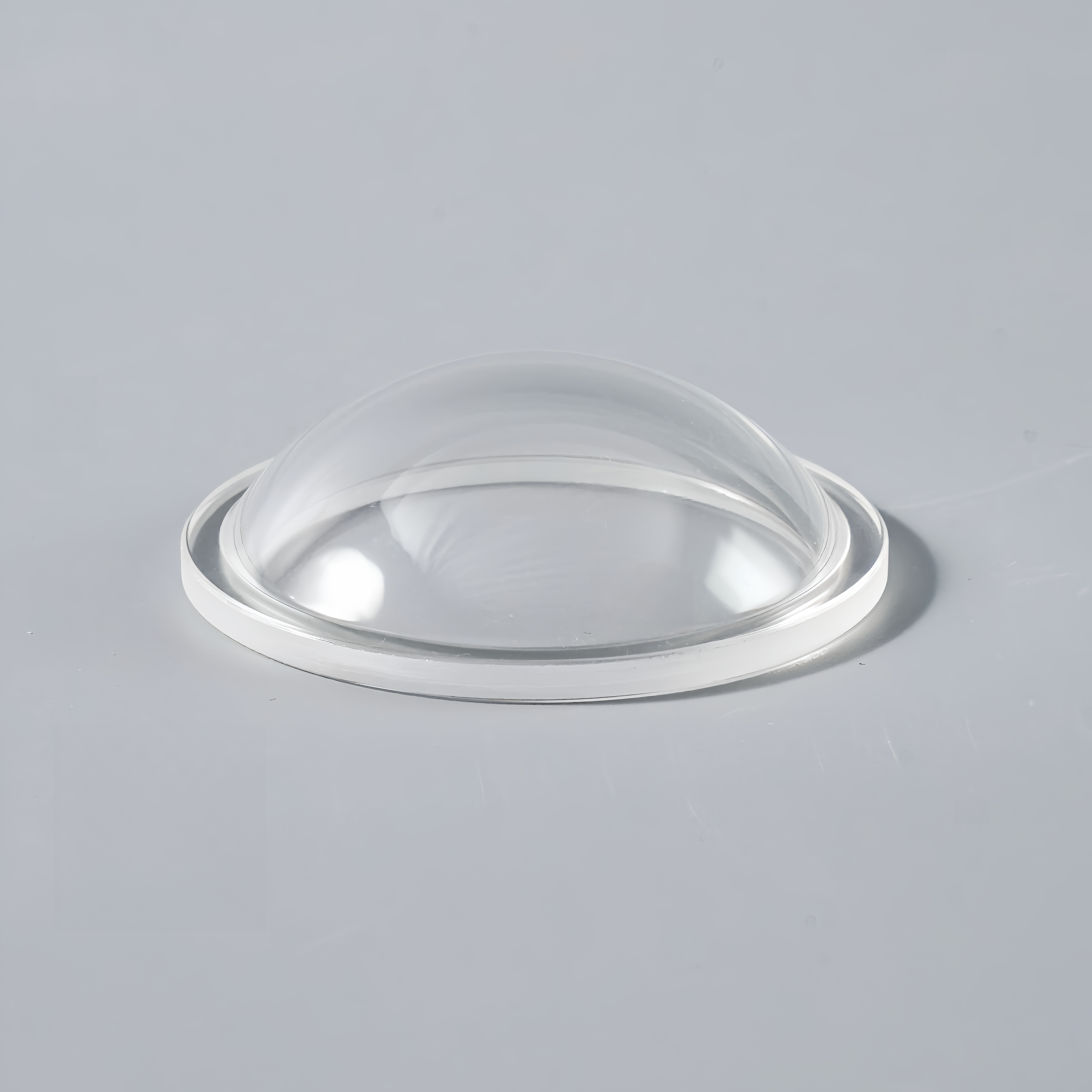
High-Light Transmission Clear Borosilicate Glass Dome Lens LED Outdoor Lighting Fixtures Impact Resistant Anti-Scratch OEM
Clear borosilicate optics for high-transmission LED fixtures, impact resistance and anti-scratch handling in outdoor environments.
View product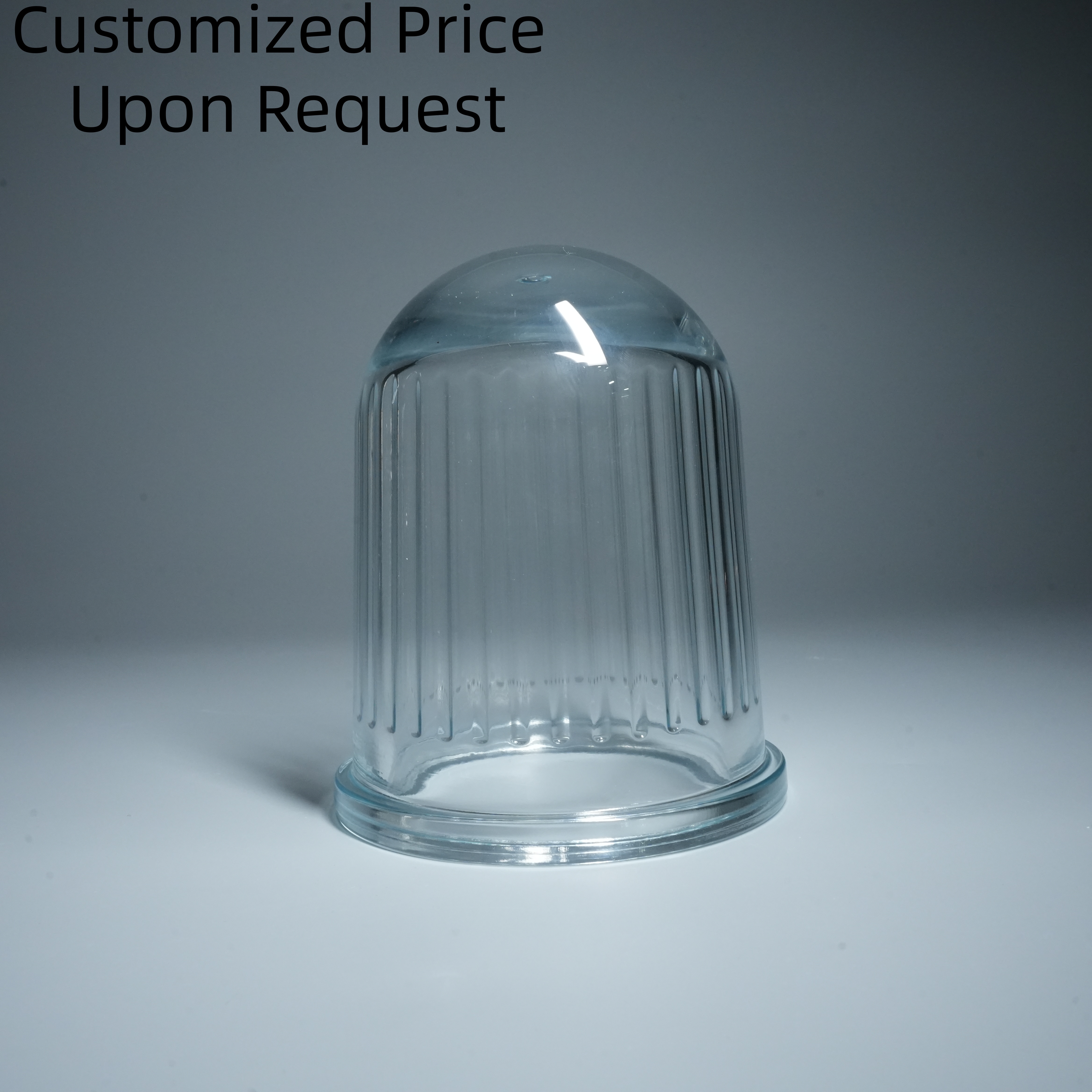
Borosilicate Transparent Explosion-proof Shade, Heat-resistant & Crack-proof, Transparent Protective Cover
For hazardous and high-bay fixtures where thermal shock, impact and visual inspection access matter. Often specified as the outer protective glass around an optical stack.
View product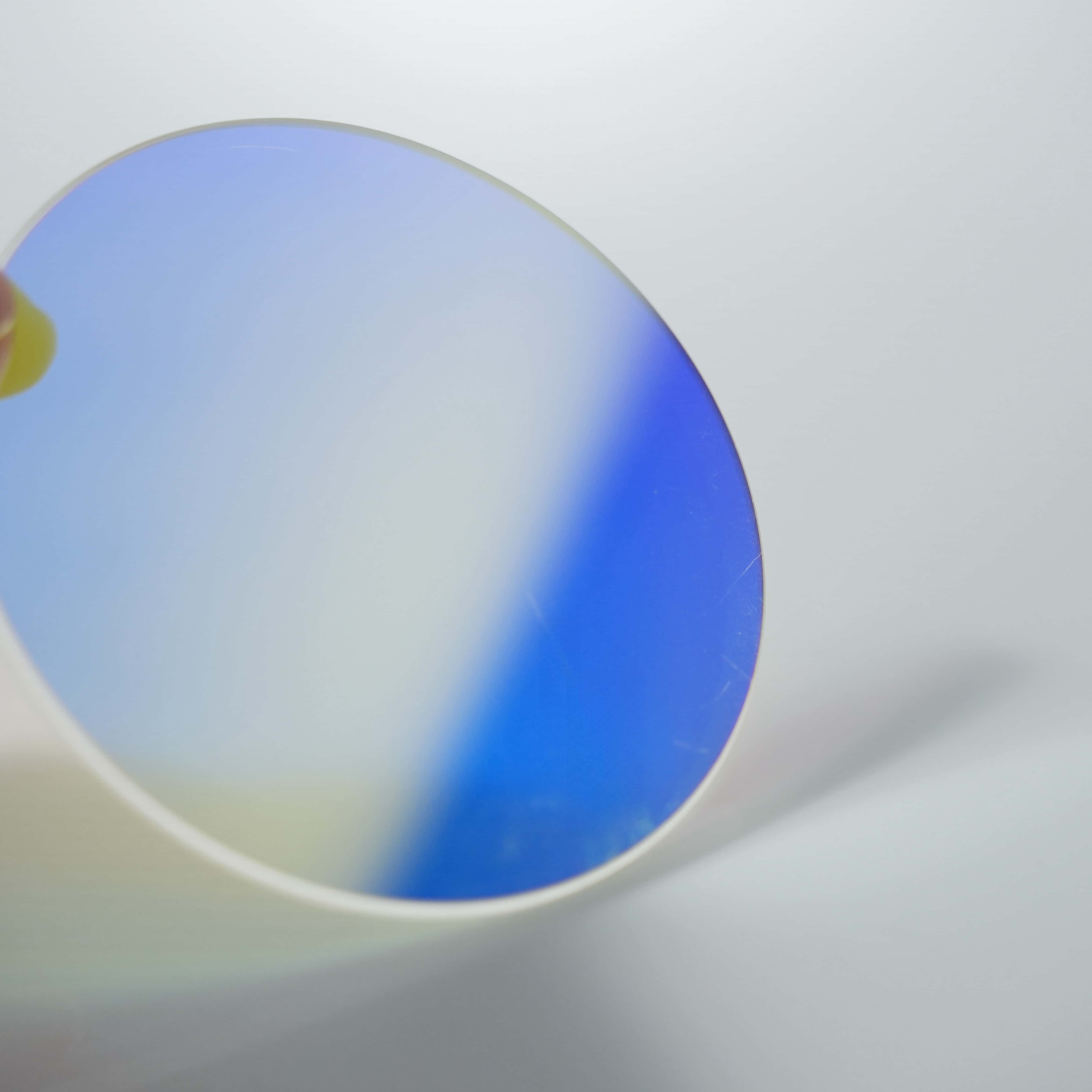
Optical Borosilicate Glass Longpass Shortpass Filter 500nm 600nm 700nm AR Coating Cut-Edge for Spectroscopy Industrial Sensor
Wavelength selection for spectroscopy and industrial sensors, often combined with a concave lens for beam expansion or collection.
View product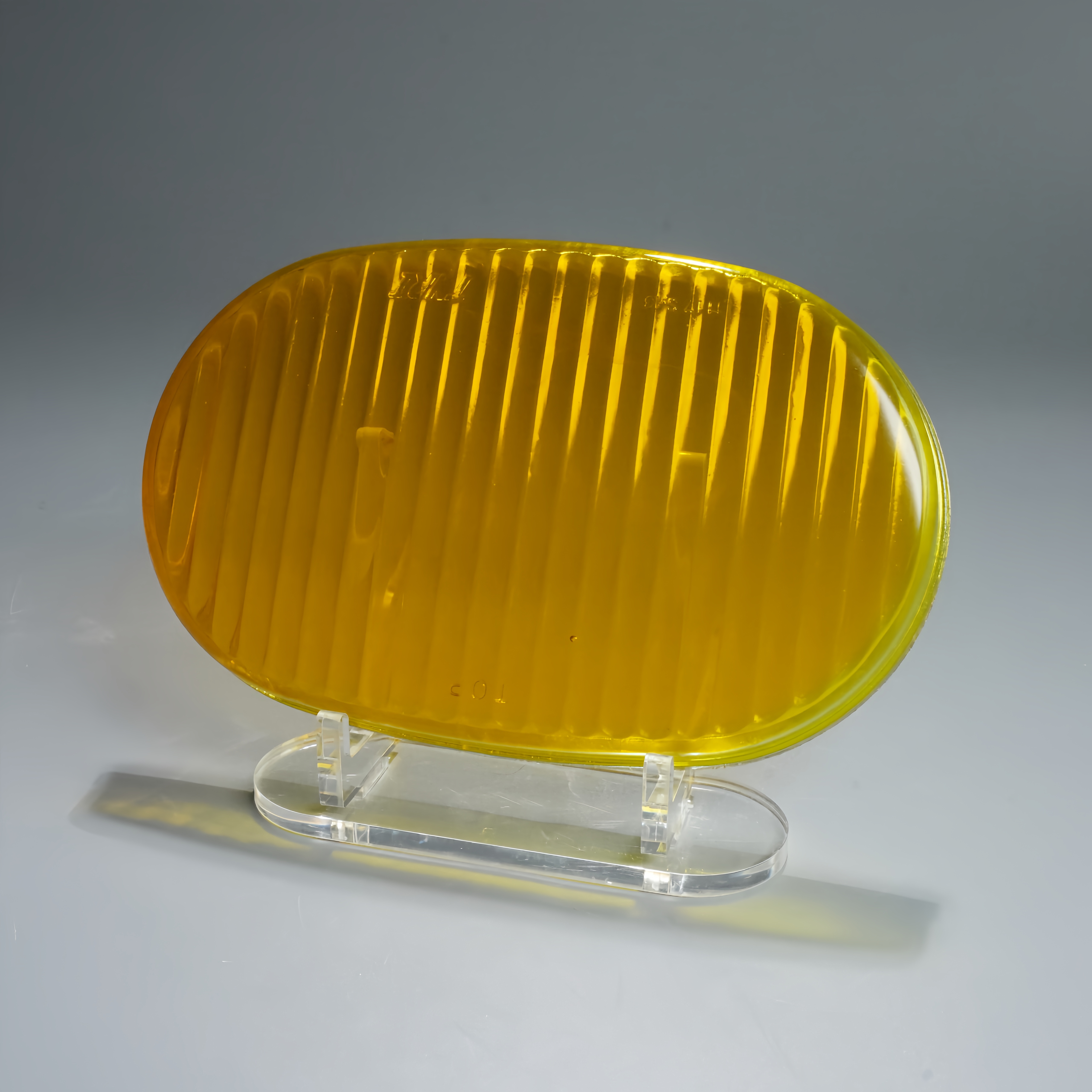
Factory Customized Size Shape Color Heat Resistant High Quality Borosilicate Glass Car Light Accessories Traditional Industrial
Custom size, shape and color for car light accessories and industrial fixtures where heat resistance and repeatable appearance are important.
View product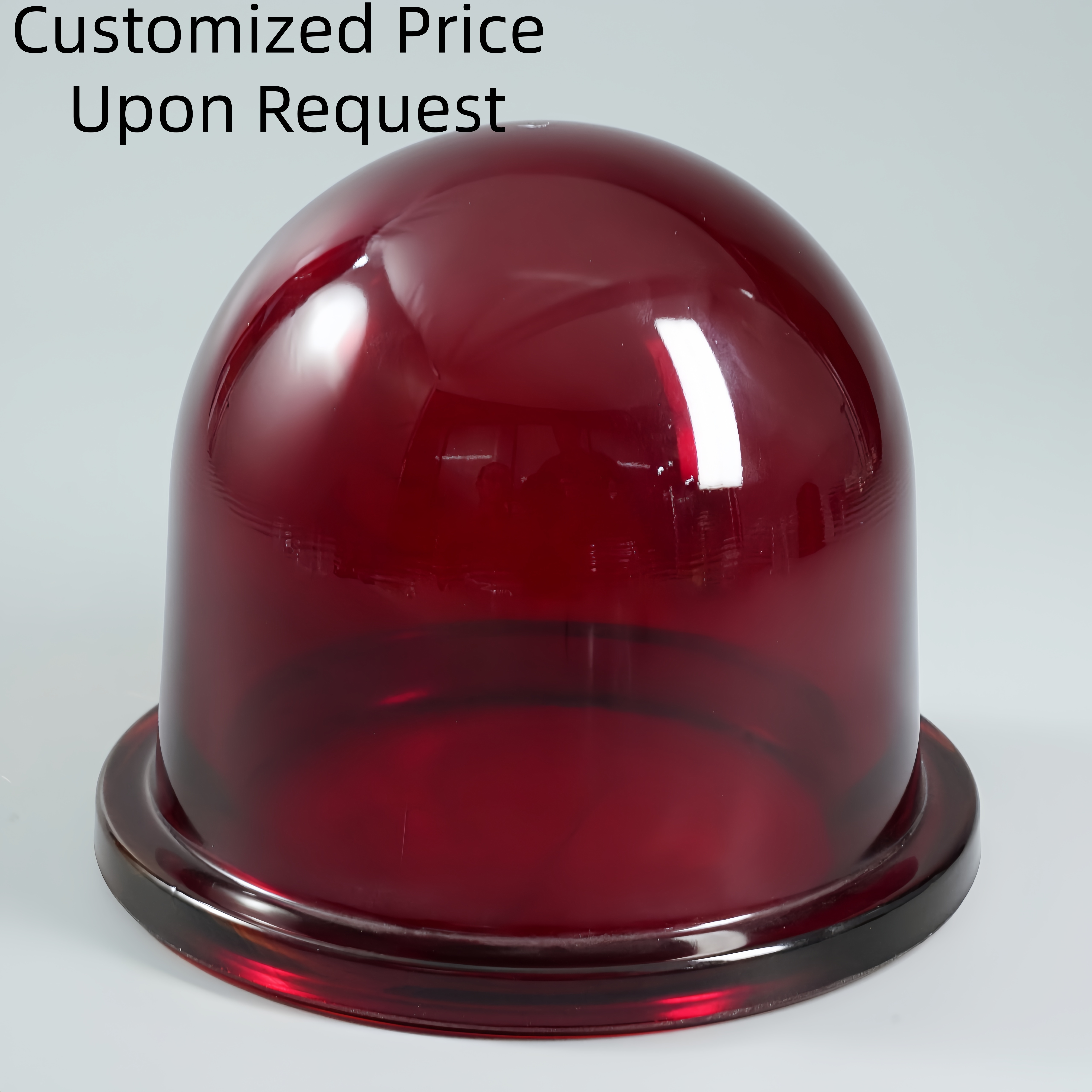
High-temperature Resistant Pressed Glass Shade, Explosion-proof & Crack-proof, Outdoor Street Light Specific
Pressed glass shades for outdoor street lighting where high lamp temperatures and crack resistance influence total fixture reliability.
View product
Factory Custom BO-GLASS Quartz BK7 K9 Arcoated Fused Silica High Precision Right Angle Prism 90Degree Clear ODM/OEM 3-Year
Beam-routing prisms for optical assemblies that combine a concave lens, filter or sensing window inside a compact module.
View product
High Temperature Resistant Borosilicate Glass Fresnel Lens Anti-Reflective Coating High Power LED Collimation Stage Lighting
AR-coated borosilicate Fresnel optics for high-power LED collimation, frequently evaluated together with concave lens elements for beam shaping.
View productCustom OEM Concave Lens Sourcing: Why the Optical Stack Matters More Than the Catalogue
A concave lens looks simple in a drawing: one or two negative surfaces, a diameter, a centre thickness and a coating note. In production, those few dimensions determine whether the lens seats correctly, survives cleaning, maintains wavefront quality and passes the final fixture test.
A Custom OEM Concave Lens Manufacturer & Exporter must work at the intersection of optical design and manufacturing engineering. Concave lenses are used to diverge light, expand a beam, increase field coverage, flatten a field, balance aberrations, or prepare a beam for a sensor. Off-the-shelf lenses can sometimes prove a prototype, but they rarely solve the full OEM problem: sealing surfaces, retaining rings, gasket grooves, anti-reflective coating curves, colour requirements, thermal cycling and export documentation all need to be aligned before volume production.
The most common failure in concave lens procurement is not a broken glass part. It is a mismatch between the lens drawing and the rest of the system. A lens that meets focal length in isolation may fail when the edge is too thin for the retaining ring. A coating that looks excellent on a flat witness sample may not survive the fixture’s cleaning cycle. A low-expansion glass may be chosen correctly but then be clamped too tightly against a housing with a different thermal expansion rate. This is why experienced buyers evaluate the supplier’s ability to review drawings, ask engineering questions and control interfaces — not just the quoted unit price.
Since concave lenses often sit near protective domes, heat-resistant shades, filters and prisms, a supplier that also manufactures adjacent glass parts can reduce integration risk. Shanghai Tambi Glass Industrial Co., Ltd. builds custom borosilicate covers, explosion-proof lampshades, signal light domes, LED lenses, prisms and optical filters for global lighting and optical OEMs. That broader capability is useful when a concave lens must be paired with a dome cover, an AR-coated window, a filter stack or a heat-resistant outer shade.
Which Concave Lens Configuration Fits Your Optical Path?
Before a quotation can be meaningful, the buyer and glass manufacturer should agree on the optical function, mounting method, environmental exposure and acceptance test. The four configurations below cover the majority of early-stage OEM discussions.
Plano-Concave Lenses
Useful for beam expansion, divergence or sensor illumination. The flat side can simplify mounting and alignment. Specify radius, centre thickness, edge thickness, clear aperture and coating performance.
Best for compact modulesBiconcave Lenses
Symmetrical negative power for compact relay systems and balanced beam expansion. Tighter control of centration, wedge and edge thickness is usually critical.
Best for symmetrical divergenceConcave Meniscus Lenses
For field flattening, aberration control and optical relay designs. Needs a clear tolerance stack because radius, thickness and coating angle can shift performance.
Best for aberration controlAR-Coated Custom Assemblies
For LiDAR, spectroscopy, machine vision and instruments, the coating curve must match wavelength, angle of incidence, laser damage risk and cleaning exposure.
Best for systems with filters and domesWhat OEM Buyers Will Expect from Concave Lens Suppliers Through 2030
Procurement is moving away from “quote the drawing and wait” toward supplier evidence, faster technical feedback and total cost of ownership. The shift is especially visible in optical glass, where a small process variation can affect assembly yield.
Supplier Evidence Becomes Part of RFQ
Buyers increasingly ask for onsite verification, trade history, capacity evidence and inspection reports before awarding repeat business. Tambi Glass supports this expectation through supplier assessment, credit index, transaction level, trade capacity, trade history and buyer feedback pages.
Trend signal: verified capacityFaster Drawing Review and Sampling
Development cycles are shorter. A supplier that can respond to a drawing with DFM questions within hours has a real advantage over one that only answers after tooling is quoted.
Trend signal: engineering speedTotal Optical Cost Replaces Unit Price
Transmission, coating yield, dimensional reject rate, assembly time and field returns are now evaluated together. A slightly higher lens price can be the lower-cost decision if it reduces assembly scrap.
Trend signal: yield-based buyingTraceability and Measurable Acceptance
Material batch, coating run, dimensional report and visual inspection criteria are becoming normal parts of the purchase order. Buyers want defects classified before shipment, not discovered at the fixture line.
Trend signal: documented qualityThe practical implication is straightforward: procurement teams should shortlist concave lens manufacturers that can support both prototype learning and production discipline. A supplier that only knows how to press a part may struggle with optical centration and coating documentation. A supplier that only knows optical polishing may struggle with thermal shock, sealed housings and export packing. The strongest partner is a manufacturer and trading company that can coordinate pressed, blown, ground and coated processes under one supply chain — the same operating model described on the original Tambi Glass website.
How Concave Lens Technology Is Changing for Lighting, Sensing and Instruments
OEM requirements are moving toward tighter integration with housings and coatings. Concave lenses are being specified as part of an optical sub-assembly rather than as a loose component.
Broadband AR and Harder Coatings
Multi-wavelength LiDAR, spectroscopy and machine vision need AR coatings that maintain transmission across a wider band while resisting cleaning and environmental exposure.
Development direction: spectral resilienceMiniaturisation and Centration Control
Compact sensing modules leave less room for retaining rings and adhesive. Lens suppliers must control centration, wedge and edge chips more tightly than before.
Development direction: smaller, tighterHarsh-Environment Optical Glass
High-power LED, outdoor lighting, marine and industrial fixtures require glass that tolerates heat, rain, salt spray and cleaning agents without losing optical clarity.
Development direction: environmental durabilityCo-Designed Optical Stacks
Concave lenses are increasingly quoted together with domes, filters, prisms and Fresnel optics. Co-design reduces tolerance stack-up and simplifies supplier qualification.
Development direction: system-level supplyWhy Tambi Glass Is Structured for Custom OEM Concave Lens and Optical Glass Projects
Shanghai Tambi Glass Industrial Co., Ltd. is a manufacturer and trading company in Shanghai, China, with 11–50 employees and annual export revenue in the US$2.5M–5M range. Our experience is concentrated in lighting and optical glass: borosilicate covers, explosion-proof lampshades, signal light domes, LED lenses, prisms and optical filters for OEM buyers worldwide.



Drawing-Based OEM / ODM
Most projects start from a 2D/3D drawing or physical sample. Our engineers review wall thickness, draft, sealing faces, tolerances, material, colour and coating before tooling.
Broad Glass Material Coverage
Borosilicate 3.3, tempered soda-lime, fused quartz and optical BK7/K9 allow the glass grade to be matched to thermal load, impact, wavelength and cost.
Forming, Grinding and Coating
Pressed, blown, ground and coated processes can be coordinated under one supply chain, including AR and optical coating review for custom concave lens projects.
Fast Engineering Response
Our average response time is within 6 hours. For a concave lens RFQ, include dimensions, tolerance, material, coating, operating temperature and annual volume.
Export-Ready Packing
Fragile glass parts are separated by foam or pulp dividers, packed in reinforced export cartons and palletised for sea or air freight. Custom labeling can be arranged.
Verifiable Supplier Records
Supplier assessment, credit index, transaction level, trade capacity, trade history and buyer ratings help procurement teams complete qualification with fewer blind spots.
How to Choose Glass Grade for a Custom Concave Lens
The table below reflects the reference framework our engineers use when reviewing a concave lens or adjacent optical glass component. Final specification must be confirmed against your drawing, lamp surface temperature, impact requirement and the standard your fixture must meet.
| Material | Thermal expansion (×10⁻⁶/K) | Typical max. working temp. | Key strength | Best for |
|---|---|---|---|---|
| Borosilicate 3.3 | ≈ 3.3 | ≈ 450 °C | Excellent thermal-shock resistance | Explosion-proof shades, high-power LED covers, Fresnel lenses and thermally cycled optical covers |
| Tempered soda-lime | ≈ 9.0 | ≈ 250 °C | High impact strength, economical | Outdoor covers, floodlight glass, vandal-resistant lenses and moderate-temperature fixtures |
| Fused quartz | ≈ 0.55 | ≈ 1000 °C+ | UV transmission, extreme heat | UV optics, high-temperature windows and demanding scientific instrumentation |
| Optical BK7 (H-K9L) | ≈ 7.1 | ≈ 300 °C | Homogeneous, nd ≈ 1.517 | Precision lenses, prisms, mirrors and filters |
Relative thermal-shock suitability is shown below for illustration only; actual performance depends on thickness, edge condition, annealing, coating and the mating housing design.
From Drawing to Delivery: A Controlled Six-Step OEM Process
A concave lens project becomes reliable when the supplier manages process interfaces instead of treating each operation as an isolated job. The checkpoints below describe the working sequence used for custom OEM glass programs.
Drawing Review
DFM check of thickness, draft, tolerance, centration, sealing face and coating note before tooling proceeds.
Material & Tooling
Glass grade is matched to thermal, optical and impact requirements. New or existing molds are selected for pressing, blowing or grinding.
Sampling
Samples are measured and sent for fit, light test and assembly review. Buyers confirm the critical-to-quality dimensions before volume production.
Forming & Annealing
Controlled forming, annealing or tempering relieves stress and reduces the risk of breakage during thermal cycling or cleaning.
Coating & Inspection
AR or colour coating is reviewed against the wavelength and angle requirement, followed by dimensional and visual inspection.
Export Packing
Divider-packed cartons, reinforced packaging and palletised shipping protect fragile optical parts during sea or air freight.
The evidence that matters to a procurement team is not a slogan. It is the ability to answer technical questions quickly, provide material and inspection reports on request, keep the coating specification aligned with the optical function, and pack fragile glass correctly. Tambi Glass has supplied long-term partners in Europe, North America and Japan by combining a design team of senior lighting and molding engineers with a supply chain that can handle pressed, blown, ground and coated glass. For a custom concave lens, that combination reduces the distance between optical intent and production reality.
Custom OEM Concave Lens Buying Questions
These are the questions procurement and engineering teams usually ask before releasing a sample order or a volume purchase order.
Can you manufacture concave lenses and glass covers to our own drawing?
What is the typical minimum order quantity for a custom concave lens project?
Should we choose borosilicate glass or tempered soda-lime glass?
Do you supply glass for FAA L-810 and EN 50293 lighting fixtures?
What coatings can be considered for a concave lens or optical cover?
How fast do you reply to technical inquiries?
How are fragile glass parts packed for export?
Have a Drawing? Get an Engineering Review Within 6 Hours.
Share your concave lens dimensions, material, coating, operating temperature, mating housing and annual volume. Our engineers will suggest the most reliable glass solution for your fixture and flag any manufacturability risks before tooling.
info@tambiglass.com