China Wholesale Tempered Glass Manufacturer & Wholesaler
Custom tempered, borosilicate, quartz, BK7 and K9 glass components for lighting, aviation, marine, hazardous-area, automotive and optical sensing systems — engineered to your drawing and supported by export-grade quality documentation.
8 Wholesale-Ready Glass Products for Lighting & Optical Buyers
These eight product families reflect the parts our OEM buyers reorder most often. Each item can be adapted in size, thickness, color, coating, edge finish and packing format for distributor or project-based wholesale programs.
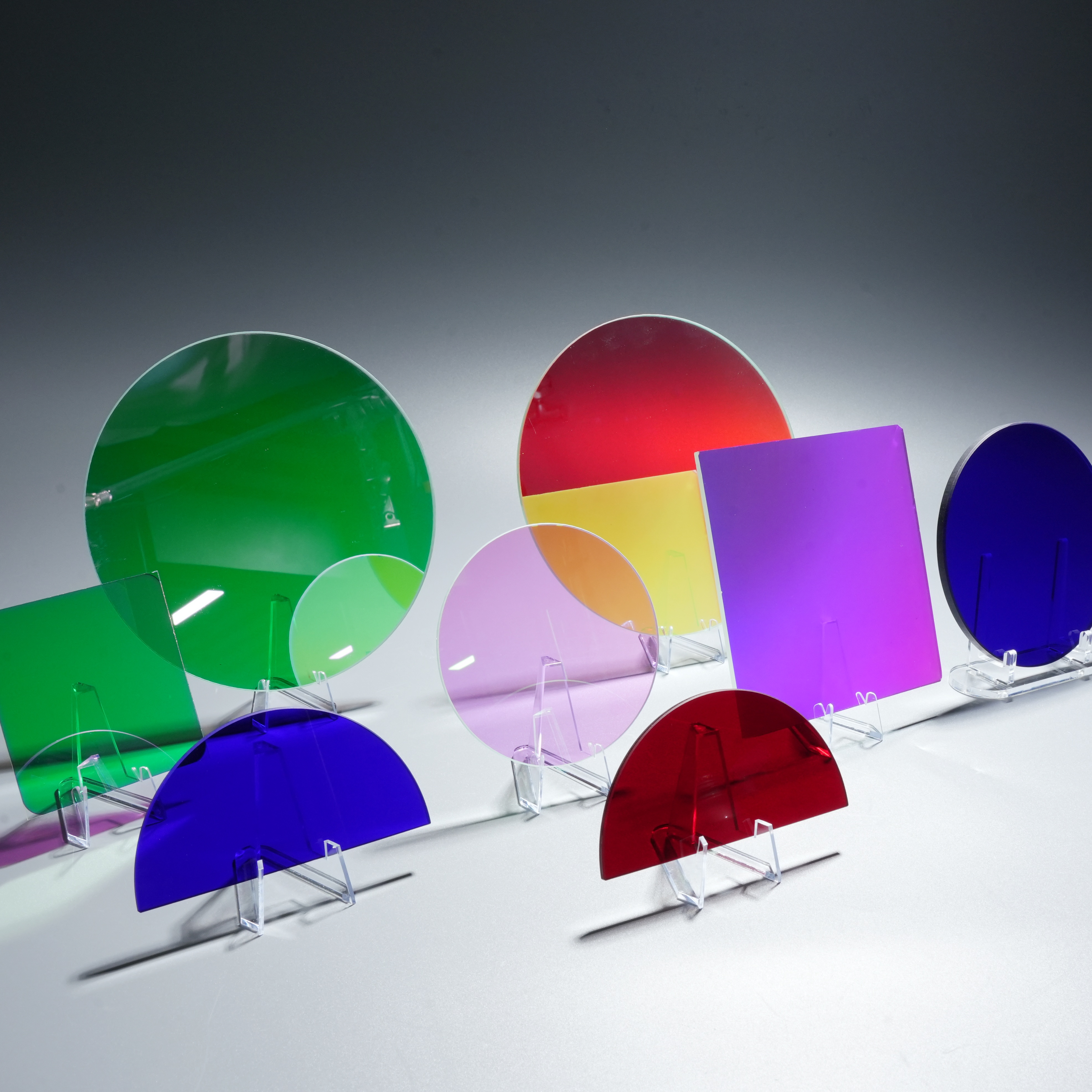
BO-GLASS BO-AH242 Manufacturer Customized High Precision 590Nm 49Mm Coated UV Borosilicate Bandpass Longpass Optical Filter
Recommended for precision sensing, fluorescence instruments and optical assemblies where wavelength control, coating durability and repeatable transmission matter.
View product →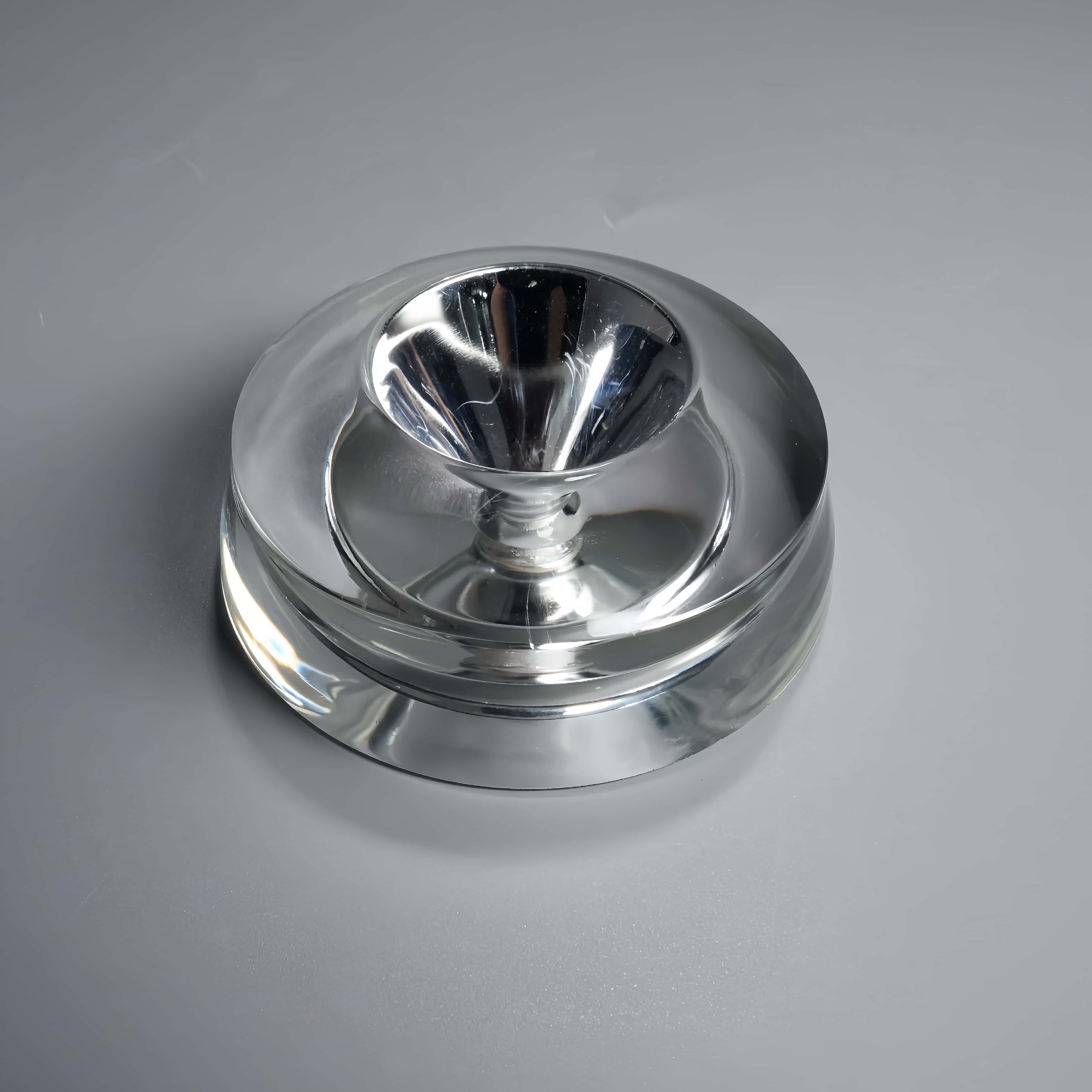
Factory China Custom Size Mold Pressed Borosilicate Bk7 K9 Eco-Friendly LED Optical Glass Lens for Taxiway Runway Airport Ground
A mold-pressed LED lens option for taxiway, runway and airport ground lighting. Material can be matched to surface temperature, impact exposure and beam distribution.
View product →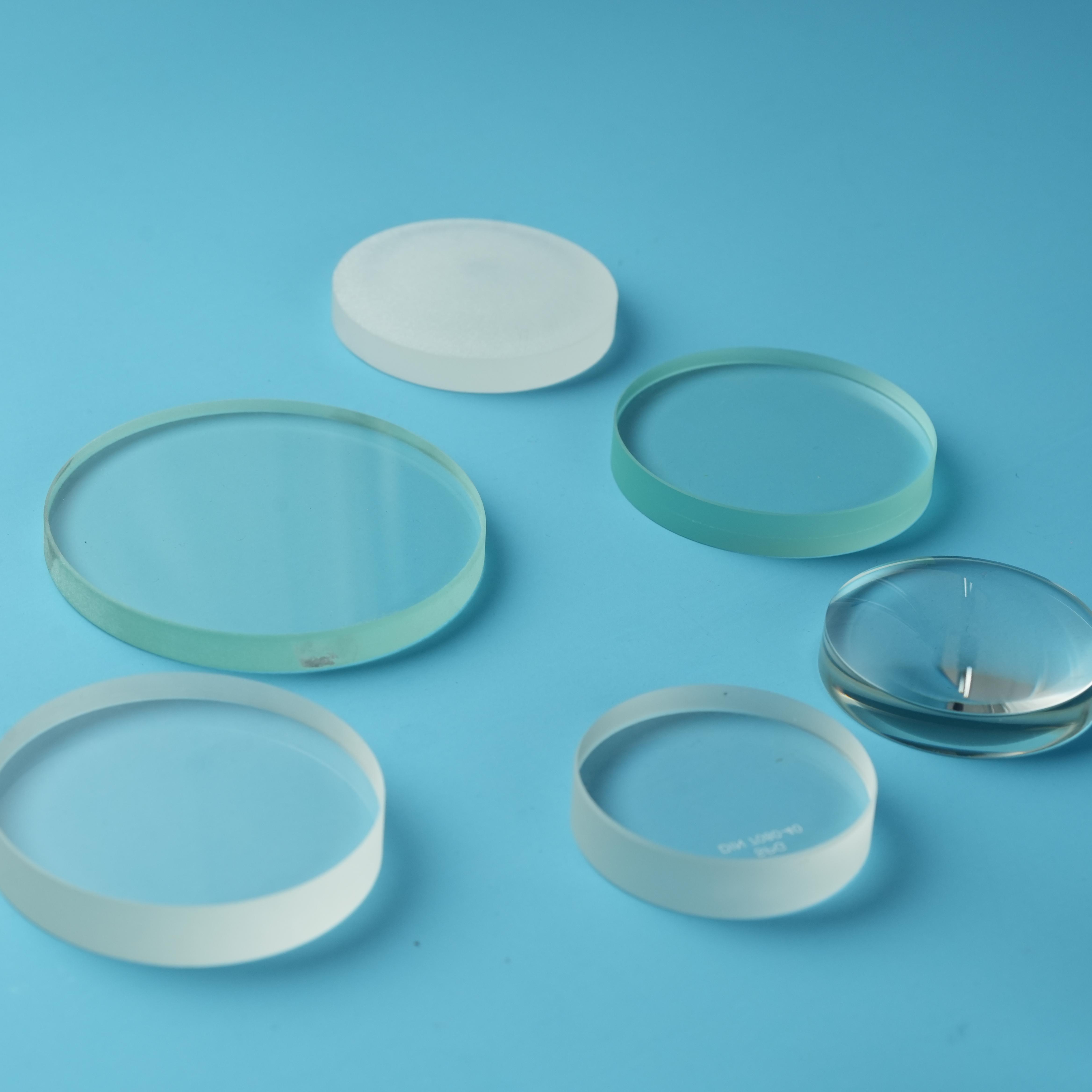
Custom OEM Bo Glass Clear Borosilicate K9 Bk7 B270 Fused Silica Anti-Reflective Coated Square Optical Window 50mm Diameter
An AR-coated square window for sensor covers, inspection ports and instrument enclosures. Available in borosilicate, K9, BK7, B270 and fused silica grades.
View product →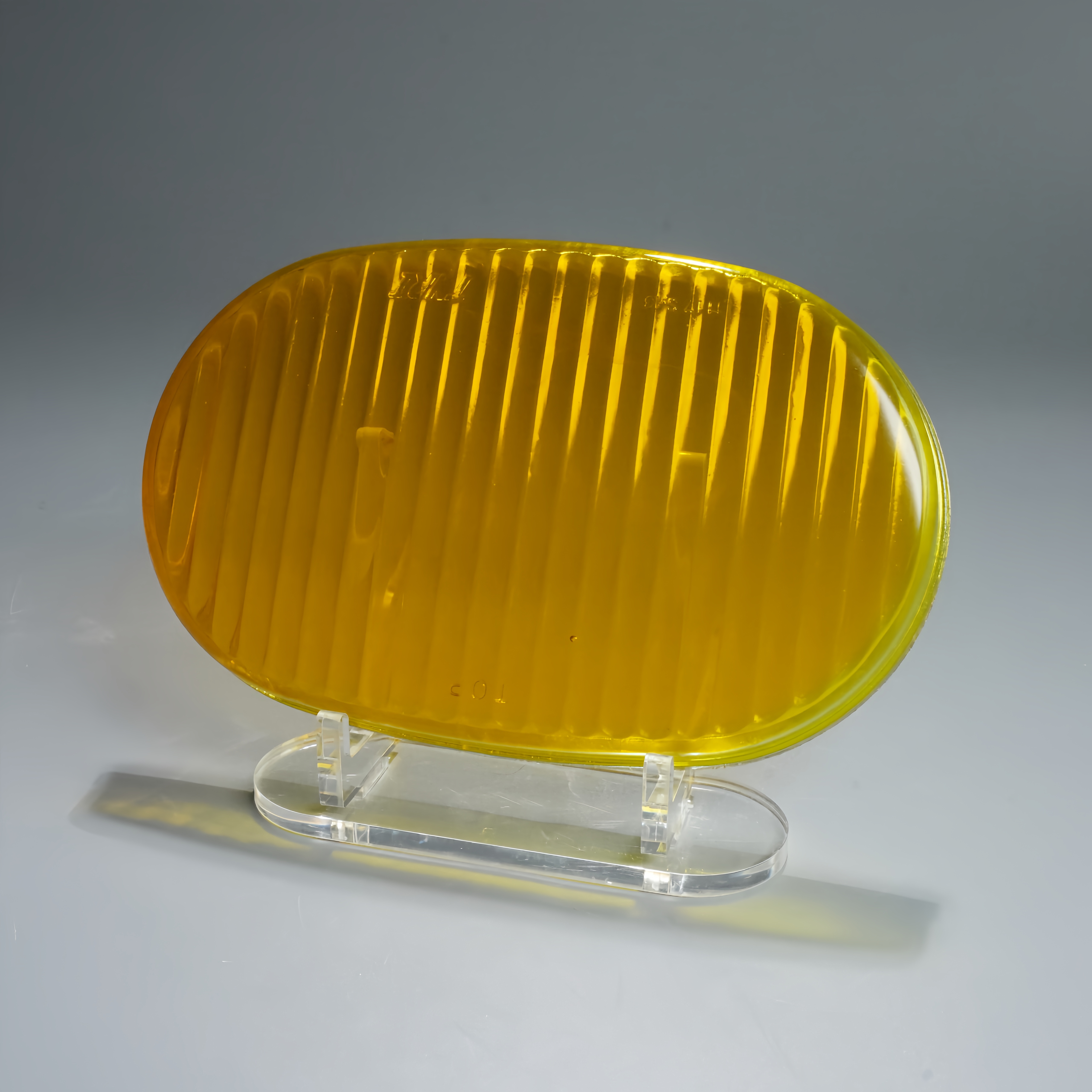
Factory Customized Size Shape Color Heat Resistant High Quality Borosilicate Glass Car Light Accessories Traditional Industrial
For automotive and industrial lighting programs needing custom shape, color and thermal-shock resistance. Suitable for traditional pressed glass components and replacement parts.
View product →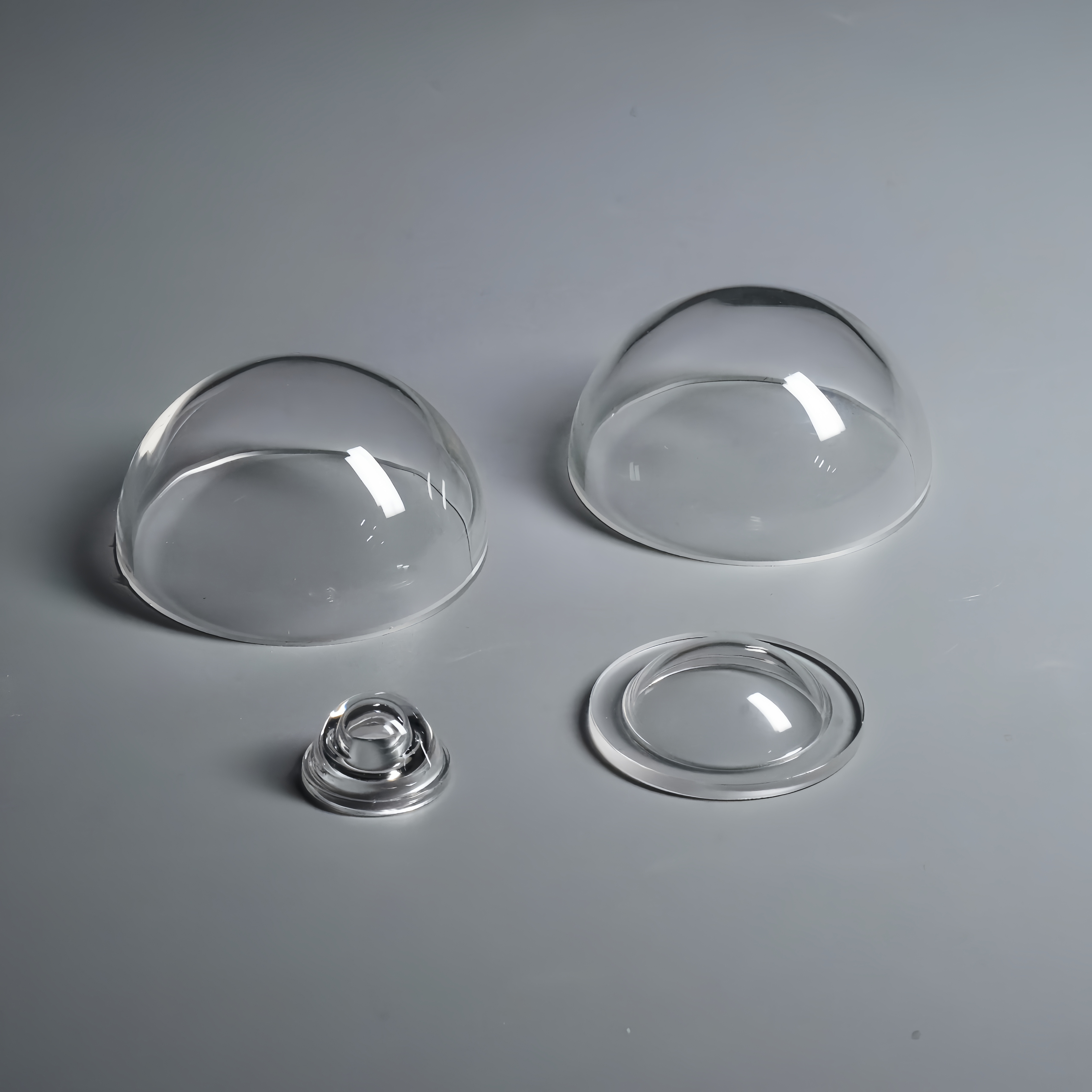
Mold Pressed Clear High Quality K9 Optical Dome Lens with Anti-Reflective Coating for Lighting OEM Customized Headlight Glass
A clear K9 dome lens with AR coating for headlight and lighting OEM projects. Useful where controlled beam shaping and reduced surface reflection are required.
View product →
Factory Custom BO-GLASS Quartz BK7 K9 Arcoated Fused Silica High Precision Right Angle Prism 90Degree Clear ODM/OEM 3-Year
Right-angle prisms for 90-degree beam turning in sensors, laser modules and optical benches. Specify material, face flatness, coating and dimensional tolerance.
View product →
FAA Compliant Borosilicate Heat Resistant Glass Lens Runway In-Pavement Taxiway Lights IP68 Waterproof Optical Equipment Clear
Borosilicate glass lens for in-pavement runway and taxiway fixtures. Supports IP68 assembly designs and demanding thermal cycling in airfield environments.
View product →
Factory Price Custom Precision Optical 1-200mm Clear BK7 Spherical Quartz Glass Half Ball Concave/Biconvex Lens Anti-Reflective
Custom spherical lenses from 1 mm to 200 mm in BK7, quartz and related optical materials. Half-ball, concave and biconvex forms can be supplied with AR coatings.
View product →


Why Global Buyers Treat Tambi Glass as a Reliable China Wholesale Partner
Shanghai Tambi Glass Industrial Co., Ltd. is a manufacturer and trading company focused on custom glass components for lighting and optical OEMs. For more than a decade, our team has examined one practical question: how should glass perform inside a real luminaire? That focus covers heat build-up behind high-power LEDs, thermal shock from rain on hot covers, impact loads in hazardous areas, sealing pressure in IP68 fixtures and color accuracy in aviation or marine signal lights.
Our engineering approach begins with drawing review. Senior lighting and molding engineers check wall thickness, draft, sealing faces, optical path alignment, edge quality and coating requirements before tooling starts. We combine pressed, blown, ground, tempered and coated processes through a coordinated supply chain, giving buyers a single technical contact for mixed glass programs.
Long-term partners in Europe, North America and Japan use us for drawing-based OEM/ODM production, sample evaluation and repeat wholesale orders. The commercial model is straightforward: share your drawing, target performance and annual volume; we respond with manufacturability feedback, material recommendations, tooling options and a quotation path.
- Drawing-based OEM / ODM production
- Borosilicate, tempered, quartz, BK7 and K9
- AR, bandpass and color coating options
- Onsite-verified supplier records
- Export packing for fragile glass parts
- Average inquiry response within 6 hours
What Smart Wholesale Buyers Are Changing in Technical Glass Sourcing
Price per piece still matters, but professional buyers increasingly evaluate glass as a performance component inside a certified fixture. The following procurement shifts are shaping supplier scorecards for tempered glass, borosilicate covers and optical components.
Total landed cost over unit price
Buyers now compare breakage rate, annealing quality, packing cost, rework risk and warranty exposure. A lower quotation can be more expensive when glass arrives with stress, edge chips or unstable color.
Evidence-based supplier qualification
Procurement teams expect material certificates, dimensional reports, coating data, packing validation and traceability. E-E-A-T in B2B sourcing is increasingly proven through records, not claims.
Dual sourcing without losing consistency
Wholesale buyers qualify a primary and backup source, but they still require drawing control and color or transmission consistency. Clear tooling ownership and documented specifications reduce switching risk.
Digital RFQ with 2D/3D files
STEP, DXF, PDF drawings, optical targets and annual forecasts shorten quotation cycles. Suppliers that can interpret engineering intent — not only read dimensions — help buyers avoid late-stage redesign.
Sustainability and packaging discipline
Recyclable cartons, lead-free colors, PFAS-free coating choices and efficient pallet loading are increasingly requested. For fragile glass, packaging is also a performance feature that protects yield in transit.
Faster replenishment and buffer planning
Distributors want shorter reorder cycles, stable repeatability and predictable export packing. Kanban-style planning, buffer stock and consolidated shipments are becoming part of wholesale supplier evaluation.
How Tempered, Borosilicate and Optical Glass Are Evolving
The next generation of lighting and sensing products is pushing glass toward higher thermal margins, better optical control and stronger evidence of reliability. These development trends are directly relevant to wholesale buyers planning 2026–2030 programs.
Higher thermal margins for high-power LED
Compact luminaires run hotter and cycle more often. Borosilicate 3.3 and correctly annealed tempered glass help reduce thermal-shock failures in covers, domes and Fresnel lenses.
AR-coated interfaces for LiDAR and sensing
Broadband anti-reflective coatings on domes, windows and lenses are becoming standard in sensing systems. Buyers need coating curves, adhesion checks and angle-specific performance data.
Standards-aware aviation and marine glass
Fixture makers increasingly require glass that supports FAA L-810 or EN 50293-related designs. Color, transmission and dimensional consistency must be documented alongside inspection records.
Hybrid material and coating strategies
Impact strength, thermal stability and optical transmission are no longer traded off in isolation. Tempered soda-lime, borosilicate, quartz and coated BK7/K9 are selected by application rather than catalog habit.
Automated inspection and repeatability
Optical measurement, image-based inspection and controlled annealing are improving batch consistency. For wholesale programs, reported data matters as much as the visual appearance of a sample.
Cleaner colors and process compliance
Lead-free color options, coating-process control and recyclable packaging are becoming part of technical discussions. Compliance should be confirmed against your destination market and fixture certification scope.
Borosilicate vs Tempered Soda-Lime vs Quartz vs BK7
Material selection should follow operating temperature, impact exposure, optical requirements, sealing method and the standard your fixture must meet. This matrix is a useful starting point for wholesale product planning.
| Material | Thermal expansion | Typical max working temperature | Key strength | Best for |
|---|---|---|---|---|
| Borosilicate 3.3 | ≈ 3.3 × 10⁻⁶/K | ≈ 450 °C | Excellent thermal-shock resistance | Explosion-proof shades, high-power LED covers, Fresnel lenses |
| Tempered soda-lime | ≈ 9.0 × 10⁻⁶/K | ≈ 250 °C | High impact strength and economical cost | Outdoor covers, floodlight glass, vandal-resistant lenses |
| Fused quartz | ≈ 0.55 × 10⁻⁶/K | ≈ 1000 °C+ | UV transmission and extreme heat resistance | UV optics, high-temperature windows, scientific equipment |
| Optical BK7 / H-K9L | ≈ 7.1 × 10⁻⁶/K | ≈ 300 °C | Homogeneous optical properties, stable refractive index | Precision lenses, prisms, mirrors and filters |
Values are typical references. Final specification is confirmed against your drawing, lamp surface temperature, impact rating, sealing design and the certification scope of your fixture.
Where Wholesale Tempered and Technical Glass Performs
Every application stresses glass differently. We specify material and processing from your operating conditions — not from a generic catalog — so distributors can support multiple fixture programs with fewer technical surprises.
Airport & aviation
Obstruction, runway edge, taxiway and in-pavement light lenses with stable red or clear transmission.
Marine & offshore
Handblown and pressed covers for navigation and ship signal lights exposed to salt spray and weather.
Oil, gas & chemical
Explosion-proof lampshades and emergency-light enclosures for hazardous, corrosive or dusty zones.
Stage & entertainment
Fresnel, dichroic and effect lenses that survive heat from high-power LED and stage-lighting modules.
Automotive & outdoor LED
Projection lenses, IP68 lenses and reflectors for headlights, floodlights and street lighting.
LiDAR & scientific
Pressure-rated domes, hemispherical windows, prisms and bandpass filters for sensing systems.
Food & medical equipment
Chemically resistant sight glasses and covers for machinery that is washed down frequently.
Horticulture lighting
AR-coated convex lenses that preserve full-spectrum LED output in indoor farming fixtures.
A Controlled OEM Workflow for Wholesale Glass Programs
Clear checkpoints reduce surprises between sample approval and mass production. The process below is typical for custom tempered glass, borosilicate covers, optical lenses and prisms.
Drawing review
DFM check of thickness, draft, tolerance, sealing face, edge condition and optical path.
Mold and tooling
New or existing molds for pressing, blowing or grinding, confirmed against your volume and budget.
Sampling
Samples measured and sent for fit, light, sealing and certification-related evaluation.
Forming and annealing
Controlled annealing or tempering to relieve stress and support thermal-shock resistance.
Coating and QC
AR or color coating, dimensional inspection, visual inspection and agreed reports.
Export packing
Divider-packed cartons, reinforced boxes and palletized loading for sea or air freight.
Verify the Supplier Before You Scale a Wholesale Order
Procurement teams need more than a product photo. Independent records and factory transparency help shorten supplier qualification and reduce sourcing risk.
Supplier assessment
Third-party verification of legal status, business scope and premises.
Credit index
Business credit and compliance overview for procurement review.
Trade capacity
Export markets, trade terms and logistics capability information.
Factory video
See forming, finishing, inspection and packing before you place a sample order.
China Wholesale Tempered Glass Procurement Questions
These are the questions OEM, distributor and project buyers ask most often when qualifying a custom glass manufacturer and wholesaler in China.
Can you manufacture glass covers and lenses to my own drawing?
What is the typical minimum order quantity for wholesale glass parts?
Should I choose borosilicate glass or tempered soda-lime glass?
Do you supply glass for FAA L-810 and EN 50293 lighting fixtures?
How do you control optical color and transmission consistency?
How fast do you reply to technical inquiries?
How are fragile glass parts packed for export?
Can you support distributors with repeat orders and custom tooling?
Have a Drawing? Get an Engineering Review for Your Next Glass Order.
Share your dimensions, material, operating temperature, coating requirement and annual volume. Our team will suggest a reliable tempered or borosilicate glass solution for your fixture, then confirm samples before mass production.
info@tambiglass.com · Shanghai, China