Eight Molded Glass Lens & Precision Glass Products for OEM Buyers
These products reflect recurring RFQs from lighting brands, optical integrators, aviation fixture makers, horticulture OEMs and distributors. Each image and title links to its original product page, so engineering and procurement teams can keep specifications, substitutions and approval notes in one audit trail.
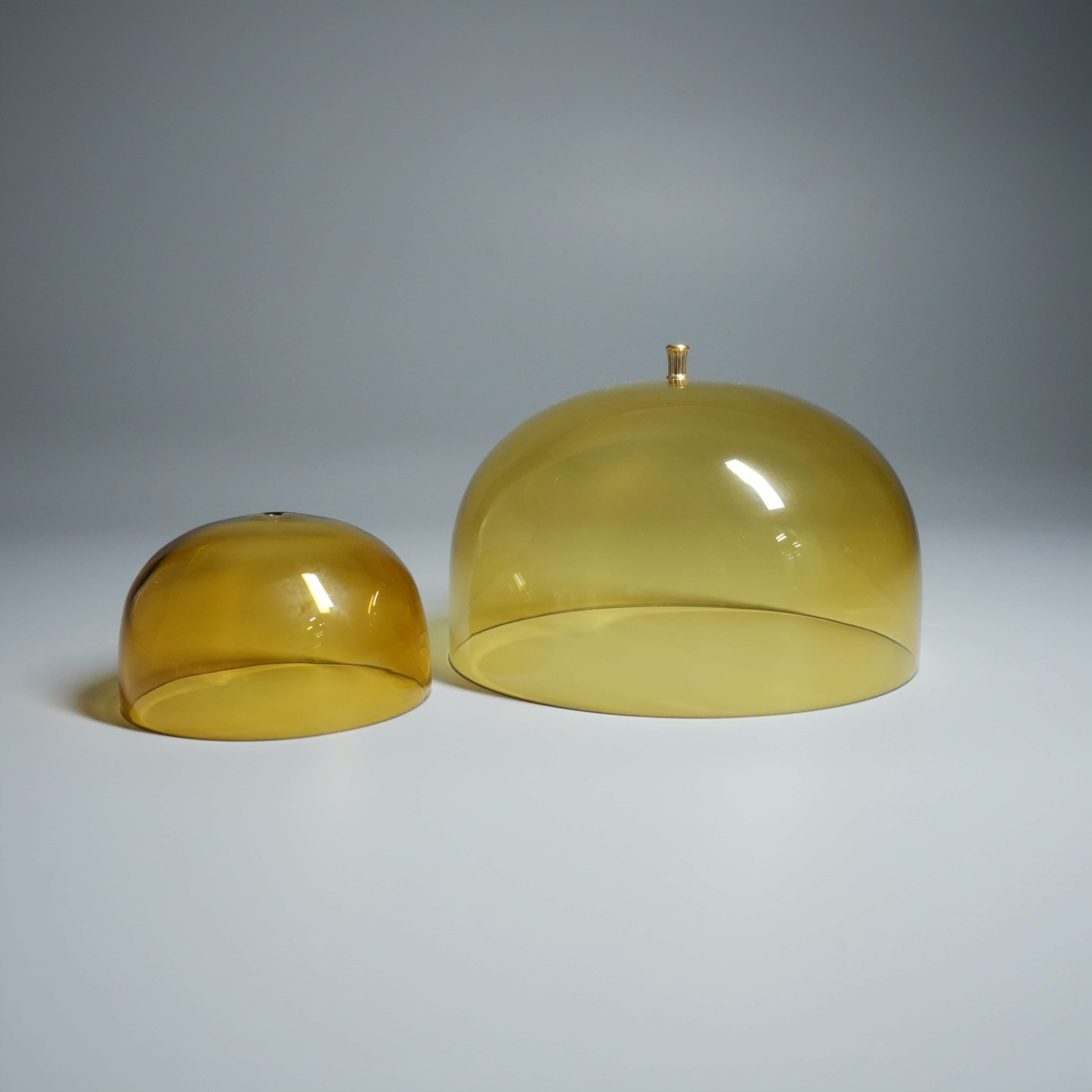
Certified Glass Cover for Food Machinery and Medical Equipment, Chemical Resistant
For wash-down machinery, medical equipment and clean production areas where chemical resistance and clear visibility matter.
View product →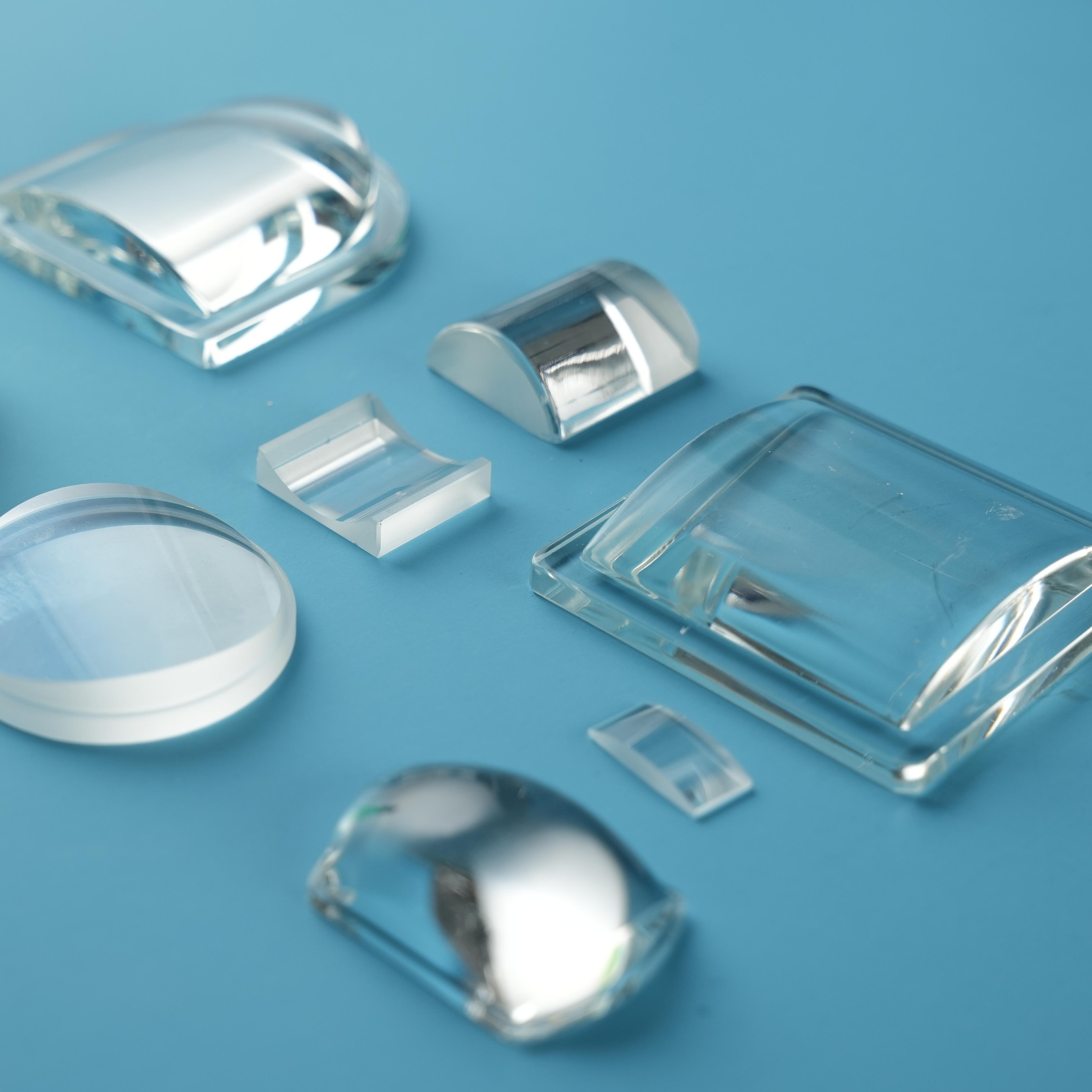
Manufacturer Custom OEM Anti-Reflective Laser Glass Optical Borosilicate UVC Plano Convex Cylindrical Biconvex Lens
For laser, UVC and precision optical systems needing anti-reflective borosilicate in plano-convex, cylindrical or biconvex formats.
View product →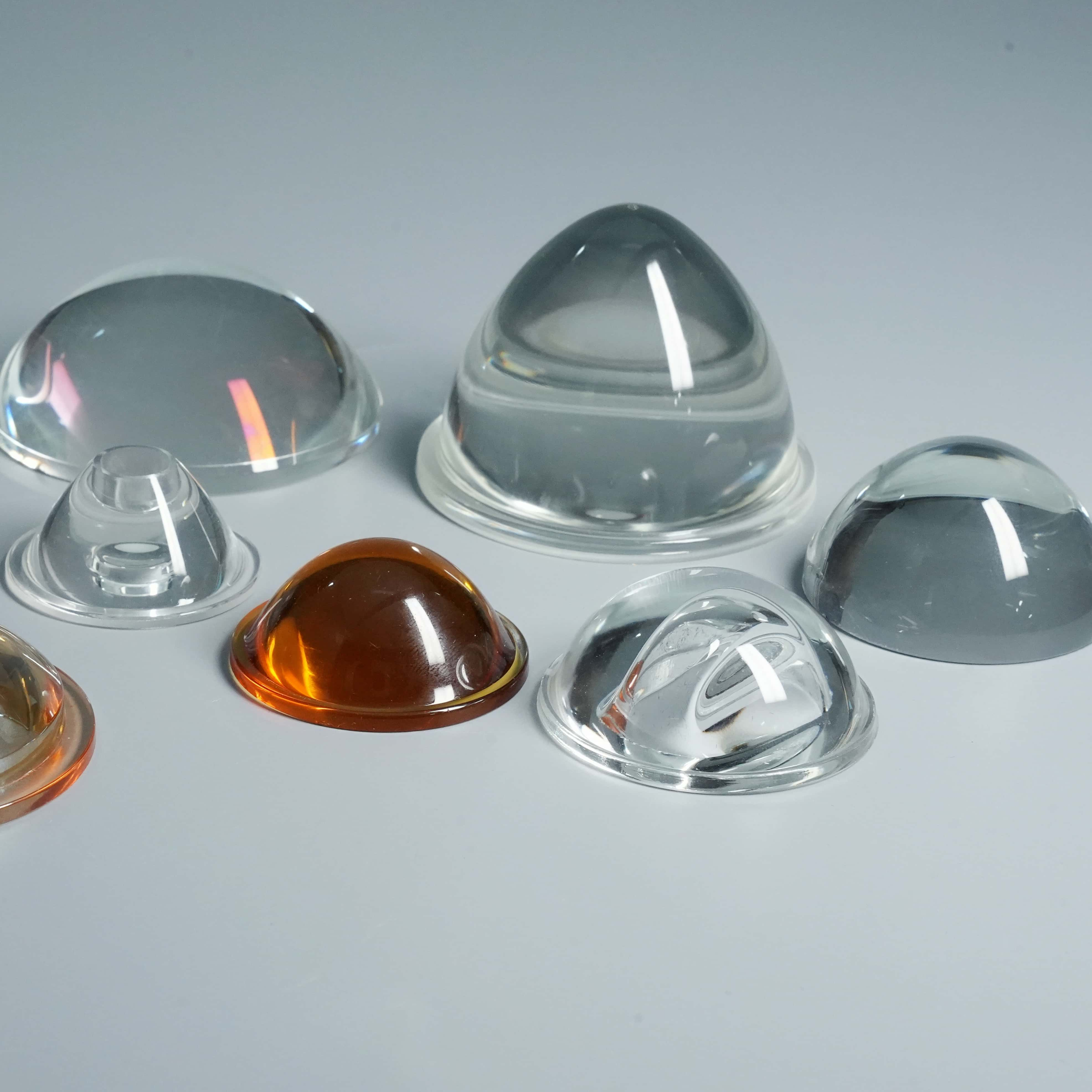
Custom Borosilicate Glass LED Grow Light Convex Lens with Anti-Reflective Coating for Indoor Farming Full Spectrum Lighting
For full-spectrum indoor farming fixtures that require high transmission, thermal endurance and stable beam control.
View product →
Wholesale OEM Shape Size Borosilicate Glass 175mm Diameter AR Coating Double Plano Convex Achromatic Fresnel Lens BO GLASS Stage
For stage lighting, 175 mm Fresnel optics and custom AR-coated borosilicate lenses used in high-power LED fixtures.
View product →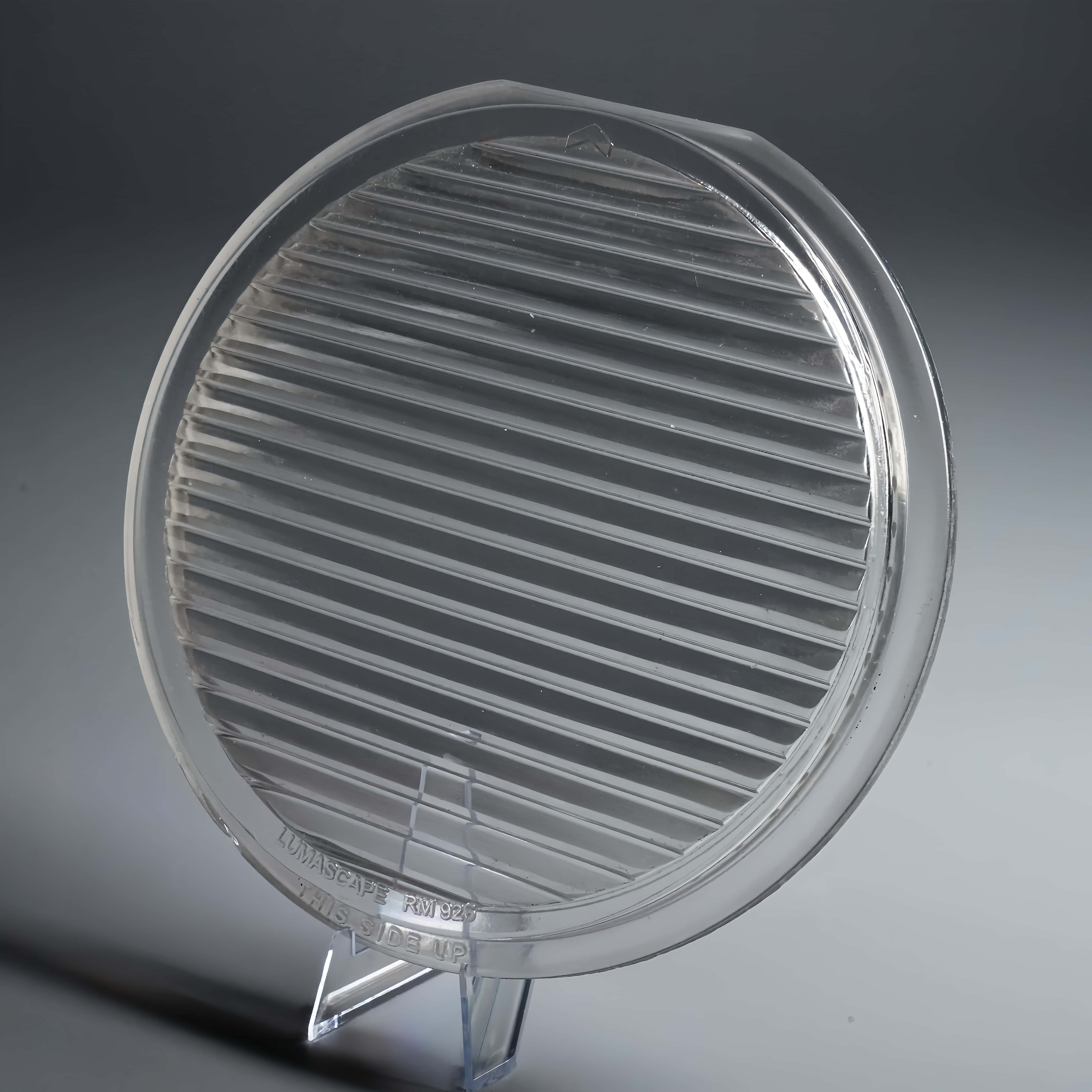
Supplier Custom Size Shape Pressed Mold Heat Resistant High Borosilicate Headlight Glass Lens Cover Headlight Glass Cover
For pressed-mold headlight covers and heat-resistant glass parts used in automotive or industrial lighting assemblies.
View product →
FAA Compliant Borosilicate Heat Resistant Glass Lens Runway In-Pavement Taxiway Lights IP68 Waterproof Optical Equipment Clear
For runway and taxiway in-pavement fixtures requiring heat resistance and IP68-compatible optical sealing.
View product →
Factory Custom BO-GLASS Quartz BK7 K9 Arcoated Fused Silica High Precision Right Angle Prism 90Degree Clear ODM/OEM 3-Year
For right-angle prisms, BK7/K9, quartz and fused silica optics used in imaging, sensing and laser assemblies.
View product →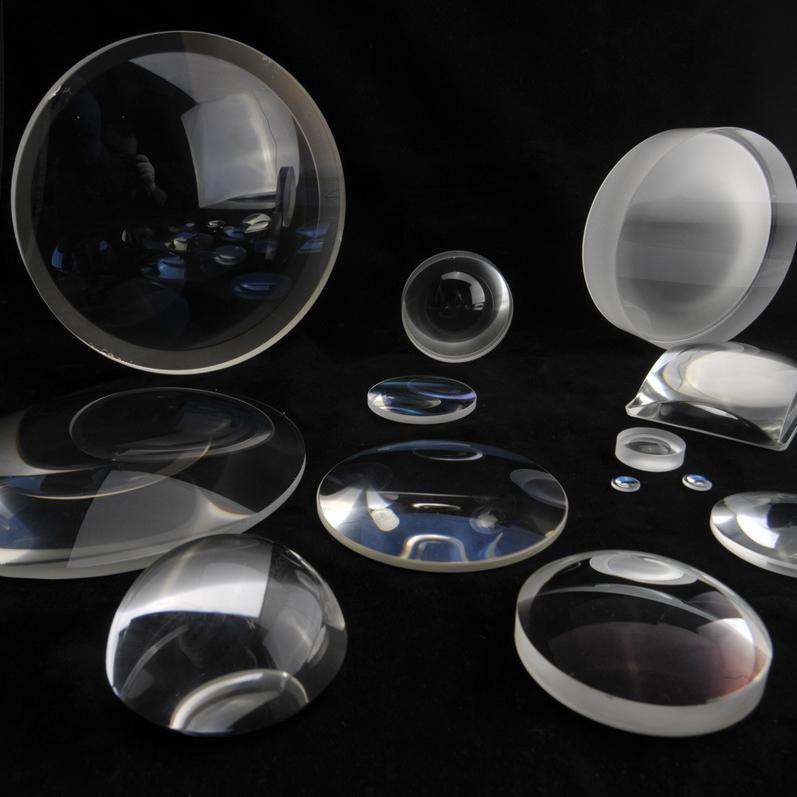
Custom High Quality Diameter 80Mm 127Mm 250Mm Spherical K9 Optical Coating Glass Plano Convex Lens for Big Magnifying
For large-diameter K9 plano-convex lenses used in magnifying, projection and custom optical systems.
View product →Years of lighting and optical glass experience
Average technical response time for new RFQs
Starting MOQ for selected optical lens programs
Drawing-to-export control process for repeatable quality
What Wholesale Buyers Should Verify Before Choosing a China Molded Glass Lens Exporter
A molded glass lens is only “wholesale” when the specification can be repeated from sample to mass production. The real evaluation is not just price per piece; it is material grade, optical performance, sealing geometry, coating durability and export packing discipline.
People searching for China wholesale molded glass lens suppliers & exporters usually arrive with a defined purchase problem: a fixture needs a heat-resistant lens, a distributor needs a stable replacement part, or an engineering team wants a custom borosilicate optic that fits an existing housing. That search intent mixes three decisions — optical design, manufacturing feasibility and supply-chain risk. A supplier that cannot discuss thermal expansion, annealing, edge finish or coating adhesion can create hidden cost long before the first shipment.
Molded glass lenses are often pressed or formed near-net shape, then finished, annealed and coated. Some projects require borosilicate 3.3 for thermal-shock resistance; others need tempered soda-lime for impact strength, fused quartz for UV and extreme heat, or BK7/K9 for optical homogeneity. Experienced exporters separate the optical requirement from the mechanical requirement. Light distribution, transmission and color belong to the optical path. Flange thickness, chamfer, mounting face and gasket compression belong to the fixture. Reviewing both at drawing stage reduces tooling changes and late-stage rejects.
Shanghai Tambi Glass Industrial Co., Ltd. works as a manufacturer and trading company with more than a decade of lighting and optical glass experience. The team reviews wall thickness, draft, sealing faces and optical alignment before tooling, and coordinates pressed, blown, ground and coated processes through long-term partners. For distributors and OEM buyers, this creates a practical wholesale route: drawing-based production with export-ready inspection and packing, rather than catalogue substitution.
Procurement intent
Compare exporters that can quote the same drawing, tolerance, coating and packaging standard as the approved sample.
Engineering intent
Confirm glass grade, CTE, refractive index, annealing method, surface quality and coating specification before tooling.
Supply-chain intent
Ask about MOQ, mold ownership, sample lead time, annual capacity, spare capacity and fragile-goods export packing.
Risk intent
Verify supplier assessment, inspection reports, material traceability and whether certification is held by the fixture maker.
Recommended Molded Glass Lens Programs by Application
Choose the optical function first, then confirm the mechanical interface. The same borosilicate lens can be correct for a runway fixture and wrong for a sealed LiDAR window if the gasket face or coating is not reviewed together.
Aviation & obstruction lighting
Specify FAA-compliant borosilicate lenses and red tempered glass domes for runway, taxiway and obstruction fixtures. The luminaire manufacturer holds fixture certification; the glass supplier must match color, transmission, dimensions and heat resistance.
Horticulture & grow lights
Use AR-coated borosilicate convex lenses for full-spectrum LED grow lights. Buyers should validate transmission across the target spectrum, not only at visible peak wavelength, and confirm thermal performance near the LED array.
Stage & Fresnel optics
For high-power LED stage fixtures, specify borosilicate Fresnel or plano-convex lenses with AR coating and controlled edge finish. Confirm coating masking, mounting clearance and thermal cycling before approving a mold.
Laser & optical instruments
Combine anti-reflective laser lenses, right-angle prisms, BK7/K9 optics and custom plano-convex lenses in one supplier review. This keeps coating angle, index tolerance and prism orientation under one drawing control.
Wholesale Procurement Trends Reshaping Molded Glass Lens Sourcing
The strongest RFQs now ask how the supplier prevents variation when a lens moves from sample to mass production. These shifts are visible across industrial lighting, aviation, horticulture and optical instrument buyers.
From catalogue buying to drawing ownership
Buyers increasingly send 2D/3D drawings, sealing-face details and annual volume rather than asking for a generic lens. Drawing-based review shortens sample loops and gives distributors a controlled part number for repeat orders.
Dual sourcing with one engineering standard
Procurement teams qualify a primary and back-up source but keep one material, coating and dimensional standard. Exporters must be able to document CTE, glass grade and inspection criteria so alternative suppliers cannot quietly substitute material.
Total landed cost replaces FOB price
Breakage, coating rejects, retooling, field returns and air-freight recovery often outweigh a small unit-price difference. Smart buyers request packaging validation, sample inspection data and realistic lead time before comparing final cost.
Documentation becomes part of the product
Supplier assessment, credit index, transaction level and trade capacity are now part of supplier qualification. Material reports, dimensional inspection and visual criteria help procurement teams complete audits faster.
Lower-risk prototyping and smaller MOQs
Selected optical lenses can start around 50 pieces; pressed or blown lighting covers typically range from 100–500 pieces depending on whether an existing mold can be used. Samples are used to test fit, light pattern and gasket compression.
Longer service life and fewer field returns
Borosilicate 3.3 is increasingly specified where hot covers meet rain, wash-down or cold-water shock. The goal is not simply a higher temperature rating; it is fewer cracked covers, fewer warranty claims and a lower total cost of ownership.
Where Molded Glass Optics Is Heading Beyond 2025
Glass remains essential where polymer optics cannot survive heat, UV exposure, scratching or aggressive cleaning. The next wave of demand is less about “more glass” and more about application-specific optical performance.
Borosilicate remains the thermal-shock default
With a typical thermal expansion of about 3.3 × 10⁻⁶/K, borosilicate 3.3 is well suited to explosion-proof shades, high-power LED covers and lenses exposed to rapid temperature change.
AR coatings become a specification
Anti-reflective coatings are moving from optional upgrade to required performance feature in grow lights, laser optics, stage fixtures and sensing windows. Buyers should define wavelength band, incidence angle and coating durability.
Fresnel and freeform optics for compact fixtures
High-power LEDs and compact luminaires push demand for Fresnel, plano-convex and custom freeform optics that control light without adding depth. Mold design and optical alignment must be reviewed together.
Color consistency for signal lighting
Red, green and amber domes must maintain stable transmission and color. Aviation and marine buyers increasingly ask for dimensional reports, visual inspection criteria and material traceability.
Glass-to-fixture integration
Sealing faces, chamfers, flange flatness and gasket compression are becoming part of the glass drawing. This supports IP68-compatible assemblies and reduces leaks, cracks and installation damage.
Precision optical materials enter mainstream RFQs
BK7/K9, fused silica and quartz prisms, windows and lenses are no longer limited to laboratories. Industrial sensing, LiDAR and scientific instruments now request optical-grade documentation with production pricing.
How to Choose the Right Glass Material for Wholesale Production
Selecting glass by name alone is not enough. Grade, thermal expansion, maximum working temperature and optical homogeneity determine whether a lens survives the fixture and the field.
Borosilicate 3.3
CTE ≈ 3.3 × 10⁻⁶/KExcellent thermal-shock resistance for explosion-proof shades, high-power LED covers and Fresnel lenses.
Tempered soda-lime
CTE ≈ 9.0 × 10⁻⁶/KHigh impact strength and economical cost for outdoor covers, floodlight glass and vandal-resistant lenses.
Fused quartz
CTE ≈ 0.55 × 10⁻⁶/KUV transmission and extreme heat capability for UV optics, high-temperature windows and demanding optical paths.
Optical BK7 / K9
CTE ≈ 7.1 × 10⁻⁶/KHomogeneous optical glass with nd ≈ 1.517 for precision lenses, prisms, mirrors and filters.
Values are typical references. Final specification is confirmed against your drawing, lamp surface temperature, impact rating, coating requirement and the standard your fixture must meet. For FAA L-810 or EN 50293 lighting fixtures, glass is supplied to fixture-maker requirements; certification is normally held by the luminaire manufacturer.
Why Tambi Glass Is a Lower-Risk China Export Partner
Capability matters only when it is verifiable. Tambi Glass combines drawing-based engineering, multiple glass processes and public supplier records that help procurement teams qualify a source before committing to tooling.
Shanghai Tambi Glass Industrial Co., Ltd. is a manufacturer and trading company located in Shanghai, China, with an 11–50 person team and annual export revenue in the US$2.5M–US$5M range. More than a decade of lighting-glass experience is focused on one practical question: how should glass perform inside a real fixture? That means dealing with heat behind high-power LEDs, thermal shock from rain on hot covers, impact loads in hazardous areas and color accuracy for signal lighting.
The company supports borosilicate, tempered, quartz, BK7 and K9 materials, plus AR and optical coatings. Projects can combine pressed, blown, ground and coated processes in one supply chain. Engineering review covers wall thickness, draft, sealing faces and optical path alignment before tooling starts, reducing the risk of a lens that meets a drawing but fails in assembly.
Transparency is part of the advantage. The public profile includes supplier assessment, credit index, transaction level, trade capacity, trade history and buyer reviews. A factory video shows production, finishing and inspection, and video calls or third-party audits are welcome. Export packing uses foam or pulp dividers, reinforced cartons and palletization for sea or air freight.

Engineering before tooling
DFM checks for thickness, draft, radii, sealing face, tolerance and optical alignment reduce late-stage changes.
One supply chain, multiple processes
Pressed, blown, ground and coated glass programs can be coordinated without handing the project to a catalogue reseller.
Verification-ready records
Supplier assessment, credit index, trade capacity and reviews help procurement complete qualification faster.
Export packing for fragile optics
Foam or pulp dividers, reinforced cartons and palletization support sea and air freight with distributor labeling options.
A Controlled 6-Step OEM Process for Wholesale Glass Lenses
Clear checkpoints reduce surprises between sample approval and mass production. Each step should leave a record that procurement and engineering can review.
Drawing review
Review DFM items including wall thickness, draft, tolerance, sealing face, optical path and annual volume.
Mold & tooling
Select a new or existing mold for pressing, blowing or grinding, then confirm tooling approach and sample plan.
Sampling
Samples are measured and sent for fit, light pattern, gasket compression and coating evaluation.
Forming & annealing
Controlled forming, annealing or tempering relieves internal stress and prepares the part for service conditions.
Coating & QC
AR or color coating, dimensional inspection, visual inspection and material review before packing.
Export packing
Divider-packed cartons, reinforced outer packaging and palletization for sea or air shipment.
Where Molded Glass Lenses and Custom Glass Components Perform
Every application stresses glass differently. Material and processing should be specified from operating conditions, not from a generic catalogue page.
Airport & aviation
Obstruction, runway edge and in-pavement light lenses with stable clear or red transmission.
Marine & offshore
Handblown and pressed covers for navigation and ship signal lights exposed to salt spray.
Oil, gas & chemical
Explosion-proof lampshades and emergency light enclosures for hazardous and corrosive zones.
Stage & entertainment
Fresnel, prism and effect lenses that survive the heat of high-power COB modules.
Automotive & outdoor LED
Projection lenses, IP68 lenses and reflectors for headlights, floodlights and street lighting.
LiDAR & scientific
Pressure-rated domes, hemispherical windows, prisms and bandpass filters for sensing systems.
Food & medical equipment
Chemical-resistant sight glasses and covers for machinery that is washed down frequently.
Horticulture lighting
AR-coated convex lenses that keep full-spectrum LED output efficient in indoor farms.
Wholesale Molded Glass Lens FAQ for Procurement Teams
These are the questions engineering and purchasing teams ask most often before releasing a sample order or annual contract.
Can you manufacture glass covers and lenses to my own drawing?
Yes. Most orders are drawing-based. Send a 2D/3D drawing or physical sample with dimensions, tolerance, material, color and coating requirements. Engineers review manufacturability, propose mold options and confirm samples before mass production.
What is the typical minimum order quantity?
Typical MOQs range from 50 pieces for optical lenses to 100–500 pieces for pressed or blown lighting covers, depending on whether an existing mold can be used. Sample quantities are available for evaluation.
Should I choose borosilicate glass or tempered soda-lime glass?
Borosilicate 3.3 has low thermal expansion of about 3.3 × 10⁻⁶/K, so it tolerates high lamp temperatures and sudden rain or cold-water contact better. Tempered soda-lime glass offers high impact strength at a lower cost for moderate temperatures. The right choice depends on surface temperature, impact rating and fixture certification.
Do you supply glass for FAA L-810 and EN 50293 lighting fixtures?
We produce glass lenses and domes for fixture makers whose obstruction and signal lights are designed to FAA L-810 or EN 50293 requirements. Fixture certification is held by the luminaire manufacturer; we match color, transmission and dimensional specifications and can provide material and inspection reports on request.
How fast do you reply to technical inquiries?
Average response time is within 6 hours. Email info@tambiglass.com with your drawing and annual volume for a technical and commercial review.
How are fragile glass parts packed for export?
Parts are separated by foam or pulp dividers, packed in reinforced export cartons and palletized for sea or air freight. Custom packaging and labeling for distributors can be arranged.
Send Your Drawing, Operating Temperature and Annual Volume
Share your 2D/3D drawing or sample photos, target tolerance, glass preference, coating requirement, fixture standard and estimated annual demand. Tambi Glass will respond with manufacturability feedback, a recommended material, sample or tooling path and an export packing proposal — with an average technical response within 6 hours.