Eight Micro Lens & Optical Glass Products for Wholesale RFQs
These product references cover the optical glass families most often requested by aviation, LED lighting, LiDAR, laser, scientific instrument and stage lighting OEMs. Images are displayed in full, and each original product URL is preserved for direct technical review.

FAA Compliant Borosilicate Heat Resistant Glass Lens Runway In-Pavement Taxiway Lights IP68 Waterproof Optical Equipment Clear
- Clear borosilicate glass for runway fixtures
- Heat and thermal-shock resistance
- IP68 assembly fit and optical clarity
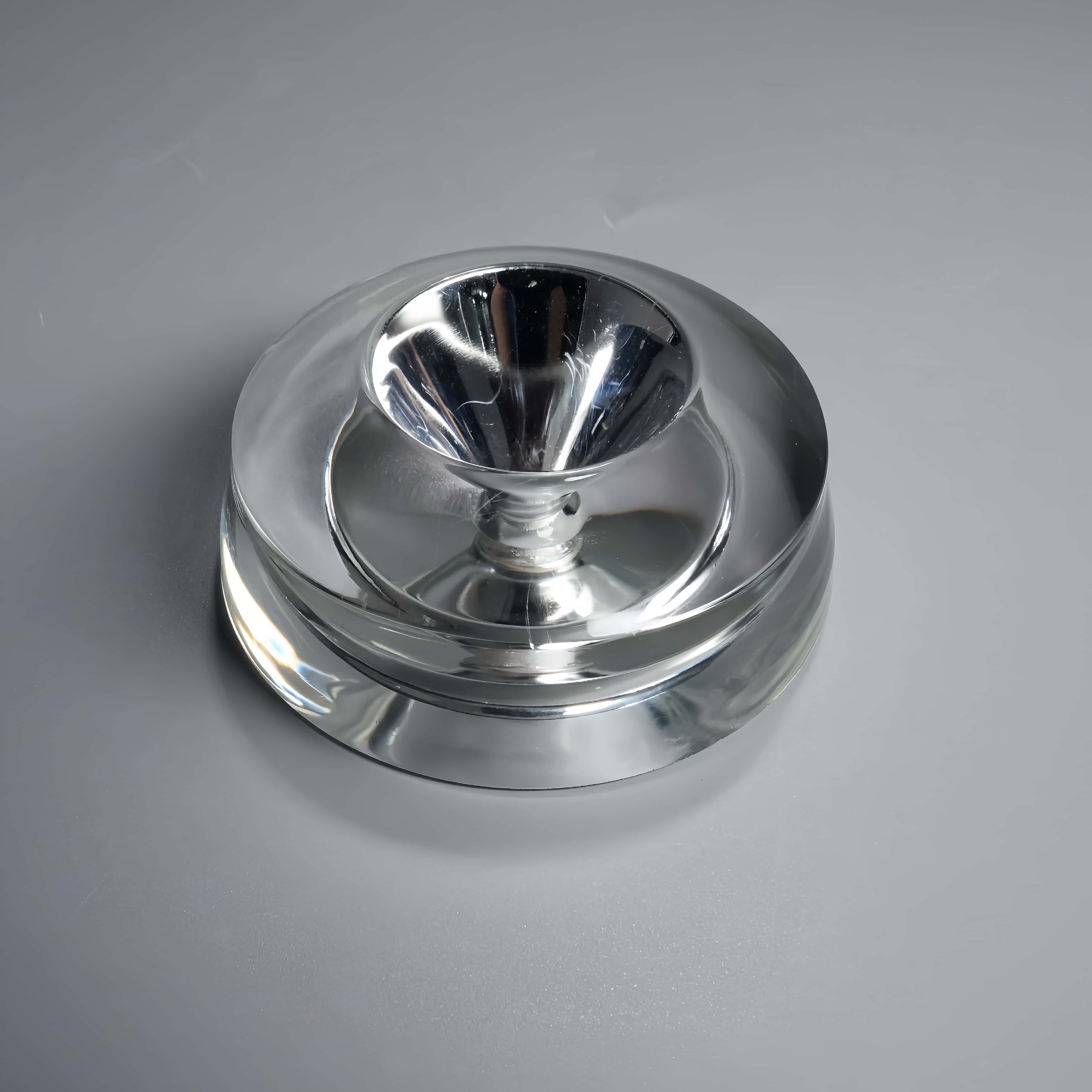
Factory China Custom Size Mold Pressed Borosilicate Bk7 K9 Eco-Friendly LED Optical Glass Lens for Taxiway Runway Airport Ground
- Custom size and mold-pressed forming
- For taxiway, runway and ground lighting
- Drawing-based tooling review
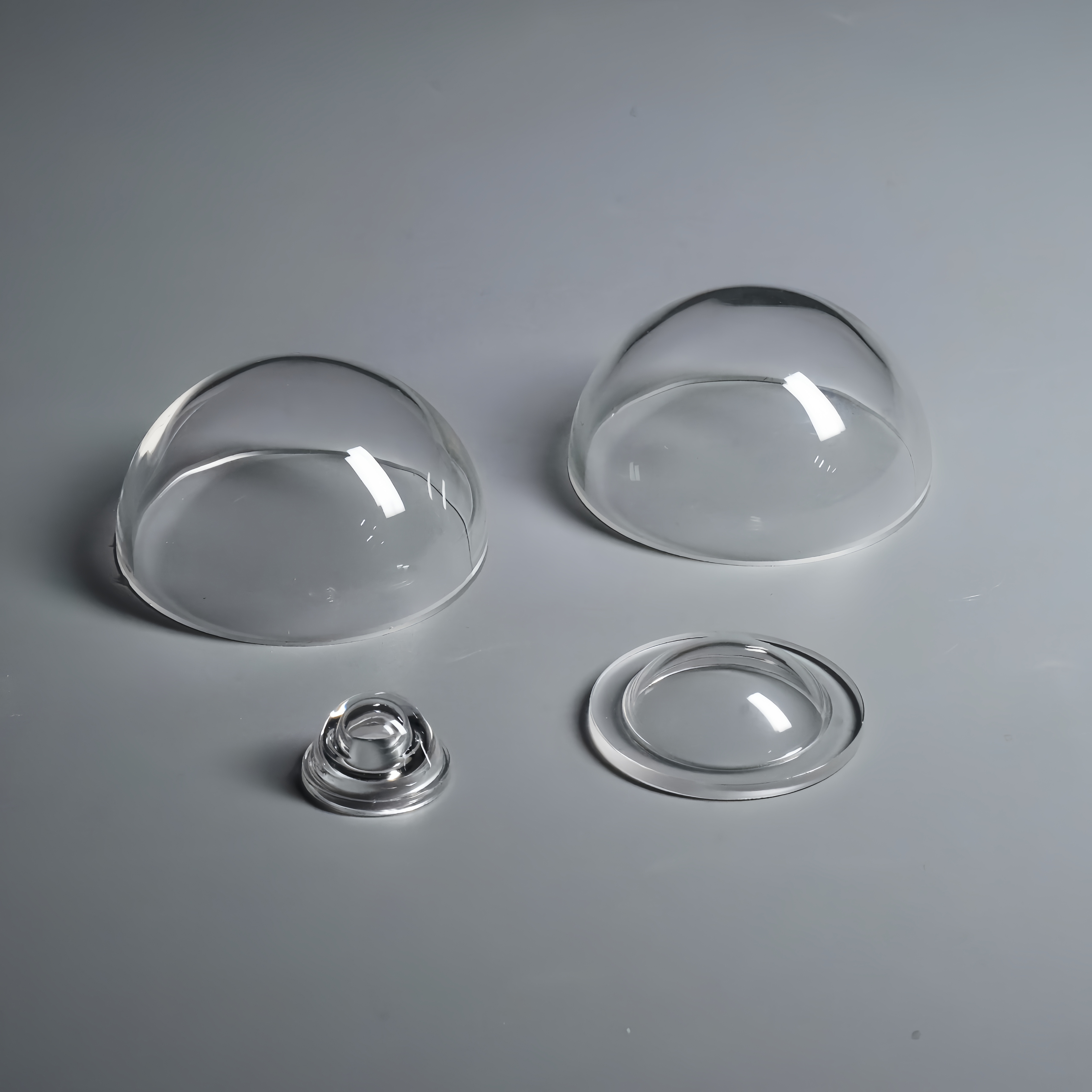
Mold Pressed Clear High Quality K9 Optical Dome Lens with Anti-Reflective Coating for Lighting OEM Customized Headlight Glass
- Clear K9 optical dome lens
- Anti-reflective coating options
- Customized headlight glass programs

Manufacturer OEM Transparent High Quality Precision Borosilicate UV Fused Silica Coated Glass Optical Window High Transmittance
- Borosilicate and UV fused silica options
- Coated optical window with high transmittance
- OEM thickness, size and flatness review
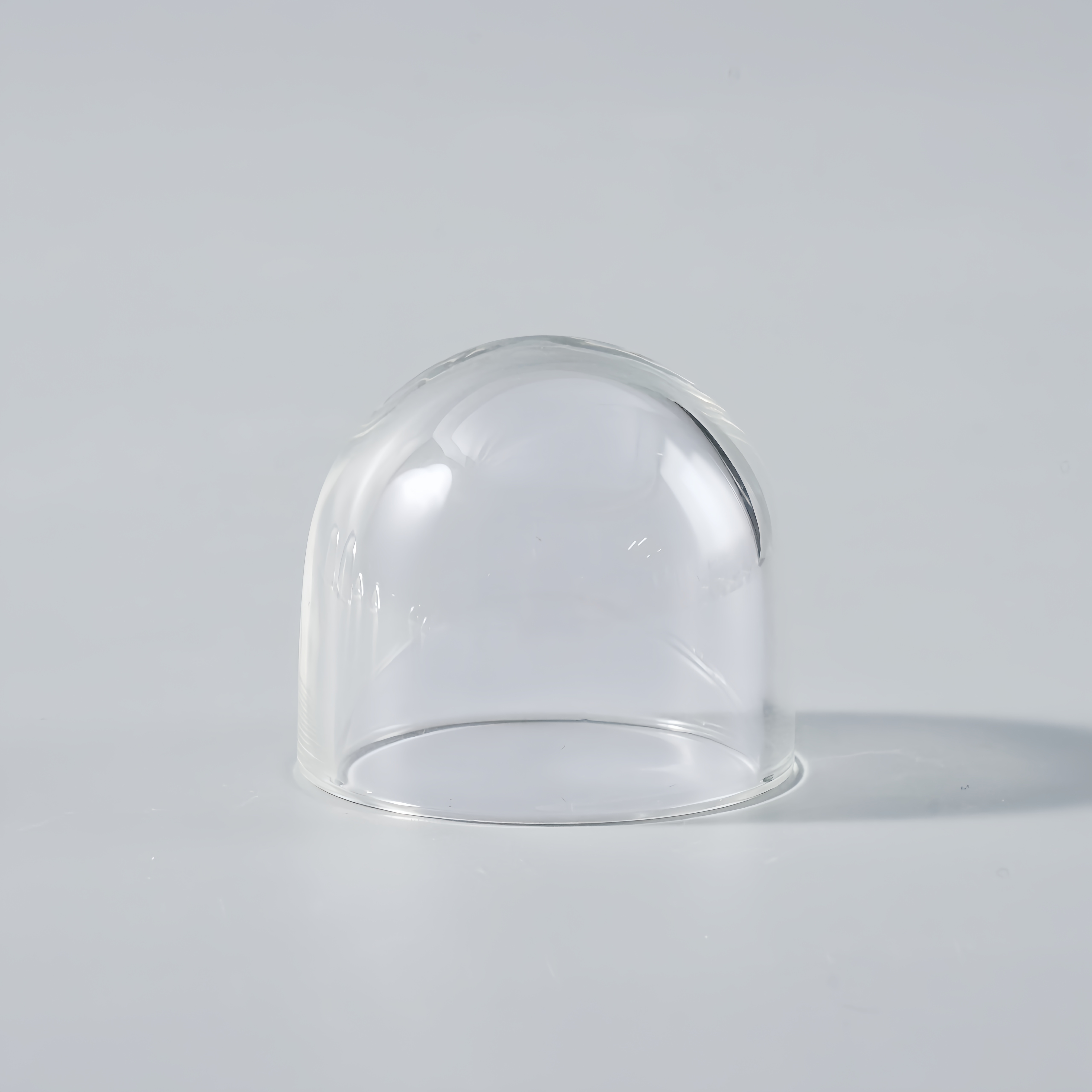
Customizable OEM Optical Glass Domes Broadband AR Coating Precision Hemispherical Windows for LiDAR Sensors Scientific
- Precision hemispherical optical windows
- Broadband AR coating for sensing systems
- Customization for LiDAR and scientific use

Factory Price Custom Precision Optical 1-200mm Clear BK7 Spherical Quartz Glass Half Ball Concave/Biconvex Lens Anti-Reflective
- 1–200 mm custom precision optical range
- BK7, quartz and spherical geometries
- AR coating and edge finishing review
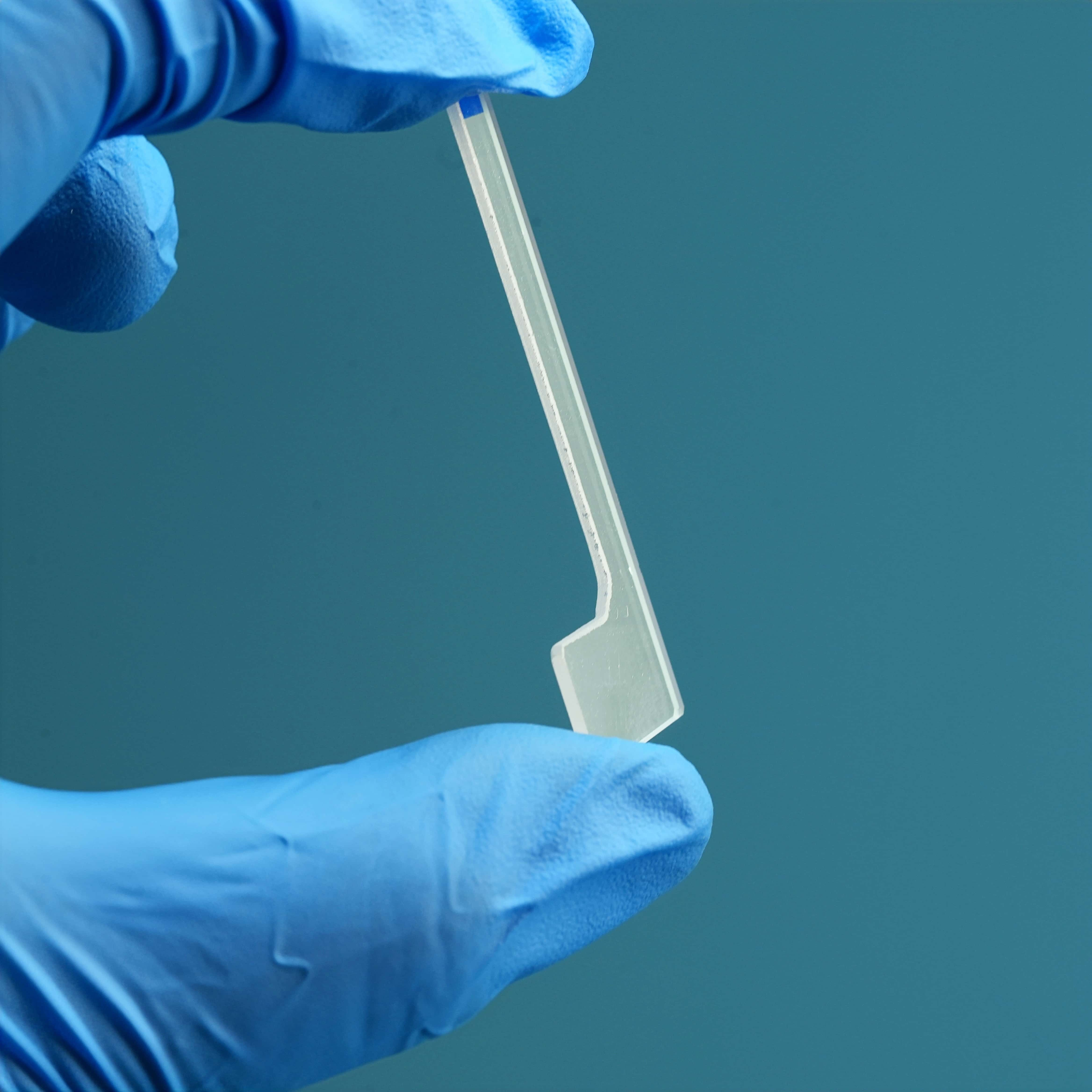
Anamorphic Prism Pair for Laser Beam Shaping Circularizing Elliptical Beams for Fiber Coupling Applications
- Anamorphic prism pair for laser systems
- Circularizes elliptical beams
- Fiber coupling and photonics applications

High Temperature Resistant Borosilicate Glass Fresnel Lens Anti-Reflective Coating High Power LED Collimation Stage Lighting
- High-temperature borosilicate Fresnel lens
- AR-coated high-power LED collimation
- Stage and entertainment lighting OEMs
Need a cross-reference, alternate AR wavelength, matched sample set or a quotation against your annual volume? Use the Inquire Now button and include a 2D/3D drawing, operating temperature and target quantity.
Semantic Search Intent: What Procurement Teams Actually Compare
A search for China wholesale micro lens factories & supplier mixes commercial investigation, supplier verification and technical due diligence. The most useful page answers capability, documentation, communication speed and supply continuity in one place.
From Search Intent to Supplier Shortlist
A query for China wholesale micro lens factories and supplier is not a single-intent keyword. It can be used by an engineer looking for a molded BK7 dome, a lighting OEM comparing borosilicate runway lenses, a LiDAR startup searching for hemispherical windows with broadband AR coating, or a distributor that needs a reliable export partner. Google’s semantic systems connect that query to entities such as optical glass factory, custom lens manufacturer, borosilicate supplier, AR coating service, precision optical window and drawing-based OEM/ODM glass processing. A supplier page should therefore answer capability, material, process, verification, MOQ and delivery questions without forcing the buyer to guess.
The most common sourcing mistake is to treat all Chinese micro lens suppliers as interchangeable. In practice, the market includes trading companies with limited process control, small grinding shops without export documentation, and integrated manufacturers that combine mold review, pressing, annealing, coating, inspection and export packing. Shanghai Tambi Glass Industrial Co., Ltd. belongs to the integrated group: a Shanghai-based manufacturer and trading company with more than 10 years of lighting and optical glass experience, 11–50 team members and US$2.5M–5M annual export revenue. Its advantage is not a catalog SKU; it is drawing-based problem solving for fixtures where heat, sealing, optical transmission and dimensional repeatability interact.
A useful supplier scorecard weights engineering review higher than unit price. Ask for DFM comments on wall thickness, draft angle, gasket sealing faces, optical axis alignment and coating masking. Ask how samples are measured, how annealed stress is controlled, and how fragile parts are separated for export. Then calculate total landed cost, including yield loss, re-inspection, expedited freight and the cost of a field failure. For high-power lighting and sensing products, the cheapest quotation often becomes the most expensive decision after thermal shock, coating degradation or tolerance stack-up triggers a return.
Example weighted supplier scorecard for micro lens sourcing
Use the weighting as a starting point and adjust it to your application risk. A runway light lens and a LiDAR dome may require different priorities.
Product Future Procurement Trends for Wholesale Micro Lenses
Buyers in Europe, North America and Asia are moving from catalog purchasing to evidence-based supplier selection. The next purchasing cycle will reward suppliers who can document decisions, not only quote a price.
Verified supplier data before RFQ
Procurement teams increasingly check onsite assessment, credit index, trade capacity, transaction level and trade history before sending a drawing. These records reduce the time needed for supplier qualification and help distinguish a real glass manufacturer from a broker.
Drawing-based RFQs and DFM feedback
The strongest RFQ includes a 2D/3D drawing, tolerance, material grade, coating requirement, gasket interface and annual volume. A supplier that returns DFM comments on draft, wall thickness and sealing faces is usually better prepared for mass production than one that only returns a price.
Prototype-to-volume flexibility
Optical projects often start with a sample quantity and scale after fit and light tests. Typical MOQs in this product family range from 50 pieces for optical lenses to 100–500 pieces for pressed or blown lighting covers, depending on whether an existing mold can be used.
Dual sourcing and supply continuity
Single-source risk is now part of the purchasing conversation. Buyers ask about mold ownership, process backups, packaging standards and documentation retention. A supplier with a broad material and forming portfolio can often propose an alternative without restarting the design.
Total landed cost modelling
Unit price alone hides breakage, rework, inspection, freight and inventory costs. Buyers increasingly compare quotations on total landed cost, including export packing, palletization, documentation and the cost of a failed fit during line assembly.
Traceability and inspection reports
Requests for material declarations, dimensional reports, coating data and visual inspection records are rising. Buyers want to know what was measured, which sample was approved and how packaging protects optical surfaces during sea or air freight.
Product Development Trends in Micro Lens & Optical Glass
The next generation of lighting, sensing and laser products places more demand on glass geometry, coating stability and assembly tolerance. Material choice must be decided before tooling, not after a failure.
Thermal-load driven material upgrades
High-power LEDs, stage fixtures and enclosed luminaires raise surface temperatures and thermal-shock risk. Borosilicate 3.3 is increasingly specified for covers, Fresnel lenses and domes where sudden rain or cold-water contact could crack ordinary glass.
AR coating for LiDAR and sensing
Broadband anti-reflective coating improves transmission and reduces stray reflections in hemispherical windows and optical domes. LiDAR, scientific instruments and machine vision systems require tighter coating uniformity and clearer documentation than standard lighting optics.
Domed, aspherical and compact geometries
Designers want fewer parts and closer optical integration. Mold-pressed domes, half-ball lenses, convex lenses and freeform-adjacent shapes reduce assembly steps but demand tighter mold review, annealing control and dimensional inspection.
Laser beam shaping and prism pairs
Fiber coupling and laser systems need controlled beam circularization. Anamorphic prism pairs and precision optical prisms are moving from laboratory prototypes to repeatable OEM production, with attention to angle tolerance, surface quality and coating damage threshold.
Tighter metrology and smaller batches
Optical buyers now request sample measurements before approval and lot-based inspection records after production. Small batches with clear measurement criteria are replacing vague “high quality” claims, especially for BK7/K9 lenses, domes and coated windows.
Certification-aware design
Glass for airport obstruction, runway and marine signal fixtures is often designed around FAA L-810 or EN 50293 requirements. The luminaire manufacturer holds fixture certification; the glass supplier must match color, transmission and dimensional specifications with reliable reports.
Material Selection Matrix for Micro Lenses and Lighting Glass
Selecting the correct glass early avoids cracked covers, coating loss and costly field returns. The values below are typical references; final specification should be confirmed against your drawing, lamp temperature and fixture standard.
| Material | Thermal expansion | Typical working temperature | Key engineering strength | Best-fit projects |
|---|---|---|---|---|
| Borosilicate 3.3 | ≈ 3.3 × 10⁻⁶/K | ≈ 450 °C | Excellent thermal-shock resistance | Explosion-proof shades, high-power LED covers, Fresnel lenses, runway light lenses |
| Tempered soda-lime | ≈ 9.0 × 10⁻⁶/K | ≈ 250 °C | High impact strength and economical cost | Outdoor covers, floodlight glass, vandal-resistant lenses |
| Fused quartz | ≈ 0.55 × 10⁻⁶/K | ≈ 1000 °C+ | UV transmission and extreme heat tolerance | UV optics, high-temperature windows, scientific instruments |
| Optical BK7 / K9 | ≈ 7.1 × 10⁻⁶/K | ≈ 300 °C | Homogeneous optical properties, nd ≈ 1.517 | Precision lenses, prisms, domes, mirrors and filters |
Information gain for buyers: request a material and coating recommendation together with the quotation. A borosilicate part may be right for thermal shock, while a BK7/K9 part may be better for imaging or laser transmission. The correct answer depends on the whole fixture, not one data point.
What Tambi Glass Adds to a Wholesale Micro Lens Project
Shanghai Tambi Glass Industrial Co., Ltd. supplies custom glass components to lighting and optical OEMs worldwide. The company combines a manufacturer and trading structure with drawing-based engineering, multiple glass processes and export experience.
Drawing-based OEM / ODM
Most orders are built around a 2D/3D drawing or physical sample. Senior lighting and molding engineers review wall thickness, draft, sealing faces, tolerance and optical path alignment before tooling starts.
Broad material and process range
Borosilicate, tempered soda-lime, fused quartz and BK7/K9 are supported across pressed, blown, ground and coated processes. This lets the supplier match the glass to heat, impact, transmission and cost targets.
Coating and optical finishing
AR coating, color coating and optical finishing are considered during quotation, not added as an afterthought. Buyers can discuss transmission targets, coating masking, edge finish and cosmetic criteria during sample review.
Quality control and sample approval
Projects move through drawing review, sampling, forming, annealing or tempering, coating, dimensional inspection and visual inspection. Clear checkpoints reduce surprises between approved samples and mass production.
Export packing and global support
Fragile glass parts are separated by foam or pulp dividers, packed in reinforced export cartons and palletized for sea or air freight. Custom packaging and labeling for distributors can be arranged.
Verification and fast response
An onsite-verified supplier profile, supplier assessment, credit index, trade capacity and trade history help procurement teams complete qualification faster. Average response time is within 6 hours for technical inquiries.

From Drawing to Delivery: A Controlled Six-Step Process
Clear checkpoints make it easier to compare quotations, approve samples and plan production. The process below is designed for custom glass parts where fit, heat and optical performance must be confirmed before volume production.
Drawing and application review
Share a drawing or sample with dimensions, tolerance, material, color, coating and operating temperature. The team reviews manufacturability and sealing interfaces.
Material and coating recommendation
Borosilicate, tempered soda-lime, fused quartz or BK7/K9 is matched to thermal load, impact risk, transmission target and cost expectation.
Mold and tooling decision
Existing molds may reduce MOQ and lead time. New tooling is reviewed for draft, shrinkage, parting line, optical axis and gasket fit.
Sampling and fit test
Samples are measured and sent for your fit, light and environmental evaluation. Coating and cosmetic criteria are confirmed before volume release.
Production, annealing and coating
Forming is followed by controlled annealing or tempering where required. Coatings and finishing steps are scheduled with inspection checkpoints.
Inspection, packing and export
Dimensional and visual inspection precedes divider packing, reinforced cartons and palletization for sea or air freight.
Where These Micro Lens and Optical Glass Parts Perform
Every application stresses glass differently. The right material and coating depend on heat, impact, salt spray, pressure, transmission and the standard your fixture must meet.
Airport and obstruction lighting
Borosilicate lenses and domes for runway, taxiway, obstruction and marine signal fixtures. For products designed to FAA L-810 or EN 50293 requirements, the glass supplier matches color, transmission and dimensions while the luminaire manufacturer holds fixture certification.
LiDAR, sensing and scientific instruments
Broadband AR-coated domes, hemispherical windows, optical windows, prisms and filters support sensing systems where transmission, coating uniformity and dimensional repeatability matter.
Stage, laser and industrial LED
High-temperature Fresnel lenses, BK7 lenses, prism pairs and coated components serve high-power LED collimation, laser beam shaping and fiber coupling applications.
Supplier Signals Procurement Teams Can Check
Independent records help buyers complete supplier qualification faster and compare a factory against trading companies that may not control the same processes.
Common Questions About China Wholesale Micro Lens Factories & Suppliers
These are the questions international buyers most often ask before sending a drawing, approving a sample or placing a wholesale order.
Can you manufacture micro lenses and optical glass parts to my own drawing?
What is the typical minimum order quantity for wholesale micro lens orders?
Should I choose borosilicate glass, tempered soda-lime, BK7 or fused silica?
Do you supply glass for FAA L-810 and EN 50293 lighting fixtures?
How fast do you reply to technical inquiries?
How are fragile optical glass parts packed for export?
What should I include in an RFQ to get an accurate quotation?
How do I compare a Chinese micro lens factory with a trading company?
Have a Drawing or Annual Volume? Get an Engineering Review Within 6 Hours.
Share your dimensions, material, operating temperature, coating requirement and target quantity. The team will suggest a reliable glass solution for your fixture and help you compare the right process before you commit to tooling.