8 Optical Glass Products for Fresnel Lens & Lighting OEMs
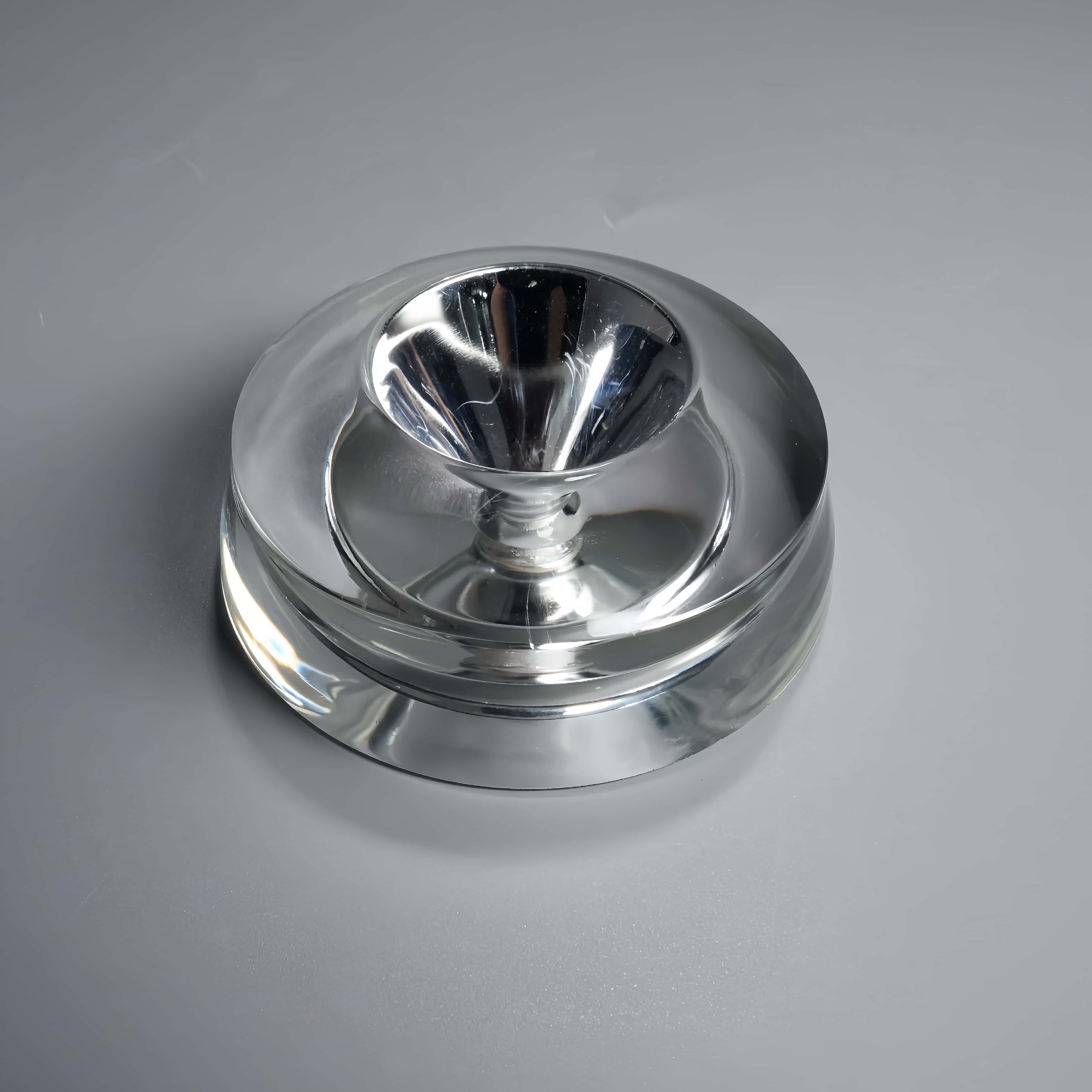
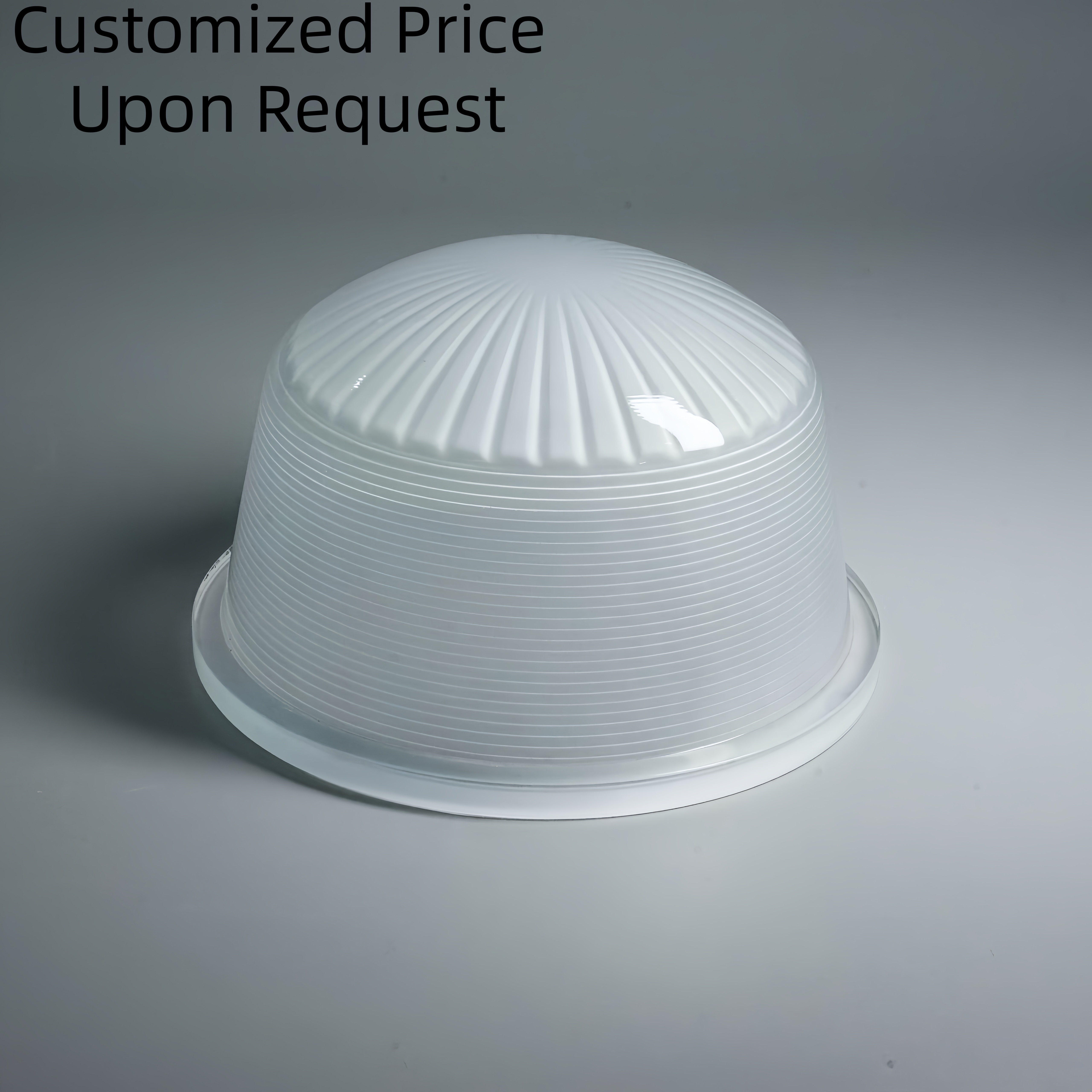
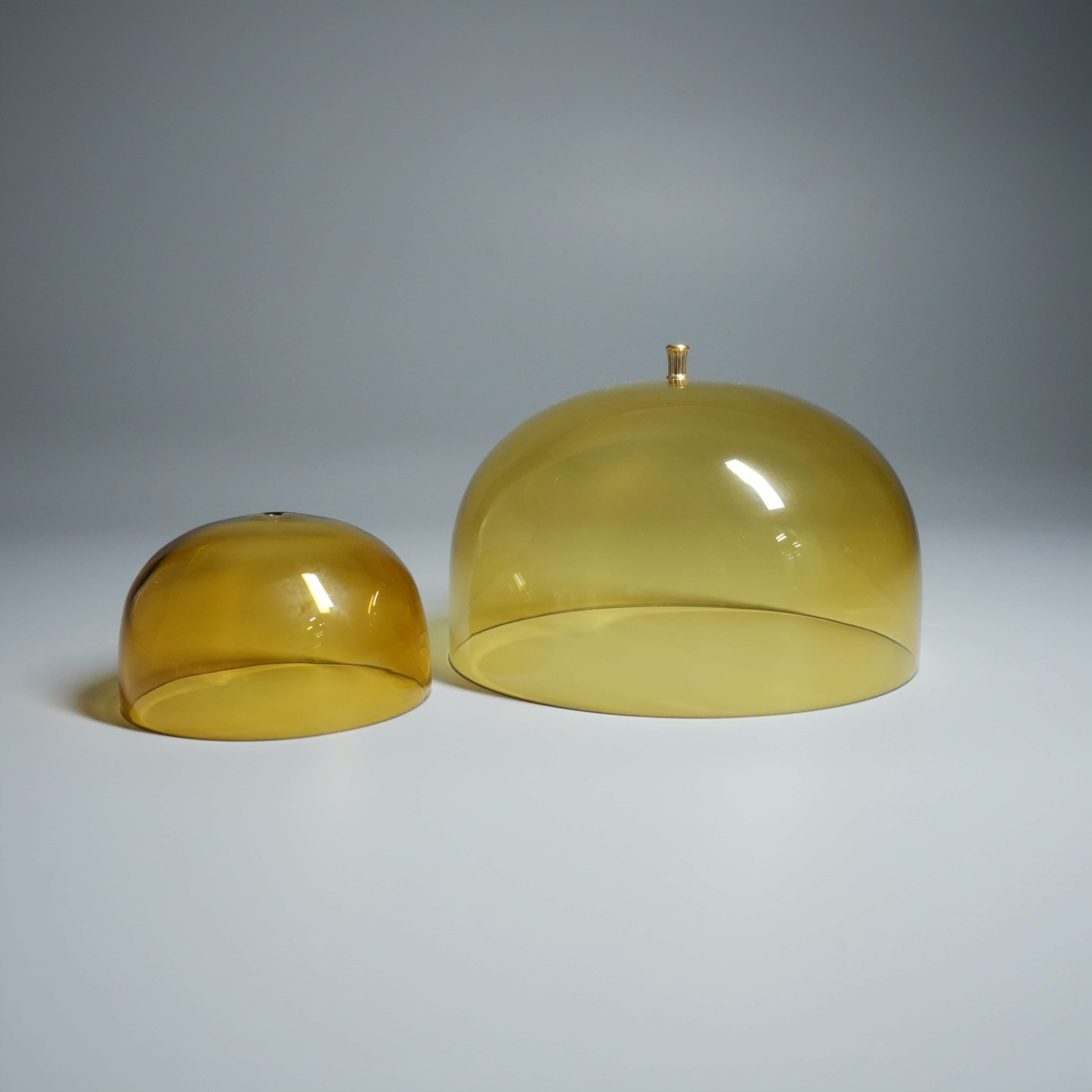
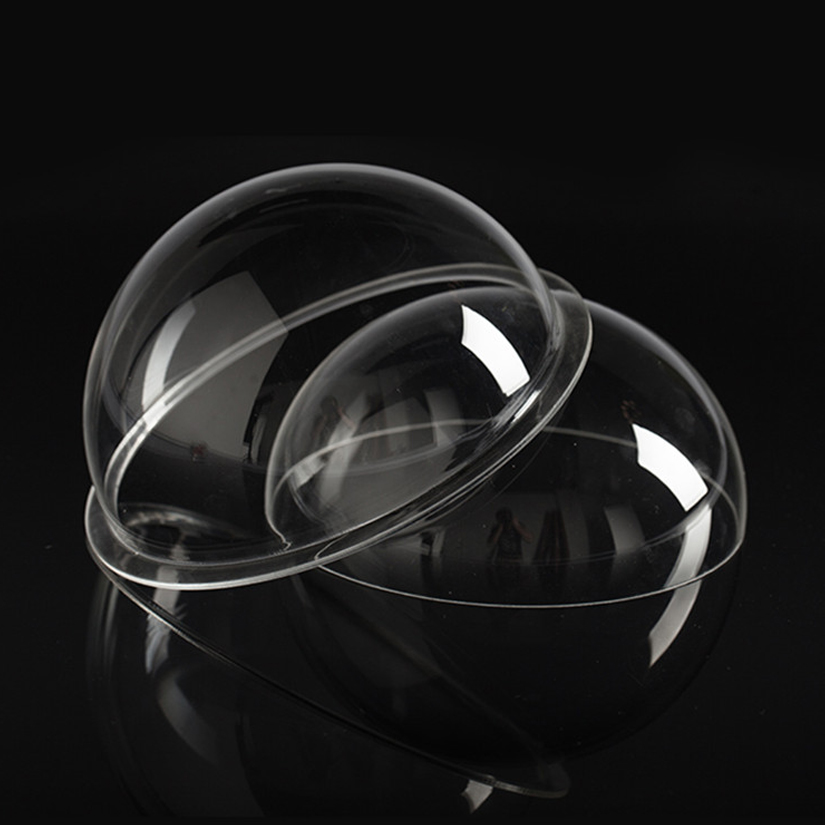
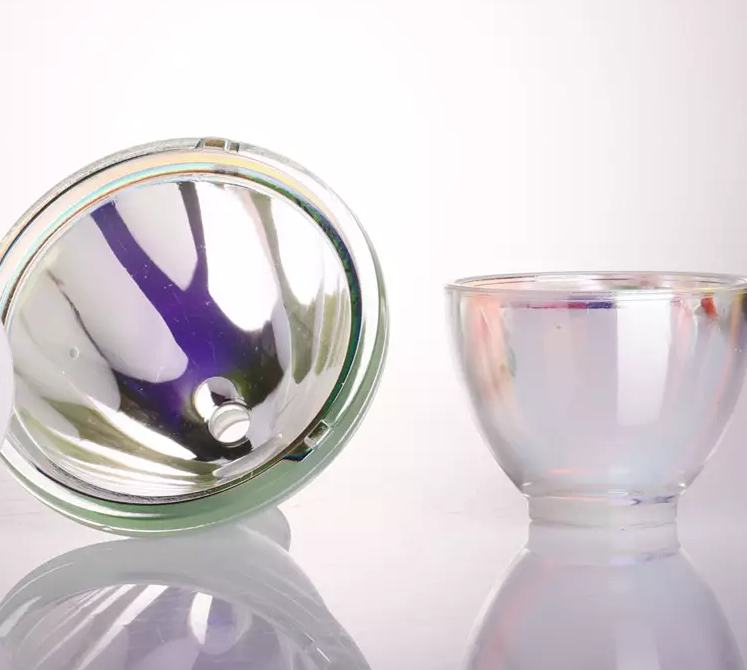
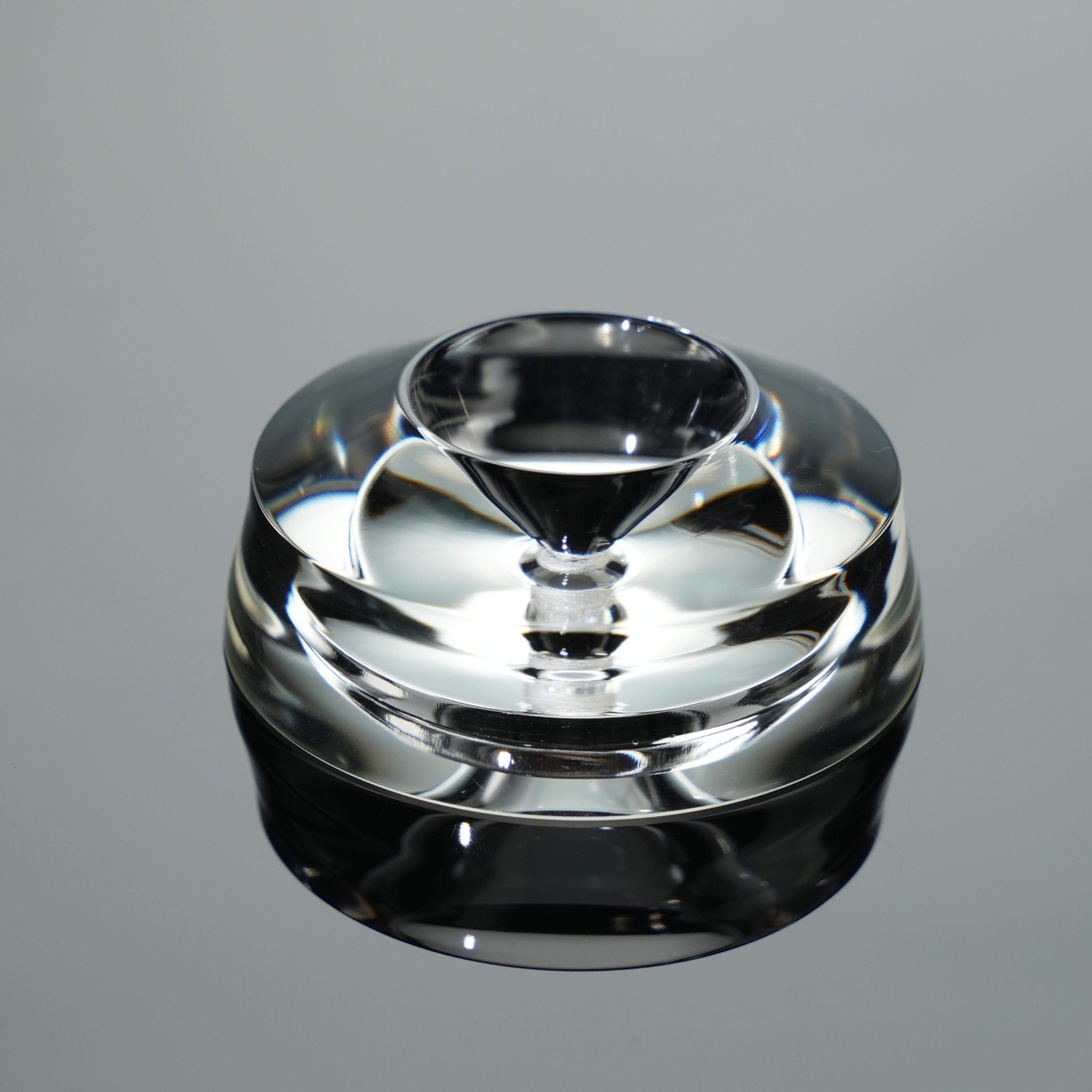
The product grid below is a practical starting point for buyers comparing China wholesale Fresnel lens suppliers and custom optical glass wholesalers. These eight references cover AR-coated optical windows, mold-pressed LED lenses, explosion-proof shades, chemical-resistant covers, IP camera domes, COB reflectors, FAA-oriented runway lenses and heat-resistant headlight covers. Every item can be adapted for size, glass grade, edge finish, coating, color, sealing face and annual volume. When a public product page is not yet available for your exact drawing, use the inquiry button and our engineers will review your 2D/3D data, surface temperature, IP rating and light distribution target.


What Procurement Teams Should Verify in a China Wholesale Fresnel Lens Wholesaler
Fresnel lenses are optical components, not commodity glass. Buyers searching for China wholesale Fresnel lens suppliers are usually comparing optical efficiency, thermal reliability, coating durability, drawing support and repeatability — not simply price per piece. A reliable wholesaler should be able to show how your drawing moves through material selection, mould making, forming, annealing, coating, inspection and export packing without losing accountability between departments.
China has a mature supply base for glass Fresnel lenses, pressed lenses, AR-coated optics, borosilicate lighting covers and signal-light glass. The category is broad, however: some suppliers are trading offices, some are pressing factories, and a smaller number combine optical design, glass material knowledge, tooling, finishing and export quality control under one process. For OEM procurement, the strongest partner is the one that can explain why a specific glass grade, surface finish, annealing cycle and coating will meet your fixture’s operating conditions.
Shanghai Tambi Glass: An Engineering-Led Fresnel Lens Wholesaler
Shanghai Tambi Glass Industrial Co., Ltd. is a manufacturer and trading company based in Shanghai, China. The company has more than 10 years of experience in lighting glass, a team of 11–50 people and annual export revenue in the US$2.5M–5M range. Tambi supports drawing-based OEM/ODM production for borosilicate covers, explosion-proof lampshades, signal light domes, glass lenses, prisms, Fresnel optics, bandpass filters and optical windows. Its senior lighting and mould engineers review every drawing for wall thickness, draft, sealing faces, optical path alignment and annealing risk before tooling starts. That early review is often where cost is removed and field failures are prevented.
Drawing-Based DFM Review
Send a 2D/3D drawing or sample. Engineers assess wall thickness, draft, tolerance, gasket faces, focal geometry and inspection access before mould investment.
Broad Glass Material Options
Borosilicate 3.3, tempered soda-lime, fused quartz, K9/BK7, B270 and other optical grades are matched to temperature, impact, color and transmission targets.
Optical Finishing Under One Supply Chain
Pressed, blown, ground, polished, annealed or tempered parts can be paired with AR coating, bandpass filtering and color control.
Application Experience
Projects span airport runway and obstruction lighting, marine signals, explosion-proof industrial fixtures, stage lighting, LiDAR domes, medical equipment and horticulture optics.
Traceable Quality Control
Dimensional, visual, coating and material checks are documented. Inspection plans can be agreed for aviation, marine, medical and automotive programmes.
Verified Supplier Records
Third-party supplier assessment, credit index, transaction level, trade capacity, trade history and buyer reviews are available for procurement qualification.
Custom borosilicate and optical glass production

Production workshop and glass forming line in Shanghai

Dimensional and visual inspection before export packing
Content reviewed by the Tambi Glass lighting and optical engineering team. Final specifications are project-specific and confirmed against the approved drawing, sample and purchase order.
Fresnel Lens Product Development Trends Shaping Wholesale Demand
Fresnel lens design is moving from a single grooved glass disc toward an engineered optical assembly. Demand is increasing for thinner profiles, tighter beam control, better thermal margin, durable AR coating and integration with sealed luminaires. For wholesalers and OEM buyers, these trends change the questions to ask during sourcing: What is the maximum LED power? How is heat conducted away from the lens? What transmission and color stability are required after aging? What coating durability is needed for outdoor use?
Higher Optical Efficiency
Fresnel grooves, surface finish and AR coating are being tuned together to reduce reflection and improve usable beam intensity. A 1–3% transmission gain can matter in airport, marine and high-mast lighting.
Thermal Reliability at Higher LED Power
Borosilicate 3.3 remains a preferred material where high-power LEDs create heat and outdoor fixtures face rain-driven thermal shock. Annealing control is as important as glass grade.
Miniaturization for LiDAR and Instruments
Smaller lenses and hemispherical windows require tighter tooling, cleaner surfaces and better dimensional repeatability for sensing modules and compact optical instruments.
Spectral Precision and Durable AR Coating
Color filters, bandpass filters and AR coatings are specified with clearer transmission targets, adhesion requirements and environmental test conditions.
Seal-Ready Geometries for IP68 Assemblies
Lenses are increasingly designed with gasket lands, controlled flatness and edge finishes that support sealed outdoor housings, camera domes and in-pavement lights.
Repeatable Manufacturing and Sustainability
Distributors want consistent lot-to-lot output, less breakage, recyclable packing and documentation that supports sustainability and quality audits.
Future Procurement Trends for Wholesale Fresnel Lenses
Wholesale buying is becoming more technical and more risk-aware. Price still matters, but procurement teams are also evaluating supplier verification, engineering response, tooling ownership, shipment reliability and the cost of a failed installation. The following trends are especially relevant for distributors and OEMs sourcing from China in 2025 and beyond.
Consolidation Around Verified Suppliers
Buyers are reducing the number of unverified trading intermediaries and moving toward suppliers with documented premises, export records and engineering accountability.
Drawing-Based Mixed MOQs
OEMs need prototype quantities, pilot batches and serial production from the same partner. Flexible MOQs and existing mould options help distributors test demand without overstocking.
Total Landed Cost Over Piece Price
Breakage rate, packing quality, inspection records, lead time and rework risk often outweigh a small unit-price difference in glass optical components.
Dual Sourcing Without Duplicating Tooling
Procurement teams want contingency plans but rarely want to pay for two full tooling programmes. Clear tooling ownership and sample documentation become strategic assets.
Faster Prototyping and Engineering Feedback
A response within hours, not weeks, shortens product development. Technical suppliers use drawings, samples and application data to recommend material and coating routes quickly.
Digital Traceability and Compliance Evidence
Material reports, dimensional records, coating data and packing photos are increasingly requested before shipment, especially for aviation, marine and medical projects.
Fresnel Lens Material Selection Guide
Material selection is the first decision because it governs thermal shock resistance, maximum operating temperature, impact behavior, optical transmission and coating compatibility. The values below are typical engineering references; the final specification must be confirmed against your drawing, lamp surface temperature, impact rating, sealing method and fixture certification.
Borosilicate 3.3
CTE: ≈3.3 × 10⁻⁶/K; typical maximum working temperature ≈450 °C. Best for high-power LED Fresnel lenses, explosion-proof shades, stage lighting and parts exposed to rain on hot glass.
Tempered Soda-Lime
CTE: ≈9.0 × 10⁻⁶/K; typical maximum ≈250 °C. Higher impact strength and lower cost for outdoor covers, floodlights and vandal-resistant lenses where heat load is moderate.
Fused Quartz
CTE: ≈0.55 × 10⁻⁶/K; usable above 1000 °C. Selected for UV optics, high-temperature windows and applications where thermal expansion must be extremely low.
Optical K9 / BK7 / B270
Refractive index: nd ≈1.517 for K9/BK7; B270 offers good transmission for windows and covers. Used for precision lenses, prisms, filters and optical windows requiring homogeneous glass.
Need help choosing between borosilicate, tempered soda-lime, fused quartz and optical K9/BK7? Send your operating conditions and annual volume through the inquiry button. Tambi engineers will recommend a material and sample route.
Where Wholesale Fresnel Lenses and Optical Glass Are Used
Application conditions should drive the glass grade, surface finish and coating. A runway lens, a marine signal cover, a stage Fresnel lens and a LiDAR dome may all use optical glass, but they do not fail for the same reasons.
Airport & Aviation
Runway edge, taxiway, obstruction and in-pavement lights require stable color, beam cutoff and sealed assemblies. Heat-resistant borosilicate lenses are common where LED power and thermal cycling are high.
Marine & Offshore
Navigation and signal lights face salt spray, UV and vibration. Pressed or hand-blown covers in clear, red and green glass must maintain color and mechanical fit.
Stage & Entertainment
Fresnel spotlights and high-power LED fixtures need controlled beam angle, high transmission and resistance to thermal shock. AR-coated borosilicate Fresnel lenses reduce glare losses.
LiDAR & Scientific Instruments
Hemispherical domes, windows and bandpass filters support sensing, ranging and optical analysis. Cleanliness, coating and dimensional repeatability are critical.
Industrial & Hazardous Areas
Explosion-proof lampshades, emergency light covers and chemical-resistant glass protect fixtures in oil, gas, chemical and dusty workshops.
Horticulture & Outdoor LED
Convex lenses, COB reflectors and IP68 lenses help shape light for indoor farming, floodlights and street lighting while resisting UV and moisture.
A 6-Point Audit for China Wholesale Fresnel Lens Suppliers
Use these checks to compare suppliers beyond quotation. A supplier that can answer them clearly is usually better prepared for repeat production, engineering changes and export documentation.
Drawing & DFM Capability
Ask for feedback on wall thickness, draft, focal geometry, tolerances and sealing surfaces before tooling. A supplier that only says “no problem” without questions may transfer risk to you.
Mould & Tooling Control
Confirm whether the mould is new or existing, who owns it, how samples are measured and how tooling maintenance is handled over the programme.
Optical Measurement
Check how beam angle, focal length, transmission, surface defects, bubbles and coating performance are inspected — and whether records can be supplied with each lot.
Material & Coating Certification
Request glass grade data, CTE and temperature information, coating durability data and material traceability for safety-related or outdoor products.
Thermal & Environmental Validation
For high-power LED, aviation, marine or hazardous-area use, discuss thermal shock, IP sealing, UV exposure and color stability during the sample stage.
Export Packing & Lead Time
Review divider design, carton strength, palletisation, labeling and freight method. Fragile glass economics can collapse if packaging is under-specified.
A Controlled Workflow for Custom Fresnel Lens Projects
A clear six-step workflow reduces surprises between sample approval and mass production. Customers can participate at each checkpoint, from material selection to final packing review.
Drawing Review
2D/3D drawing or sample reviewed for manufacturability, tolerances, optical path, sealing faces and inspection plan.
Material & Mould
Glass grade, coating and tooling route are selected. Existing moulds may shorten lead time; new moulds are reviewed before cutting.
Sampling
Samples are produced, measured and sent for your fit, optical and environmental evaluation.
Forming & Annealing
Pressing, blowing or grinding is followed by controlled annealing or tempering to relieve stress and improve reliability.
Coating & Quality Control
AR coating, color control, dimensional checks, visual inspection and material reporting are completed before packing.
Export Packing
Foam or pulp dividers, reinforced cartons and palletisation are prepared for sea or air freight, with custom labels if required.
Verification and Supplier Transparency
Wholesale Fresnel lens procurement often supports safety-related lighting or optical systems. Procurement teams need more than a catalogue. Tambi Glass publishes supplier assessment, credit, transaction and trade records so buyers can qualify the company before a sample order. Material reports, dimensional inspection records, coating data and packing photos can be requested before shipment. The average technical response time is within 6 hours, and factory video calls or third-party audits are welcome.
Supplier Assessment
Third-party verification of legal status and premises.
View report →Credit Index
Business credit and compliance overview.
Check credit →Transaction Level
Recorded online transaction performance.
See level →Trade Capacity
Export markets, terms and logistics capability.
View capacity →Trade History
Historical shipment and order records.
See history →Ratings & Reviews
Feedback from buyers who ordered from us.
Read reviews →Company profile and factory video: About Tambi Glass · Watch the factory video.
Wholesale Fresnel Lens FAQ for OEM Buyers
These are the questions technical buyers ask most often when comparing China wholesale Fresnel lens suppliers. For drawing-specific advice, contact the engineering team directly.
What does a China wholesale Fresnel lens supplier do for an OEM project?+
Can you manufacture custom Fresnel lenses, domes and covers from my drawing?+
What MOQ applies to wholesale Fresnel lenses and optical glass?+
Which glass is best for a high-power LED Fresnel lens?+
Can you add AR coating, color or bandpass filtering?+
Do you support FAA, EN 50293 or IP68 lighting projects?+
How do you control quality before shipment?+
How fast are quotations and how are fragile lenses shipped?+
Have a Fresnel Lens Drawing? Let Our Engineers Review It.
Share dimensions, focal length, material, coating, operating temperature, IP requirement and annual volume. Tambi Glass will respond with manufacturability feedback, a sample route and a wholesale quotation — usually within 6 hours.
Contact UsOr email info@tambiglass.com with your drawing and annual demand.