China Wholesale Double Concave Lens Suppliers & Wholesalers
An evidence-led sourcing guide for optical OEMs, distributors and project buyers comparing China wholesale double concave lens suppliers, biconcave optical glass manufacturers and custom lens wholesalers — with product recommendations, procurement trends, material selection and engineering-review support.
8 Precision Glass Products for Wholesale Optical Sourcing
The eight products below represent the precision glass portfolio behind many China wholesale double concave lens sourcing projects: custom optical windows, lenses, domes, Fresnel optics, reflectors and coated glass components. For a biconcave optic, send radii, center thickness, edge thickness, diameter, clear aperture, tolerance and coating requirement.
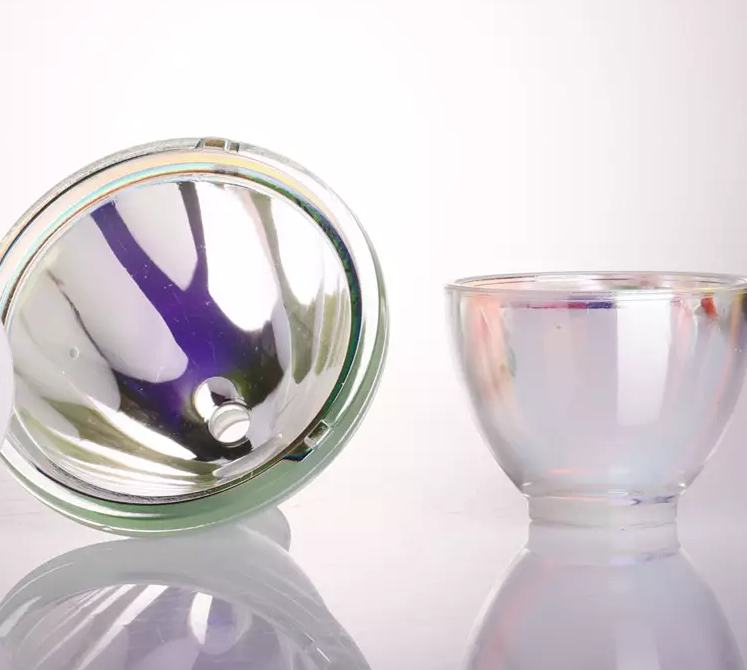
COB Glass LED Reflector Bowl Manufacturer Deep Design Perfect Beam Spotlights Projector Lights 20 60 90 Beam Angle
Reflector Optics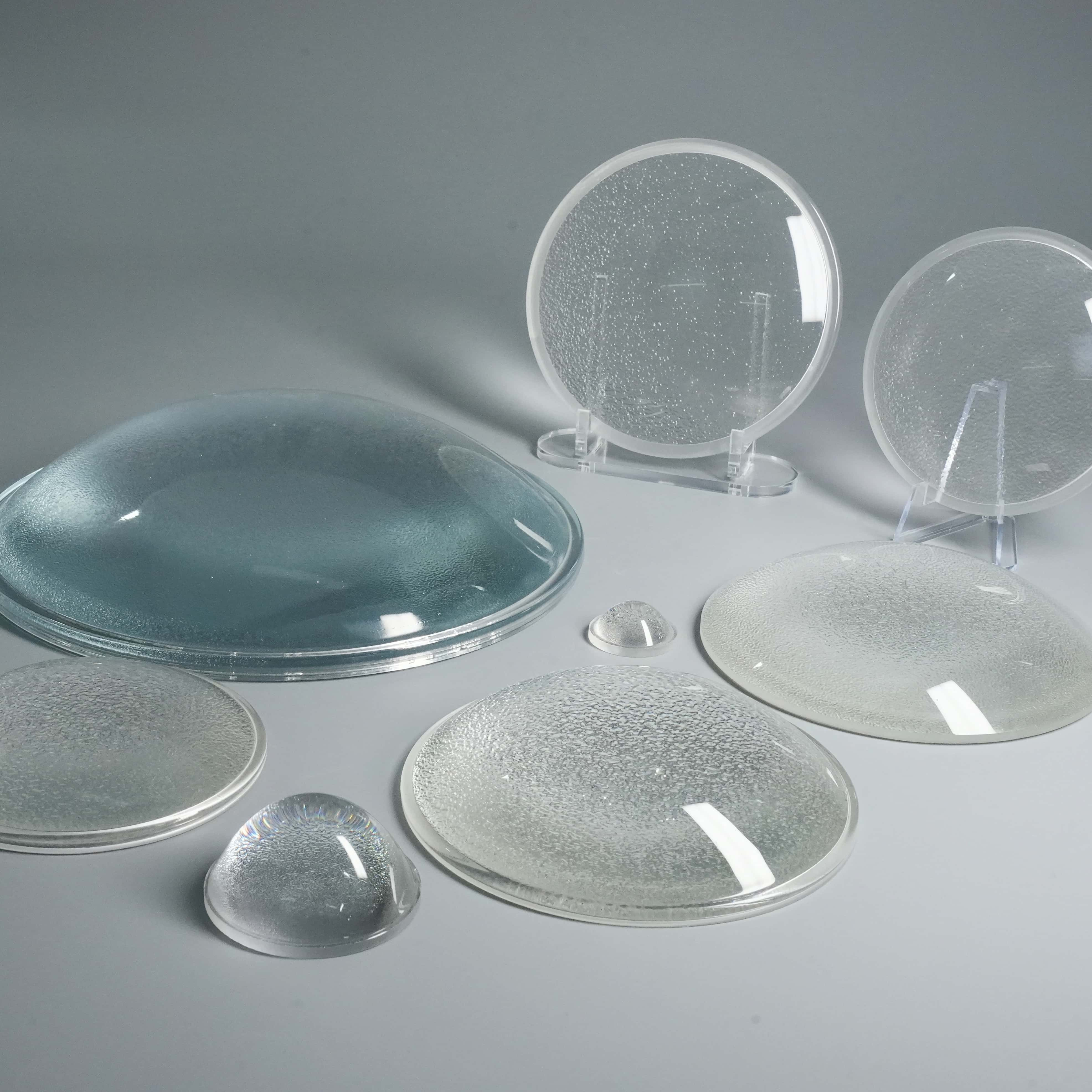
Bo Glass Asymmetric LED Lens Roadway Street Light Reduces Light Pollution Glare Borosilicate Glass UV Protection OEM
Street Lighting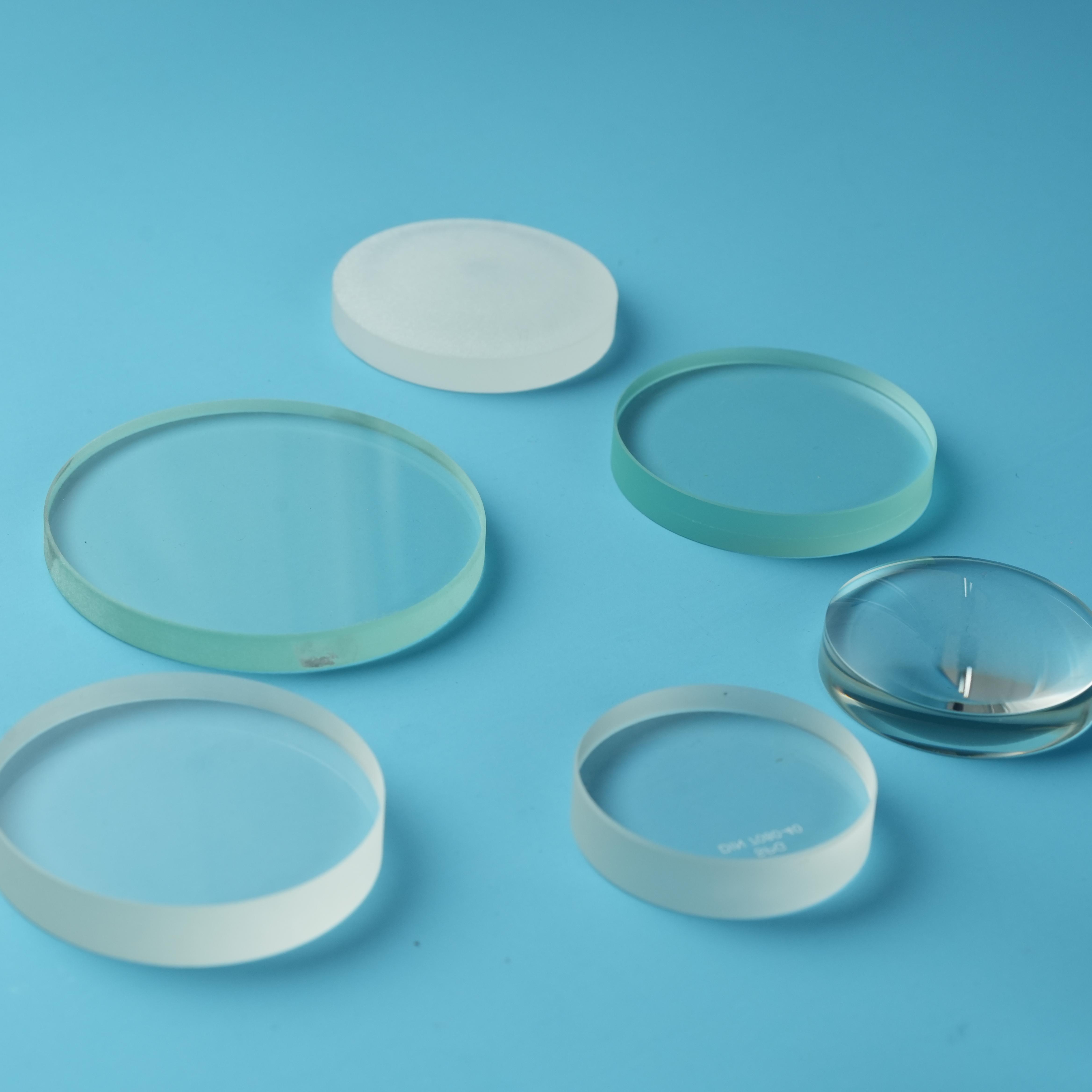
Custom OEM Bo Glass Clear Borosilicate K9 Bk7 B270 Fused Silica Anti-Reflective Coated Square Optical Window 50mm Diameter
Optical Window


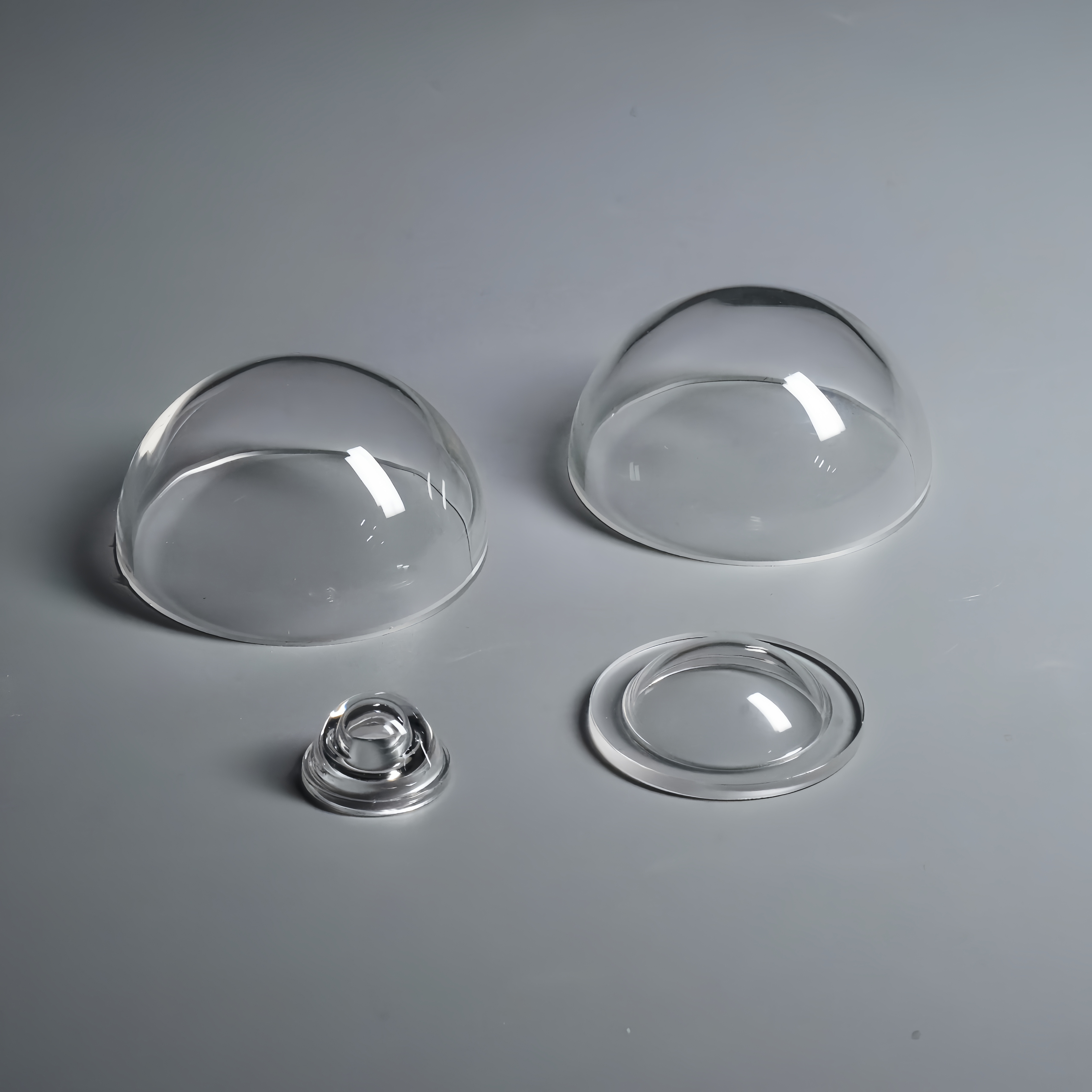
Why China Wholesale Double Concave Lens Suppliers Are Part of a Larger Optical Supply Strategy
A double concave lens, also called a biconcave lens, has two inward-curving optical surfaces. It diverges a light beam, expands laser light, balances aberration in compound optical systems, and supports inspection equipment, sensor modules, laser assemblies, medical instruments, LED modules and analytical devices. For wholesale buyers, the lens may be small, but the qualification burden is large: a low piece price can be cancelled out by inconsistent radii, coating failure, edge chips, undocumented material batches, or fragile export packing.
China’s optical glass supply chain is deep. Buyers can find grinding, polishing, coating, annealing, metrology and assembly services within a mature industrial network. However, not every China wholesale double concave lens supplier or wholesaler offers the same level of engineering review. A quotation that lists only diameter and focal length can hide critical variables such as center thickness, edge thickness, clear aperture, surface irregularity, centration, scratch/dig specification, coating bandwidth and environmental durability. Procurement teams should compare suppliers by information quality, not by unit price alone.
This guide is published by Shanghai Tambi Glass Industrial Co., Ltd., a Shanghai-based manufacturer and trading company serving lighting and optical OEMs worldwide. Our experience covers borosilicate glass covers, explosion-proof lampshades, signal light domes, LED lenses, Fresnel lenses, prisms, optical windows and coated glass components. For buyers sourcing double concave lens wholesale from China, the same discipline applies: define the optical function, confirm the material, lock the drawing, verify the first article, and protect the parts in transit.
Material Selection for Double Concave Lenses and Related Optical Glass
Material selection is the first procurement decision. For a biconcave lens, it affects refractive index, dispersion, thermal shock resistance, transmission range, weight, coating adhesion and total cost.
| Material | Thermal Expansion | Typical Max. Working Temp. | Key Strength | Best For |
|---|---|---|---|---|
| Borosilicate 3.3 | ≈ 3.3 × 10⁻⁶/K | ≈ 450 °C | Excellent thermal-shock resistance | High-power LED covers, explosion-proof shades, thermal-cycle optics |
| Tempered soda-lime | ≈ 9.0 × 10⁻⁶/K | ≈ 250 °C | High impact strength and economical cost | Outdoor covers, floodlight glass, cost-sensitive lenses |
| Fused quartz / silica | ≈ 0.55 × 10⁻⁶/K | ≈ 1000 °C+ | UV transmission and extreme heat resistance | UV optics, laser windows, high-temperature instruments |
| Optical BK7 / H-K9L | ≈ 7.1 × 10⁻⁶/K | ≈ 300 °C | Homogeneous optical properties, nd ≈ 1.517 | Precision lenses, prisms, mirrors, filters, double concave optics |
Typical reference values only. Final specifications must be confirmed against the drawing, lamp surface temperature, impact rating, coating requirement and the standard your fixture must meet.
China Wholesale Double Concave Lens Procurement Trends 2025–2028
Buyers are moving from informal price comparison to drawing-led, evidence-based supplier qualification. The four trends below are shaping how double concave lens wholesalers and optical OEMs will buy from China.
Drawing-Led RFQs Become Standard
Buyers now send STEP, PDF or 2D drawings with radius of curvature, center thickness, edge thickness, clear aperture and coating curves. Suppliers that cannot interpret tolerances will lose qualified projects.
Total Landed Cost Replaces Lowest Price
Procurement teams are calculating breakage, replacement, coating life, incoming inspection and line downtime. A slightly higher lens price can be cheaper when the supplier provides stable first-article quality and export packing.
Dual Sourcing and Supplier Consolidation
Optical OEMs want a qualified backup source without multiplying project-management costs. Manufacturer-trading companies that coordinate multiple glass processes can simplify supplier consolidation while preserving flexibility.
Traceability and Audit Readiness
Material certificates, inspection reports, coating batch records and RoHS/REACH documentation are becoming normal RFQ attachments. Suppliers should be ready for video audits, sample retention and change notification.
Double Concave Lens Product and Manufacturing Trends
Higher Precision at Volume
Grinding, polishing and molding are moving closer together. Buyers expect tighter radius control, lower surface irregularity and cleaner edges without sacrificing repeatability at wholesale volumes.
Coatings Built for Real Use
Broadband AR coatings, hard coatings and environmentally durable layers are increasingly specified. Double concave lenses for laser or UV systems need coating designs that balance transmission, adhesion and laser damage threshold.
Miniaturization and Integration
Sensors, LiDAR, medical devices and compact instruments are pushing smaller diameters and thinner edge profiles. Suppliers must control centration and packaging for small, fragile optical parts.
Material Diversification
BK7 remains common for visible instruments, while fused silica, borosilicate and B270 are selected for thermal, UV or cost targets. Edge blackening and custom chamfers are increasingly requested to reduce stray light.
How to Qualify China Wholesale Double Concave Lens Suppliers
A double concave lens should not be purchased as a commodity without a technical checklist. The following six modules help procurement teams compare suppliers with greater confidence.
Drawing and Design Review
Confirm that the supplier reviews radii, center thickness, edge thickness, clear aperture, chamfer and coating zone before quoting. A serious supplier will flag manufacturability risks early.
Material and Batch Traceability
Ask for material grade, refractive index data, thermal expansion and batch identification. For sensitive optical systems, request certificates and change-notification procedures.
Grinding, Polishing and Centration
Surface quality depends on process control, not only final inspection. Check scratch/dig capability, irregularity control, centration method, edge-chip limits and cleaning before coating.
Coating and Environmental Durability
AR coatings should be specified by wavelength range, reflectance target, adhesion, abrasion resistance and humidity test. For laser optics, discuss damage threshold and coating lot consistency.
Metrology and First Article Inspection
Request a first article report with dimensions, surface quality, focal length or radius verification, coating transmission and visual inspection. Keep approved samples as the reference for mass production.
Packing, Logistics and Communication
Fragile optics need foam or pulp dividers, reinforced cartons and palletization. Responsive communication within hours, not days, is a practical indicator of project support quality.
Inside the Tambi Glass Advantage for Double Concave Lens Buyers
Shanghai Tambi Glass Industrial Co., Ltd. is a manufacturer and trading company based in Shanghai, China. Our team of 11–50 people supports OEM and ODM buyers with drawing-based production of custom borosilicate glass covers, explosion-proof lampshades, signal light domes, LED lenses, Fresnel lenses, prisms and optical filters.
For optical buyers, our advantage is not a catalog of standard parts. It is the engineering discipline behind each quotation. Our senior lighting and molding engineers review every drawing for wall thickness, draft, sealing faces and optical path alignment before tooling starts. This matters for double concave lens projects because a small change in edge thickness, radius tolerance or coating zone can affect fit, beam divergence and assembly yield.
We combine pressed, blown, ground and coated processes under one supply chain. That flexibility helps when a wholesale inquiry includes both a custom biconcave lens and related glass components such as domes, windows or reflectors. We work with long-term partners in Europe, North America and Japan, and our annual export revenue is in the US$2.5M–5M range. Average response time is within 6 hours.
As an onsite-verified supplier, we support buyers who need to complete supplier qualification quickly. We can provide material and inspection reports on request, discuss samples before mass production, and pack fragile glass parts with foam or pulp dividers in reinforced export cartons for sea or air freight.
- Location
- Shanghai, China
- Team
- 11–50 People
- Business Type
- Manufacturer & Trader



A Controlled Process from Drawing Review to Export Packing
Clear checkpoints reduce surprises between sample approval and wholesale production.
Drawing Review
DFM check of radii, thickness, draft, tolerance, clear aperture and sealing face.
Mold and Tooling
New or existing molds for pressing, blowing, grinding or polishing processes.
Sampling
Samples measured and sent for your fit, light, coating and assembly test.
Forming and Annealing
Controlled annealing or tempering to relieve stress and improve durability.
Coating and QC
AR or color coating, dimensional inspection, visual check and transmission review.
Export Packing
Divider-packed cartons, palletized for sea or air freight with fragile-glass protection.
Frequently Asked Questions About Wholesale Double Concave Lenses
Can you manufacture custom double concave lenses to my drawing?
What is the typical MOQ for wholesale double concave lenses?
Should I choose BK7, borosilicate, fused silica or soda-lime glass?
What tolerances can I expect on a custom biconcave lens?
Can you apply AR coating or other optical coatings?
How do you control quality before shipment?
How are fragile glass lenses packed for export?
How fast can I receive a quotation or technical response?
Send Your Double Concave Lens Drawing for a 6-Hour Review
Share your dimensions, material, coating, operating environment and annual volume. Our team will review manufacturability and recommend a reliable glass solution for your optical assembly.
Contact Us