Eight Wholesale Glass Products Buyers Request Most Often
These eight product families reflect real RFQ patterns from lighting OEMs, optical module designers, industrial fixture brands and distributors sourcing from China. Each item can be adapted by drawing, material, coating, tolerance and packing requirement.
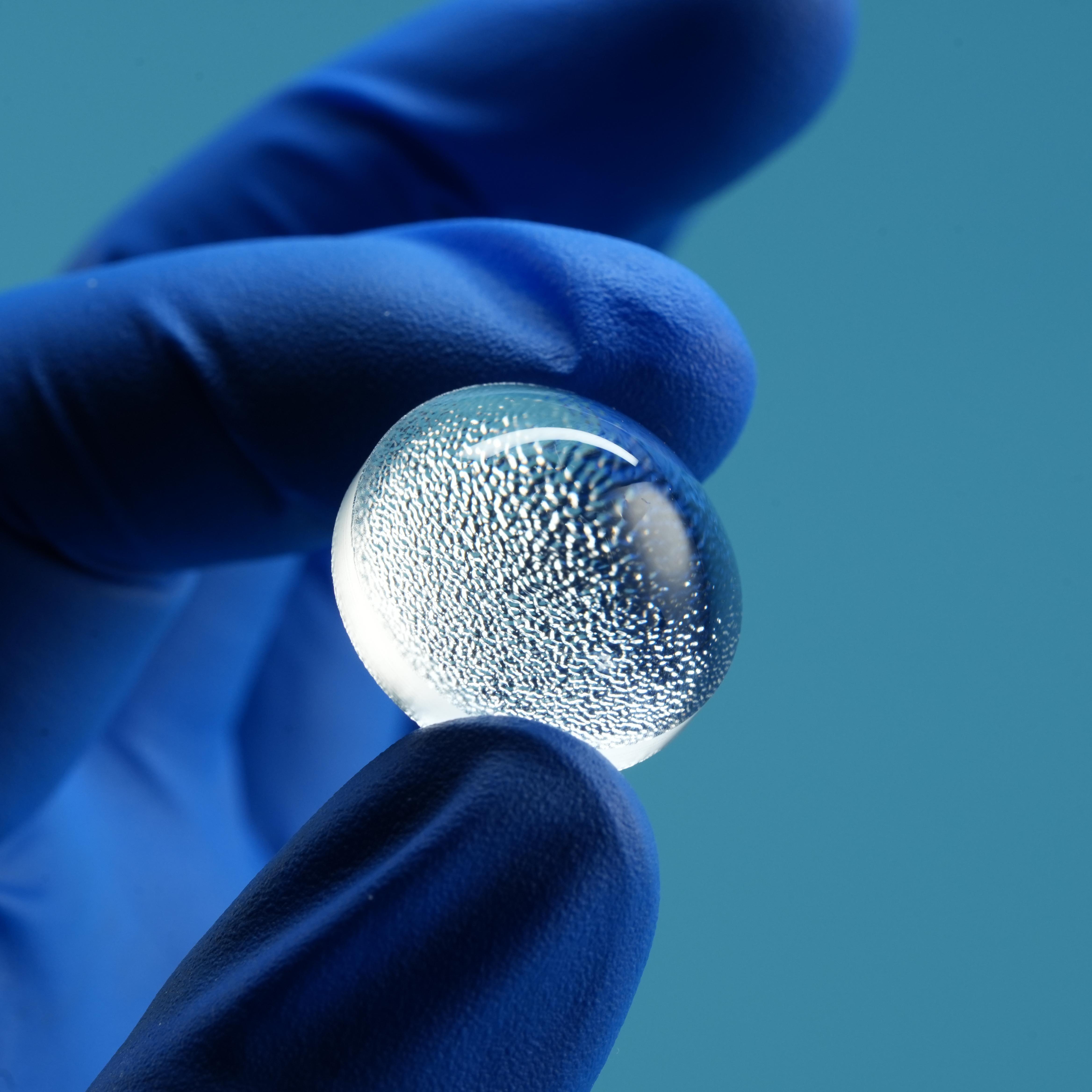
Custom Precision Optical BK7 Spherical Quartz Glass Lenses, 1–200 mm
Clear half-ball, concave and biconvex profiles with anti-reflective treatment for instrument, lighting and sensor assemblies.
View product details →
High-Transmission Clear Borosilicate Glass Dome Lens for LED Fixtures
Impact-resistant, anti-scratch and OEM-shaped dome lens for outdoor lighting where transmission and thermal stability matter.
View product details →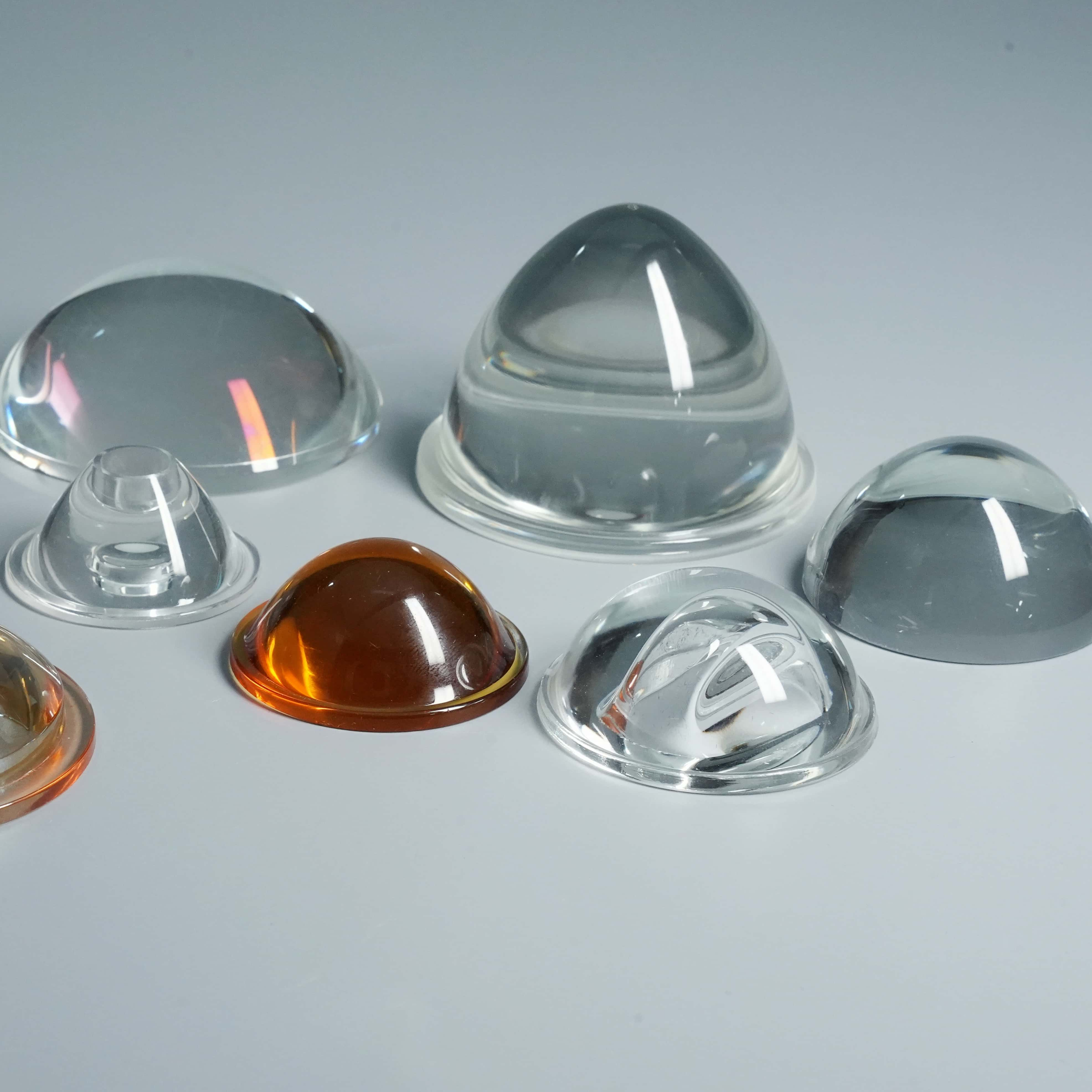
AR-Coated Borosilicate Convex Lens for LED Grow Lights
Full-spectrum indoor farming optics with anti-reflective coating, designed for high-power LED arrays and long service life.
View product details →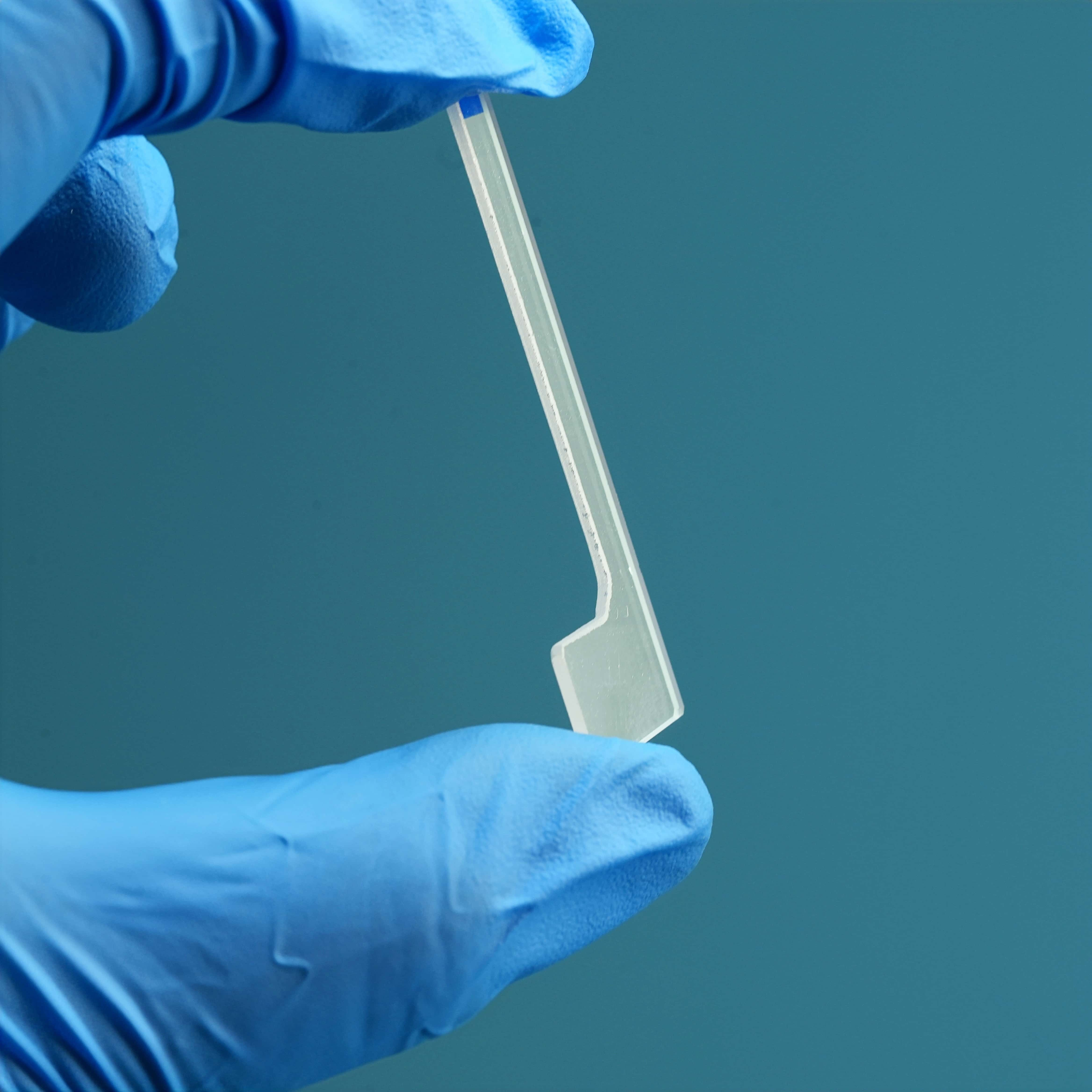
Anamorphic Prism Pair for Laser Beam Shaping & Circularizing
Circularizes elliptical laser beams for fiber coupling, optical benches and precision laser systems with coating options.
View product details →
Pressed High-Borosilicate Headlight Glass Lens Cover
Custom size, shape and pressed mold production for heat-resistant headlight covers and demanding exterior lighting parts.
View product details →
175 mm Borosilicate Fresnel Lens with AR Coating
OEM double plano-convex achromatic stage lens with 175 mm diameter, AR coating and drawing-based modification.
View product details →
Precision BK7/K9 Optical Glass Aspherical Lens, 0.5–25 mm
Manufacturer OEM aspheric lens with anti-reflective coating, diameter from 0.5 to 25 mm and MOQ from 100 pieces.
View product details →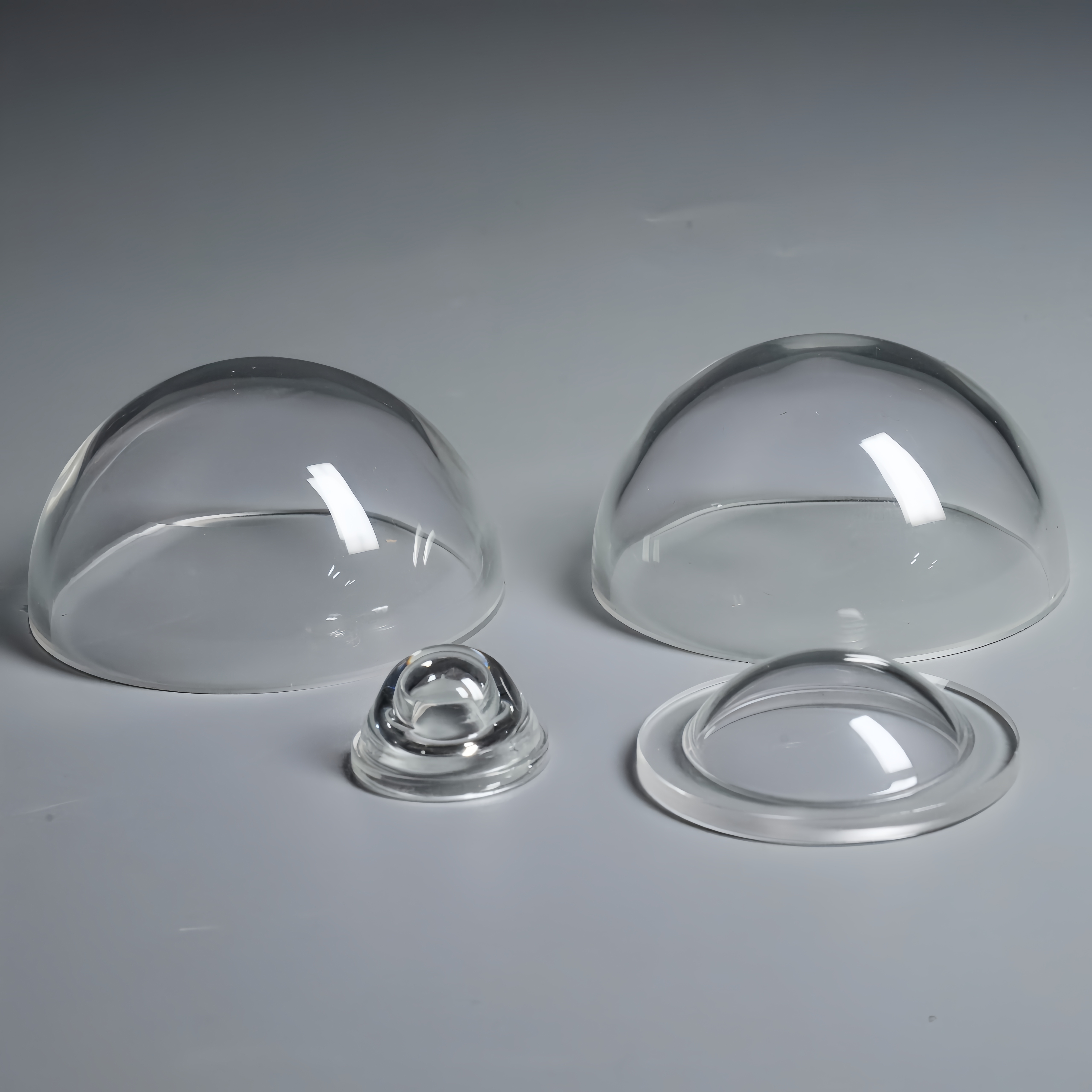
High-Pressure Borosilicate Optical Dome for ROV/AUV Housings
Deep-sea-rated hemispherical window for camera housings and submersible lights, supported by pressure-focused design review.
View product details →A 30-Second Supplier Snapshot
Shanghai Tambi Glass Industrial Co., Ltd. combines manufacturing and trading service for lighting and optical buyers who need drawing-based production, technical review and export-ready packing.
Why the Query “China Wholesale Blown Glass Factories & Wholesaler” Signals a Technical Purchase
Buyers using this phrase are rarely browsing for a single decorative item. They are usually building a shortlist of factories and wholesalers that can support repeat production, engineering review and export documentation.
A serious search for China wholesale blown glass factories and a wholesaler usually combines three intentions: source a manufacturing partner, compare blown, pressed and ground glass processes, and reduce the total landed cost of a repeat-order glass component.
For lighting and optical products, the cheapest quotation is not always the lowest-cost supply chain. Glass breakage, color variation, coating defects, gasket mismatch and delayed samples can cost far more than a few cents per piece. That is why experienced buyers compare a supplier’s drawing review capability, process fit and inspection discipline before discussing volume discounts.
The strongest factories act like a filter between design intent and manufacturability. They ask about wall thickness, draft angle, sealing faces, lamp surface temperature, impact rating, optical path alignment and packing method. A wholesaler without process control may simply pass a drawing to a subcontractor; a manufacturer with in-house engineering can explain what should change before tooling begins.
Tambi Glass works from this engineering-first position. The company’s long-term partners in Europe, North America and Japan typically require samples, dimensional reports and stable repeatability, not just catalog images. With pressed, blown, ground and coated processes coordinated under one supply chain, the factory can recommend the right glass route for each part instead of forcing every drawing into one production method.
Information Gain: What to Compare Beyond Unit Price
- Drawing-based DFM feedback before tooling
- Borosilicate, tempered soda-lime, quartz and BK7/K9 options
- Thermal-shock risk for high-power LEDs
- AR coating and optical transmission control
- Sealing-face flatness and gasket compatibility
- Breakage-resistant export packing
- Material and inspection reports on request
- Response speed and technical English communication
How to Match Glass Process, Material and Application
This matrix is useful during early sourcing because it prevents a common mistake: selecting glass only by diameter or appearance, then discovering thermal, optical or sealing problems after the mold is made.
| Component or Use Case | Recommended Process | Typical Material | Critical Control | Best-Fit Sourcing Approach |
|---|---|---|---|---|
| Signal light dome, marine cover, airport obstruction lens cover | Blown and annealed, or pressed for repeat volume | Borosilicate 3.3, tempered soda-lime | Color consistency, wall thickness, thermal shock and sealing face | Use a factory that can show both blown and pressed options and match the fixture certification path. |
| High-volume LED lamp cover | Pressed mold | Borosilicate or tempered soda-lime | Mold draft, impact strength, surface finish and batch repeatability | Confirm whether an existing mold can be adjusted before paying for new tooling. |
| AR-coated lens for grow lights, stage lights or outdoor fixtures | Pressed or ground and polished, then coated | Borosilicate 3.3 | Coating uniformity, transmission, heat resistance and beam control | Request coating run data and sample light-test before mass production. |
| Precision lens, prism, asphere or anamorphic pair | Grinding, polishing and coating | BK7/K9, fused quartz, borosilicate | Surface accuracy, centration, coating design and dimensional tolerance | Select a supplier with optical metrology and clean packing, not only lighting glass experience. |
| ROV/AUV camera dome or deep-sea optical window | Ground and polished dome | High-pressure borosilicate | Geometry, pressure design review, subsurface damage and inspection report | Discuss operating depth, safety factor, mounting interface and non-destructive inspection at RFQ stage. |
| Custom headlight cover or exterior glass lens | Pressed mold and optional tempering | Borosilicate or tempered glass | Impact resistance, thermal cycling, optical distortion and fit | Approve a physical sample against the housing before committing to production volume. |
Final material and process selection must be confirmed against your drawing, fixture temperature, impact requirement, coating specification and the standard your luminaire must meet. Fixture-level certification is normally held by the luminaire manufacturer; glass suppliers can support with material and inspection records on request.
Product Recommendations by Buyer Application
Instead of asking every supplier for “glass covers”, specify the application first. The recommended glass type, coating and process will become much clearer.
Aviation, Marine & Signal Lighting
Choose red or clear borosilicate domes when color stability, UV exposure and thermal shock are critical. Specify the fixture standard, required chromaticity, diameter, sealing method and annual volume so the factory can match the right forming process.
Explosion-Proof & Industrial Lighting
Use borosilicate 3.3 for thick-wall covers exposed to high lamp temperatures, rain, washdown or sudden cooling. For moderate temperatures and lower cost, tempered soda-lime can be evaluated, but the decision should be based on the fixture’s thermal and impact test results.
LED Optics, Sensing & Laser Modules
Switch from general lighting glass to optical-grade materials when beam control, centration or coating performance matters. BK7/K9, fused quartz and precision polished domes are better suited to LiDAR, scientific instruments, laser shaping and camera windows.
Horticulture & Full-Spectrum Grow Lights
For indoor farming, AR-coated convex or Fresnel lenses help preserve usable light while protecting high-power LED arrays. Ask for spectral transmission data rather than only visible clarity, especially when red and blue wavelengths drive crop performance.
Future Procurement Trends for Wholesale Glass Buyers
Procurement teams are changing how they evaluate Chinese glass factories. The conversation is moving from “price per piece” to “qualified, documented and repeatable supply”.
Dual-Source Qualification
Buyers still value China’s process depth and responsiveness, but they increasingly qualify two production routes: one for volume and one for fast samples or specialty coatings. A factory that can explain its blown, pressed and ground boundaries is easier to dual-source safely.
Total Landed Cost Becomes Central
Unit price alone is losing influence. Breakage rate, packing yield, inspection time, replacement cost and rework frequency are now part of the sourcing scorecard. For fragile glass parts, better packing can beat a lower quotation very quickly.
Documentation Before Discount
Procurement teams ask for material reports, dimensional inspection, coating data and packing photos before mass production. This is especially important for safety-related lighting, marine signal glass and underwater optical domes.
Faster Sampling Cycles
Product teams want prototype glass quickly to validate gaskets and housings. Suppliers with existing molds and experienced drawing review can shorten the loop from weeks to days, especially for lenses, domes and covers close to an existing product family.
Optical Function Integrated Earlier
LED brands are involving glass suppliers earlier in optical design. Instead of treating glass as a protective cover, they specify transmission, coating and beam-shaping requirements together. This reduces mismatch between lens, reflector and housing.
Export-Ready Sustainability and Packing
Customers increasingly ask for recyclable dividers, reduced foam waste, clean labeling and distributor-ready cartons. Good packaging is not only a sustainability issue; it directly protects fragile glass during sea and air freight.
Product Development Trends Inside Blown & Optical Glass
Glass development is being pushed by higher LED power, denser optical sensing and more demanding field environments. The most useful supplier conversations now happen at the design stage.
Borosilicate 3.3 for Thermal Confidence
Low thermal expansion around 3.3 × 10⁻⁶/K remains a practical advantage for high-power LED covers, explosion-proof shades and outdoor domes exposed to sudden rain or washdown.
Aspheric & Free-Form Optics
BK7/K9 aspherical lenses, anamorphic prisms and precision domes are moving from niche instruments into LiDAR, machine vision and laser delivery systems, raising the importance of metrology and coating control.
High-Pressure Sensing Domes
ROV, AUV and deep-sea camera housings require more than a hemispherical shape. Design reviews increasingly cover pressure depth, mounting stress, optical inspection and subsurface damage control.
AR Coatings as Standard Options
Anti-reflective coatings are no longer reserved for scientific optics. Grow lights, stage Fresnel lenses and outdoor LED covers increasingly use AR treatment to improve transmission and reduce glare losses.



Lighting & Optical Glass Engineered Around Your Fixture
Shanghai Tambi Glass Industrial Co., Ltd. supplies custom glass components to lighting and optical OEMs worldwide. For more than a decade the company has focused on one practical question: how should glass perform inside a real luminaire or optical assembly? That experience covers heat build-up behind high-power LEDs, thermal shock from rain on hot covers, impact loads in hazardous areas and color accuracy for signal lights.
The design team of senior lighting and molding engineers reviews every drawing for wall thickness, draft, sealing faces and optical path alignment before tooling starts. Pressed, blown, ground and coated processes are coordinated under one supply chain, helping buyers avoid the gap between a glass factory and an optical coater.
- Location: Shanghai, China
- Business type: manufacturer & trading company
- Team: 11–50 people
- Response: average within 6 hours
- Materials: borosilicate, tempered, quartz, BK7/K9
- Verification: onsite-checked supplier profile available
From Drawing to Delivery: A Controlled Six-Step OEM Process
A clear process reduces surprises between sample approval and mass production. The most important checkpoint is usually the first one: drawing review before tooling spend.
Drawing Review
DFM check of thickness, draft, tolerance, sealing face and optical path. The factory should tell you what is easy, what is risky and what needs a sample test.
Mold & Tooling
New or existing molds for pressing, blowing or grinding. Existing tooling can shorten sample lead time, but dimensional changes should be confirmed in writing.
Sampling
Samples are measured and sent for fit, light and environmental testing. For safety-related lighting, do not approve only by photo; test the glass in the real housing.
Forming & Annealing
Controlled annealing or tempering relieves stress and improves thermal-shock resistance. Process parameters should remain stable across repeat orders.
Coating & QC
AR or color coating, dimensional inspection, visual inspection and optional reports. Coating batches should be traceable for optical and lighting applications.
Export Packing
Foam or pulp dividers, reinforced cartons and palletization for sea or air freight. Distributor labeling and custom packing can be arranged.
RFQ Checklist for China Wholesale Blown Glass Factories
Use this checklist to get a more accurate quotation and a faster engineering response from a glass wholesaler or factory.
- 2D or 3D drawing with critical dimensions and tolerances
- Expected annual volume plus first-order quantity
- Material preference or operating-temperature range
- Surface finish, optical transmission and coating requirements
- Color target for signal, marine or decorative lighting
- Sealing method, gasket interface and installation torque
- Impact, pressure, thermal-shock or certification requirements
- Packing, labeling and destination country for logistics review
Frequently Asked Questions
Practical answers for procurement teams comparing China wholesale blown glass factories and optical glass suppliers.
Can you manufacture glass covers and lenses to my own drawing?
What is the typical minimum order quantity?
Should I choose borosilicate glass or tempered soda-lime glass?
Do you supply glass for FAA L-810 and EN 50293 lighting fixtures?
How fast do you reply to technical inquiries?
How are fragile glass parts packed for export?
How do I verify a China glass wholesaler before placing a bulk order?
Have a Glass Drawing? Get an Engineering Review Within 6 Hours.
Share your dimensions, material, operating temperature, coating, annual volume and destination market. The team will recommend a reliable glass solution for your fixture, optical module or wholesale program.