8 Engineered Aspheric and Optical Glass Products for Wholesale Buyers
These components reflect the practical mix that procurement teams request most often: domes, precision lenses, Fresnel optics, filters and heat-resistant covers. Every product URL below is preserved exactly for direct product review.
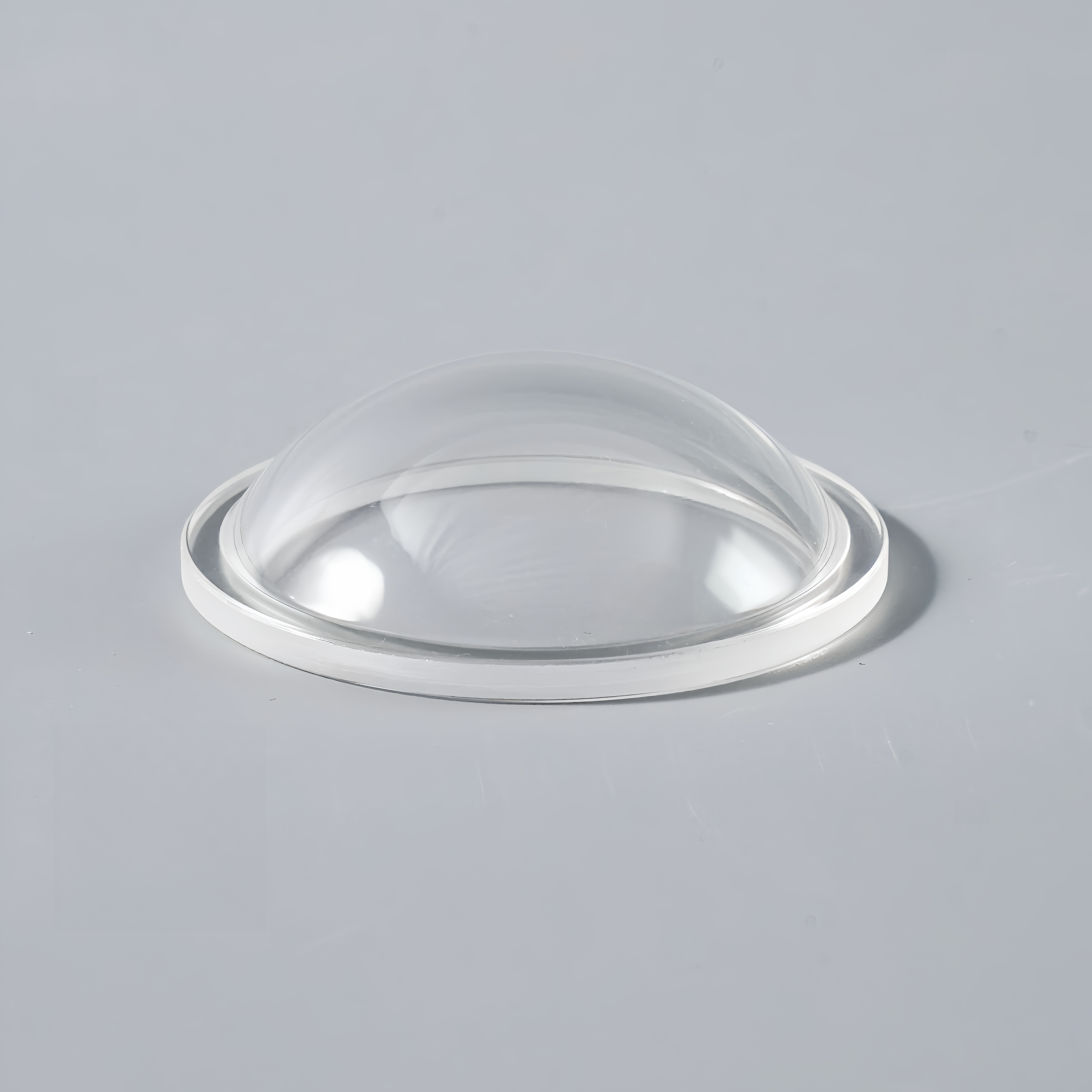
High-Light Transmission Clear Borosilicate Glass Dome Lens LED Outdoor Lighting Fixtures Impact Resistant Anti-Scratch OEM
A clear borosilicate dome for outdoor LED fixtures where high transmission, anti-scratch handling and thermal stability matter.
- Borosilicate 3.3
- Impact-resistant finish
- OEM dimensions

Factory Price Custom Precision Optical 1-200mm Clear BK7 Spherical Quartz Glass Half Ball Concave/Biconvex Lens Anti-Reflective
Custom BK7 and quartz spherical optics from 1 mm to 200 mm, including half-ball, concave and biconvex forms with AR coating options.
- BK7 and quartz
- Ø1–200 mm
- AR coating support
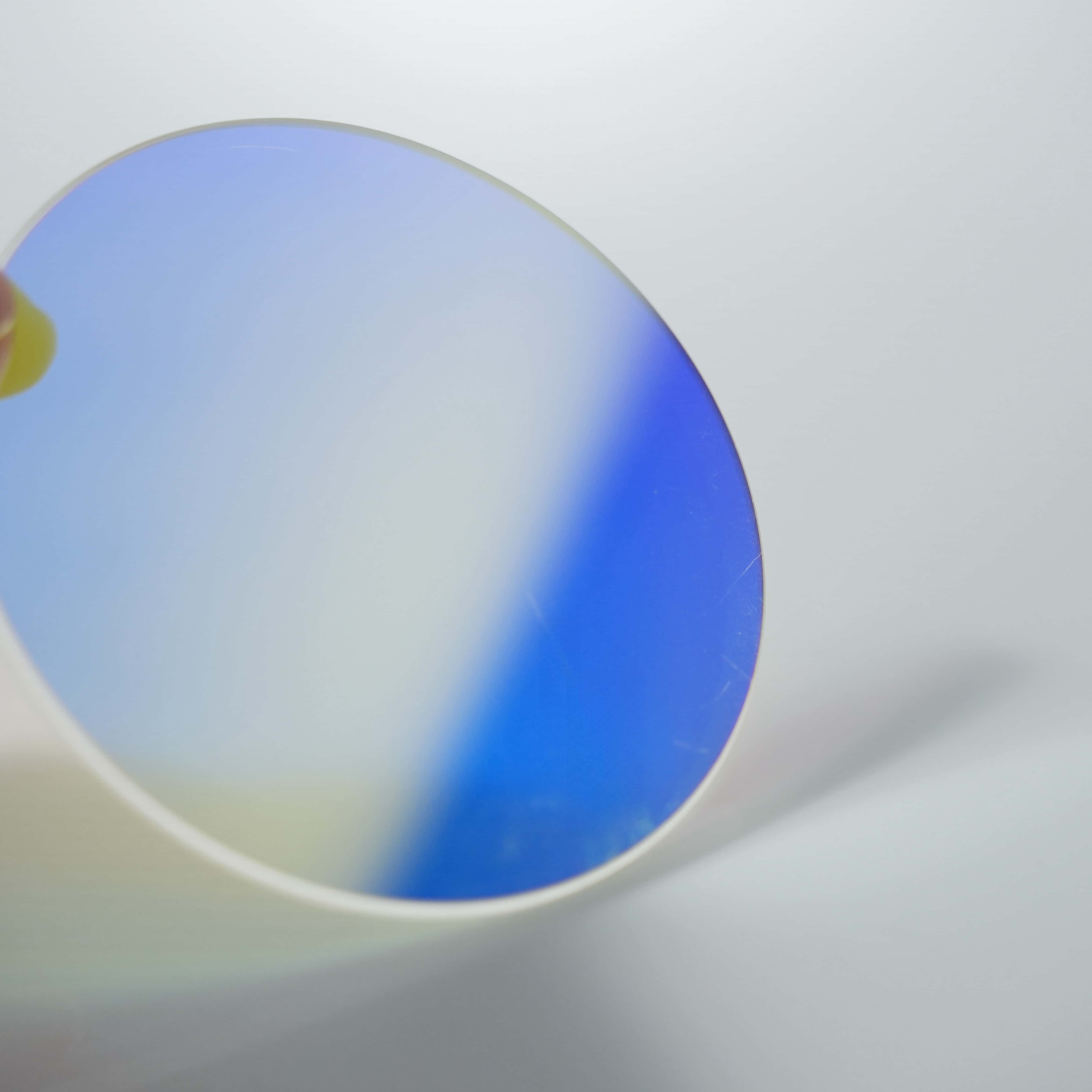
Optical Borosilicate Glass Longpass Shortpass Filter 500nm 600nm 700nm AR Coating Cut-Edge for Spectroscopy Industrial Sensor
Coated borosilicate filters for spectroscopy and industrial sensors, with customizable cut-on/cut-off wavelength, diameter and edge treatment.
- 500/600/700 nm options
- Longpass / shortpass
- Cut-edge finishing
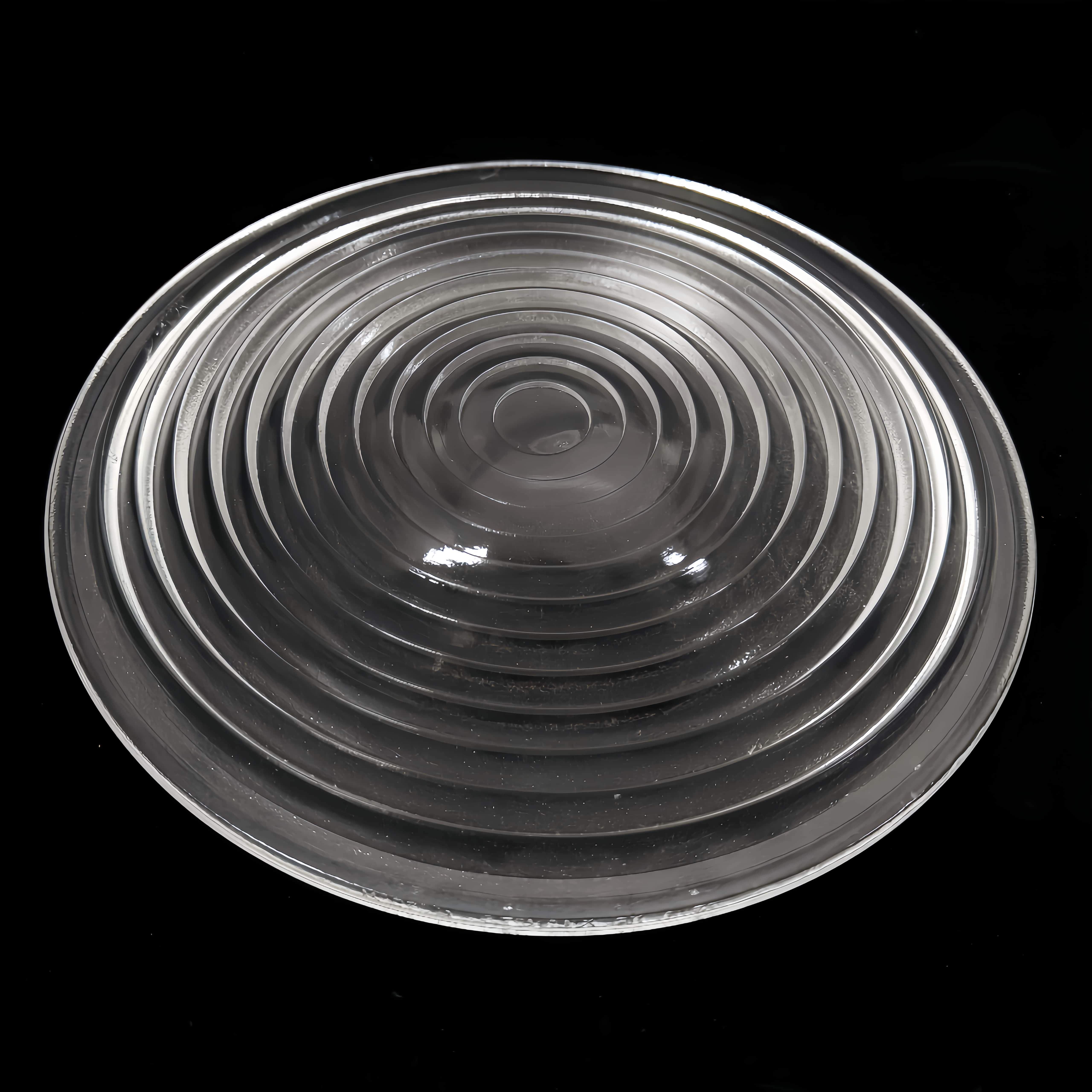
Precision Molded Borosilicate Glass Fresnel Lens Stage Lighting Anti-Reflective Coating FAA/ICAO Standards 175mm BO GLASS OEM
A 175 mm molded Fresnel lens for stage and signal lighting, with AR coating and borosilicate heat resistance for OEM integration.
- 175 mm format
- AR coating
- Borosilicate body
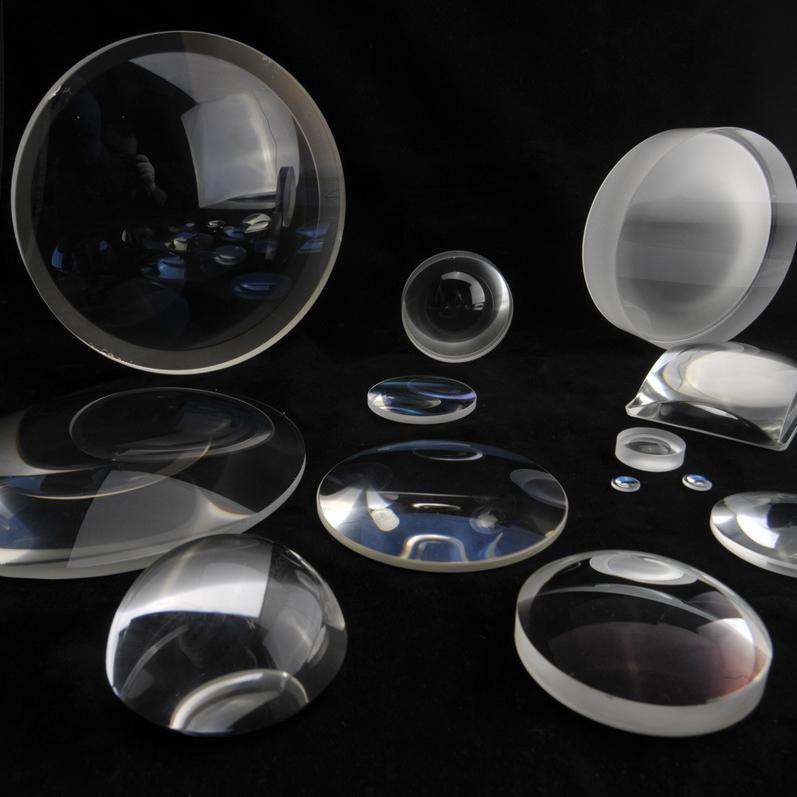
Custom High Quality Diameter 80Mm 127Mm 250Mm Spherical K9 Optical Coating Glass Plano Convex Lens for Big Magnifying
K9 plano-convex lenses in 80, 127 and 250 mm diameters for magnifying and light collection, with edge finish and coating matched to the housing.
- K9 optical glass
- 80–250 mm diameters
- Plano-convex geometry

OEM Borosilicate Glass Optical Dome Cover for Outdoor IP Cameras UV Resistant Waterproof Housing Anti-Reflective Coating
UV-resistant borosilicate dome covers for outdoor IP cameras, with AR coating options and sealing-face control for housing integration.
- UV resistant
- Waterproof housing support
- Anti-reflective coating

High Temperature Resistant Borosilicate Glass Fresnel Lens Anti-Reflective Coating High Power LED Collimation Stage Lighting
A heat-resistant Fresnel lens for high-power LED collimation in stage lighting, with borosilicate construction and AR coating for stable beam control.
- High-temperature borosilicate
- AR coated
- LED collimation
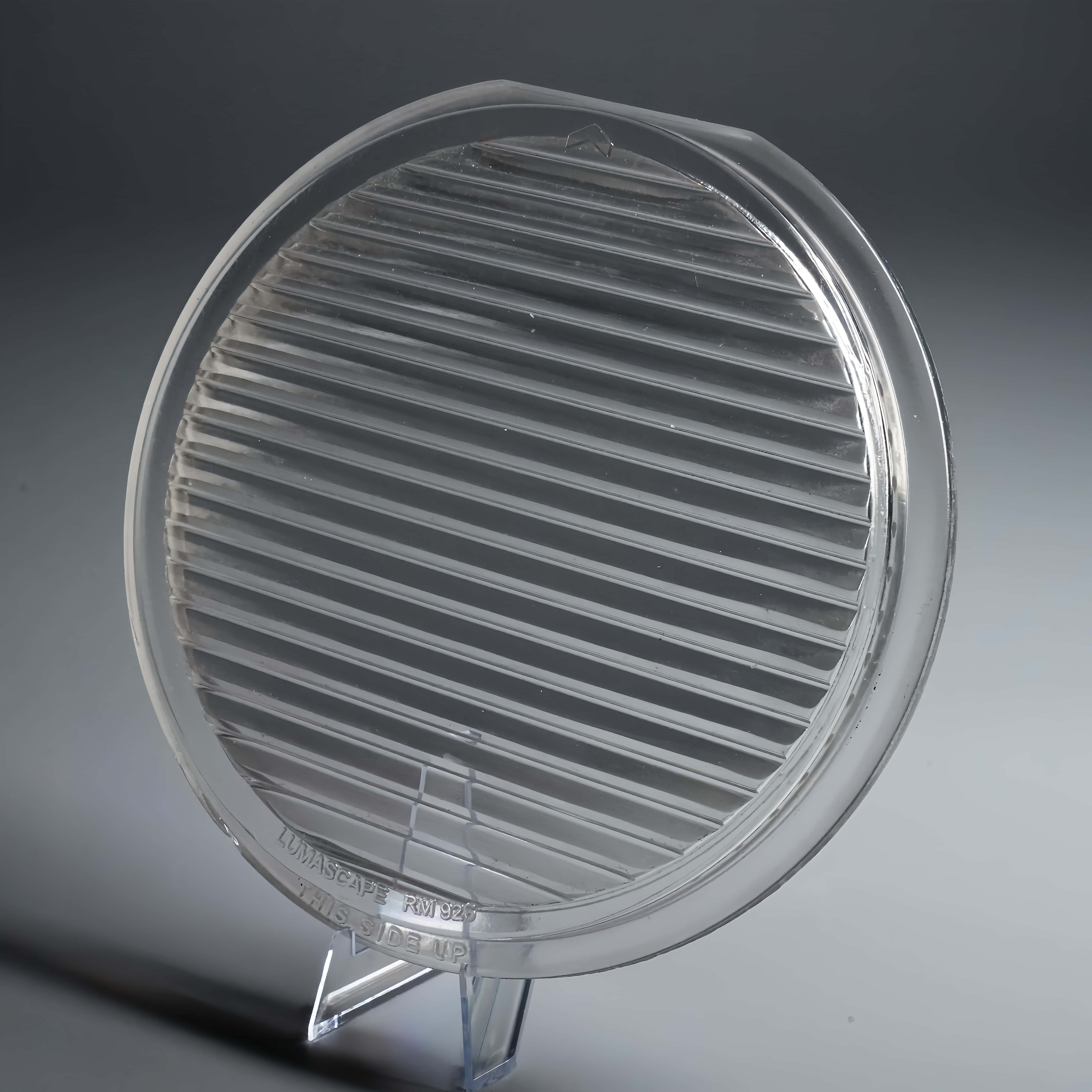
Supplier Custom Size Shape Pressed Mold Heat Resistant High Borosilicate Headlight Glass Lens Cover Headlight Glass Cover
Pressed high-borosilicate headlight glass covers made to custom size and shape, where heat resistance and optical finish must suit automotive and outdoor housings.
- Pressed mold process
- Custom size and shape
- High borosilicate
From Price-Led Sourcing to Performance-Led Partnership
Wholesale optical purchasing has changed. The winning question is no longer “Who has the lowest FOB quote?” but “Which exporter can document material, geometry, coating, metrology and packing before production begins?”
The phrase China wholesale aspheric lens exporter & exporters now describes a mature group of optical glass suppliers rather than a single catalog category. Aspheric lenses for LiDAR, machine vision, automotive sensing and architectural lighting are specified by wavefront error, conic constant, surface irregularity, coating durability and sealing-face geometry. Buyers need a supplier who can read the drawing, challenge a tolerance that will drive unnecessary cost, and prove the result with measurement data.
At Tambi Glass in Shanghai, we have spent more than a decade learning how glass behaves inside real luminaires and optical assemblies. Our team combines a manufacturer and trading-company model with senior lighting and molding engineers, press, blow, grind and coating processes, and partner suppliers for specialty optical materials. Export revenue is typically in the US$2.5 million–5 million range, with long-term relationships in Europe, North America and Japan.
From a procurement perspective, the most valuable information gain is not a longer list of product names. It is knowing which questions uncover risk: What is the sagitta and conic target? Which surface is the datum? How will the AR coating be verified? What happens to a warm borosilicate dome when cold rain hits it? Which packaging method has already survived sea freight? The sections below address those practical questions.
What a Credible China Aspheric Lens Exporter Should Prove Before You Place an Order
Price is only one variable in a high-mix optical program. The following checks help procurement, engineering and quality teams compare suppliers on evidence rather than promises.
Drawing Review and DFM Before Tooling
A serious exporter reviews wall thickness, draft, sealing faces, edge chips and optical path alignment before making a mold. Ask for a DFM note that lists critical dimensions, suggested tolerances and inspection methods. This is especially important for aspheric surfaces, where small changes in sag or edge thickness can shift the focal plane.
Material Selection With Traceability
Borosilicate 3.3, tempered soda-lime, fused quartz and BK7/H-K9L do not solve the same problem. Request material certificates, batch traceability and a clear explanation of why the material suits your lamp temperature, UV exposure, impact rating and coating process.
Process Fit — Not a Single-Process Hammer
Pressed, blown, ground, polished and coated processes produce different finish, tolerance and cost profiles. A supplier that only presses will push every part toward pressing. A better exporter matches the process to the geometry and volume: molded Fresnel lenses, ground BK7 spheres, blown domes and AR-coated windows often come from different production routes.
Optical and Dimensional Metrology
Ask for sample measurement reports on radius, thickness, diameter, sagitta, conic constant where applicable, surface roughness, transmission and coating performance. For LED and LiDAR parts, a transmission curve and a coating durability statement are more useful than a catalog photo.
Thermal, Impact and Environmental Validation
Hazardous-area, aviation, marine and outdoor camera glass must survive thermal shock, impact, UV and moisture. Discuss the test that matches the fixture standard rather than accepting a generic claim. For FAA L-810 or EN 50293-related fixtures, the luminaire manufacturer owns the fixture certificate; the glass supplier should support it with material and inspection reports.
Export Packing and Supply Continuity
Fragile optical parts lose margin when they arrive chipped. Confirm divider packing, reinforced cartons, palletization, labeling and sample-approval flow. Also ask how the exporter handles annual volume, repeat orders and engineering changes after mass production begins.



Inside Tambi Glass: Experience That Shows Up in the Drawing Review
Shanghai Tambi Glass Industrial Co., Ltd. supplies custom glass components to lighting and optical OEMs worldwide. For more than a decade, our design team has focused on one practical question: how should glass perform inside a real fixture? That experience covers heat build-up behind high-power LEDs, thermal shock from rain on hot covers, impact loads in hazardous areas, color accuracy for signal lights and sealing faces for IP-rated camera housings.
Our senior lighting and molding engineers review every drawing for wall thickness, draft, sealing faces and optical path alignment before tooling starts. We work with long-term partners in Europe, North America and Japan, combining pressed, blown, ground and coated processes under one supply chain. The result is not a generic catalog of shapes, but a drawing-based OEM/ODM service that can move from sample evaluation to repeat production.
- Drawing-based OEM / ODM
- Borosilicate, tempered, quartz, BK7
- AR and optical coatings
- Onsite-verified supplier
- Export packing for fragile optics
- Technical response within 6 hours
What the Next Generation of Aspheric Optics Must Deliver
The product road map for wholesale aspheric lenses is being shaped by sensing, automation and high-power lighting. These three trends should appear in supplier discussions.
Lower Wavefront Error and Tighter Angular Control
LiDAR, 3D sensing, machine vision and compact projection modules are pushing aspheric optics toward lower wavefront error, controlled stray light and tighter angular tolerance. Buyers should expect suppliers to discuss tolerance stack-up, not just diameter and center thickness. For high-volume programs, a metrology plan should be agreed before the first production run.
Coatings That Survive the Field, Not Just the Lab
AR coatings are increasingly judged by durability: adhesion, humidity, salt spray, UV exposure and cleaning cycles. A transmission curve at a single wavelength is no longer enough. Ask for coating design intent, environmental test data and a clear handling specification for the coated surface.
Hybrid Materials and Freeform Geometries
No single glass solves every optical problem. Borosilicate offers thermal-shock resistance and cost efficiency; fused quartz supports UV and extreme heat; BK7/H-K9L provides optical homogeneity; tempered soda-lime delivers impact strength. Future wholesale programs will combine materials, coatings and process routes rather than forcing one substrate into every design.
Future Procurement Trends for Aspheric Lens Wholesale Buyers
Supply teams are being asked to reduce risk without slowing product launches. That changes how exporters are qualified, measured and retained.
Dual-Source Qualification and Documented FAI
Procurement teams are reducing single-supplier risk by qualifying a primary and a secondary source. The practical requirement is a complete first article inspection package: material certificate, dimensional report, coating data, sample photos and agreed acceptance criteria. Without that package, a second source is only a price list.
Total Cost of Ownership Instead of the Lowest FOB Quote
The lowest piece price can hide mold rework, high sample reject rates, fragile packing and field returns. Buyers increasingly compare landed cost plus inspection cost, replacement risk and engineering time. A slightly higher quote with documented metrology and stable repeatability is often the cheaper program.
Earlier Supplier Involvement and Traceability
More OEMs now involve the glass supplier during design review, before the housing, gasket and LED board are frozen. This reduces tooling changes and improves sealing-face design. Expect traceability requests to grow: batch records, coating reports and change notification are becoming normal parts of the purchase order.
Material Selection Guide for Aspheric and Precision Optical Glass
Material choice should be driven by operating temperature, thermal shock, UV exposure, impact requirement and optical performance. This comparison reflects the way our engineers screen new projects.
| Material | Thermal expansion | Typical max. working temp. | Key strength | Best-fit wholesale products |
|---|---|---|---|---|
| Borosilicate 3.3 | ≈ 3.3 × 10⁻⁶/K | ≈ 450 °C | Excellent thermal-shock resistance and chemical durability | Outdoor LED domes, explosion-proof covers, Fresnel lenses, high-temperature lighting glass |
| Tempered soda-lime | ≈ 9.0 × 10⁻⁶/K | ≈ 250 °C | High impact strength and economical cost | Signal light covers, floodlight glass, vandal-resistant outdoor lenses |
| Fused quartz | ≈ 0.55 × 10⁻⁶/K | ≈ 1000 °C+ | UV transmission and extreme heat resistance | UV optics, high-temperature windows, specialty sensing components |
| Optical BK7 / H-K9L | ≈ 7.1 × 10⁻⁶/K | ≈ 300 °C | Homogeneous optical glass, nd ≈ 1.517 | Precision spherical lenses, plano-convex lenses, prisms, filters and instrument optics |
Values are typical references. Final specification is confirmed against your drawing, lamp surface temperature, impact rating and the standard your fixture must meet.
A Practical RFQ Checklist for Aspheric Lens and Optical Glass Buyers
Send these details with your inquiry and a technical review can move directly to manufacturability, costing and sample planning.
- 2D/3D drawing with sagitta, conic constant and datum scheme
- Optical requirement: wavelength band, transmission target, wavefront or spot size
- Glass material and coating: borosilicate, BK7, quartz, AR coating or filter stack
- Operating environment: surface temperature, thermal shock, UV, IP rating and impact
- Annual volume, forecast and whether an existing mold can be used
- Inspection report: dimensions, visual criteria, transmission and coating adhesion
- Packing and labeling: divider type, carton strength, pallet pattern and barcode
- Certification ownership: which standard applies and who holds the fixture certificate
Where These Glass Components Perform
Each application stresses glass differently. We specify material and processing from your operating conditions, not from a catalog alone.
Aviation & Signal Lighting
Borosilicate and tempered domes for obstruction, runway and marine signal fixtures, with color and transmission control.
LiDAR & Industrial Sensing
AR-coated optical domes, windows and filters for outdoor sensors, robotics, spectroscopy and instrument housings.
Stage & High-Power LED
Heat-resistant Fresnel lenses, plano-convex optics and domes for collimation, beam shaping and high-output fixtures.
Automotive & Outdoor Housings
Pressed headlight covers and IP camera domes with UV resistance, sealing faces, impact tolerance and custom shapes.
FAQ: Wholesale Aspheric Lens Sourcing from China
Direct answers to the questions procurement and engineering teams ask most often before a sample order.
Can you manufacture glass covers and lenses to my own drawing?
What is the typical minimum order quantity?
Should I choose borosilicate glass or tempered soda-lime glass?
Do you supply glass for FAA L-810 and EN 50293 lighting fixtures?
How fast do you reply to technical inquiries?
How are fragile glass parts packed for export?
What should an aspheric lens RFQ include?
Have a Drawing? Let the Engineering Review Start the Conversation.
Share your dimensions, material, operating temperature and annual volume. Our engineers will suggest the most reliable glass solution for your fixture and help you compare borosilicate, tempered glass, quartz or BK7 before tooling begins.
Contact Us