China Top Tempered Glass Lens Manufacturer & Exporter
Custom borosilicate, tempered, BK7/K9 and fused-silica optical glass lenses for airfield, marine, explosion-proof, LED, LiDAR and stage-lighting OEMs — engineered from drawing to export carton.
8 Tempered and Optical Glass Lens Products for High-Reliability Fixtures
These eight parts represent the requests our engineering and export teams quote most often. Each can be adapted in diameter, thickness, edge profile, colour, coating and packing. Product URLs are preserved for direct technical review.
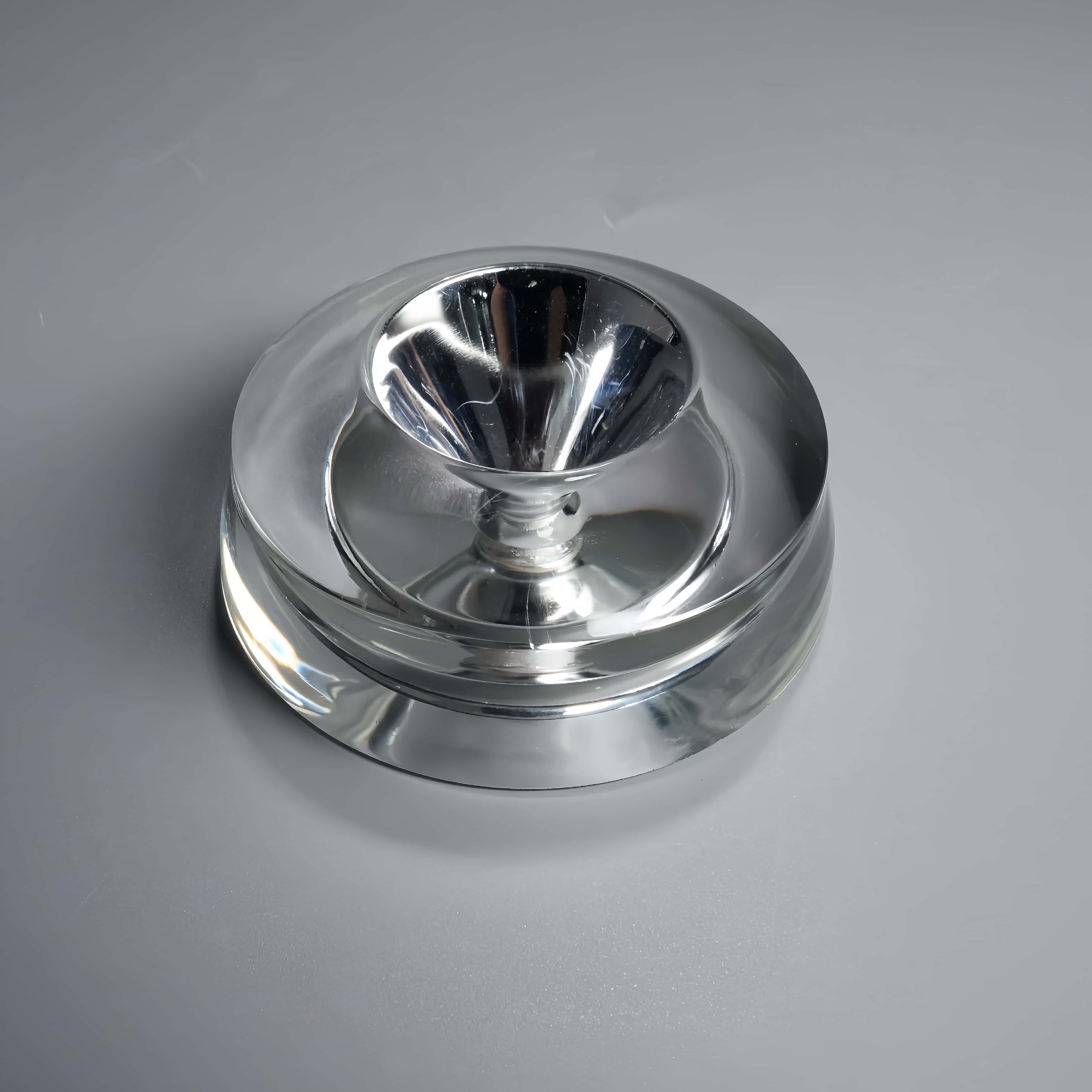
Custom-Size Mold-Pressed Borosilicate LED Optical Glass Lens for Airport Runway, Taxiway and Ground Lighting
Recommended for in-pavement and elevated airfield fixtures that face rain, jet-blast cleaning and repeated thermal cycling. The pressed borosilicate body can be specified in clear, red, green or amber, with controlled edge finish for gasket sealing.
- Low thermal expansion for hot LED chambers
- Mold-pressed economics from prototype to volume
- Options for colour, coating and dimension sorting
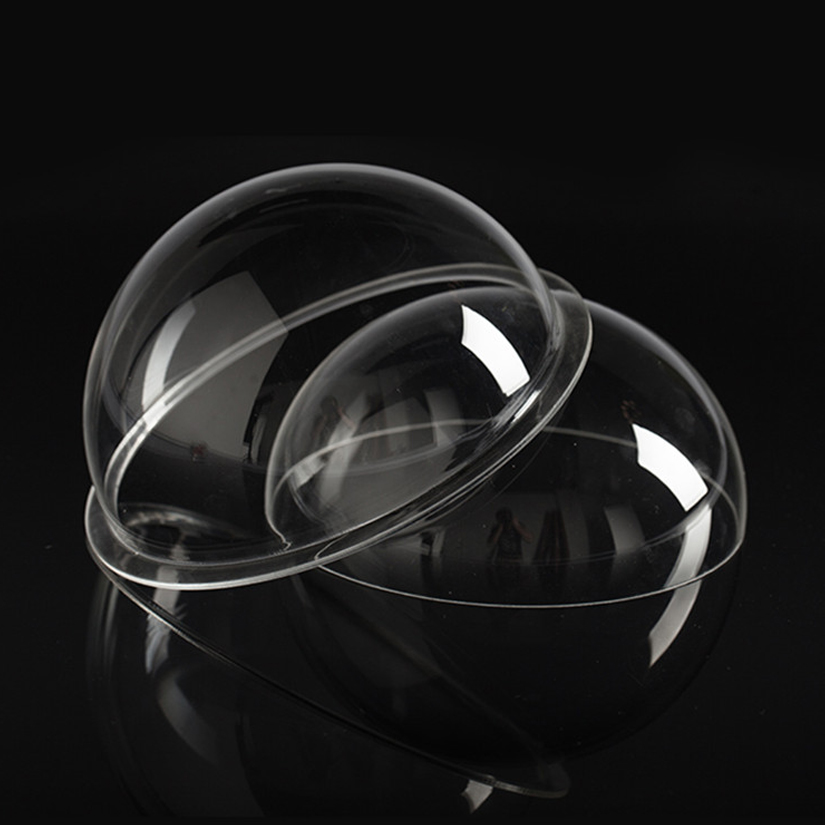
OEM Borosilicate Glass Optical Dome Cover for Outdoor IP Cameras
Built for outdoor surveillance housings that must resist UV exposure, rain, salt spray and cleaning chemicals while maintaining image clarity. Anti-reflective coating and sealing-face control are specified against the camera module and gasket design.
- UV-resistant borosilicate body
- Waterproof housing compatibility
- AR coating options and edge finishing
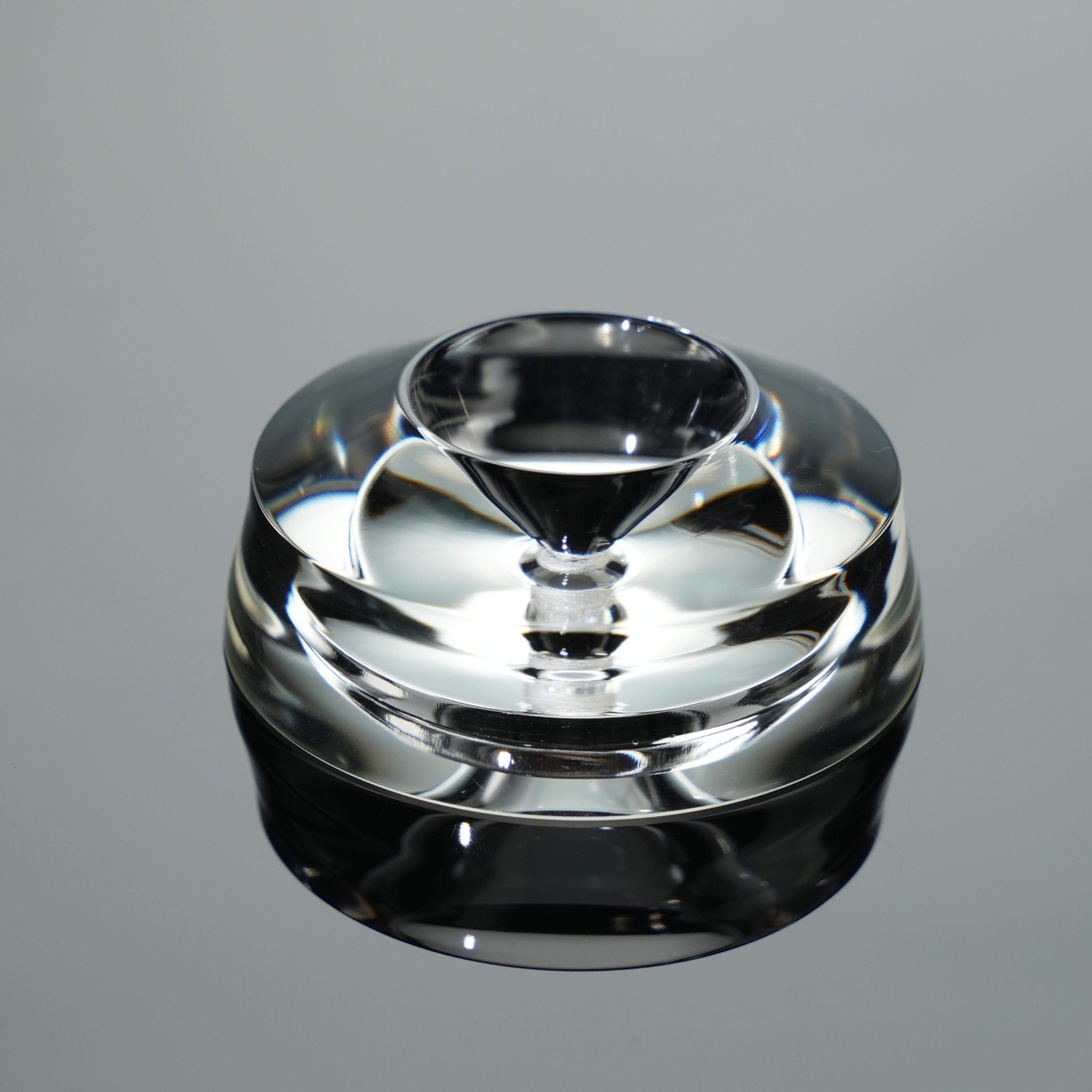
FAA-Compliant Borosilicate Heat-Resistant Glass Lens for Runway In-Pavement and Taxiway Lights
A high-transmission lens concept for fixture makers targeting FAA L-810-related obstruction and runway lighting requirements. We match colour, dimensional and transmission specifications while the luminaire certification remains with the fixture manufacturer.
- Thermal-shock-resistant borosilicate
- IP68 assembly compatibility
- Material and inspection reports on request

Borosilicate Transparent Explosion-Proof Shade, Heat-Resistant and Crack-Proof Protective Cover
Recommended for industrial lighting where heat, impact and chemical exposure occur together. Thick-wall borosilicate reduces thermal-shock risk, while controlled annealing and edge polishing help the shade seat correctly against sealing rings and metal housings.
- Thick-wall borosilicate options
- High light transmission and clarity
- Custom diameters and sealing faces
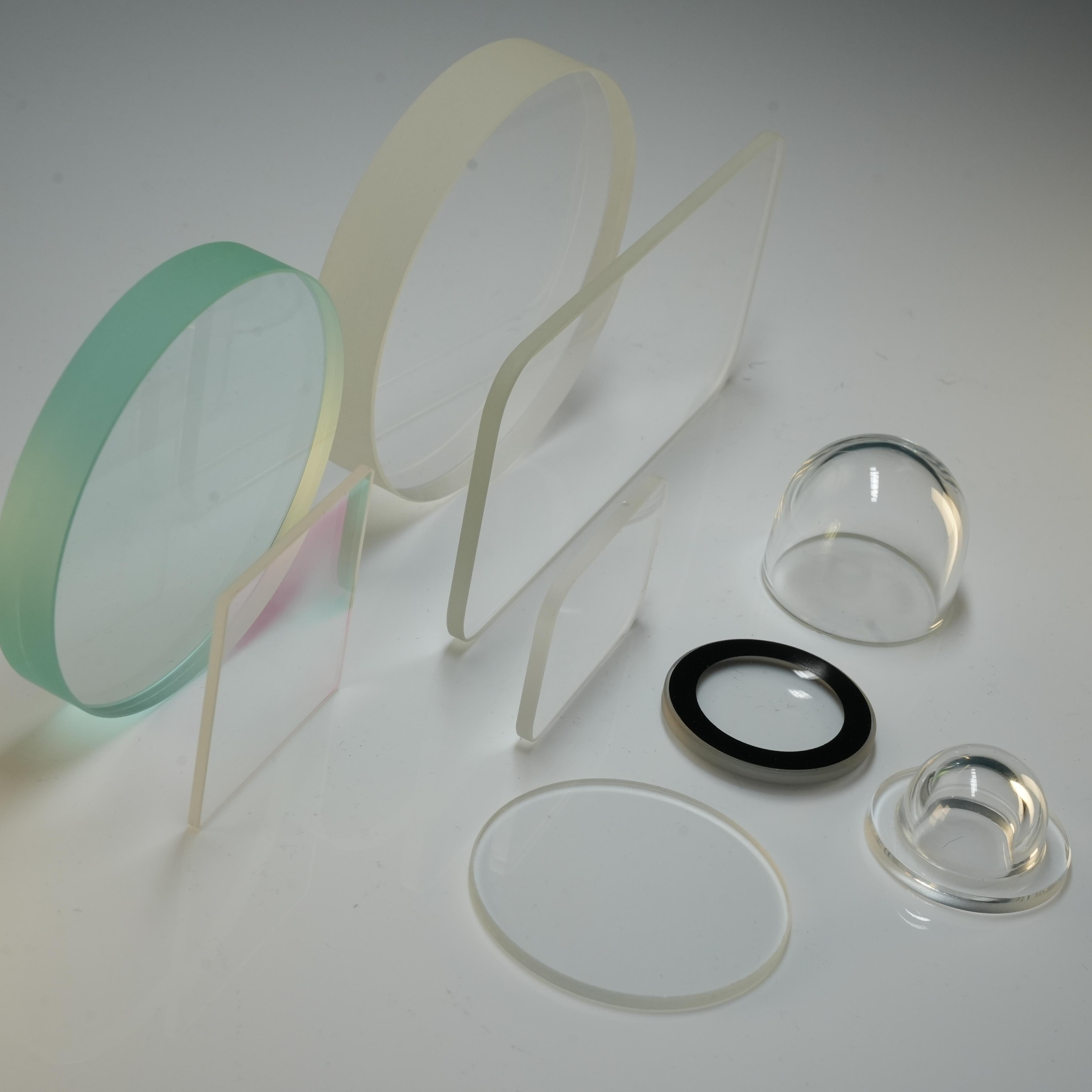
OEM High-Precision Borosilicate / UV Fused Silica Optical Window with High Transmittance Coating
A specification-led window for instruments, LiDAR, machine vision and sensor enclosures. Buyers can define substrate, flatness, parallelism, coating band and environmental durability; the production route is selected from the optical requirement rather than from a generic stock size.
- Borosilicate or UV fused silica substrate
- AR and protective coating options
- Dimensional and optical inspection records

High-Light Transmission Clear Borosilicate Glass Dome Lens for LED Outdoor Lighting Fixtures
Recommended for façade, area and high-bay luminaires that need impact resistance, anti-scratch behaviour and stable light output. The dome can be matched to the reflector, gasket and bezel so that assembly pressure does not introduce cracking or light leakage.
- Impact-resistant clear glass dome
- Anti-scratch and AR options
- OEM drawing-based production
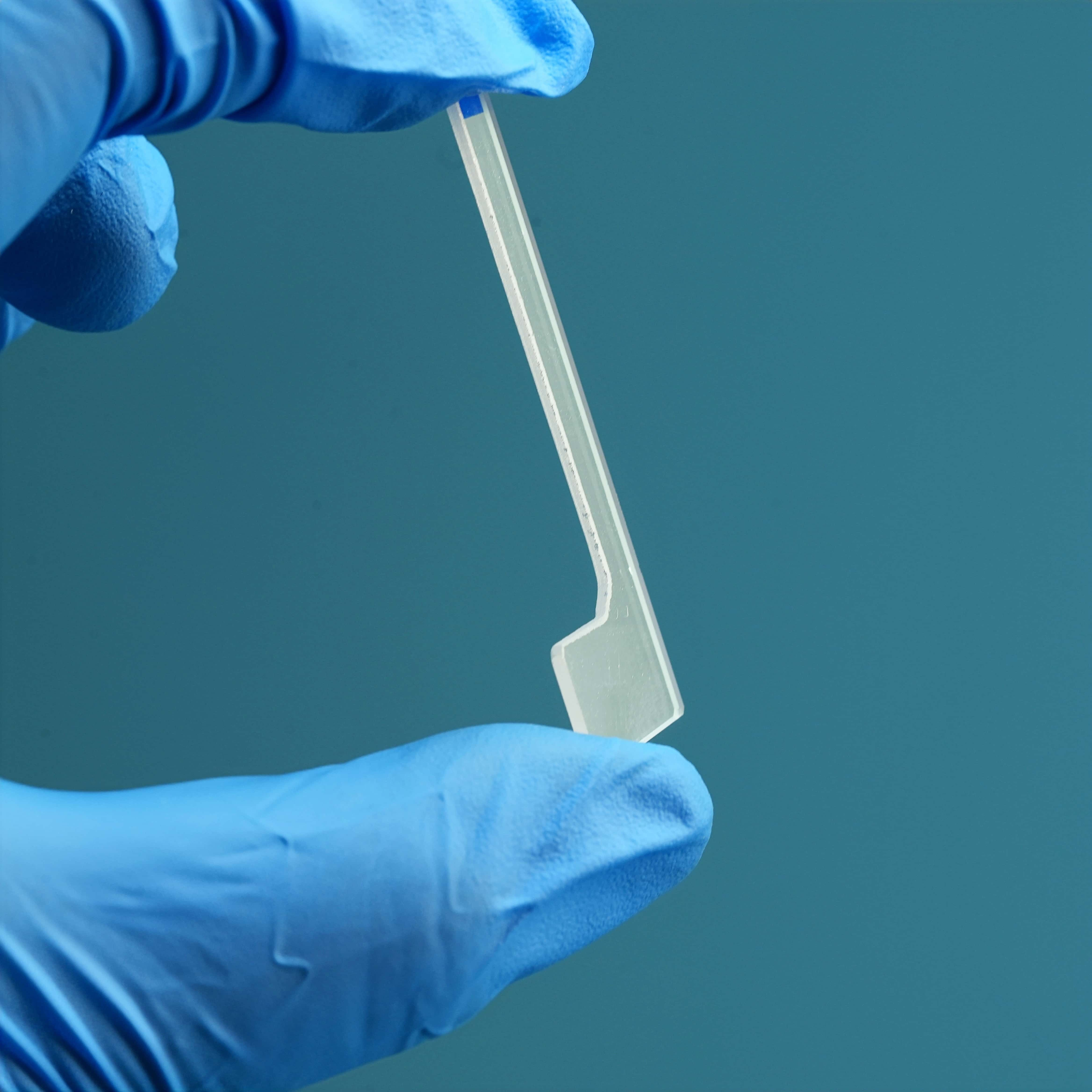
Anamorphic Prism Pair for Laser Beam Shaping and Circularizing Elliptical Beams for Fiber Coupling
Used when an elliptical laser beam must be corrected for circular output or more efficient fibre coupling. The prism pair is specified by wavelength, angle tolerance, surface quality and AR coating; mounting and pair matching are reviewed together to protect beam alignment.
- Beam circularizing for fibre coupling
- Custom AR coating bands
- Pair-matched optical finishing

Wholesale OEM 175mm Borosilicate Glass AR-Coated Double Plano Convex Achromatic Fresnel Lens for Stage Lighting
For high-power LED and stage fixtures that need controlled beam spread with heat resistance. The 175 mm format is suited to projection and wash luminaires; AR coating, groove quality and edge finish are specified to reduce glare and maintain output efficiency.
- High-temperature borosilicate
- 175 mm diameter and custom sizes
- AR coating for lighting efficiency
A China Manufacturer and Exporter Built for Technical Procurement
Shanghai Tambi Glass Industrial Co., Ltd. is a manufacturer and trading company focused on custom lighting and optical glass. The figures below are the qualification signals buyers ask for first: production experience, engineering response, team size and export capacity.
What “Top” Should Mean When You Source a Tempered Glass Lens from China
The phrase tempered glass lens is often used loosely. In a real luminaire, the lens may be thermally tempered soda-lime glass, mould-pressed borosilicate 3.3, annealed optical glass, fused quartz or coated BK7/K9. Each choice changes thermal-shock tolerance, impact behaviour, transmission, colour stability, sealing performance and the certification path. A manufacturer that quotes a unit price without asking about lamp wattage, surface temperature, cleaning chemicals, gasket load and the target standard is not giving procurement a reliable basis for comparison.
Tambi Glass works from the fixture outward. Our engineers review wall thickness, draft, sealing faces, optical path alignment, edge quality, annealing or tempering route and coating durability before tooling starts. The result is a quotation that separates material, forming, finishing, coating, inspection and packing, so buyers can compare total cost and risk rather than only the lowest piece price.
This page is written as a practical white paper for OEM buyers, luminaire engineers and distributors. It combines product recommendations, procurement trends, material data, factory evidence and FAQs. The information gain is practical: fewer hidden assumptions, fewer field failures and a faster route from drawing to approved sample.
Procurement signals to check first
- Operating temperature and thermal shock: rain, washdown, cold start and lamp heat.
- Impact, vandal and handling requirements across installation and maintenance.
- Transmission, colour point, haze and coating durability targets.
- IP68, FAA L-810, EN 50293 or hazardous-area fixture compatibility.
- Annual volume, MOQ, sample approval route and packaging method.
Lower CTE usually improves thermal-shock tolerance, but impact strength, optical quality, cost and the fixture certificate still decide the final specification.
What Smart Buyers Are Changing in Tempered Glass Lens Sourcing
Procurement is moving from transactional buying to risk-based sourcing. For glass lenses, the risk is not only breakage; it is certification delay, colour drift, coating haze, sealing failure and a line stop caused by one missing pallet.
Certification evidence moves into the RFQ
Buyers now ask for material reports, dimensional layouts, coating curves, colour measurements and packing validation before the first purchase order. For airfield and marine projects, the glass supplier must align with the fixture maker’s FAA L-810 or EN 50293 validation; the luminaire certificate remains with the fixture manufacturer, but glass traceability supports the audit.
Dual sourcing with smaller, more frequent MOQs
After several years of overstock and disruption, distributors are reducing inventory and asking for faster replenishment. They keep a qualified China source for cost and capability, then add regional stock or a second glass supplier for continuity. Manufacturers that can support lower MOQs, sample quantities and repeatable quality are more likely to win long-term programmes.
Co-engineering before the purchase order
Lens enquiries increasingly include 3D CAD, gasket drawings, LED ray files, surface-temperature measurements and target standards. Buyers want DFM feedback before tooling: draft angle, wall thickness, edge profile, coating mask, sealing face and packing protection. Suppliers that can read a drawing and explain a trade-off are valued more than catalogue sellers.
Total cost of ownership replaces lowest unit price
Breakage rate, line stoppage, rework, freight damage and certification delays can cost far more than a few cents per lens. Procurement teams now compare landed cost, packaging validation, batch consistency and supplier response. Carbon reporting and recyclable packing are appearing in larger tenders, especially for European and North American lighting brands.
Product Development Trends to Design Into Your Next Fixture
Glass is no longer a passive cover. It is part of the optical, thermal and environmental system. These four technology shifts are already influencing sample requests and should be considered at the concept stage, not after the housing is frozen.
Higher LED power and tighter thermal envelopes
High-power COB and compact LED arrays push surface temperatures upward while fixtures become smaller. Borosilicate 3.3, controlled annealing and careful edge design help reduce thermal-shock risk. Designers should specify the expected lens temperature and cleaning regime, not only the room temperature.
Sensing, LiDAR and machine vision windows
Optical domes and windows for LiDAR, robotics and outdoor cameras demand flatness, parallelism, low haze and durable AR coating. The glass supplier must understand the optical path, sealing pressure and UV exposure. A dome that is dimensionally correct but optically misaligned can still degrade range and image quality.
Coatings become the real differentiator
AR coatings, bandpass filters, hydrophobic layers and hard coats increasingly define product performance. Buyers should request coating curves, adhesion tests and environmental durability data. Coating design must be integrated with the glass grade and cleaning chemicals; a coating optimised for one wavelength may underperform across a broad LED spectrum.
Freeform, lightweight and hybrid assemblies
Luminaires are moving toward thinner profiles, asymmetric beams and integrated sensors. This creates demand for freeform or near-net-shape glass, lightweight edge profiles and hybrid glass-metal or glass-plastic assemblies. Early co-engineering is essential because sealing, tolerance stack-up and assembly force can decide whether a thin lens survives installation.
Material Selection Data: Borosilicate, Tempered Soda-Lime, Fused Quartz and BK7/K9
A quick comparison our engineers use when reviewing new lighting and optical glass projects. Selecting the correct glass early avoids cracked covers, colour drift and costly field returns.
| Material | Thermal expansion (×10⁻⁶/K) | Typical max. working temperature | Key strength | Best for |
|---|---|---|---|---|
| Borosilicate 3.3 | ≈3.3 | ≈450 °C | Excellent thermal-shock resistance | Explosion-proof shades, high-power LED covers, Fresnel lenses, airfield lenses |
| Tempered soda-lime | ≈9.0 | ≈250 °C | High impact strength and economical cost | Outdoor covers, floodlight glass, vandal-resistant lenses |
| Fused quartz | ≈0.55 | ≈1000 °C+ | UV transmission and extreme heat tolerance | UV optics, high-temperature windows, precision sensor covers |
| Optical BK7 / K9 | ≈7.1 | ≈300 °C | Homogeneous optical properties, nd ≈1.517 | Precision lenses, prisms, mirrors, filters and laser optics |
Values are typical references. Final specification is confirmed against your drawing, lamp surface temperature, impact rating, coating requirement and the standard your fixture must meet.
Choose borosilicate 3.3 when…
Lamp heat, rain contact, washdown or cold-start thermal shock are the main risks. It is usually the safest starting point for high-power LED covers, explosion-proof shades and airfield lenses where dimensional stability matters.
Choose tempered soda-lime when…
Impact and cost are the dominant requirements and the surface temperature remains moderate. It can be an efficient choice for outdoor covers and vandal-resistant lenses when the thermal-shock envelope is clearly understood.
Choose fused quartz or BK7/K9 when…
UV transmission, high-temperature windows, laser beams or precision optical paths are involved. These materials are specified by optical and thermal performance, not by a generic “tempered glass” label.
Why Global Buyers Shortlist Shanghai Tambi Glass Industrial Co., Ltd.
We are a Shanghai-based manufacturer and trading company serving lighting and optical OEMs worldwide. Our work is drawing-based, quality-recorded and export-ready, with the engineering discipline needed for technical glass rather than generic commodity supply.
Drawing-based OEM / ODM
Send a 2D/3D drawing, physical sample or performance target. Our engineers review manufacturability, propose material and tooling options, and confirm samples before mass production. This reduces rework caused by late changes to sealing faces or tolerances.
Material and process breadth
Borosilicate 3.3, tempered soda-lime, fused quartz and BK7/K9 can be combined with pressed, blown, ground and coated processes. This lets us match the part to the lamp, rather than forcing one material into every application.
Coating and optical finishing
AR coating, bandpass filtering, colour control, edge finishing and surface-quality inspection are specified against the optical path. The coating route is reviewed with the glass grade and cleaning exposure so that transmission gains do not become durability problems.
Quality control and traceability
Dimensional checks, visual inspection, material records and packing validation can be documented for procurement teams. When a fixture must support an FAA L-810, EN 50293, IP68 or hazardous-area programme, traceable glass data helps the luminaire maker complete its own verification.
Verified supplier and export capacity
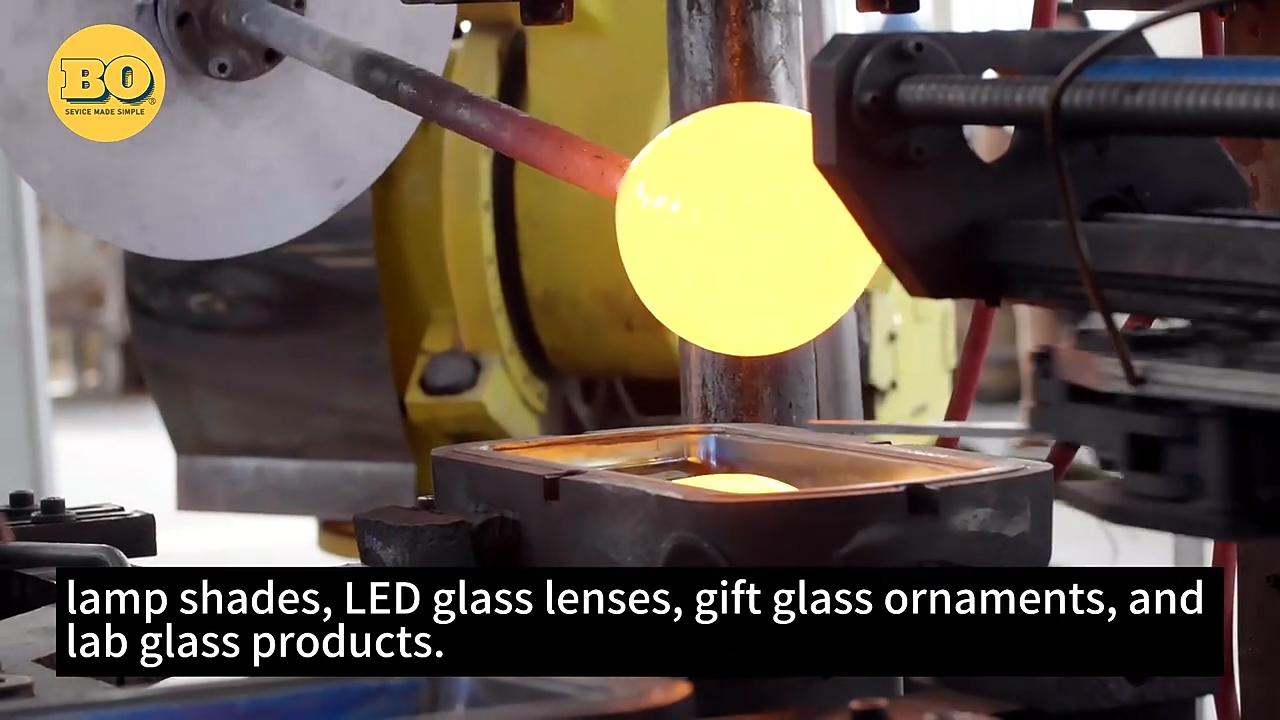
Our premises have been checked during third-party verification, and our export operation handles fragile glass packing for sea and air freight. Buyers can review supplier assessment, trade capacity, transaction history and factory video before placing a sample order.
Fast technical response and sample discipline
Our average response time is within six hours. We separate sample approval from mass production, confirm critical dimensions and record the agreed specification. That discipline is especially important when a buyer is comparing several China suppliers with similar-looking catalogues.
Evidence, Not Just a Homepage Claim
Procurement teams can audit us before they commit. Review the factory video, request inspection records, arrange a video call or plan a third-party audit. For fragile optical parts, the packing method is part of the quality system, not an afterthought.



For export, parts are separated by foam or pulp dividers, packed in reinforced cartons and palletised for sea or air freight. Custom labels and distributor packaging can be arranged. If a lens is optically critical, we can discuss individual protective wrapping and inspection sampling before shipment.
From Drawing to Mass Production: A Controlled Six-Step OEM Workflow
Clear checkpoints reduce surprises between sample approval and volume production. Each step is designed to expose a technical or commercial issue while it is still inexpensive to fix.
Drawing review
DFM check of thickness, draft, tolerance, sealing face, optical path and intended cleaning exposure. We ask for the annual volume and target standard at this stage.
Mold and tooling
New or existing molds are selected for pressing, blowing or grinding. Tooling decisions are linked to the required surface quality and the cost target.
Sampling
Samples are measured, photographed and sent for your fit, light and environmental test. Critical dimensions are recorded before approval.
Forming and annealing
Controlled annealing or tempering relieves stress and supports thermal-shock performance. Process records help keep repeat orders consistent.
Coating and QC
AR or colour coating is applied where specified, followed by dimensional, visual and transmission checks. Packing validation can be included.
Export packing
Divider-packed cartons are palletised for sea or air. Labels, inspection records and custom distributor packaging are confirmed before shipment.
Tempered Glass Lens Procurement FAQ
These are the questions our engineering and export teams answer most often when buyers compare a China glass manufacturer, a local distributor and an existing fixture supplier.
Can you manufacture glass lenses and covers to my own drawing?
Should I choose borosilicate glass or tempered soda-lime glass?
What MOQ and sampling route should I expect?
Do you supply glass for FAA L-810, EN 50293, IP68 or explosion-protected fixtures?
How do you control colour, transmission and coating consistency?
How are fragile lenses packed for export?
Have a Drawing? Get a DFM Review and Quotation Within Six Working Hours
Send your 2D/3D drawing, annual volume, operating temperature, target standard and any colour or coating requirement. Our engineers will review manufacturability, propose the glass grade and packing route, and return a quotation with clear assumptions.
Typical RFQ inputs: diameter, thickness, tolerance, edge profile, transmission target, sealing method and destination market.