Eight Precision Glass Products for Cylindrical Lens and Optical OEM Programs
Cylindrical lens buyers often evaluate a supplier’s broader optical capability before releasing a drawing. The products below show adjacent glass forming, AR coating, thermal resistance, Fresnel optics, filtering, and inspection experience that support custom cylindrical lens, laser-line, and optical assembly projects.
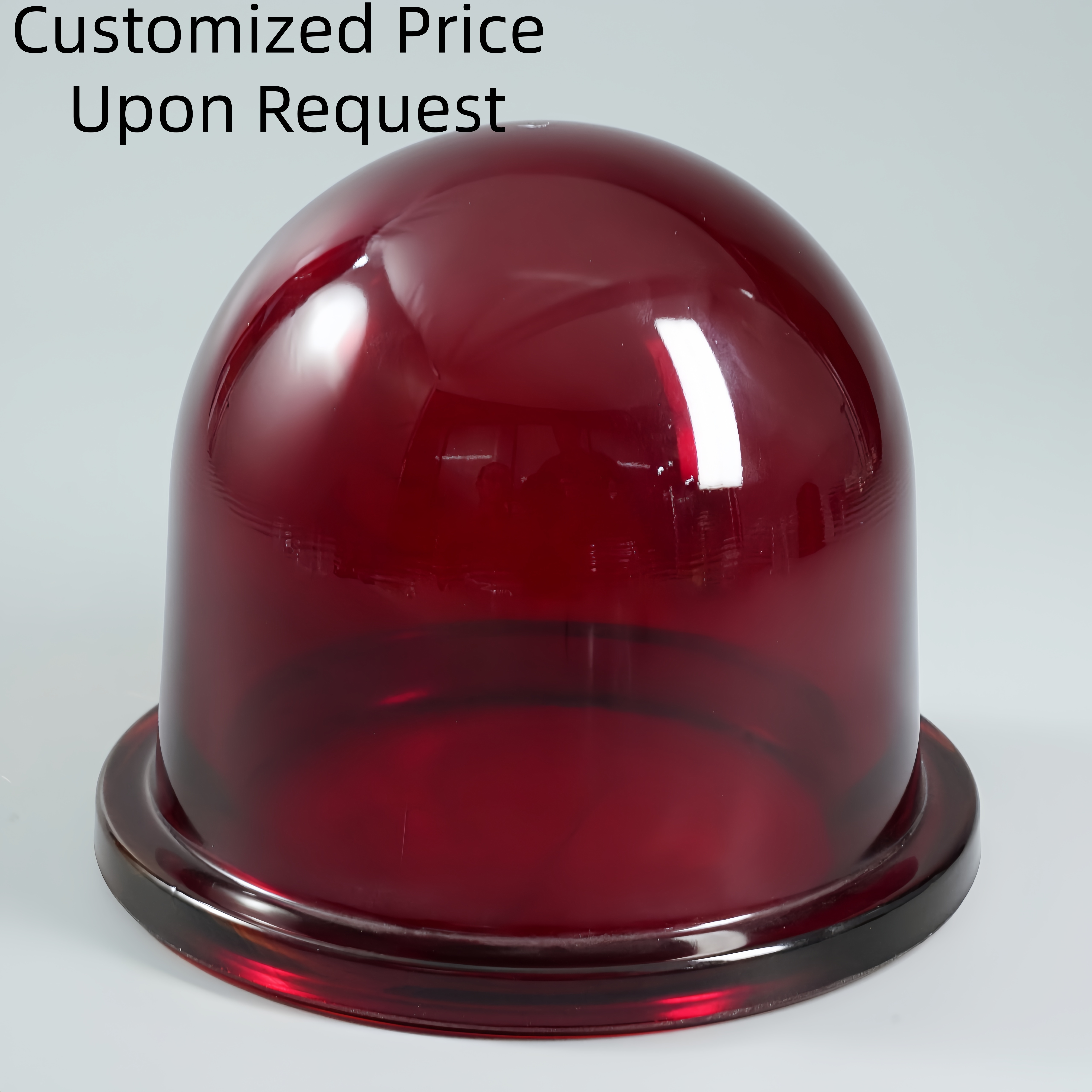
High-temperature Resistant Pressed Glass Shade, Explosion-proof & Crack-proof, Outdoor Street Light Specific
For outdoor fixtures exposed to thermal cycling, rain shock, and impact; wall thickness, sealing face, and radius should be confirmed from the drawing.
View pressed shade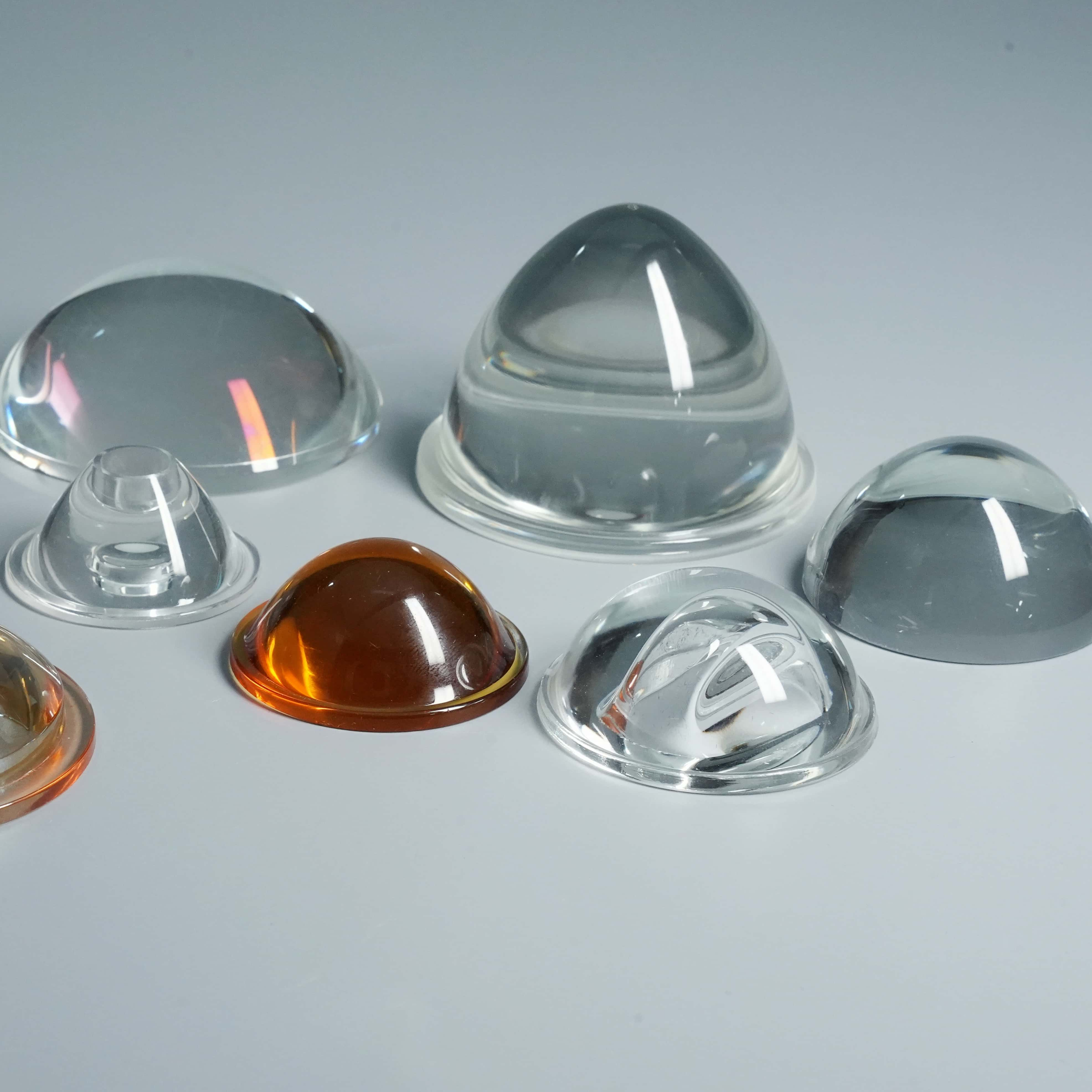
Custom Borosilicate Glass LED Grow Light Convex Lens with Anti-Reflective Coating for Indoor Farming Full Spectrum Lighting
An AR-coated borosilicate convex lens for full-spectrum horticulture lighting and a useful reference for beam-shaping and coating discussions.
View grow light lens
Wholesale OEM Shape Size Borosilicate Glass 175mm Diameter AR Coating Double Plano Convex Achromatic Fresnel Lens BO GLASS Stage
Demonstrates custom diameter, AR coating, optical alignment, and high-temperature borosilicate capability for demanding lighting optics.
View Fresnel lens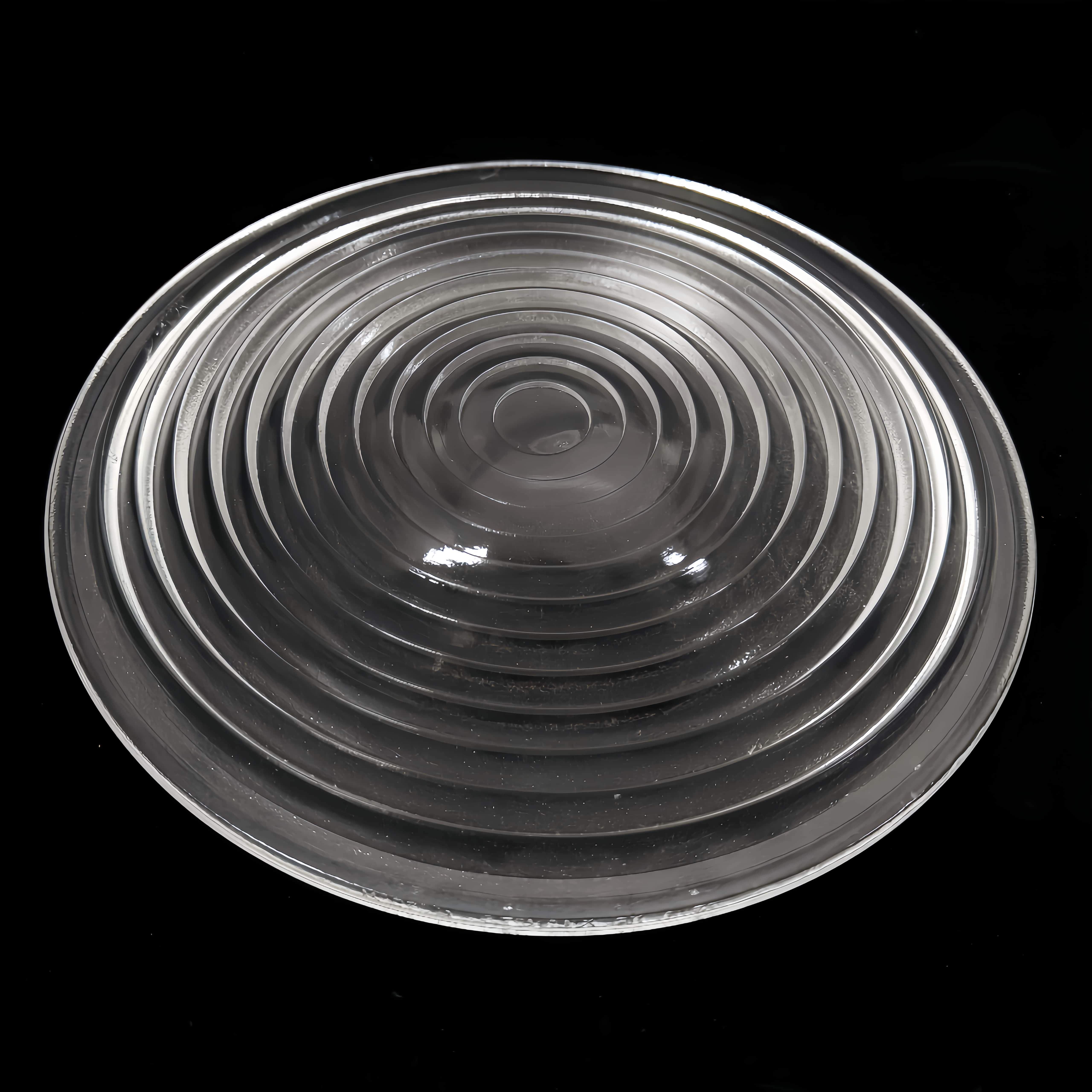
Precision Molded Borosilicate Glass Fresnel Lens Stage Lighting Anti-Reflective Coating FAA/ICAO Standards 175mm BO GLASS OEM
A precision-molded Fresnel option for stage and signal optics where coating uniformity, controlled light distribution, and repeatability matter.
View precision Fresnel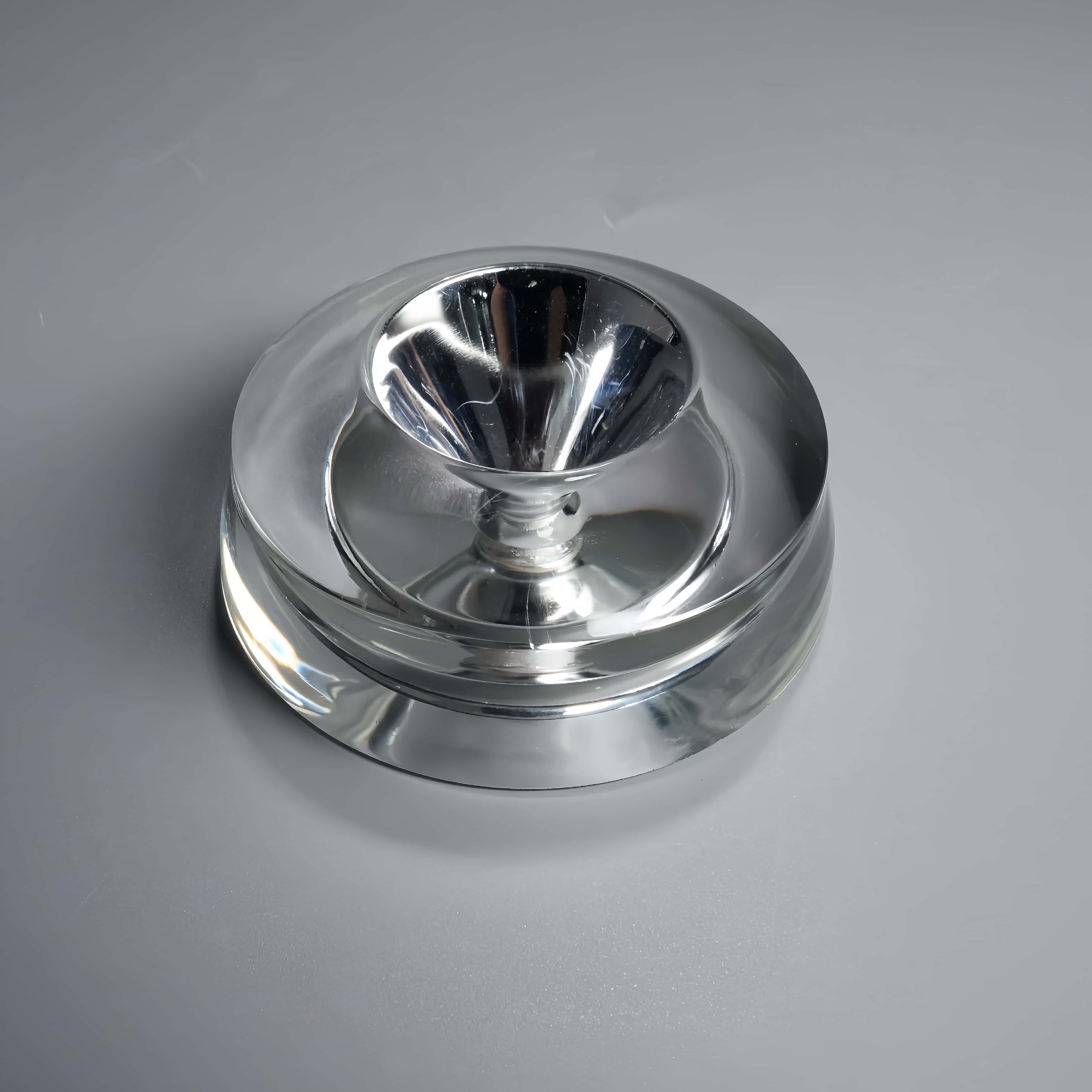
Factory China Custom Size Mold Pressed Borosilicate Bk7 K9 Eco-Friendly LED Optical Glass Lens for Taxiway Runway Airport Ground
For runway, taxiway, and airport ground lighting projects requiring mold-pressed glass, material selection, and dimensional consistency.
View runway lens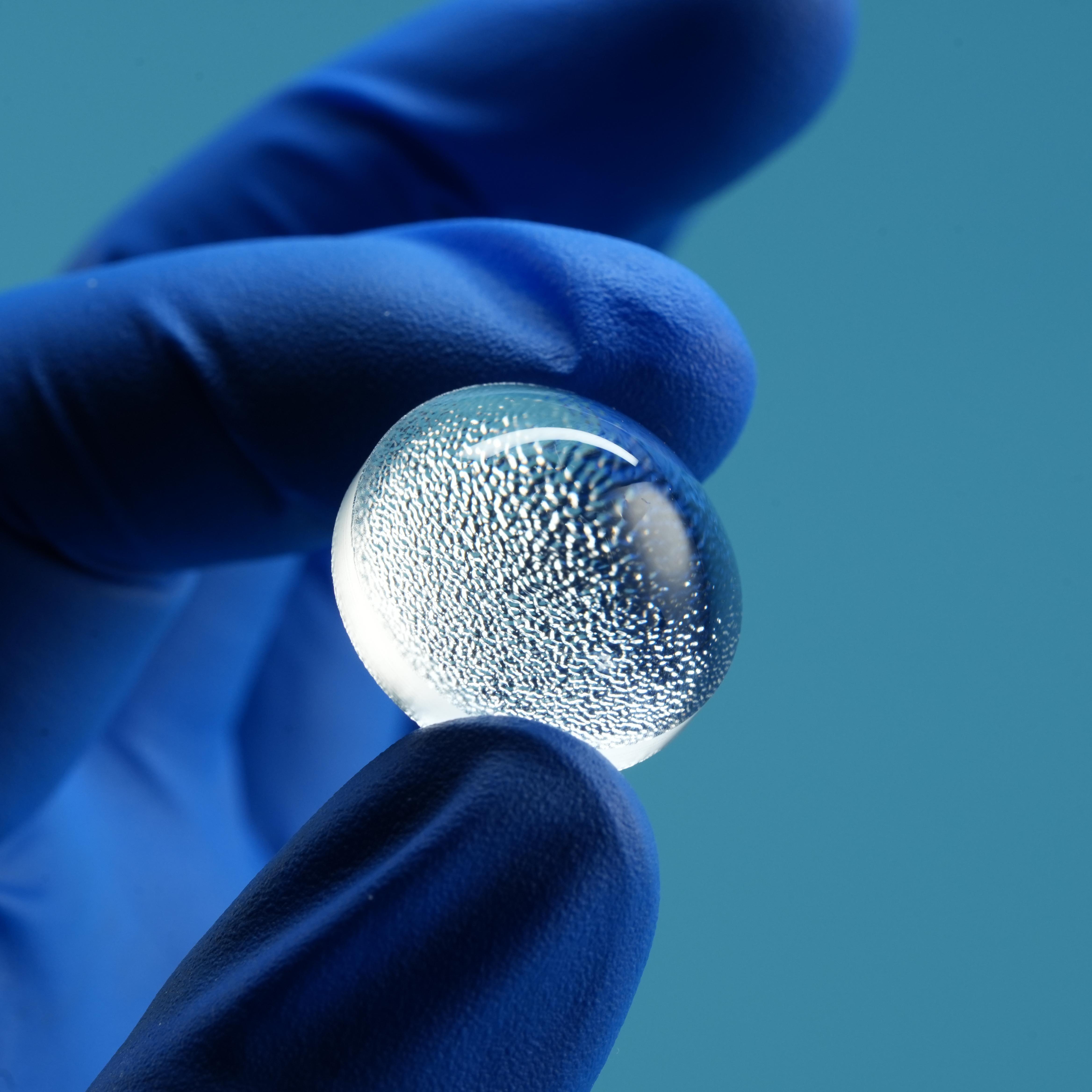
Factory Price Custom Precision Optical 1-200mm Clear BK7 Spherical Quartz Glass Half Ball Concave/Biconvex Lens Anti-Reflective
A reference for custom BK7, quartz, spherical, and AR-coated optical fabrication where diameter, surface quality, and edge finish are specified.
View precision lens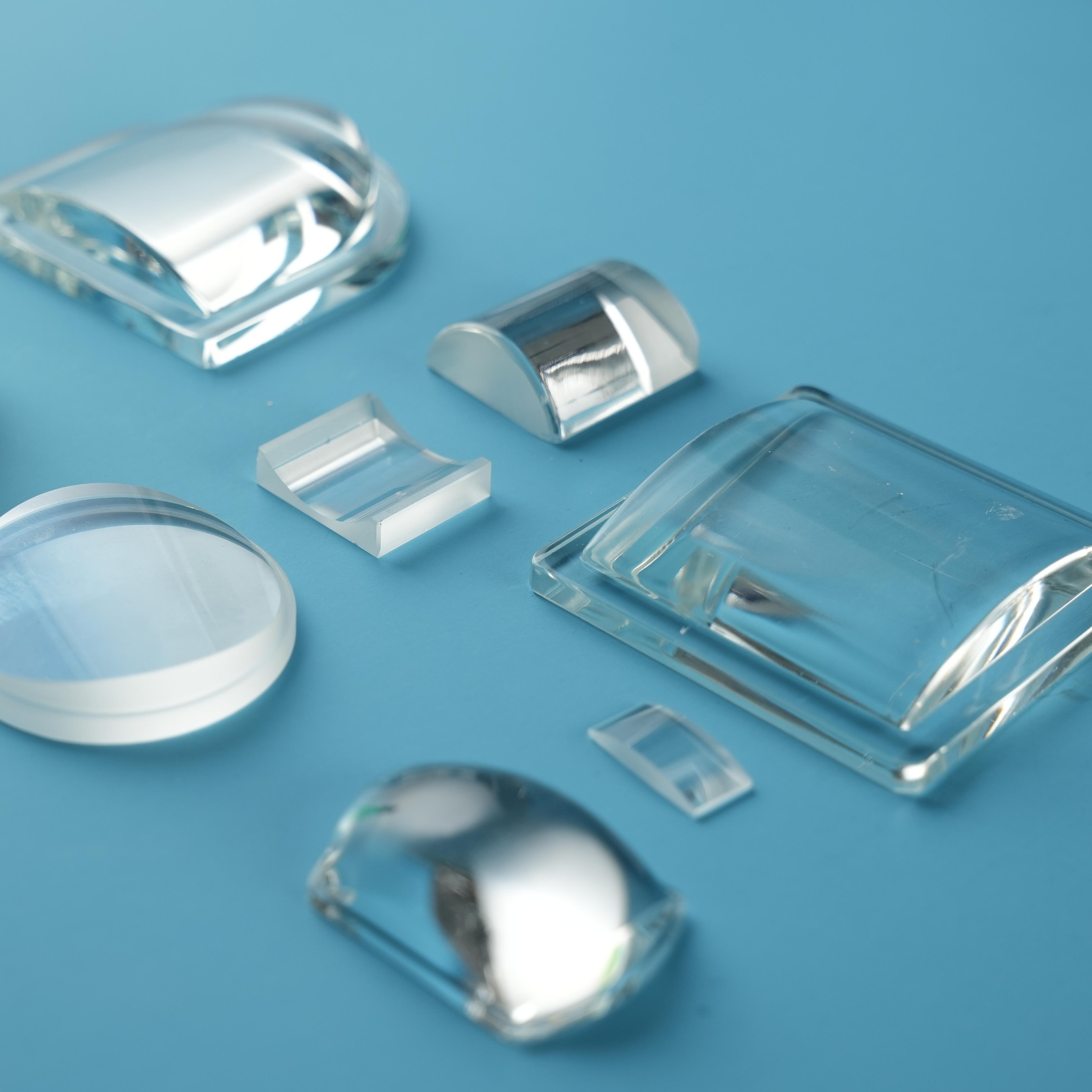
Manufacturer Custom OEM Anti-Reflective Laser Glass Optical Borosilicate UVC Plano Convex Cylindrical Biconvex Lens
Directly relevant to cylindrical lens sourcing: AR coating, laser optics, plano-convex forms, material choice, and OEM customization in one scope.
View laser cylindrical lens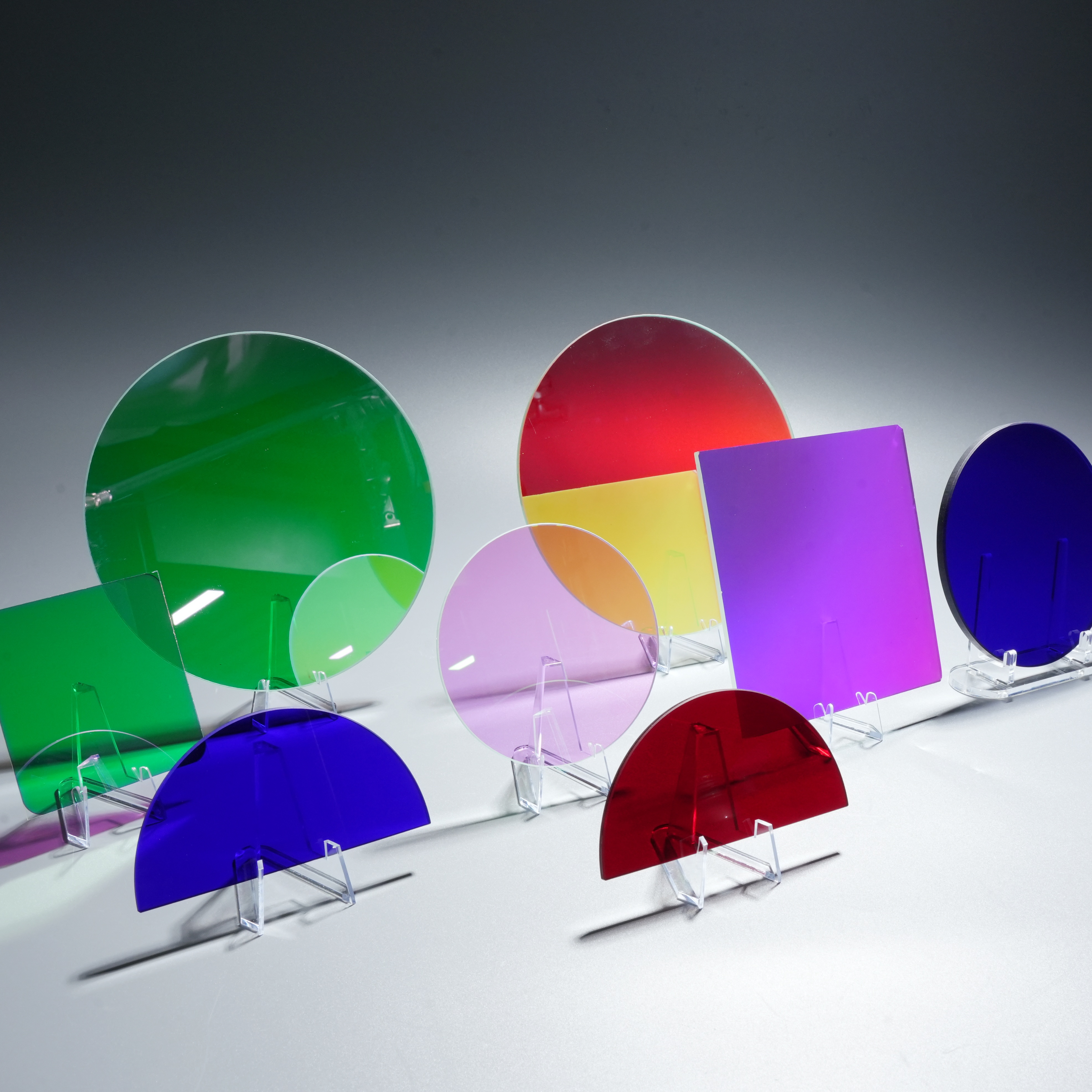
BO-GLASS BO-AH242 Manufacturer Customized High Precision 590Nm 49Mm Coated UV Borosilicate Bandpass Longpass Optical Filter
A coating and filtering example for optical systems that need wavelength control, customized diameter, and consistent coated borosilicate substrates.
View optical filterHow to Source Cylindrical Lenses from China Without Sacrificing Optical Performance
The search intent behind “China top cylindrical lens manufacturers & wholesalers” is rarely satisfied by a directory. A serious buyer is trying to reduce the risk of a lens that looks correct in a catalog but fails at the fixture, coating, cleaning, or certification stage. The practical question is: who can read a drawing, flag an unmanufacturable radius, recommend borosilicate versus BK7 or fused quartz, control coating uniformity, and ship with records that survive an audit?
This guide is written from the perspective of an OEM glass supplier based in Shanghai with more than a decade of experience matching lighting and optical glass to real luminaires and sensor packages. Shanghai Tambi Glass Industrial Co., Ltd. works on a drawing-based model and covers pressed, blown, ground, polished, and coated glass processes. That experience matters for cylindrical lens programs because the component is often part of a larger opto-mechanical assembly: a laser line generator, machine-vision module, LiDAR window, runway light, stage fixture, or scientific instrument.
China’s optical manufacturing base offers deep process capability, flexible tooling, and a mature coating ecosystem. It also creates a new problem: many suppliers can quote, but fewer can provide engineering feedback, repeatable metrology, and export-ready packaging. The best procurement strategy is therefore not to chase the lowest line item. It is to qualify a supplier whose process control fits your annual volume, tolerance class, and certification exposure.
RFQ Packet Checklist
- 2D/3D drawing with radius, EFL, center thickness, and clear aperture
- Material grade, transmission range, and laser or temperature exposure
- Dimensional, angular, and surface-quality tolerances
- AR, bandpass, longpass, or protective coating requirements
- Operating temperature, cleaning method, and mounting interface
- Annual volume, sample quantity, and packaging or labeling rules
- Certification or reporting needs for the finished fixture
What to Specify Before Comparing Cylindrical Lens Quotations
A cylindrical lens is not only a radius and a diameter. The quotation becomes meaningful only when geometry, material, coating, inspection, and packaging are specified together.
| Parameter | Why It Changes the Outcome | Practical Buyer Check |
|---|---|---|
| Optical form | Plano-convex, plano-concave, biconvex, meniscus, rod lens, and lens arrays produce very different line widths and aberrations. | State the intended function, not only the radius: collimation, line generation, beam expansion, or imaging. |
| Material | Borosilicate 3.3 handles thermal shock; BK7 supports homogeneous precision optics; fused quartz serves UV and high heat; tempered soda-lime balances impact and cost. | Match material to wavelength, lamp temperature, cleaning cycle, impact risk, and the coefficient of expansion of the mount. |
| Dimensions & tolerance | Center thickness, width, length, clear aperture, and edge thickness affect mounting, wavefront, and yield. | Separate critical optical tolerances from non-critical outline dimensions to avoid unnecessary cost. |
| Surface quality | Scratches, digs, polish quality, and edge chips can scatter light or initiate cracks under thermal stress. | Use a defined scratch-dig or visual standard and request first-article photos or measurement reports. |
| Coating | AR coatings raise transmission; bandpass and longpass coatings control wavelength; laser coatings influence damage threshold. | Provide wavelength range, incidence angle, target reflection or transmission, and environmental test requirements. |
| Edge & chamfer | Sharp edges are handling and assembly risks; excessive chamfer can reduce clear aperture. | Confirm chamfer size, edge finish, and whether the lens will be bonded, clamped, or seated in a gasket. |
| Inspection | Dimensional reports, transmission checks, interferometry, or visual inspection must match the risk level of the program. | Ask which measurements are routine and which are subcontracted, then agree on AQL and record format. |
| Packaging | Fragile optics can pass final inspection and still fail after international freight if dividers and cartons are inadequate. | Require separated parts, clean packaging, reinforced export cartons, and palletization for sea or air freight. |
Use this matrix as a procurement checklist; final production specifications should always be confirmed against the drawing, fixture design, and applicable certification requirements.
What Global Buyers Will Expect from China Cylindrical Lens Suppliers
Price competition remains important, but the purchasing decision is moving toward verified performance, documentation, dual sourcing, and faster engineering cycles.
Performance Before Unit Price
Laser-line uniformity, wavefront error, coating durability, and transmission are becoming purchase-order requirements. Buyers are learning that a low quote is expensive when line quality drifts or field returns rise.
Dual Sourcing and Audit-Ready Records
Procurement teams want a qualified China source plus documented inspection, material traceability, and packaging standards. Supplier verification pages and third-party assessments help shorten qualification.
Small-Batch Customization
Projects increasingly start with 50–500 pieces rather than full-container volumes. Flexible tooling, sample evaluation, and drawing-based production become more valuable than a huge catalog.
Coating and Metrology in the PO
AR, bandpass, longpass, and laser coatings are no longer optional add-ons. Buyers ask for wavelength targets, incidence angles, environmental tests, and recorded metrology before approval.
Material Compliance and Clean Packaging
RoHS, REACH, labeling, and waste-reduction expectations are moving into optical sourcing. Clean, separated, and distributor-ready packaging reduces contamination and inbound inspection time.
Faster Technical Response
Engineering teams expect a response within hours, not weeks. A supplier that can review drawings, flag manufacturability issues, and propose a sample route accelerates the entire product launch.
How Cylindrical Lens Products Are Evolving
The next generation of optical systems demands smaller packages, higher power, broader wavelength coverage, and stronger evidence that the lens will perform after assembly.
Low Wavefront Error and Tighter Line Control
Cylindrical lenses for laser line generation and machine vision are moving toward tighter radius control, lower wavefront error, and better uniformity across the clear aperture.
High-LIDT and Application-Specific AR Coatings
Laser processing, UVC, LiDAR, and sensing applications require coatings designed for the working wavelength and power level, not a generic AR layer.
Hybrid Material Strategies
Fused quartz, borosilicate 3.3, BK7, and tempered glass are selected by trade-off: UV transmission, thermal shock, impact strength, cost, and optical homogeneity.
Micro-Optics and Cylindrical Arrays
Compact sensors and line-projectors are pushing demand for smaller cylindrical elements, arrays, prism combinations, and integrated subassemblies.
Outdoor and Harsh-Environment Durability
Airport, marine, industrial, and horticulture lighting require lenses and covers that resist thermal cycling, moisture, cleaning chemicals, and UV exposure.
Data-Driven Quality Documentation
Inspection records, first-article reports, coating data, and packaging photos are becoming part of the product itself, especially for OEM buyers with audit obligations.
Borosilicate, Tempered Glass, Fused Quartz, or BK7?
Material selection is one of the fastest ways to reduce field failures. The right choice depends on temperature, wavelength, impact, cost, and the coefficient of expansion of the surrounding assembly.
| Material | Thermal Expansion (×10⁻⁶/K) | Typical Max. Working Temp. | Key Strength | Best For |
|---|---|---|---|---|
| Borosilicate 3.3 | ≈ 3.3 | ≈ 450 °C | Excellent thermal-shock resistance | Explosion-proof shades, high-power LED covers, Fresnel lenses |
| Tempered soda-lime | ≈ 9.0 | ≈ 250 °C | High impact strength, economical | Outdoor covers, floodlight glass, vandal-resistant lenses |
| Fused quartz | ≈ 0.55 | ≈ 1000 °C+ | UV transmission, extreme heat | UV optics, high-temperature windows |
| Optical BK7 (H-K9L) | ≈ 7.1 | ≈ 300 °C | Homogeneous, nd ≈ 1.517 | Precision lenses, prisms, mirrors, filters |
For cylindrical lens projects, ask four questions first
- What wavelength range and power level must pass through the lens?
- Will the lens see rain, washdown, high lamp temperature, or rapid thermal cycling?
- Does the mount use glass, metal, or polymer with a different expansion rate?
- Is the priority line width, transmission, laser damage threshold, impact resistance, or cost?
Values are typical references. Final specification is confirmed against your drawing, operating conditions, and the standard your fixture must meet.
A Controlled OEM Process for Custom Optical Glass
Clear checkpoints reduce surprises between sample approval and mass production. The same discipline used for lighting glass applies to cylindrical lens and precision optical projects.
Drawing & Feasibility Review
Engineers review thickness, radius, draft, tolerance, sealing face, optical path, and coating exposure before tooling starts.
Mold, Tooling & Process Route
The team selects pressing, blowing, grinding, polishing, or a combined route based on geometry and volume.
Sampling & First Article
Samples are measured and sent for fit, light, transmission, or assembly testing before mass production approval.
Forming & Annealing
Controlled annealing or tempering relieves stress and supports thermal-shock performance in the finished fixture.
Coating & Inspection
AR or color coating, dimensional checks, visual inspection, and agreed reports are completed before packing.
Export Packing
Parts are separated by dividers, packed in reinforced cartons, and palletized for sea or air freight.
Where Custom Cylindrical and Optical Glass Creates Value
Different applications stress glass differently. The material, coating, and inspection plan should come from the operating environment, not from a generic catalog page.
Laser Line Generation
Cylindrical lenses shape beams for alignment, scanning, inspection, and machine-vision illumination.
Machine Vision
Line uniformity, low scatter, and stable mounting matter in high-speed inspection and measurement systems.
LiDAR & Sensing
Domes, windows, prisms, and filters support optical sensing packages exposed to outdoor conditions.
Airport & Aviation
Runway, taxiway, and obstruction lighting rely on stable red and clear transmission and thermal durability.
Marine & Offshore
Signal-light covers and handblown or pressed glass must resist salt spray, UV, and weather exposure.
Stage & Entertainment
Fresnel and effect lenses must survive high-power LED heat while protecting beam quality.
Horticulture Lighting
AR-coated convex lenses support full-spectrum LED output in indoor farming and research environments.
Scientific & Medical
Filter, window, and precision lens projects require clear drawings, coating control, and recorded inspection.

Drawing-Based Glass Manufacturing from Shanghai
Shanghai Tambi Glass Industrial Co., Ltd. is a manufacturer and trading company based in Shanghai, China, with 11–50 team members and more than 10 years of experience in lighting and optical glass. The company supplies custom borosilicate covers, explosion-proof lampshades, signal-light domes, LED lenses, Fresnel optics, prisms, and bandpass filters to OEM lighting buyers worldwide.
For cylindrical lens buyers, the advantage is not a single stock item. It is the ability to combine drawing review, mold and tooling decisions, forming, annealing or tempering, AR coating, inspection, and export packing in one supply chain. The team works with borosilicate, tempered soda-lime, fused quartz, and BK7, and supports drawing-based OEM/ODM projects from prototype to volume.
The company’s trade profile can be reviewed through its supplier assessment, credit index, transaction level, trade capacity, trade history, and buyer ratings and reviews. A factory video is also available through the company video introduction.
Drawing-First OEM/ODM
Most orders are drawing-based. Engineers review manufacturability, propose mold options, and confirm samples before mass production.
Multi-Process Production
Pressed, blown, ground, polished, and coated glass processes are coordinated under one supply chain for different geometries and volumes.
Thermal & Hazardous Expertise
Borosilicate and tempered glass experience supports explosion-proof shades, outdoor fixtures, signal lights, and high-power LED covers.
AR & Optical Coating
Anti-reflective, bandpass, longpass, and color coating requirements can be aligned with the optical function and material substrate.
Verified Trade Profile
Supplier assessment, credit, transaction, capacity, history, and buyer-feedback records are available for procurement review.
Fast Technical Response
The average response time is within 6 hours. Send a drawing and annual volume for a technical and commercial review.
Common Questions About Cylindrical Lens Procurement from China
These are the questions procurement teams ask most often when moving from catalog search to a qualified custom optical glass supplier.
Can you manufacture cylindrical lenses and optical glass parts to my own drawing?
What should I include in an RFQ for a custom cylindrical lens?
What is the typical minimum order quantity?
Should I choose borosilicate glass, BK7, fused quartz, or tempered soda-lime glass?
Do you supply glass for FAA L-810 and EN 50293 lighting fixture designs?
How are optical quality and coating consistency controlled?
How fast do you reply to technical inquiries?
How are fragile glass and optical parts packed for export?
Send Your Cylindrical Lens Drawing for an Engineering Review
Share your dimensions, material, coating target, operating temperature, and annual volume. The engineering team will review manufacturability and suggest a practical glass and process route for your fixture or optical assembly.
Average response within 6 hours · info@tambiglass.com · Shanghai, China