OEM / ODM glass engineering · Shanghai, China

China Top Custom Tempered Glass Factories & Exporter

Drawing-based tempered, borosilicate and optical glass for lighting, aviation, marine, industrial, automotive and sensing OEMs — engineered for heat, impact, optical clarity and export-ready traceability.

Product recommendations

Eight Custom Tempered Glass Products for Global Buyers

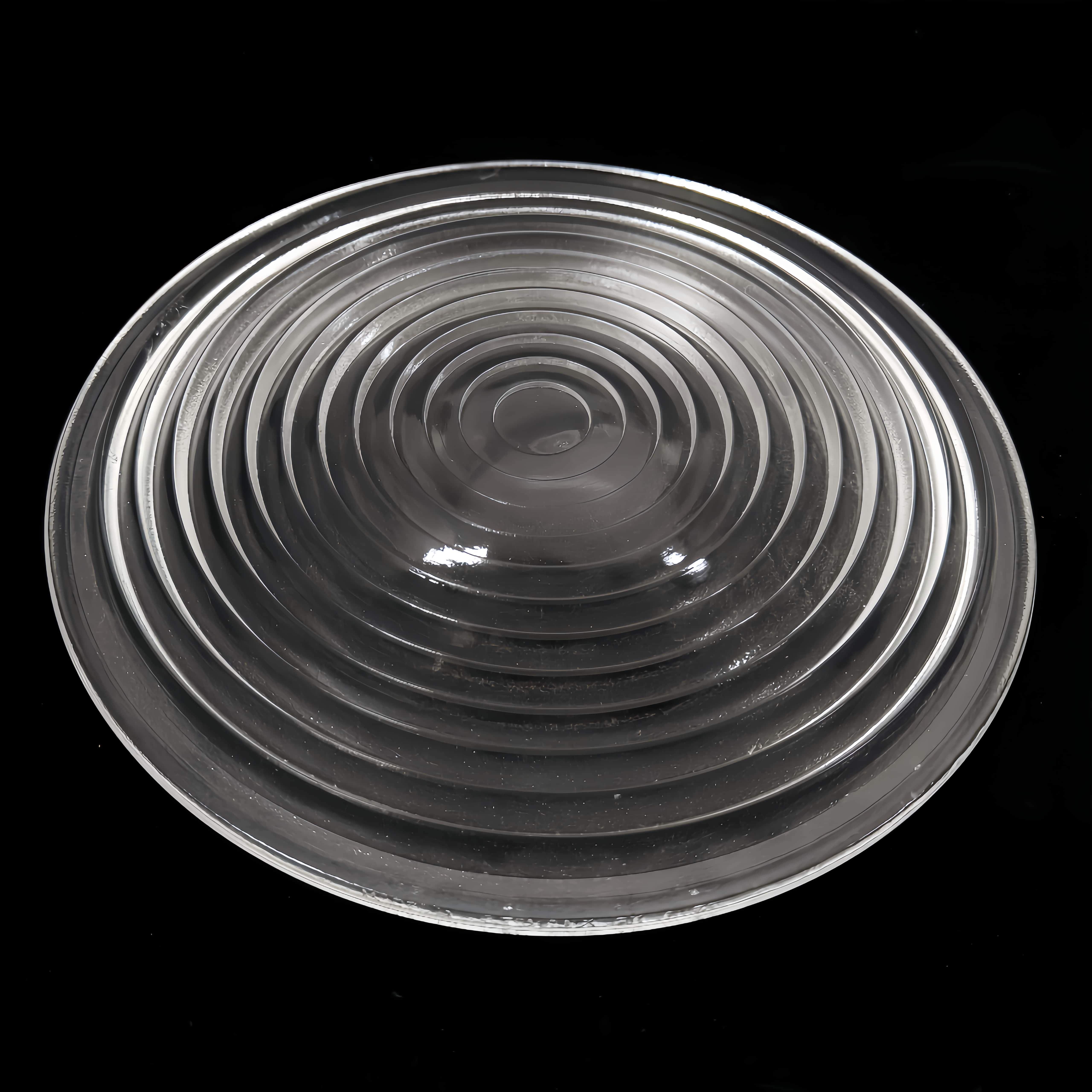
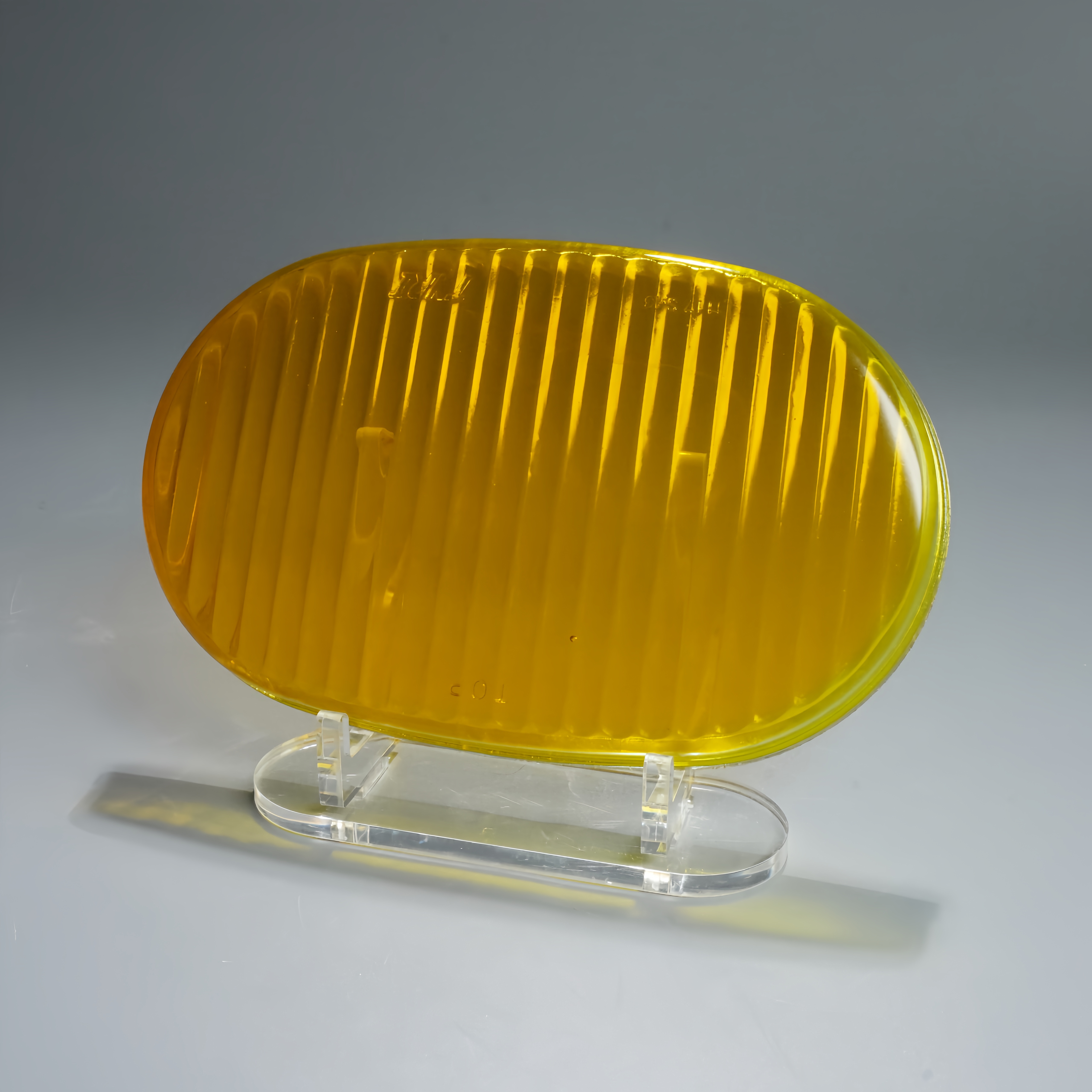
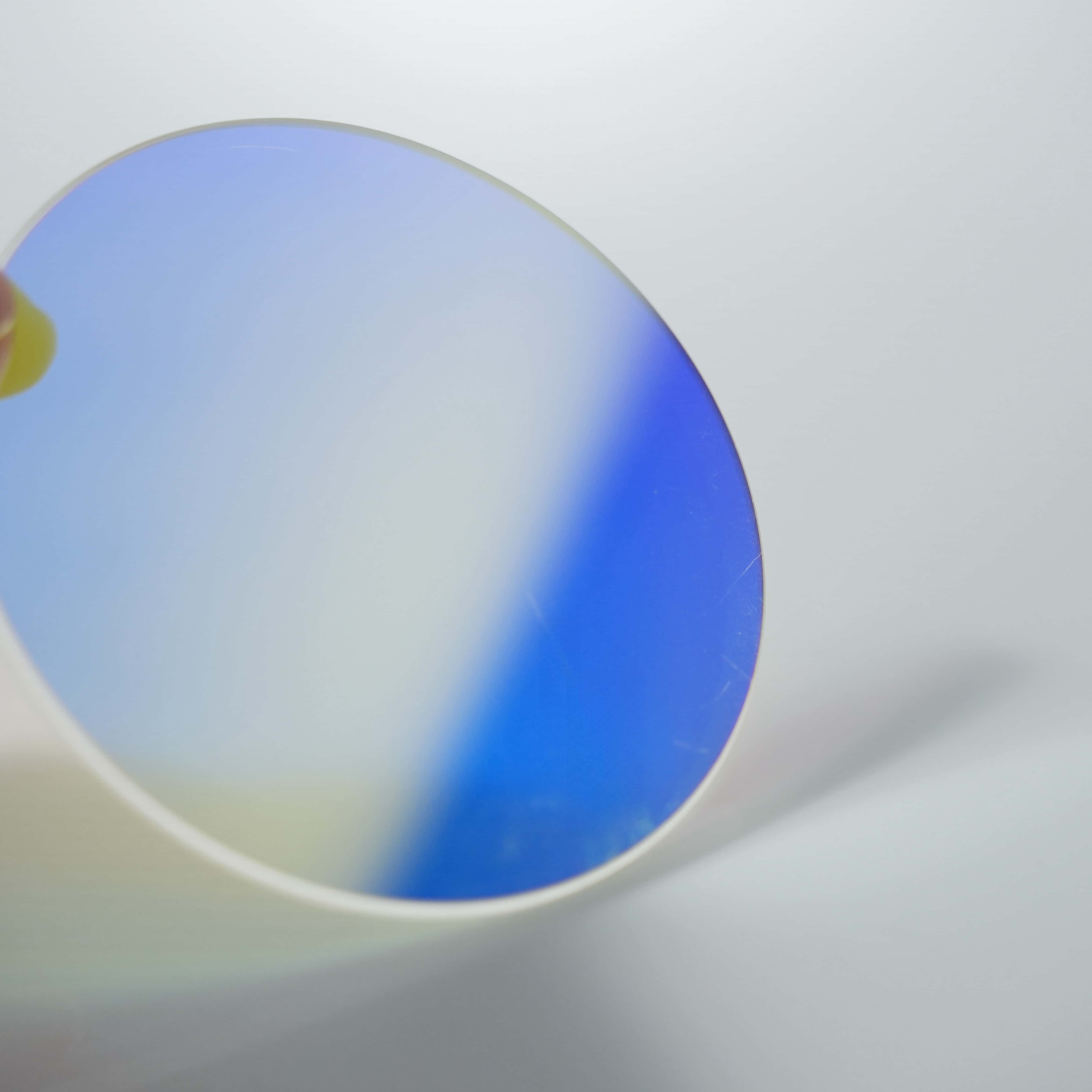
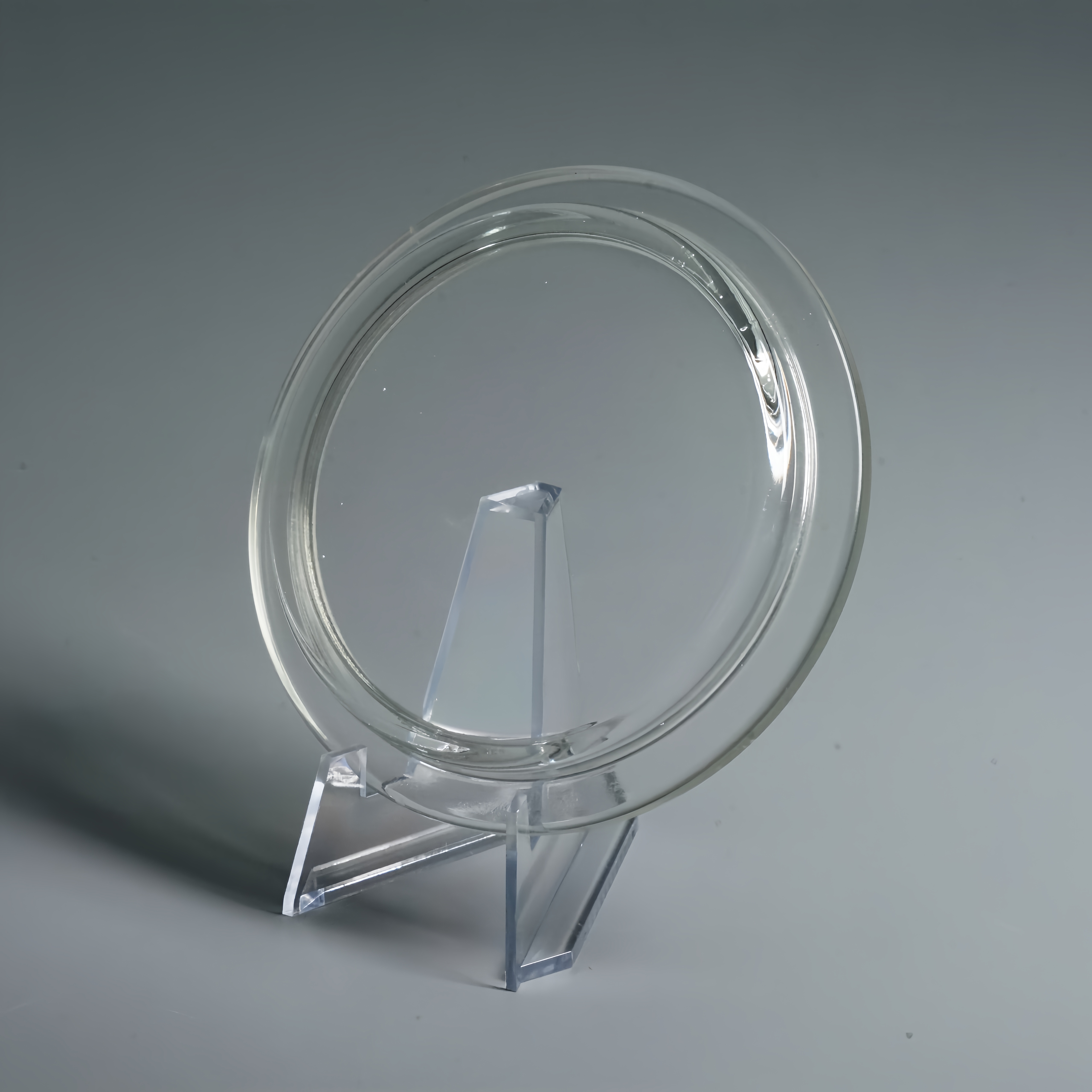
These eight production-ready glass families represent the practical search intent behind “China top custom tempered glass factories and exporter”: buyers need a supplier who can match a drawing, control optical performance, support low-to-medium MOQs and deliver fragile glass safely across borders. Each product below can be adapted in dimension, thickness, color, coating, edge profile and packaging.

Need a custom tempered or borosilicate glass part?

Send a 2D/3D drawing, annual volume and operating conditions. Our engineers will review material, tooling, coating and packing before quotation.

Get a Quote
Why China sourcing still wins

What “Top Custom Tempered Glass Factories & Exporter” Should Really Mean

The phrase is not a ranking claim; it is a buyer intent signal. Procurement teams want a factory with engineering depth, controlled thermal processing, optical finishing, export packing and transparent verification.

China remains a major source for custom glass because the supply chain combines mold-making, glass forming, annealing or tempering, grinding, polishing, coating, printing and export packaging in a compact industrial ecosystem. For tempered glass in lighting, aviation, marine and industrial equipment, the advantage is not simply lower cost. It is the ability to iterate quickly across material selection, wall thickness, sealing geometry, optical coating and drop-test packaging before a container is booked.

A credible exporter should be able to explain why borosilicate 3.3 may outperform tempered soda-lime glass in a high-temperature LED fixture, how annealing relieves stress after pressing, how AR coating changes transmission, and how fragile parts are separated for sea freight. That is the information gain serious buyers look for — not a catalog of shapes, but evidence that the supplier understands the failure modes inside real luminaires and instruments.

10+Years in lighting and optical glass
≤6hAverage technical inquiry response
11–50People supporting OEM/ODM projects
US$2.5M–5MAnnual export revenue record
Shanghai Tambi Glass production workshop for custom lighting glass Glass lampshade forming and finishing line Quality inspection of custom borosilicate glass covers
Enterprise advantage

Shanghai Tambi Glass: A Drawing-Based Glass Engineering Partner

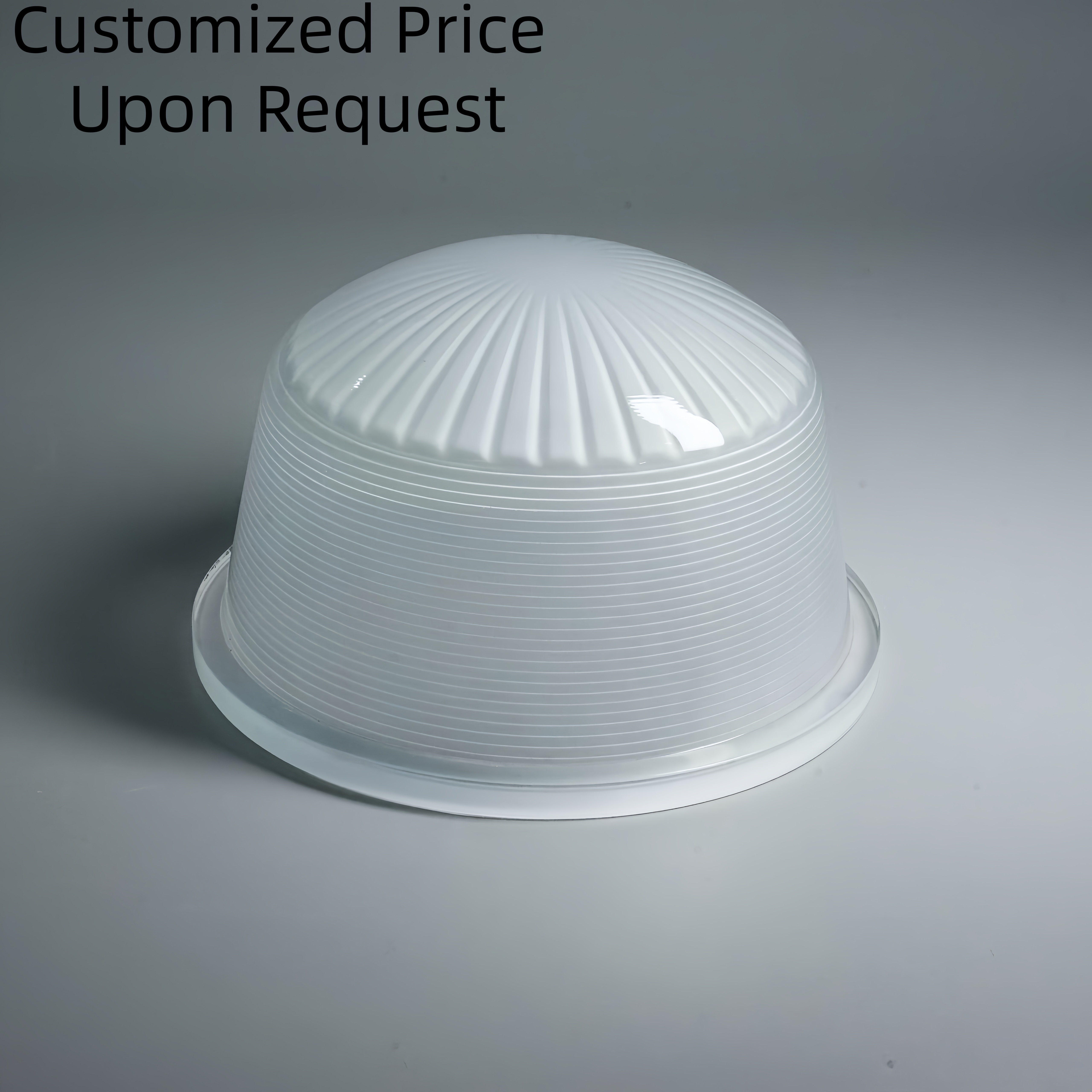
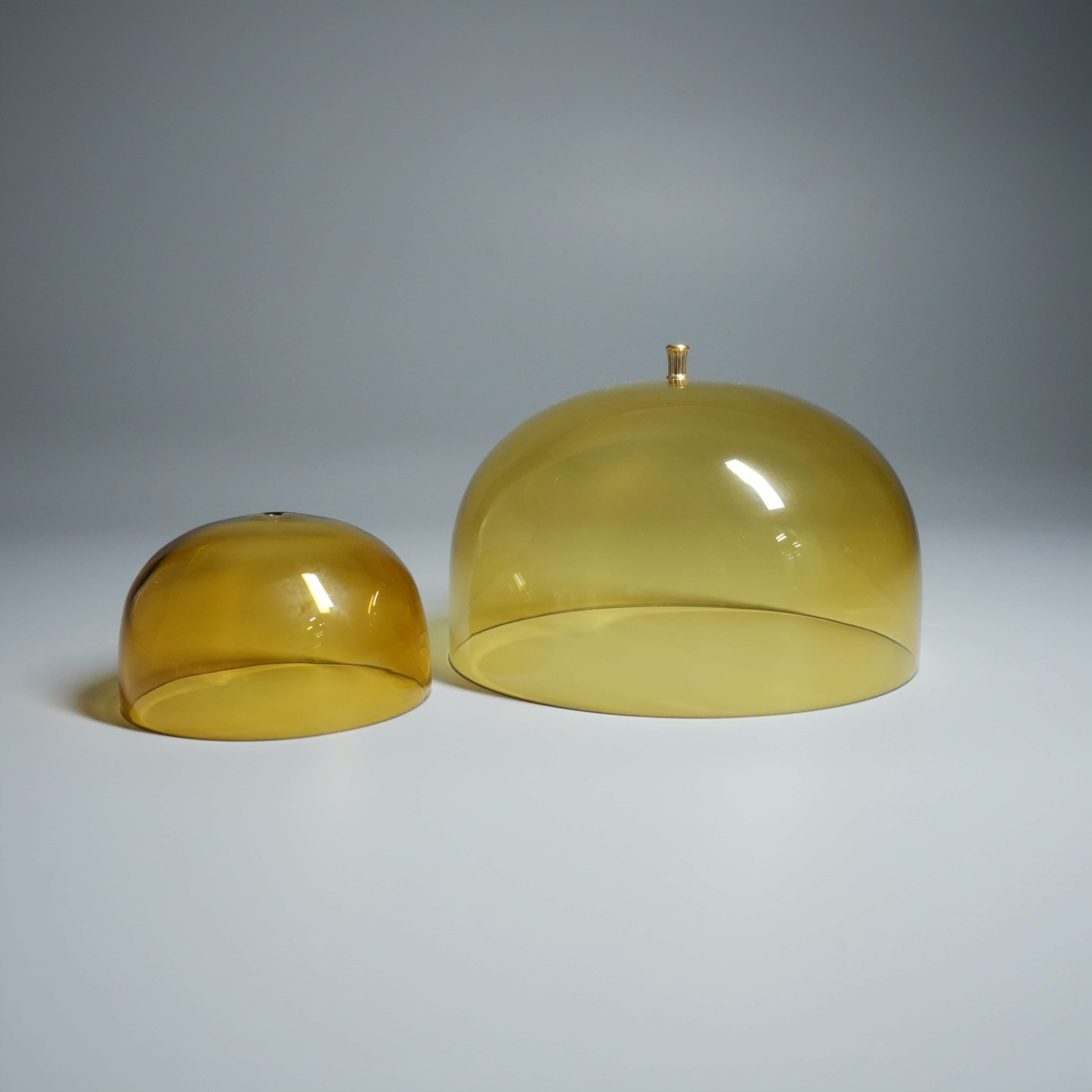
Shanghai Tambi Glass Industrial Co., Ltd. is a manufacturer and trading company focused on custom borosilicate glass covers, tempered glass lampshades, signal light domes, explosion-proof shades, LED lenses, Fresnel lenses, prisms, optical windows and filters. The company has more than a decade of experience in lighting glass and serves OEM buyers in Europe, North America, Japan and other export markets.

The engineering approach starts with the drawing, not with a stock mold. Senior lighting and molding engineers review wall thickness, draft angle, tolerance stack-up, sealing face flatness, optical path alignment and coating requirements before tooling begins. That review reduces the risk of cracks around screw holes, light leakage at gasket interfaces, color shift in signal lenses and coating failure under high junction temperature.

Because pressed, blown, ground, polished and coated processes are coordinated through one supply chain, buyers can compare material and process options without managing several unrelated workshops. The team also supports samples, dimensional reports, visual inspection records, custom labels and export packaging for distributors and fixture makers.

  • Drawing-based OEM / ODM production
  • Borosilicate, tempered, quartz and BK7
  • AR, color and optical coating support
  • Onsite-verified supplier profile
  • Press, blow, grind and polish processes
  • Export packing for fragile glass
Location
Shanghai, China
Business type
Manufacturer & trader
Team size
11–50 people
Get a Quote

Engineering before tooling

DFM review of thickness, draft, sealing faces, tolerance and optical alignment helps prevent field failures before mold cost is committed.

Material breadth

Borosilicate 3.3, tempered soda-lime, fused quartz and optical BK7/K9 are matched to temperature, impact and transmission requirements.

Optical finishing

AR coating, bandpass and longpass filters, prism grinding and Fresnel molding support LED, LiDAR, spectroscopy and sensor programs.

Export-ready transparency

Verification records, trade capacity, inspection support and divider-packed cartons help procurement teams complete supplier qualification faster.

Product development trends

Where Custom Tempered Glass Is Moving Next

Glass is no longer a passive cover. In high-power lighting and optical systems, it is part of thermal management, beam control, environmental sealing and brand differentiation. These six product trends are shaping supplier roadmaps for the next procurement cycle.

Trend 01

Higher temperature tolerance for dense LED arrays

As LED modules become more compact and powerful, covers and lenses face higher surface temperatures and sharper thermal gradients. Borosilicate 3.3, controlled annealing and stress-free sealing faces are becoming baseline requirements rather than premium options. Buyers increasingly ask for material curves, annealing records and thermal-shock test discussions during sampling.

Trend 02

Optical coatings integrated into mechanical design

Anti-reflective coatings, bandpass filters and cut-edge treatments are being specified together with gasket grooves and housing tolerances. The goal is to reduce glare, improve transmission and protect sensor accuracy without adding separate optical assemblies. This pushes suppliers to combine glass forming with coating and metrology under one quality plan.

Trend 03

LiDAR, sensing and instrument domes

Autonomous systems, robotics and industrial sensors need hemispherical windows, prisms and filters that survive vibration, pressure and temperature cycling. Buyers are moving from catalog optics to drawing-based domes with broadband AR coating, controlled refractive index and documented dimensional inspection.

Trend 04

Safety and compliance evidence for aviation and marine

Airport obstruction lights, runway fixtures and marine signal lights require stable red, green or clear transmission. Luminaire makers hold fixture certification, but glass suppliers must support color consistency, dimensional repeatability and material traceability. Procurement teams now ask for more than a photo; they ask how the color and transmission will remain stable across production lots.

Trend 05

Thinner, stronger and lighter glass components

Lightweighting is moving into industrial and outdoor lighting. Designers want thinner lenses and covers without sacrificing impact resistance or sealing stiffness. Tempered soda-lime glass remains cost-effective for moderate temperatures, while borosilicate and chemically strengthened options are evaluated where thermal shock and weight both matter.

Trend 06

Digital traceability and faster sampling

Buyers expect 3D drawing review, sample photos, dimensional reports and packing validation before mass production. Suppliers that can document each stage — mold approval, annealing, coating, inspection and export packing — reduce the hidden cost of rework and make dual sourcing easier to manage.

Future procurement trends

How Buyers Will Source Custom Tempered Glass in 2026 and Beyond

Price per piece will remain important, but total landed cost, engineering responsiveness and risk controls are becoming the real decision drivers. The most effective procurement teams are changing how they qualify and compare China-based glass exporters.

Procurement 01

China plus one, but China still central for custom glass

Many OEMs are adding a second region for risk balance while keeping China for complex pressed, blown and coated glass. The winning supplier is the one that can share drawings, tooling status and quality evidence quickly enough to support dual sourcing without duplicated engineering effort.

Procurement 02

Evidence-based supplier qualification

Buyers are less persuaded by generic certification badges and more interested in onsite verification, transaction records, trade capacity, inspection reports and sample traceability. A supplier’s ability to provide clear documentation often matters as much as its machine list.

Procurement 03

Smaller MOQs and faster design cycles

Product life cycles in LED lighting, sensors and specialty fixtures are shortening. Procurement teams want sample quantities, bridge production and flexible MOQs before committing to large molds. Suppliers with existing mold libraries and modular tooling can reduce both lead time and upfront risk.

Procurement 04

Total landed cost replaces piece price

Fragile glass creates hidden costs: breakage, re-inspection, line stoppage and emergency replacement. Divider packing, pallet stability, carton strength and label accuracy are now part of the commercial comparison, not an afterthought.

Procurement 05

Coating and color consistency as KPIs

For signal lights, Fresnel lenses and filters, slight color or transmission drift can create assembly and certification problems. Buyers are writing acceptance criteria for chromaticity, transmission, coating adhesion and visual defects rather than relying on “good quality” language.

Procurement 06

Engineering communication moves earlier

Successful buyers involve the glass supplier before the housing design is frozen. Early review of draft angle, gasket compression, screw-hole distance and thermal expansion can avoid expensive mold changes later. The best RFQ is not only a drawing; it is a short brief on the operating environment.

Material engineering guide

Tempered Glass, Borosilicate, Fused Quartz or BK7?

Material selection should follow the failure mode you are trying to prevent. A cover that cracks after rain hits a hot lamp needs different glass from a prism that must hold refractive index and surface flatness.

MaterialThermal expansionTypical max working temp.Key strengthBest for
Borosilicate 3.3≈3.3 × 10⁻⁶/K≈450 °CExcellent thermal-shock resistanceExplosion-proof shades, high-power LED covers, Fresnel lenses
Tempered soda-lime≈9.0 × 10⁻⁶/K≈250 °CHigh impact strength, economicalOutdoor covers, floodlight glass, vandal-resistant lenses
Fused quartz≈0.55 × 10⁻⁶/K≈1000 °C+UV transmission and extreme heatUV optics, high-temperature windows, scientific instruments
Optical BK7 / K9≈7.1 × 10⁻⁶/K≈300 °CHomogeneous optical propertiesPrecision lenses, prisms, mirrors, filters

Values are typical references. Final specification must be confirmed against the drawing, lamp surface temperature, impact rating, coating and the standard your fixture is designed to meet.

Relative fit for high-temperature luminaires

Borosilicate 3.3 High
Tempered soda-lime Moderate
Fused quartz Very high
Optical BK7 / K9 Application-specific

Indicative comparison for early design discussion only. It is not a substitute for drawing-specific engineering review or fixture-level testing.

Controlled OEM process

From Drawing Review to Export Packing

A reliable custom glass project is built on checkpoints. Each stage below reduces a specific risk between sample approval and repeat production.

01

Drawing review

DFM check of wall thickness, draft, tolerance, sealing face, gasket contact and optical path.

02

Mold and tooling

New or existing molds for pressing, blowing, grinding or finishing, with sample planning agreed upfront.

03

Sampling

Samples are measured, photographed and sent for your fit test, light test or sensor evaluation.

04

Forming and annealing

Controlled forming, annealing or tempering helps relieve stress and stabilize dimensions.

05

Coating and QC

AR or color coating, dimensional inspection, visual defect check and packing validation before shipment.

06

Export packing

Foam or pulp dividers, reinforced cartons and palletized packing for sea or air freight.

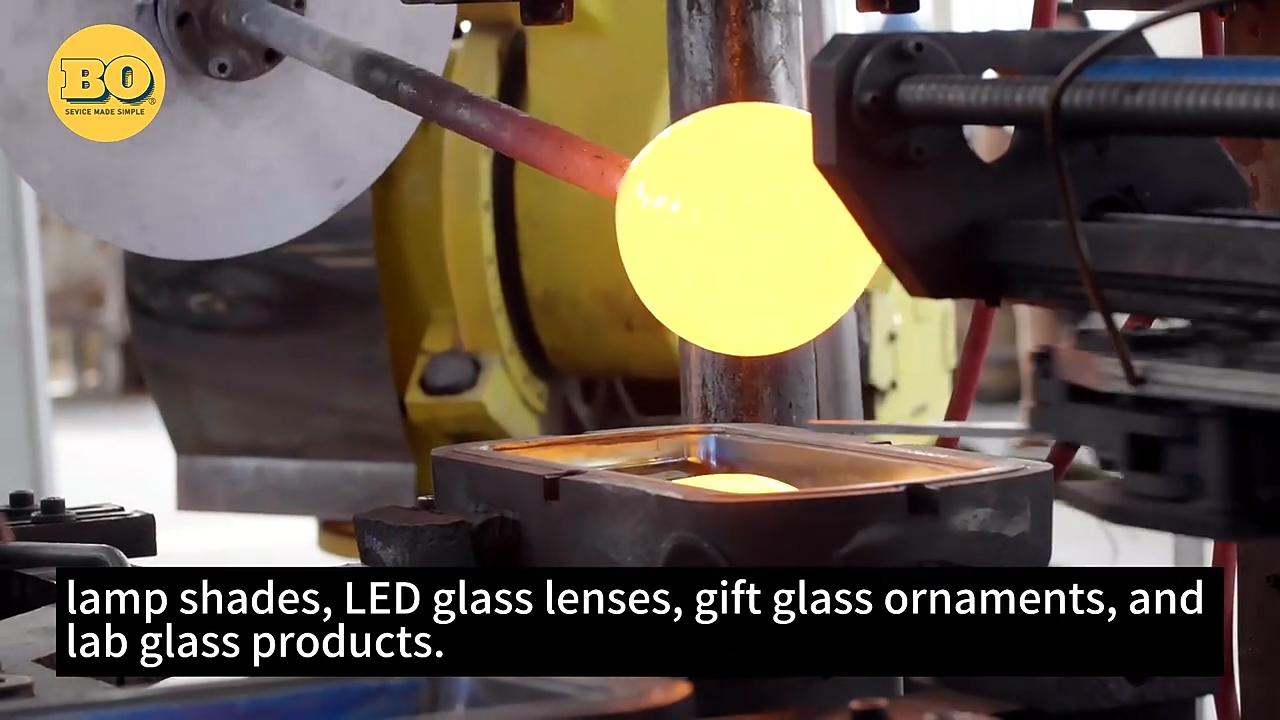
Tambi Glass factory production and inspection video cover

Quality Is a Documentation Problem as Much as a Production Problem

Glass defects are often visible only under specific light or after assembly. For that reason, reliable export production should include incoming material checks, in-process dimensional inspection, visual inspection under controlled lighting, and packing checks that simulate the risks of sea freight.

Buyers should ask how the supplier handles color approval, coating adhesion, edge chips, bubbles, annealing stress and dimensional drift after mold wear. The answer should be specific: sample approval criteria, inspection method, lot traceability and corrective action when a measurement drifts.

  • Material and dimensional inspection aligned with the approved sample.
  • Visual checks for bubbles, stones, scratches, chips and coating defects.
  • Packing validation for fragile covers, lenses, domes and prisms.
  • Custom labels and distributor-ready cartons available on request.
Applications

Where Custom Tempered and Borosilicate Glass Performs

Every application stresses glass differently. We specify material and processing from the operating environment, not from a one-size-fits-all catalog.

Airport and aviation

Obstruction, runway edge and in-pavement light lenses with stable red and clear transmission.

Marine and offshore

Handblown and pressed covers for navigation and ship signal lights exposed to salt spray.

Oil, gas and chemical

Explosion-proof lampshades and emergency light enclosures for hazardous and corrosive zones.

Stage and entertainment

Fresnel, prism and effect lenses that survive the heat of high-power COB modules.

Automotive and outdoor LED

Projection lenses, IP68 lenses and reflectors for headlights, floodlights and street lighting.

LiDAR and scientific

Pressure-rated domes, hemispherical windows, prisms and bandpass filters for sensing systems.

Food and medical equipment

Chemically resistant sight glasses and covers for machinery that is washed down frequently.

Horticulture lighting

AR-coated convex lenses that keep full-spectrum LED output efficient in indoor farms.

Buyer FAQ

Common Procurement Questions for Custom Glass Buyers

These are the practical questions fixture makers, optical distributors and industrial buyers ask before releasing a purchase order.

Can you manufacture glass covers, lenses and domes to my own drawing?
Yes. Most projects are drawing-based. Send a 2D/3D drawing or a physical sample with dimensions, tolerance, material, color, coating and annual volume. The engineering team reviews manufacturability, proposes mold options and confirms samples before mass production. Early review is especially important for screw holes, gasket grooves, sealing faces and optical alignment.
What is the typical minimum order quantity for custom tempered glass?
Typical MOQs range from about 50 pieces for optical lenses to 100–500 pieces for pressed or blown lighting covers, depending on whether an existing mold can be used. Sample quantities are usually available for evaluation. If you are developing a new fixture, ask for a sample plan and a bridge-production option before committing to a large mold investment.
Should I choose borosilicate glass or tempered soda-lime glass?
Borosilicate 3.3 has a low thermal expansion of about 3.3 × 10⁻⁶/K, so it tolerates high lamp temperatures and sudden rain or cold-water contact better. Tempered soda-lime glass offers high impact strength at lower cost for moderate temperatures. The right choice depends on surface temperature, impact rating, fixture certification and the mechanical design of the gasket and housing.
Do you supply glass for FAA L-810 and EN 50293 lighting fixtures?
We produce glass lenses and domes for fixture makers whose obstruction and signal lights are designed to FAA L-810 or EN 50293 requirements. Fixture certification is normally held by the luminaire manufacturer; the glass supplier matches color, transmission, dimensions and material specifications. Material and inspection reports can be discussed for your qualification file.
What tolerances can you hold on pressed, blown and ground glass parts?
Tolerance capability depends on the process and dimension. Pressed covers have different practical limits from ground optical windows or prisms. Provide the critical dimensions, datum, sealing face flatness and coating clear aperture so the engineering review can classify which features need grinding, tooling correction or inspection gauges rather than relying on a single blanket tolerance.
How fast do you reply to technical inquiries and how are samples handled?
Average response time is within 6 hours. For technical review, include a drawing, target annual volume, operating temperature, impact or sealing requirements and any coating specification. Sample lead time depends on whether an existing mold can be adapted or new tooling is required; the quotation should state sample time, mold status and production lead time separately.
How are fragile glass parts packed for export?
Parts are separated by foam or pulp dividers, packed in reinforced export cartons and palletized for sea or air freight. Custom packaging, bar-code labels and distributor-ready cartons can be arranged. For thin lenses, domes and large lampshades, packing validation should be part of the sample approval process rather than a last-minute shipping decision.
How do you control color consistency and coating quality across production lots?
Color and coating quality should be defined with measurable acceptance criteria: target chromaticity, transmission range, coating type, clear aperture, adhesion expectations and visual defect limits. Controlled sample approval, lot retention and inspection under agreed lighting conditions help reduce drift. For aviation, marine and sensor applications, these criteria should be agreed before the first production run.
Start your engineering review

Have a Drawing? Get a Technical Review Within 6 Hours.

Share your dimensions, material, operating temperature, coating requirement and annual volume. The engineering and export teams will suggest the most reliable tempered or borosilicate glass solution for your fixture, instrument or lighting system.

Email: info@tambiglass.com · Shanghai, China

Get a Quote