8 Custom Convex Lens and Optical Glass Products for Wholesale Programs
Begin with a precision sample, then scale into repeat production. Each product below is linked to its original specification page so buyers can compare material, coating, dimensions and application fit before requesting a quotation.

A compact aspherical lens option for imaging, collimation and sensor modules where dimensional consistency and coating control matter.
View product →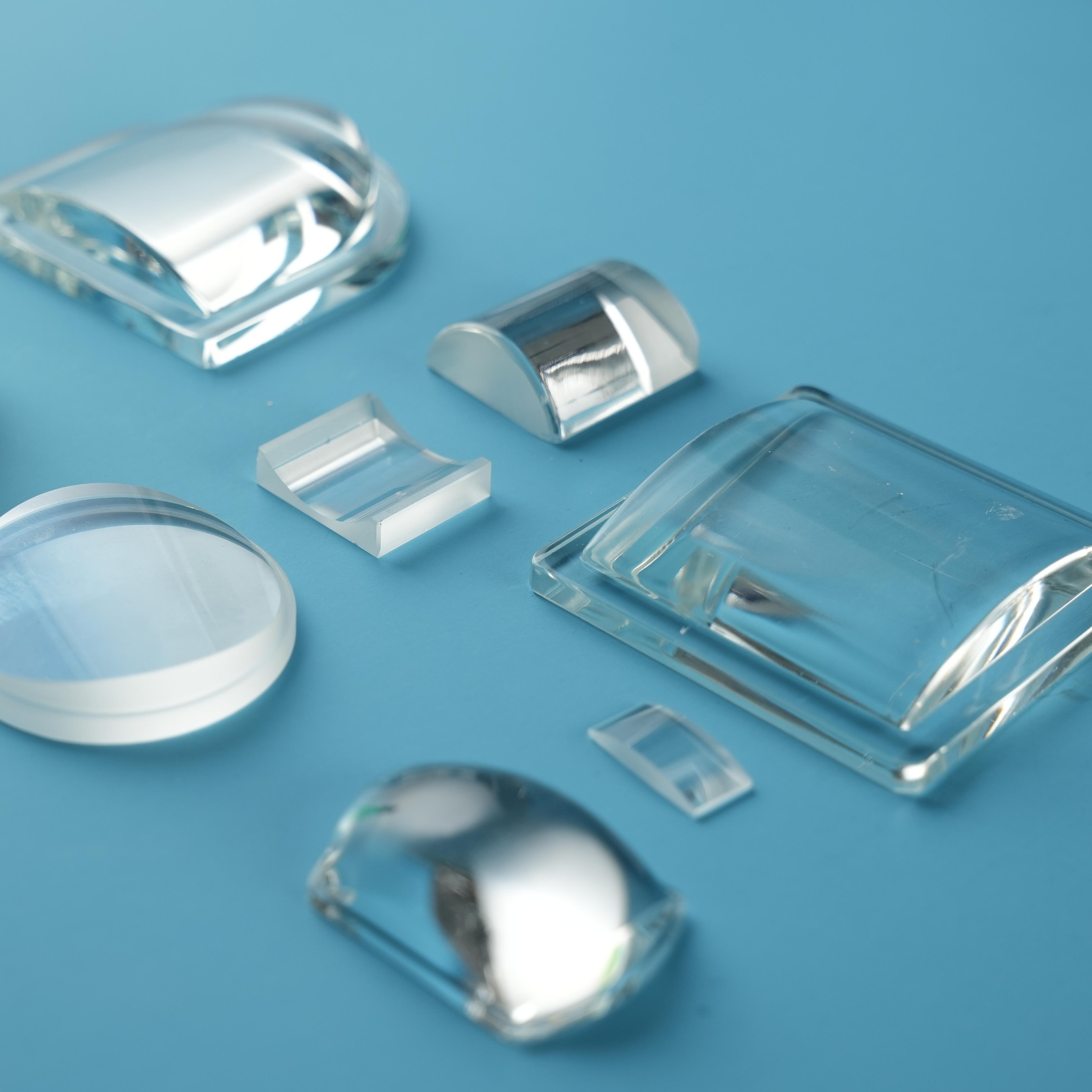
Drawing-based plano-convex, cylindrical and biconvex formats for laser, UVC and industrial optical assemblies.
View product →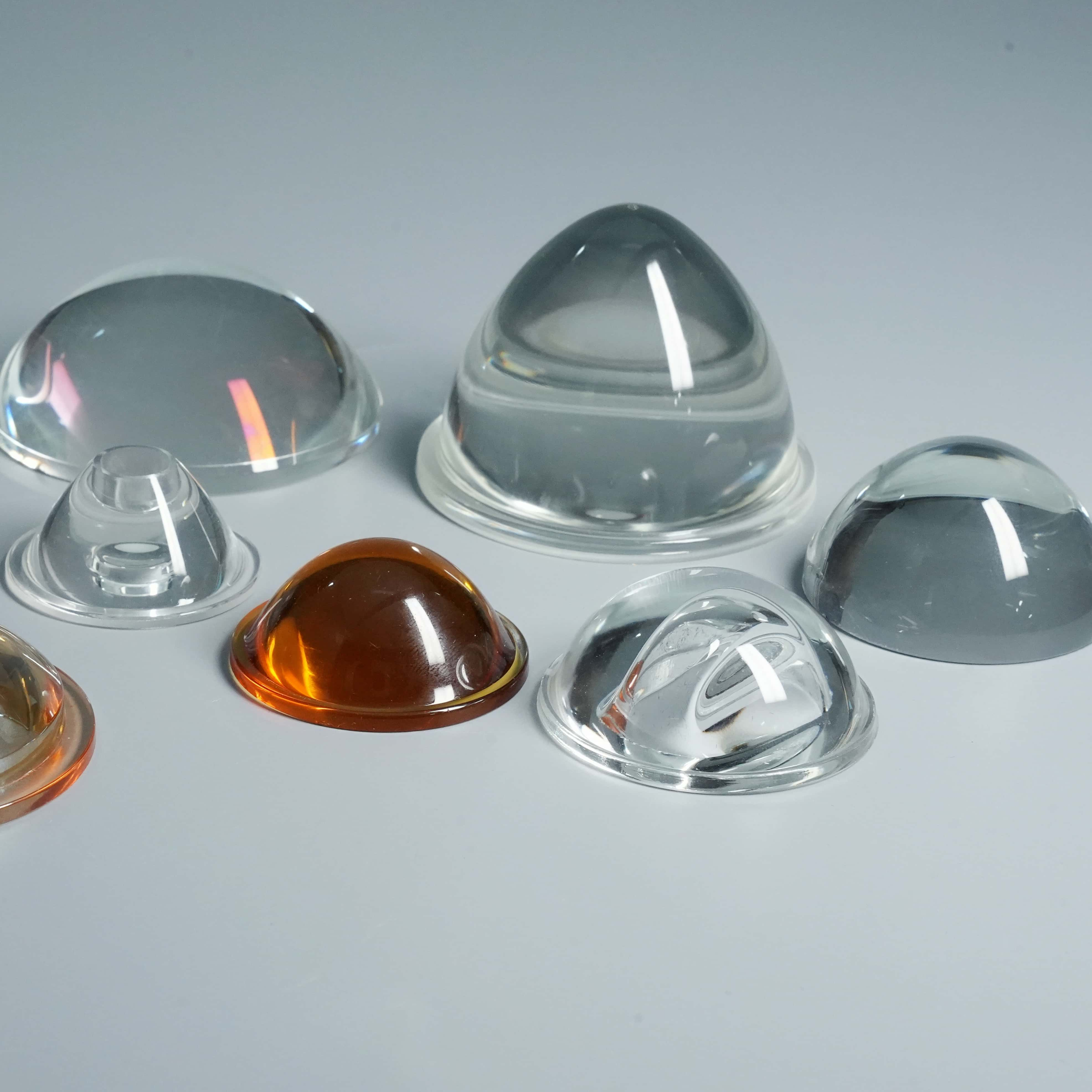
Designed for horticultural fixtures that require stable transmission, thermal tolerance and efficient full-spectrum light delivery.
View product →
Custom borosilicate components for automotive lighting and industrial fixtures exposed to heat, cleaning and outdoor use.
View product →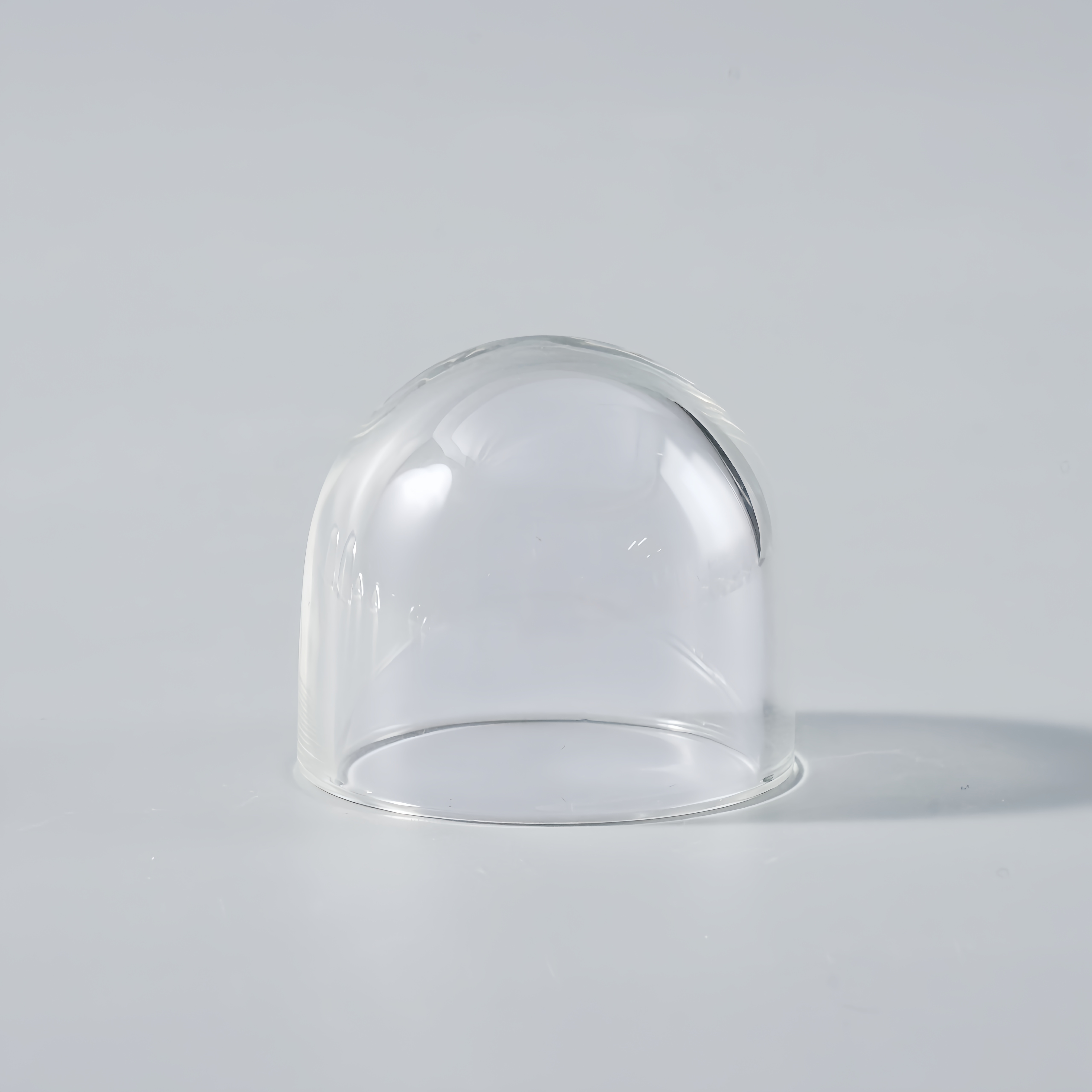
Precision hemispherical windows for LiDAR, sensing and scientific instruments where optical homogeneity and coating durability are critical.
View product →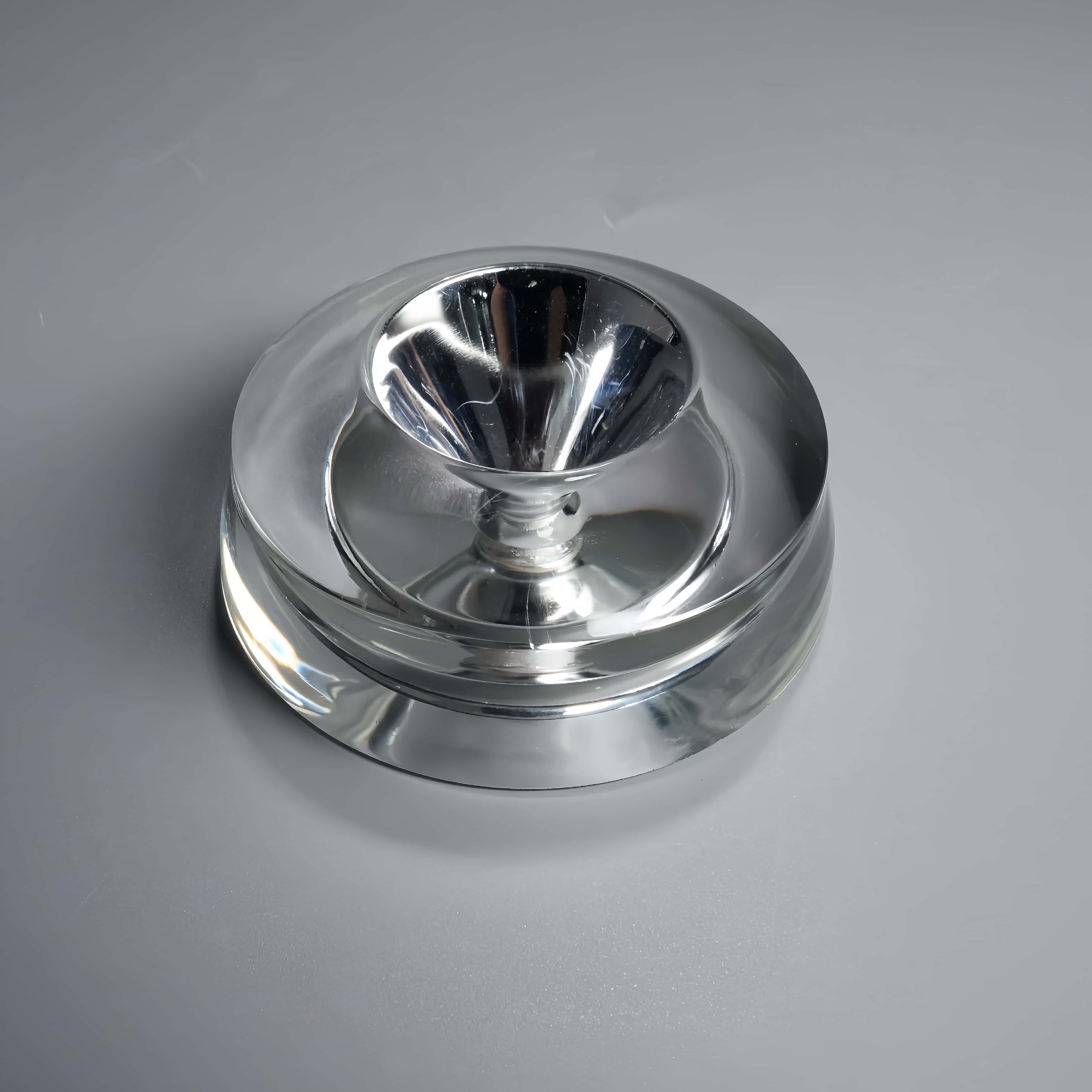
Mold-pressed and finished glass lenses for taxiway, runway and airport ground lighting assemblies requiring repeatable optical output.
View product →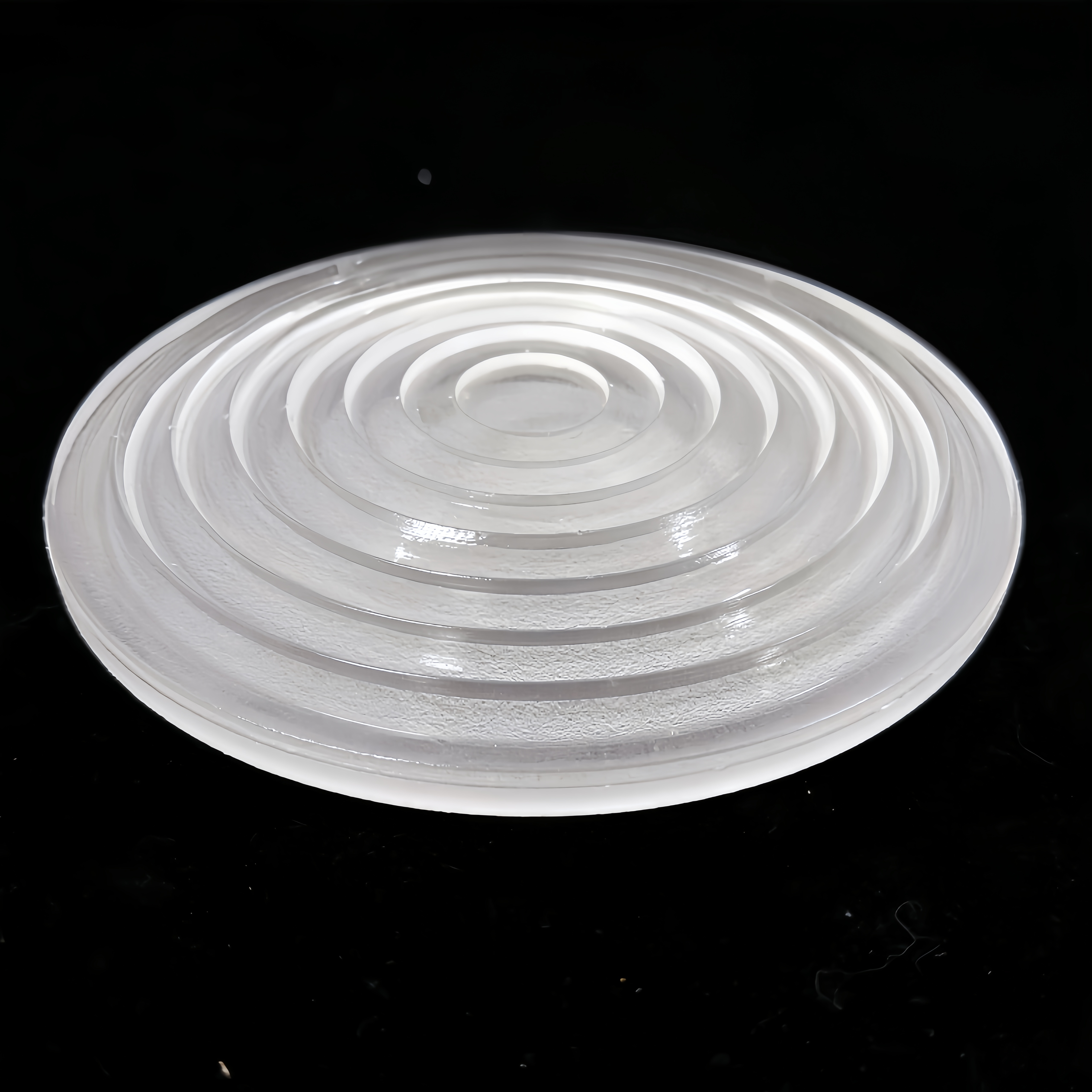
A high-temperature Fresnel lens option for stage, studio and architectural lighting that needs controlled beam distribution.
View product →
Square and round optical windows in borosilicate, BK7, B270 or fused silica with AR coating options for instruments and sensors.
View product →Company facts are drawn from Tambi Glass supplier information. Custom optical projects are evaluated against drawings, annual volume, operating temperature and coating requirements.
Why China Is a Strategic Source for Convex Lens Manufacturer & Wholesalers
For OEM buyers, the real question is not simply where to buy a lens. It is how to qualify a supplier that can convert optical intent into repeatable glass production.
A convex lens is a deceptively simple component until it enters a real assembly. Beam angle, focal length, centration, surface quality, coating performance, edge finish and thermal stability all interact. In LED lighting, LiDAR, horticulture, industrial sensing and aviation signal products, small deviations can create glare, loss of contrast, color shift or field failures. This is why mature procurement teams treat convex lens sourcing as a drawing-based engineering process, not a catalog purchase.
China remains a major source for optical glass components because it combines mold making, glass pressing, grinding, polishing, coating and export packing within a dense supplier ecosystem. For wholesale buyers, that proximity can shorten sampling cycles and reduce tooling friction. The advantage is strongest when the supplier is not a pure reseller but a manufacturer and trading company with process control, inspection discipline and the ability to communicate in drawings, tolerances and material standards.
Shanghai Tambi Glass Industrial Co., Ltd. works from this practical position. Our experience is concentrated in lighting and optical glass: borosilicate covers and lenses, explosion-proof lampshades, signal light domes, LED lenses, Fresnel lenses, prisms, optical domes and coated windows. We review every project against how the glass will perform inside a luminaire or instrument, including heat build-up behind high-power LEDs, thermal shock from rain or cleaning, impact loads and color accuracy for signal applications.
The lowest quoted lens price is rarely the lowest total cost.
For wholesale programs, value is created by stable optical output, fewer incoming defects, clear inspection criteria and a supplier that can explain why a material or coating was selected. A qualified China convex lens manufacturer should help you reduce engineering risk before mass production, not merely fill a purchase order.
A Verified Optical Glass Manufacturer in Shanghai
Tambi Glass combines manufacturing knowledge, supplier verification, export experience and application-specific engineering for global lighting and optical OEMs.

Shanghai Tambi Glass Industrial Co., Ltd. supplies custom glass components to lighting and optical OEMs worldwide. For more than a decade we have focused on one question: how should glass perform inside a real luminaire or optical system? That focus shapes our drawing review, mold decisions, forming methods, annealing controls and final inspection.
Our design team of senior lighting and molding engineers reviews thickness, draft, sealing faces, tolerance stack-up and optical path alignment before tooling begins. We work with long-term partners in Europe, North America and Japan, and combine pressed, blown, ground and coated processes under one supply chain. We are onsite-verified, export-oriented and equipped to support buyers who need material and inspection reports.
For convex lens and optical glass programs, this means a more grounded conversation: which glass grade fits the thermal load, whether AR coating is necessary, what edge finish protects the gasket, and how fragile parts should be packed for sea or air freight. Our average response time is within 6 hours for technical inquiries.
Drawing-Based OEM / ODM
Send a 2D/3D drawing or physical sample. We review manufacturability, propose mold options and confirm samples before mass production.
Material Breadth
Borosilicate 3.3, tempered soda-lime, fused quartz, BK7/K9, B270 and other optical grades can be matched to the application.
Onsite-Verified Supplier
Third-party verification and transparent company records help procurement teams complete supplier qualification faster.
Fast Technical Response
Average response within 6 hours. Share dimensions, operating temperature, coating target and annual volume for an engineering review.
One Supply Chain
Pressed, blown, ground and coated glass processes are coordinated through a practical production and export workflow.
Export Packing & Documentation
Fragile glass parts are divider-packed, reinforced and palletized. Material and inspection reports can be provided on request.
Product Procurement Trends: How Wholesale Buyers Will Source Convex Lenses in 2026–2030
Convex lens sourcing is moving from price-led purchasing toward application-led qualification, documentation and supply continuity. The most competitive wholesalers will behave like engineering partners.
Total Cost Over Unit Price
Buyers are calculating coating yield, incoming inspection, field failure risk and supplier response time, not only the per-piece quote.
Small Launch Quantities
Project teams want sample quantities and lower first orders, then scale to wholesale volume after field validation and fixture approval.
Traceability as Standard
Material declarations, coating records, dimensional reports and visual inspection criteria increasingly accompany repeat orders.
Consolidation Plus Dual Sourcing
Procurement teams consolidate approved suppliers while keeping a second qualified source for critical optical components.
Technology Trends Reshaping Convex Lens Design
The next generation of convex lenses is being shaped by higher optical power, tighter packaging, harsher operating environments and stronger documentation expectations.
High-Power LED & Laser Loads
Borosilicate, quartz and thermally stable designs are increasingly specified where surface temperature and thermal shock are real risks.
AR-Coated Molded Aspheres
Compact aspherical lenses and AR coatings help reduce ghosting, improve transmission and simplify optical assemblies.
LiDAR, Sensing & UV
Domes, windows and lenses for LiDAR, scientific instruments, UVC systems and horticultural lighting require wavelength-aware design.
Glass vs Polymer Decisions
Glass remains preferred where scratch resistance, thermal stability, UV exposure and long service life outweigh weight and molding economics.
Material Selection Guide for Convex Lens and Optical Glass Buyers
Selecting the right glass early reduces cracked covers, coating failures, thermal drift and costly field returns. Use this table as a starting point for drawing review, not as a substitute for application testing.
| Material | Thermal expansion (×10⁻⁶/K) | Typical max. working temperature | Key strength | Best fit |
|---|---|---|---|---|
| Borosilicate 3.3 | ≈ 3.3 | ≈ 450 °C | Excellent thermal-shock resistance | Explosion-proof shades, high-power LED covers, Fresnel lenses |
| Tempered soda-lime | ≈ 9.0 | ≈ 250 °C | High impact strength and economical cost | Outdoor covers, floodlight glass, vandal-resistant lenses |
| Fused quartz | ≈ 0.55 | ≈ 1000 °C+ | UV transmission and extreme heat resistance | UV optics, high-temperature windows, laser components |
| Optical BK7 / H-K9L | ≈ 7.1 | ≈ 300 °C | Homogeneous optical properties, nd ≈ 1.517 | Precision lenses, prisms, mirrors, filters |
Values are typical references. Final specification should be confirmed against the drawing, lamp surface temperature, impact rating, cleaning chemicals, coating target and the standard your fixture must meet. For aviation and marine fixture programs, the luminaire manufacturer retains fixture certification while the glass supplier matches color, transmission and dimensional requirements.
Application-Led Convex Lens Selection: Aviation, Horticulture, LiDAR and Automotive
Every application stresses glass differently. A lens that performs well in a sealed LED module may be unsuitable for a runway fixture, a UV curing system or a LiDAR dome exposed to vibration.
Airport & Aviation
Runway, taxiway and obstruction light lenses require stable color, thermal tolerance and repeatable optical output. Tambi Glass supports fixture makers whose products are designed to FAA L-810 or EN 50293 requirements.
Horticulture Lighting
LED grow light convex lenses with AR coating help preserve full-spectrum output, protect emitters and maintain light distribution across cultivation areas.
LiDAR & Scientific Sensing
Hemispherical domes, windows and precision lenses require tight geometry, low scatter and coatings matched to the sensing wavelength band.
Automotive & Outdoor LED
Projection lenses, heat-resistant covers and IP68-oriented optical components support headlights, floodlights, street lighting and industrial fixtures.
From Drawing to Delivery: Six Quality Gates for Custom Convex Lens Production
Clear checkpoints reduce surprises between sample approval and mass production. The process below reflects the practical workflow used for drawing-based glass components.
Drawing Review
DFM check of thickness, draft, tolerance, sealing face, optical axis and coating area before tooling.
Mold & Tooling
Selection of new or existing molds for pressing, blowing, grinding or finishing based on geometry and volume.
Sampling
Samples are measured and sent for fit, light distribution and assembly testing before mass production.
Forming & Annealing
Controlled annealing or tempering helps relieve stress and improve resistance to thermal shock.
Coating & QC
AR or color coating, dimensional inspection, visual checks and transmission review as specified.
Export Packing
Divider-packed cartons, reinforced packaging and palletization for sea or air freight.
Convex Lens Procurement FAQ for OEM Buyers and Wholesalers
These are the questions technical and procurement teams ask most often when qualifying a China convex lens manufacturer or optical glass wholesaler.
Are you a convex lens manufacturer or a trading company?
Shanghai Tambi Glass Industrial Co., Ltd. is a manufacturer and trading company. We produce and coordinate custom glass components including convex lenses, optical domes, windows, Fresnel lenses, signal light covers and explosion-proof lampshades. Our strength is drawing-based OEM/ODM support combined with export experience.
Can you manufacture convex lenses to my own drawing or sample?
Yes. Most orders are drawing-based. Send a 2D/3D drawing or physical sample with dimensions, tolerance, material, coating, edge requirement and annual volume. Our engineers review manufacturability, propose mold options and confirm samples before mass production.
What is the typical MOQ for wholesale convex lenses?
Typical MOQs range from 50 pieces for optical lenses to 100–500 pieces for pressed or blown lighting covers, depending on whether an existing mold can be used. Sample quantities are available for evaluation. The final MOQ is confirmed against the drawing, material and coating requirements.
Should I choose borosilicate glass, BK7/K9 or tempered soda-lime glass?
Borosilicate 3.3 has low thermal expansion of about 3.3 × 10⁻⁶/K and is often selected for high lamp temperatures and thermal-shock resistance. Tempered soda-lime offers high impact strength at a lower cost for moderate temperatures. BK7/K9 is an optical glass grade used for precision lenses and windows where optical homogeneity matters. The right choice depends on surface temperature, impact rating, optical target and fixture certification.
What coatings can be applied to convex lenses and optical windows?
Anti-reflective coatings are commonly specified to reduce surface reflection and improve transmission. Coating requirements should be defined by wavelength band, incidence angle, transmission target and environmental exposure. Bandpass, color and other optical coating requirements can be reviewed as part of the drawing and sample process.
How do you control quality before shipment?
Quality checks can include incoming material review, dimensional inspection, visual inspection, edge and surface review, coating appearance and agreed functional checks. Material and inspection reports can be provided on request. Final inspection criteria should be agreed before mass production so both buyer and supplier measure against the same standard.
Do you supply glass for FAA L-810 and EN 50293 lighting fixtures?
We produce glass lenses and domes for fixture makers whose obstruction and signal lights are designed to FAA L-810 or EN 50293 requirements. Fixture certification is held by the luminaire manufacturer. We match color, transmission and dimensional specifications and can provide material and inspection reports on request.
How are fragile convex lenses and glass domes packed for export?
Parts are separated by foam or pulp dividers, packed in reinforced export cartons and palletized for sea or air freight. Custom packaging and labeling for distributors can be arranged. For high-value optical components, packaging validation before shipment is recommended.
Have a Convex Lens Drawing? Get an Engineering Review Within 6 Hours.
Share your dimensions, material, operating temperature, coating target and annual volume. Our engineers will suggest a reliable glass solution for your fixture, sensor or optical assembly and support your wholesale program from sample to repeat order.
Get a Quote