Eight Pressed and Optical Glass Parts Buyers Source from China
These parts represent the practical search intents behind “China best pressed glass manufacturers & wholesalers”: optical windows, LED domes, runway lenses, Fresnel optics, automotive glass accessories and explosion-proof light covers. Each product can be adapted by size, thickness, color, coating and edge finish to match your housing, gasket and certification requirements.

Manufacturer OEM Transparent High Quality Precision Borosilicate UV Fused Silica Coated Glass Optical Window High Transmittance
For instruments and fixtures where transmittance, flatness and coating consistency matter. Drawing-based dimensional review is available before tooling.
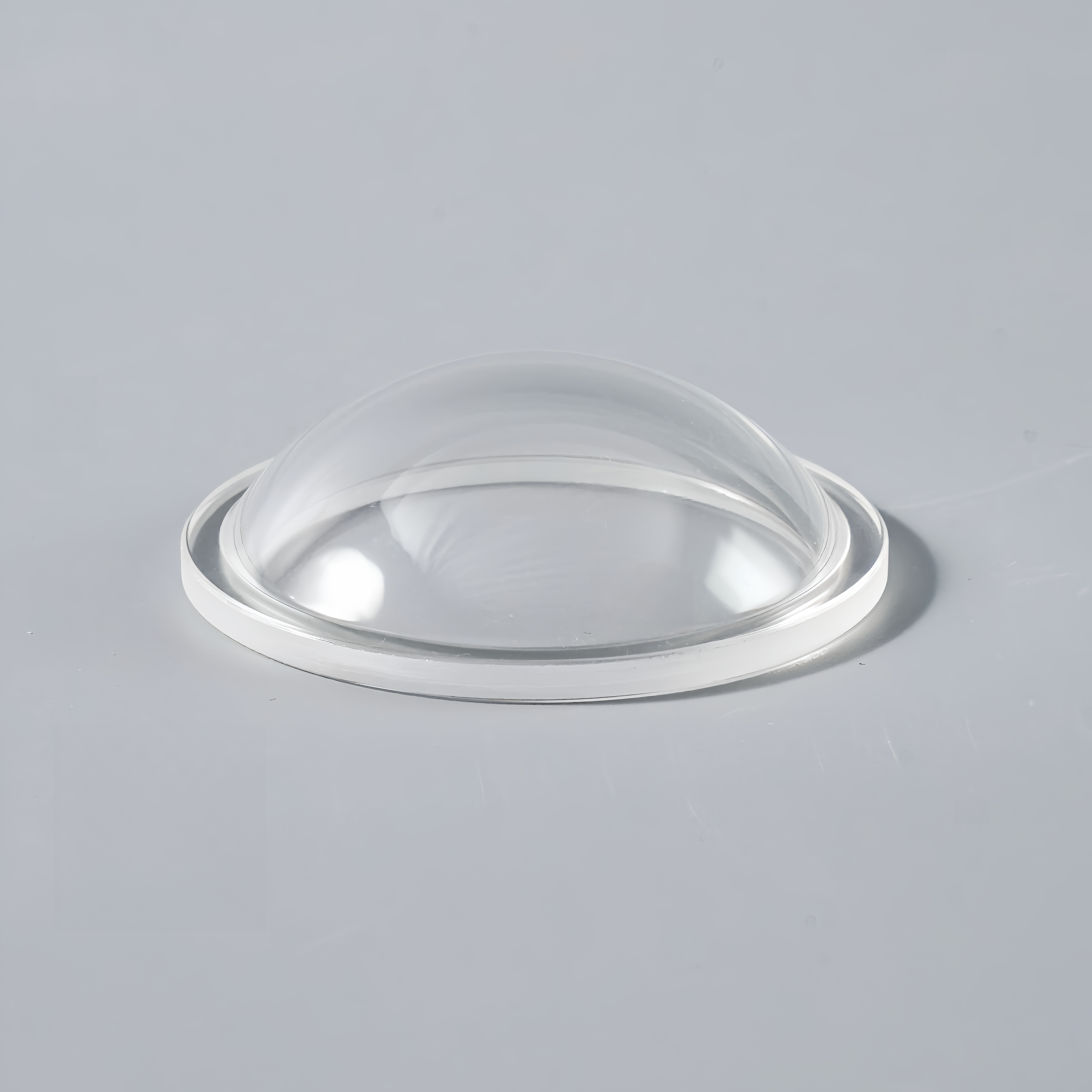
High-Light Transmission Clear Borosilicate Glass Dome Lens LED Outdoor Lighting Fixtures Impact Resistant Anti-Scratch OEM
A clear dome option for outdoor LED fixtures exposed to rain, cleaning and impact. Custom thickness and edge finishing can be quoted from your drawing.
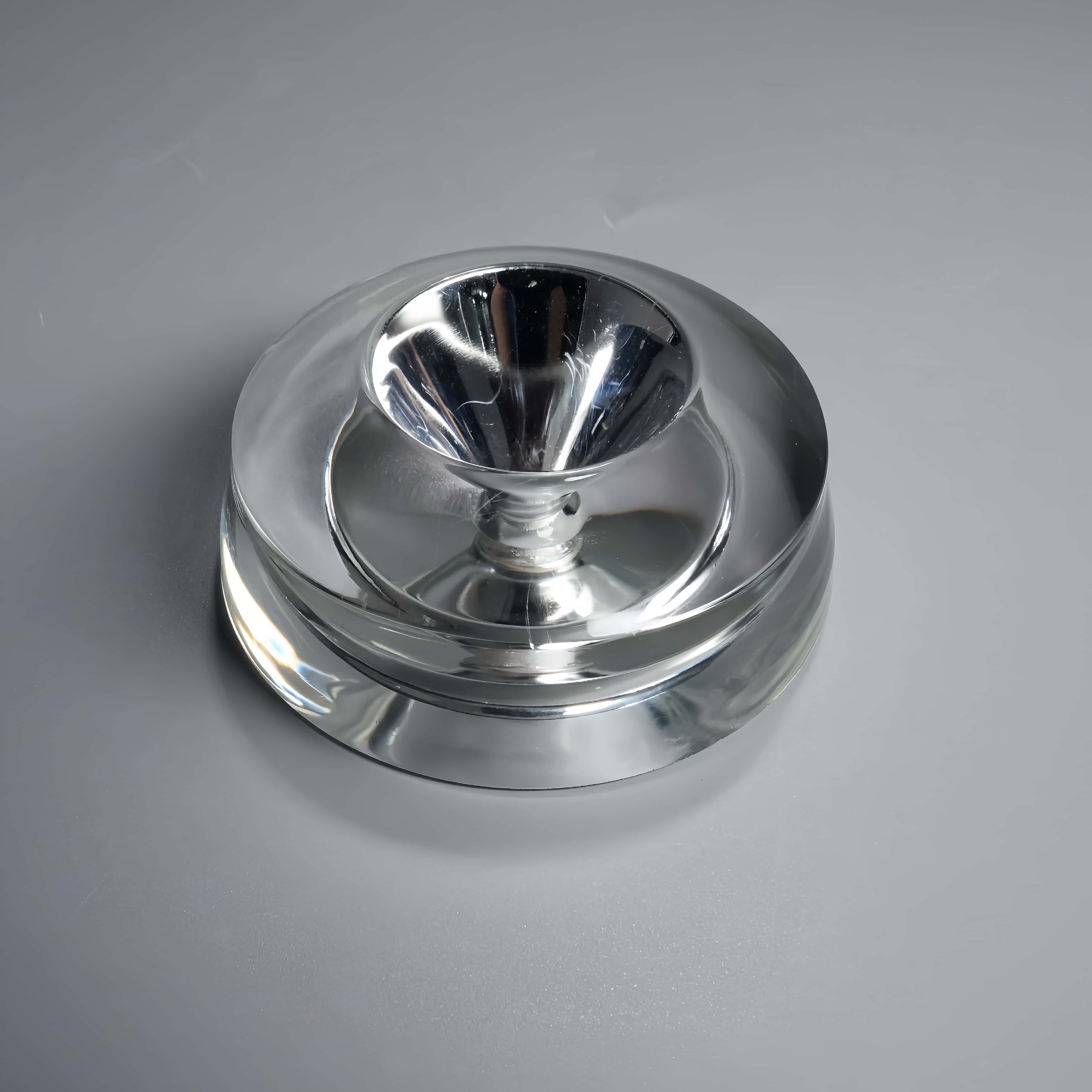
Factory China Custom Size Mold Pressed Borosilicate Bk7 K9 Eco-Friendly LED Optical Glass Lens for Taxiway Runway Airport Ground
A molded optical lens for taxiway and runway ground lighting. Material options such as borosilicate, BK7 and K9 can be matched to optical and thermal needs.
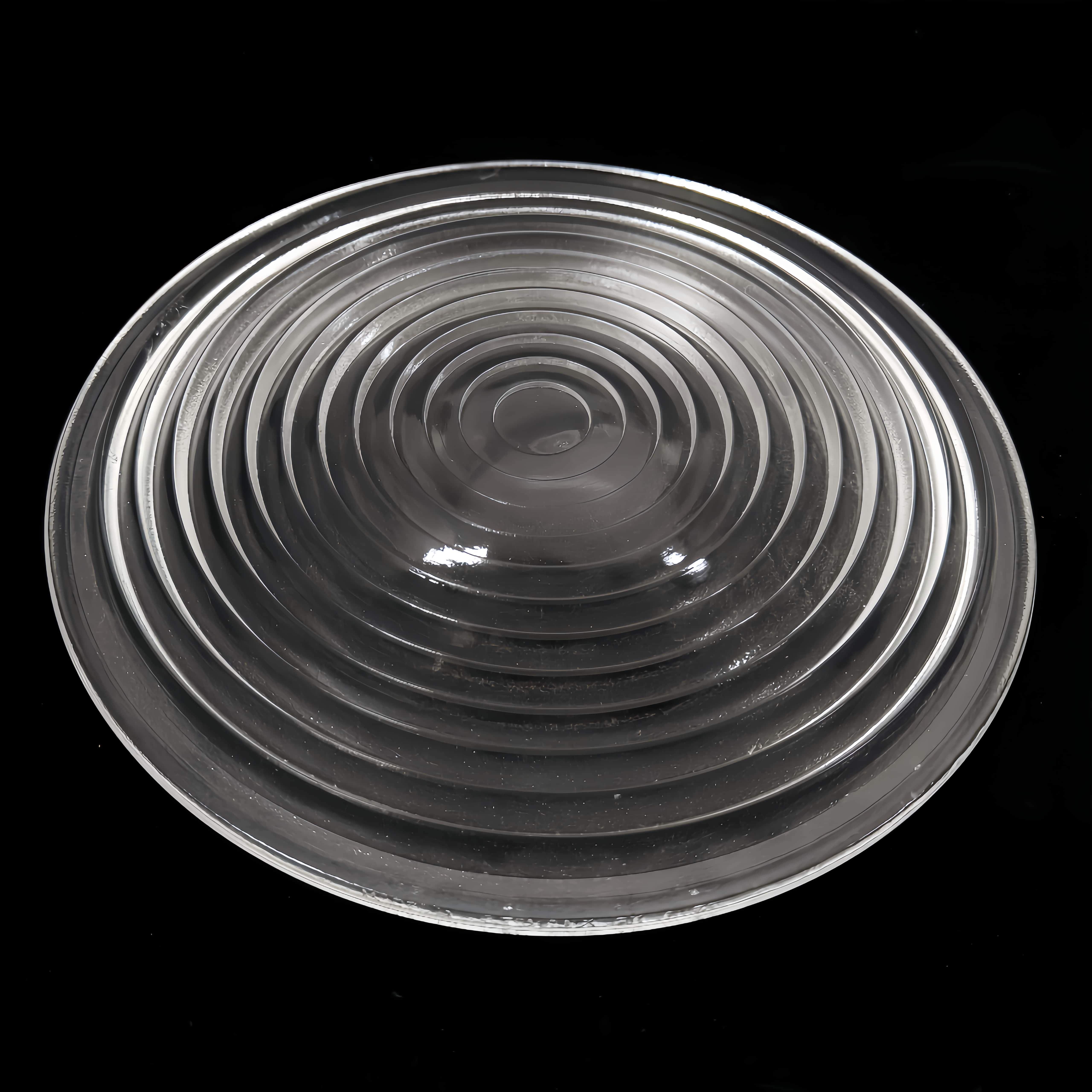
Precision Molded Borosilicate Glass Fresnel Lens Stage Lighting Anti-Reflective Coating FAA/ICAO Standards 175mm BO GLASS OEM
A 175mm Fresnel lens with anti-reflective coating for stage and entertainment lighting. Dimensional and coating specifications can be reviewed against your beam design.
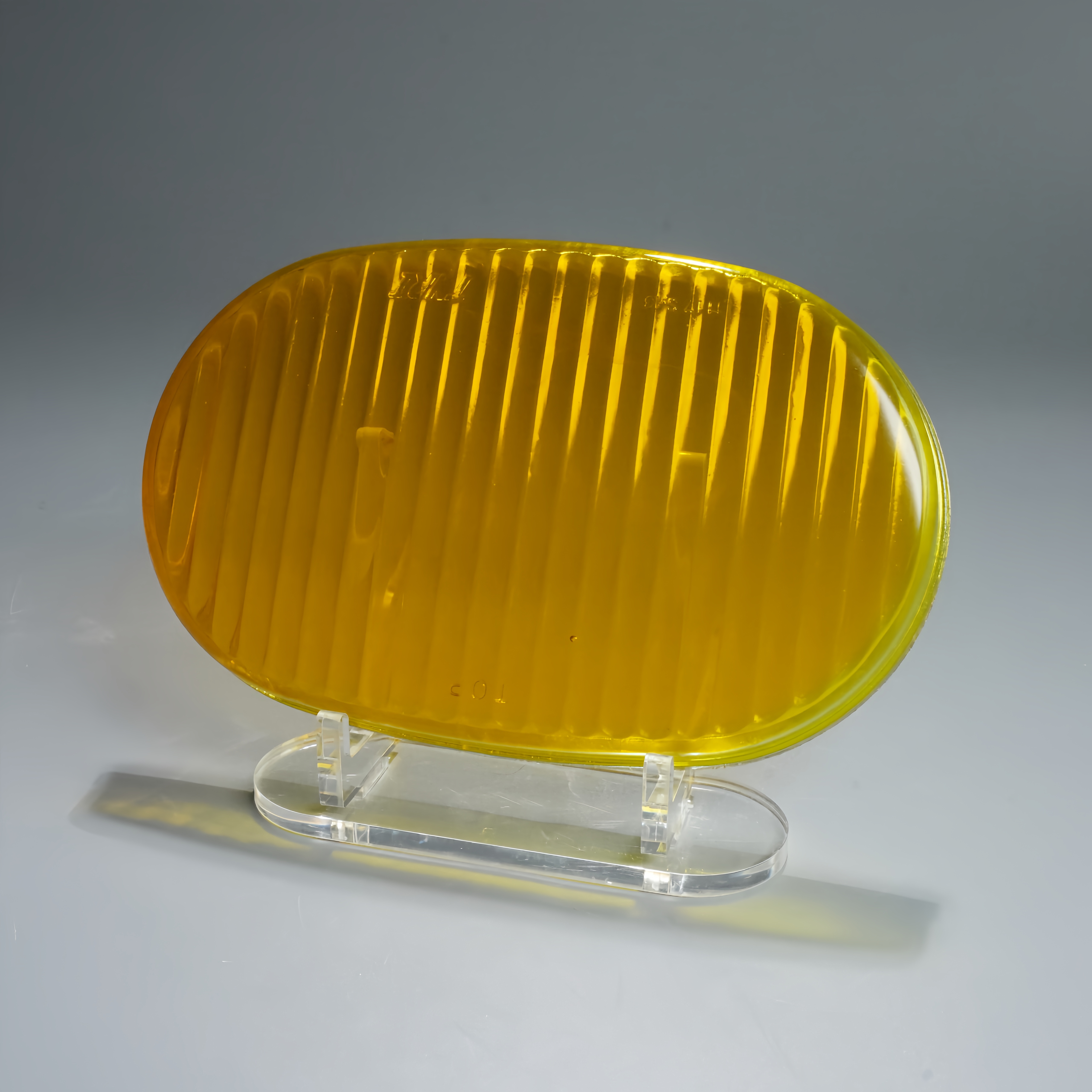
Factory Customized Size Shape Color Heat Resistant High Quality Borosilicate Glass Car Light Accessories Traditional Industrial
A heat-resistant borosilicate component for car light accessories and industrial fixtures. Size, shape, color and surface finish can be customized.

Wholesale OEM Shape Size Borosilicate Glass 175mm Diameter AR Coating Double Plano Convex Achromatic Fresnel Lens BO GLASS Stage
A 175mm borosilicate Fresnel lens with AR coating for stage lighting and beam-shaping systems. Wholesale quantities and custom shapes can be quoted.

High Temperature Resistant Borosilicate Glass Fresnel Lens Anti-Reflective Coating High Power LED Collimation Stage Lighting
For high-power LED collimation where heat and thermal shock can shorten the life of lower-grade glass. Suitable for stage-lighting design reviews.
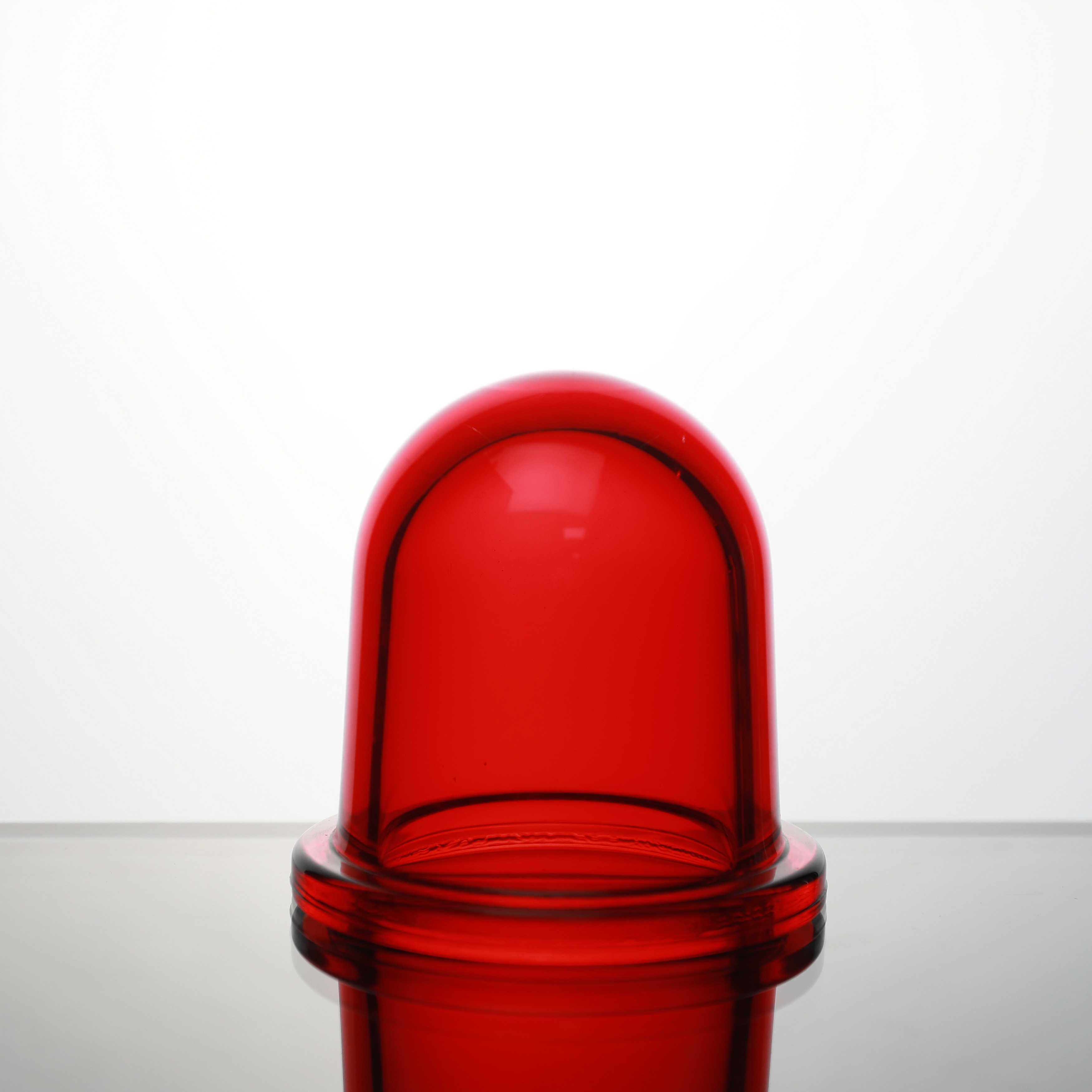
Custom Size Clear Borosilicate Explosion-Proof Antique Glass Light Covers Modern 2-Year Warranty Airport Outdoor Industrial
Clear borosilicate covers for hazardous, airport and outdoor industrial fixtures. Custom size and shape options support retrofit and OEM programs.
Procurement Data That Helps Reduce Supply Risk
For wholesale and OEM buyers, “best” is not a slogan. It is the combination of production experience, response speed, export capability and documentation. The figures below summarize Shanghai Tambi Glass Industrial Co., Ltd. and its operating profile.
What Buyers Really Mean by “China Best Pressed Glass Manufacturers & Wholesalers”
The query sounds simple, but it usually contains several buying intents at once: finding a factory that can press glass to a drawing, a wholesaler that can support repeat orders, and a supplier that understands real operating conditions in lighting, aviation, marine or industrial equipment. A catalog photo is not enough evidence of any of those capabilities.
Best for your drawing, not for a catalog photo
Industrial pressed glass is rarely a stock item. Thickness, draft angle, sealing faces, edge finish, optical path and coating all influence fit and performance. A credible manufacturer should review a 2D/3D drawing or physical sample and flag manufacturability issues before tooling begins.
Best as a repeatable wholesale process
Wholesale buyers need the same transmission, color, dimensions and surface quality order after order. That depends on mold control, annealing or tempering discipline, incoming material checks, in-process inspection and final packing—not only on a low first quotation.
Best under real operating conditions
Glass that passes a visual check can still fail in service. High-power LEDs create heat; rain or washdown can cause thermal shock; hazardous areas add impact and sealing demands; outdoor signal lights require stable color and UV exposure resistance. Material choice should follow the failure mode.
Pressed Glass Material Selection: Match the Glass to the Failure Mode
Before comparing suppliers, define the operating temperature, impact exposure, cleaning method, sealing design and optical requirement. These four material families cover most pressed glass projects for lighting and optical OEMs.
Borosilicate 3.3
Low thermal expansion of about 3.3 × 10⁻⁶/K, excellent thermal-shock resistance and good light transmission.
Best for: explosion-proof shades, high-power LED covers, Fresnel lenses.
Tempered Soda-Lime
Higher impact strength at a lower cost for moderate-temperature fixtures. Thermal expansion is around 9.0 × 10⁻⁶/K.
Best for: outdoor covers, floodlight glass, vandal-resistant lenses.
Fused Quartz
Very high temperature capability and strong UV transmission. Thermal expansion is approximately 0.55 × 10⁻⁶/K.
Best for: UV optics, high-temperature windows, demanding instrument glass.
Optical BK7 / K9
Homogeneous optical glass with stable refractive index, suitable for ground and polished lenses, prisms and filters.
Best for: precision lenses, prisms, mirrors, bandpass filters.
Final specification should be confirmed against your drawing, lamp surface temperature, impact rating, cleaning chemicals and the standard your luminaire must meet. Fixture certification is held by the luminaire manufacturer; glass suppliers typically match dimensional, color and transmission requirements.
Tambi Glass Advantages: A Shanghai Manufacturer Built for OEM Glass Projects
Shanghai Tambi Glass Industrial Co., Ltd. is a manufacturer and trading company focused on custom borosilicate glass covers, explosion-proof lampshades, signal light domes, LED lenses, Fresnel lenses, prisms and optical filters. More than a decade of work with lighting and optical OEMs has shaped a practical, drawing-led production model for buyers in Europe, North America and Japan.
Drawing-based OEM / ODM engineering
Send a 2D/3D drawing or physical sample with dimensions, tolerance, material, color and coating requirements. Senior lighting and molding engineers review wall thickness, draft, sealing faces and optical alignment before quoting tooling.
Pressed, blown, ground and coated processes
Keeping several forming and finishing routes under one supply chain helps match the process to the part: pressed covers for repeatability, handblown domes for shape flexibility, ground optics for precision and coatings for transmission or color targets.
Broad material and coating knowledge
Borosilicate 3.3, tempered soda-lime, fused quartz and optical BK7/K9 can be reviewed against your operating temperature, impact risk and optical target. AR coatings, color matching and inspection reporting can be discussed during sampling.
Onsite-verified manufacturer and trading company
Buyers can review supplier assessment, credit index, transaction level, trade capacity and trade history before placing a sample order. Video calls and third-party audits are welcome, which helps procurement teams complete supplier qualification faster.
Practical MOQs for trial and volume orders
Typical minimum order quantities range from 50 pieces for optical lenses to 100–500 pieces for pressed or blown lighting covers, depending on whether an existing mold can be used. Sample quantities are available for fit, light and thermal evaluation.
Fast technical response and clear communication
Average response time is within 6 hours. Technical inquiries should include the drawing, annual volume, target market, operating temperature and any certification requirement. This allows the team to reply with material advice, mold options and a realistic production route.



A Controlled Six-Step Process from Drawing to Export
Pressed glass projects fail most often at the interfaces: tooling assumptions, unclear tolerances, unverified samples or weak export packing. This six-step route keeps those checkpoints visible to both buyer and factory.
Drawing Review
Engineers check thickness, draft angle, tolerance, sealing face, optical path and coating requirement. Questions are raised before tooling, not after mass production.
Mold & Tooling
The team confirms whether an existing mold can be used or a new mold is required for pressing, blowing or grinding, then aligns the sample schedule with the buyer.
Sampling
Samples are measured, visually inspected and sent for fit, light and thermal tests. Buyer feedback is incorporated before production is released.
Forming & Annealing
Forming is followed by controlled annealing or tempering to relieve stress. This is especially important for covers and domes exposed to heat and thermal shock.
Coating & QC
AR or color coating, dimensional checks and visual inspection are performed before packing. Material and inspection reports can be provided on request.
Export Packing
Parts are separated by foam or pulp dividers, packed in reinforced export cartons and palletized for sea or air freight. Custom distributor packaging can be arranged.
Procurement Trends Shaping China Pressed Glass Buying
Buyers are not simply comparing price per piece. They are building a supply chain that can survive engineering changes, certification audits and volatile freight. These four trends are especially relevant for pressed glass covers, lenses and domes.
Total landed cost replaces lowest unit price
Breakage, rework, late delivery and field failures can cost more than the glass itself. Procurement teams increasingly compare packaging quality, sample accuracy and process controls alongside the quotation.
Drawing-first digital RFQ
Suppliers that can read drawings, mark up tolerances and propose mold options reduce engineering back-and-forth. Clear DFM feedback is becoming a buying criterion, especially for custom covers and Fresnel optics.
Compliance evidence and traceability
Aviation, marine and hazardous-area projects need consistent color, transmission and dimensional records. Buyers are asking for material reports, inspection records and a clear statement of what the glass supplier does—and does not—certify.
Dual sourcing and hybrid processes
Many OEMs keep a primary factory and an alternate route for risk. Suppliers that combine pressed, blown, ground and coated processes can often adapt faster when a design or volume changes.
Product Trends Buyers Should Track in Pressed Glass Components
Glass is being asked to do more than cover a lamp. It is becoming part of the optical, thermal and compliance system. These development trends affect drawings, material selection and supplier qualification.
Thermal management for high-power LED
Higher lumen density puts more heat near the glass. Borosilicate and tempered options must be reviewed against surface temperature, thermal cycling and cleaning methods to reduce cracking risk.
AR-coated optics for sensing and horticulture
LiDAR, scientific instruments, machine vision and indoor farming need controlled transmission. AR-coated domes, convex lenses and filters are moving from special projects into repeat OEM demand.
Color consistency for signal glass
Aviation, marine and obstruction lights depend on stable red, green or clear transmission. Buyers are seeking suppliers that can discuss batch color control and inspection rather than only glass dimensions.
Sustainable manufacturing and packaging
Energy use, cullet handling and packaging waste are becoming part of supplier review. Pulp dividers, recyclable cartons and optimized pallet loading can support sustainability goals without compromising breakage protection.
A Practical Checklist for Wholesalers and OEM Buyers
Use the same checklist for every quotation so that a low price cannot hide missing engineering, weak inspection or poor export packing.
Drawing and DFM review
Confirm the supplier can comment on draft, wall thickness, tolerance stack-up, sealing faces and coating. A factory that only repeats “yes” without questions may be underestimating the project.
Mold ownership and repeatability
Ask who owns the mold, how it is maintained, what the mold life expectation is and how dimensions will be checked across batches. This is essential for wholesale repeat orders.
Sample validation
Test fit, light distribution, color, thermal shock and cleaning resistance before approving mass production. Keep signed samples and measurement records as the reference standard.
Inspection and reporting
Clarify which dimensions are critical, which defects are cosmetic and which are functional. Request inspection reports, material certificates or batch photos where appropriate.
Export packing and breakage control
Glass parts should be separated by dividers, reinforced in cartons and palletized for sea or air freight. Packaging is part of quality, especially for fragile domes and large covers.
Commercial and certification clarity
Confirm MOQ, sample cost, lead time, payment terms and who is responsible for fixture certification. The luminaire manufacturer usually holds certification; the glass supplier should match agreed specifications.
Where Pressed Glass Performs Best
Application conditions should drive material and finishing decisions. The same shape can need a different glass type when the service environment changes.
Airport & aviation lighting
Runway, taxiway, obstruction and in-pavement light lenses where dimensional accuracy, stable color and heat resistance matter.
Marine & offshore signal lights
Handblown and pressed covers for navigation and ship signal lights exposed to salt spray, wind and temperature change.
Oil, gas & chemical plants
Explosion-proof lampshades and emergency-light enclosures for hazardous, corrosive or dusty areas where glass reliability is critical.
Stage & entertainment lighting
Fresnel, prism and effect lenses that must survive high-power LED or legacy lamp heat while maintaining beam quality.
Automotive & outdoor LED
Projection lenses, IP68 lenses and heat-resistant covers for headlights, floodlights, street lighting and industrial fixtures.
LiDAR, sensing & scientific
Pressure-rated domes, hemispherical windows, prisms and bandpass filters for optical sensing and instrument systems.
China Pressed Glass Manufacturers & Wholesalers: FAQ
These are the questions procurement, engineering and quality teams ask most often before requesting samples from a Chinese pressed glass supplier.
Can you manufacture glass covers and lenses to my own drawing?
Yes. Most orders are drawing-based. Send a 2D/3D drawing or a physical sample with dimensions, tolerance, material, color and coating requirements. Our engineers review manufacturability, propose mold options and confirm samples before mass production.
What is the typical minimum order quantity?
Typical MOQs range from 50 pieces for optical lenses to 100–500 pieces for pressed or blown lighting covers, depending on whether an existing mold can be used. Sample quantities are available for evaluation.
Should I choose borosilicate glass or tempered soda-lime glass?
Borosilicate 3.3 has a low thermal expansion of about 3.3 × 10⁻⁶/K, so it tolerates high lamp temperatures and sudden rain or cold-water contact better. Tempered soda-lime glass offers high impact strength at a lower cost for moderate temperatures. The right choice depends on surface temperature, impact rating and the certification of your fixture.
Do you supply glass for FAA L-810 and EN 50293 lighting fixtures?
We produce glass lenses and domes for fixture makers whose obstruction and signal lights are designed to FAA L-810 or EN 50293 requirements. Fixture certification is held by the luminaire manufacturer; we match color, transmission and dimensional specifications and can provide material and inspection reports on request.
How fast do you reply to technical inquiries?
Our average response time is within 6 hours. Email info@tambiglass.com with your drawing and annual volume for a technical and commercial review.
How are fragile glass parts packed for export?
Parts are separated by foam or pulp dividers, packed in reinforced export cartons and palletized for sea or air freight. Custom packaging and labeling for distributors can be arranged.
How do you control color and light transmission?
Color and transmission requirements should be defined during sampling using your light source or a target standard. The factory can review glass composition, thickness and coating options, then inspect samples against the approved reference before production.
Can you support custom packaging and distributor labeling?
Yes. Custom packaging and labeling can be discussed for distributor and OEM programs. Because glass is fragile, the packaging design should be reviewed together with the part shape, annual volume and shipping method.
Have a Drawing? Get an Engineering Review Within 6 Hours.
Share your dimensions, material, operating temperature, annual volume and any certification target. The team will review the drawing for manufacturability and suggest the most reliable pressed glass solution for your fixture.
Send an InquiryEmail: info@tambiglass.com · Shanghai Tambi Glass Industrial Co., Ltd. · Shanghai, China