China Best Precision Glass Factory & Suppliers
An industry white-paper buying guide for borosilicate covers, optical domes, LED lenses, Fresnel optics and coated filters — written for OEM procurement, engineering and quality teams.
Eight Precision Glass Products OEM Buyers Benchmark First
The phrase “China Best Precision Glass Factory & Suppliers” is a search query, not a certificate. For procurement teams, “best” must mean a documented match between drawing, material, process, metrology, packaging and delivery. Start with these eight representative parts.
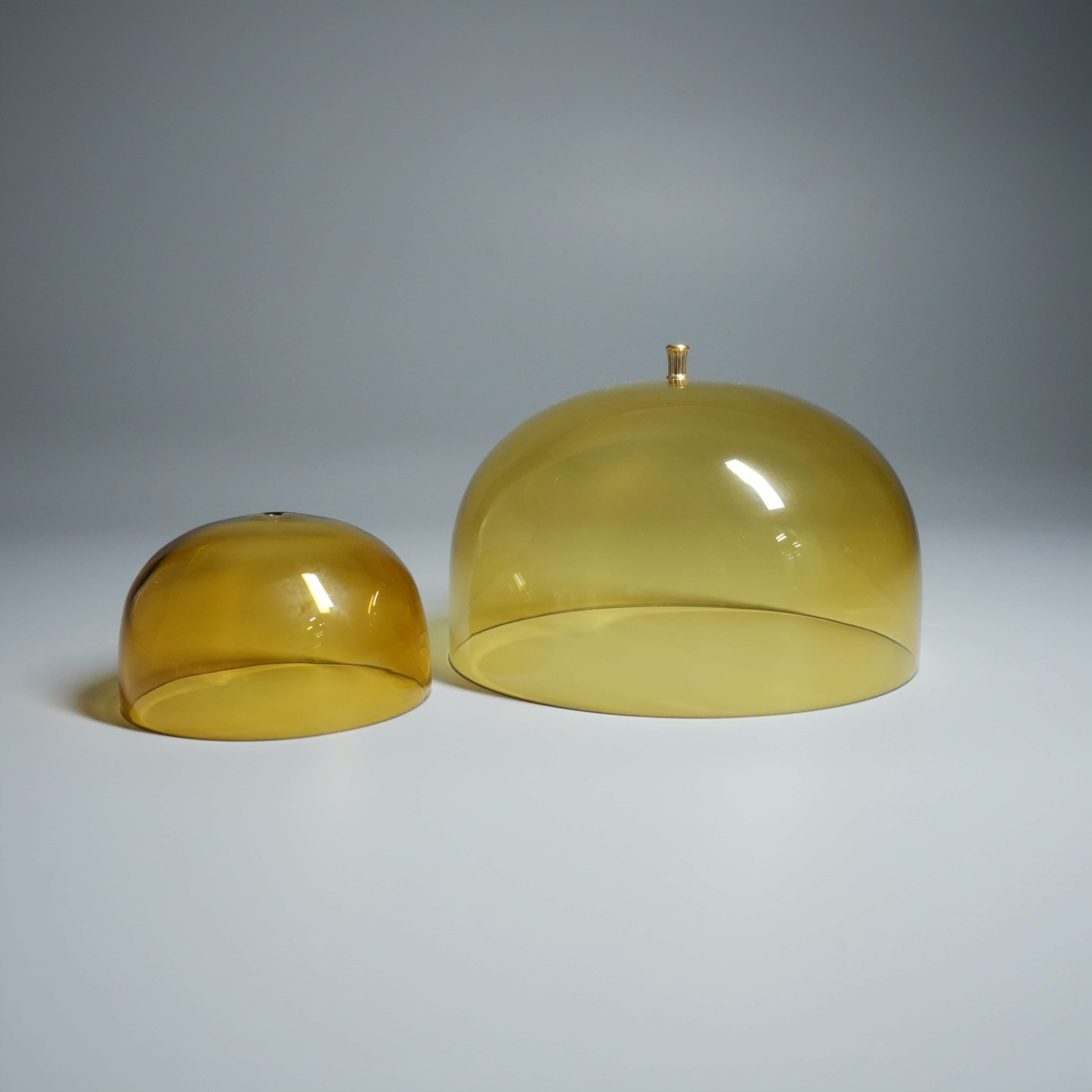
Certified Glass Cover for Food Machinery & Medical Equipment, Chemical Resistant
Chemical-resistant sight and cover glass for washdown machinery, medical equipment and hygienic enclosures.
View technical details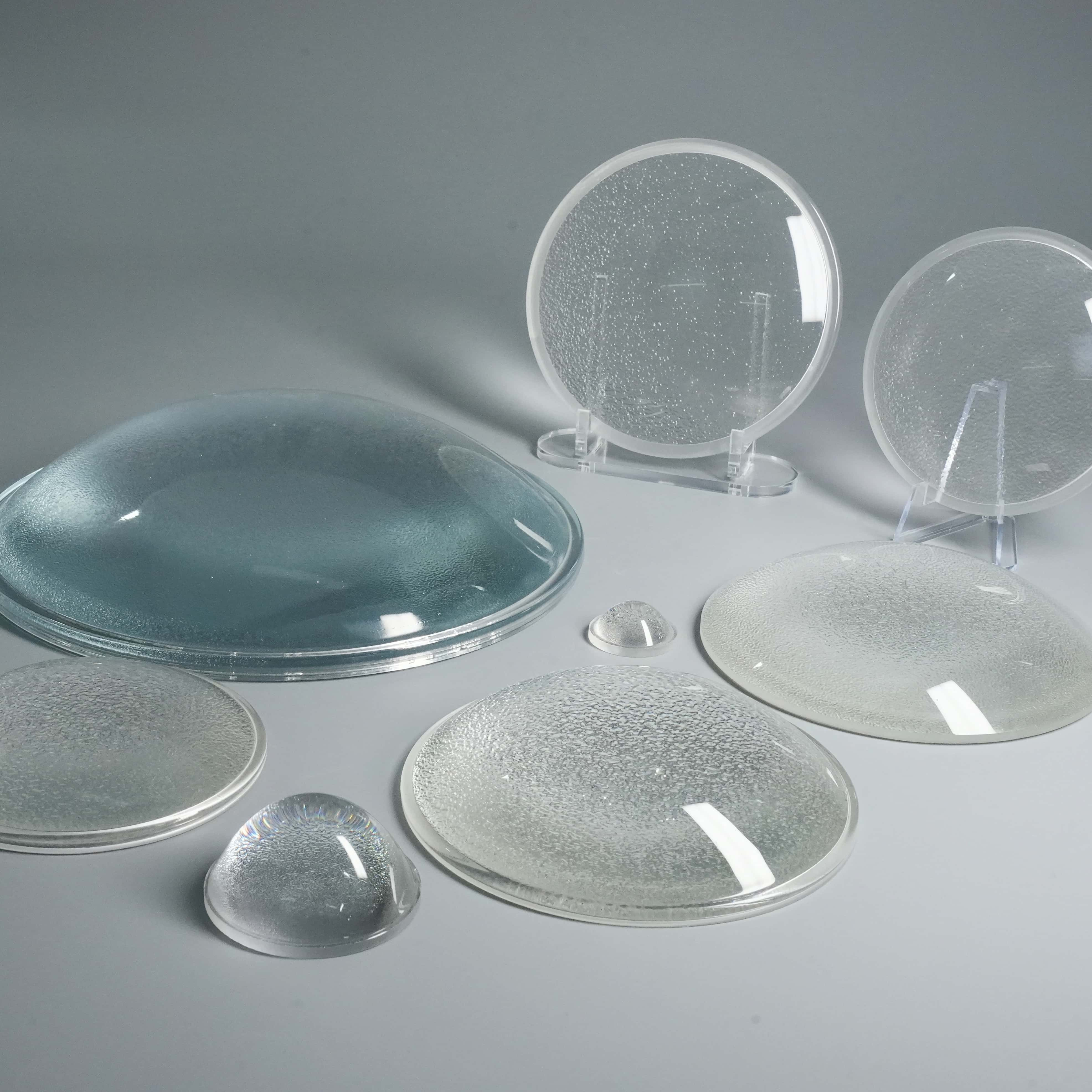
Bo Glass Asymmetric LED Lens for Roadway Street Light — Low Glare, UV Protected, OEM
Asymmetric roadway optic designed to reduce light pollution and glare while maintaining controlled light distribution.
View technical details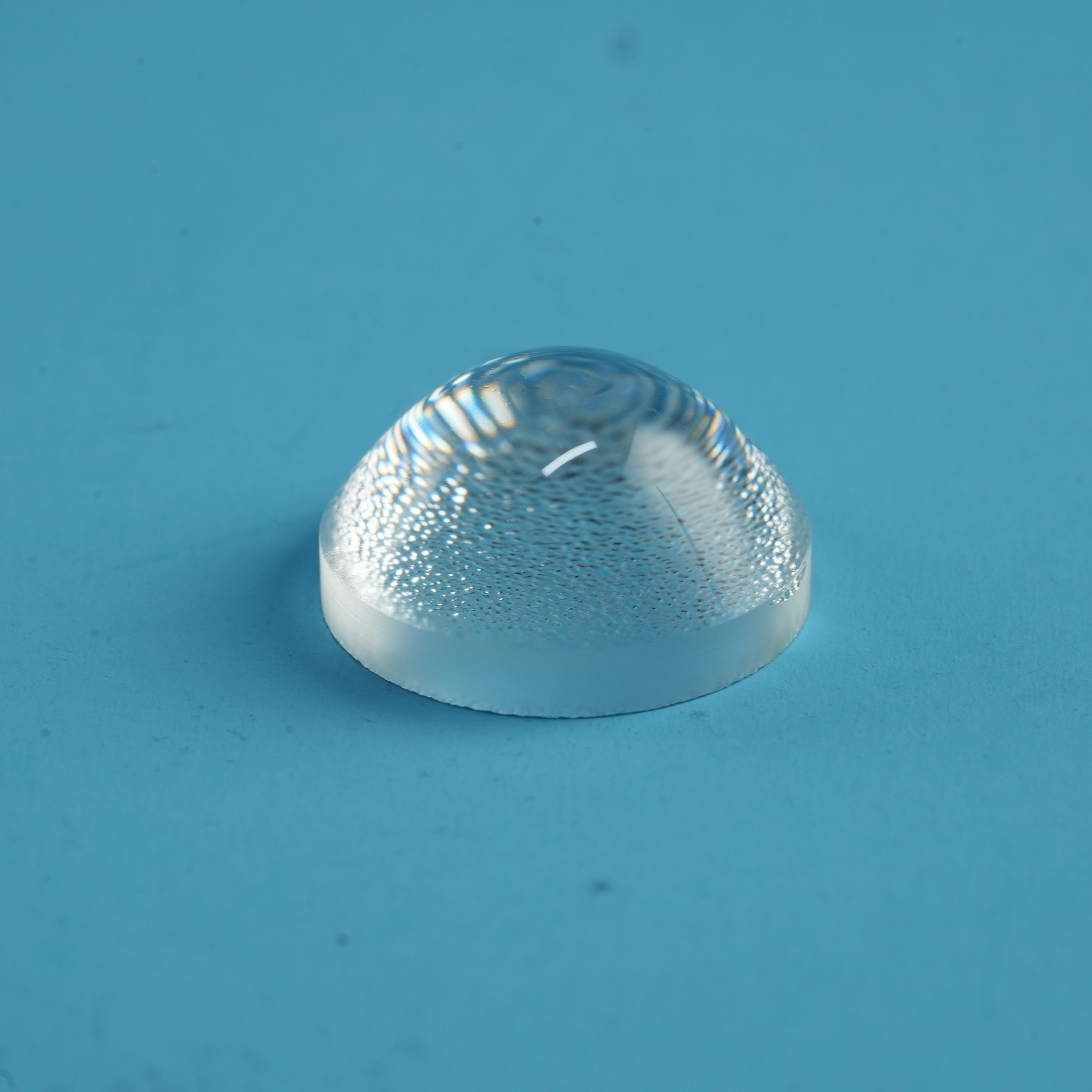
Precision BK7 / K9 Optical Aspherical Lens with AR Coating, 0.5–25 mm OEM
Low-distortion aspherical lens for imaging, sensing and collimation; diameter range and MOQ support pilot and volume builds.
View technical details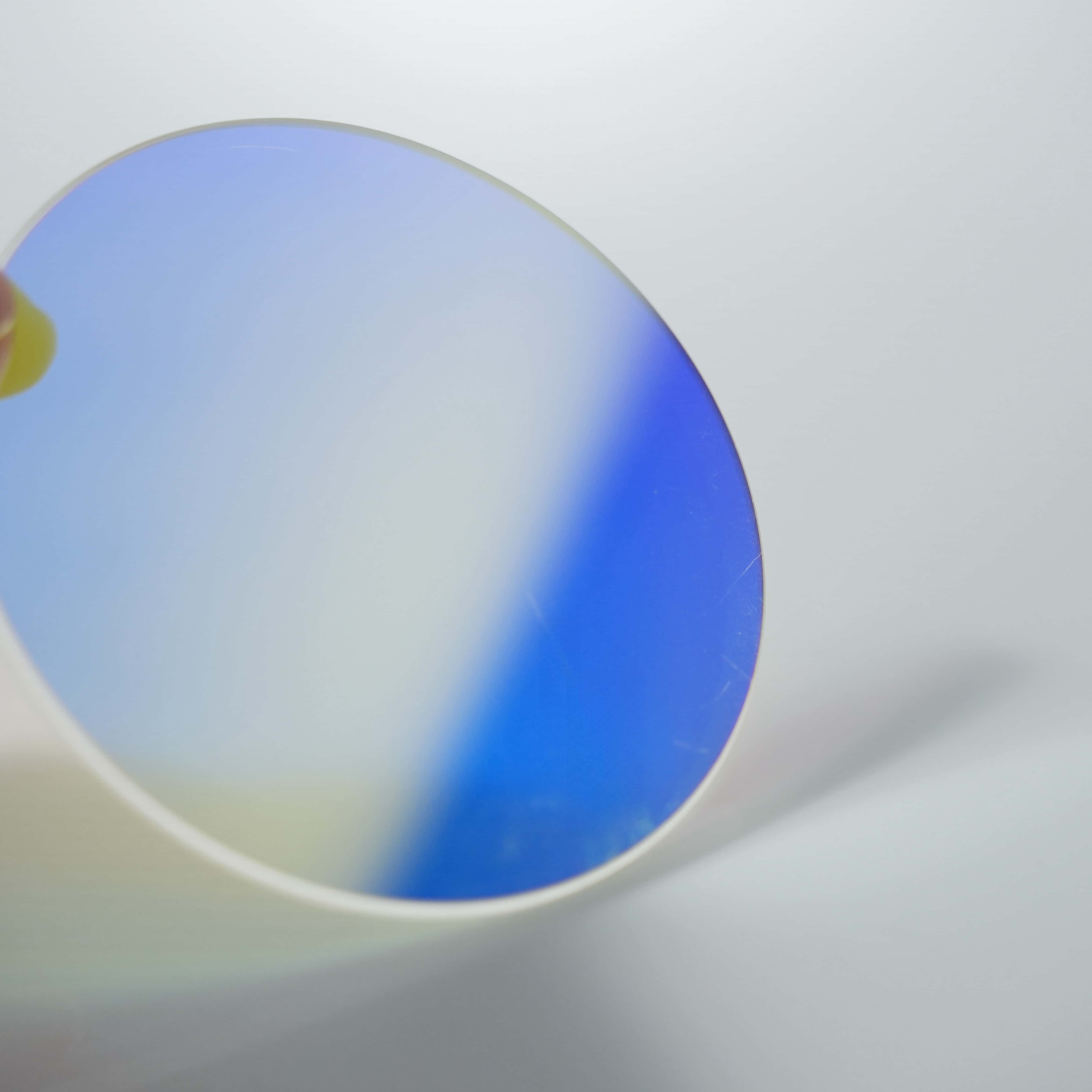
Optical Borosilicate Longpass / Shortpass Filter, 500–700 nm, AR Coated
Cut-edge spectral filters for spectroscopy and industrial sensors where stable transmission and edge precision matter.
View technical details
175 mm Borosilicate Fresnel Lens with AR Coating for Stage and High-Power Lighting
Thermal-shock-resistant Fresnel design for beam shaping in stage, studio and high-power LED fixtures.
View technical details
OEM Borosilicate Optical Dome for Outdoor IP Cameras — UV Resistant, AR Coated
Weather-resistant optical dome for security cameras and outdoor imaging housings; custom thickness and coating options.
View technical details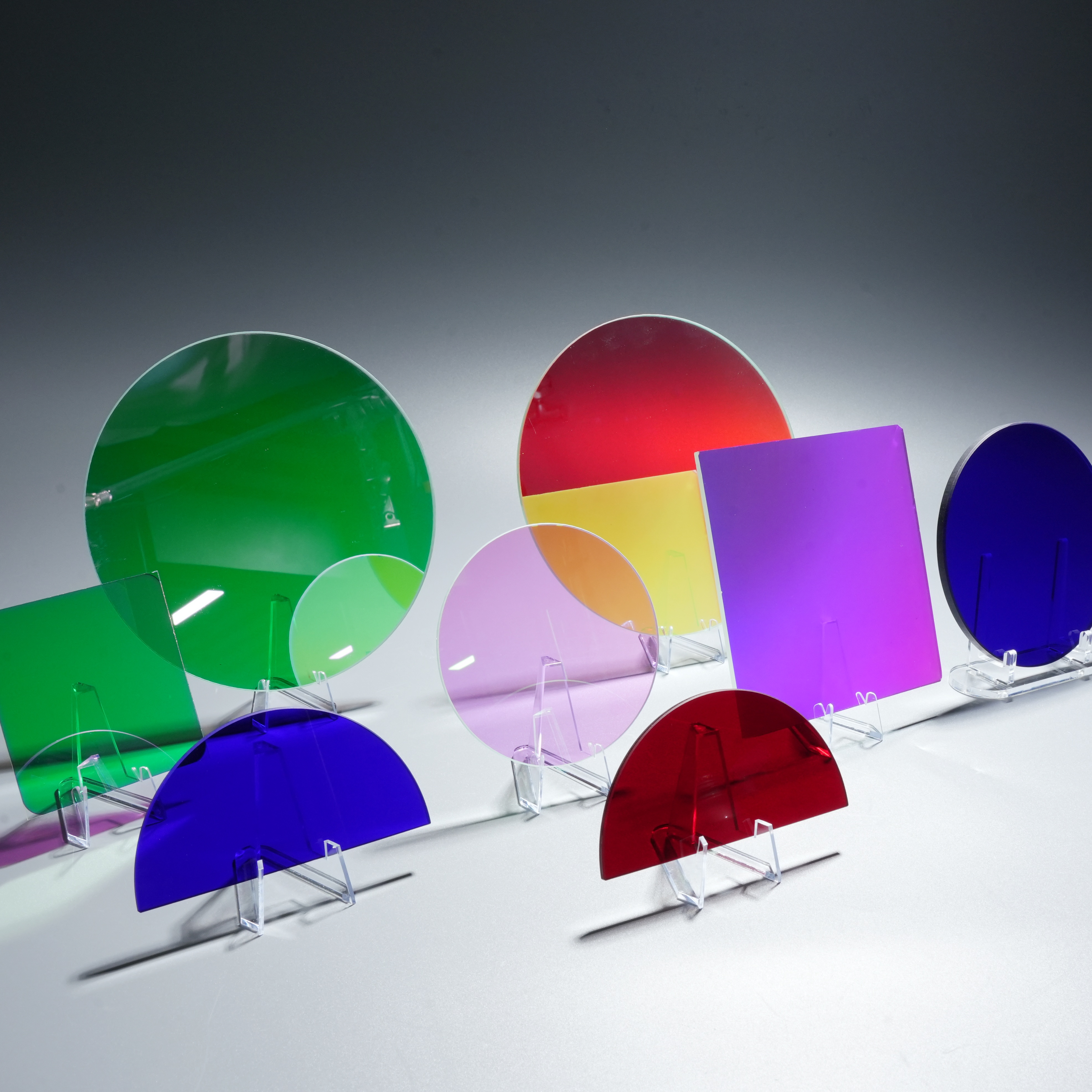
590 nm 49 mm Coated UV Borosilicate Bandpass / Longpass Optical Filter
Custom wavelength, diameter and coating stack for instruments, sensors and machine-vision channels.
View technical details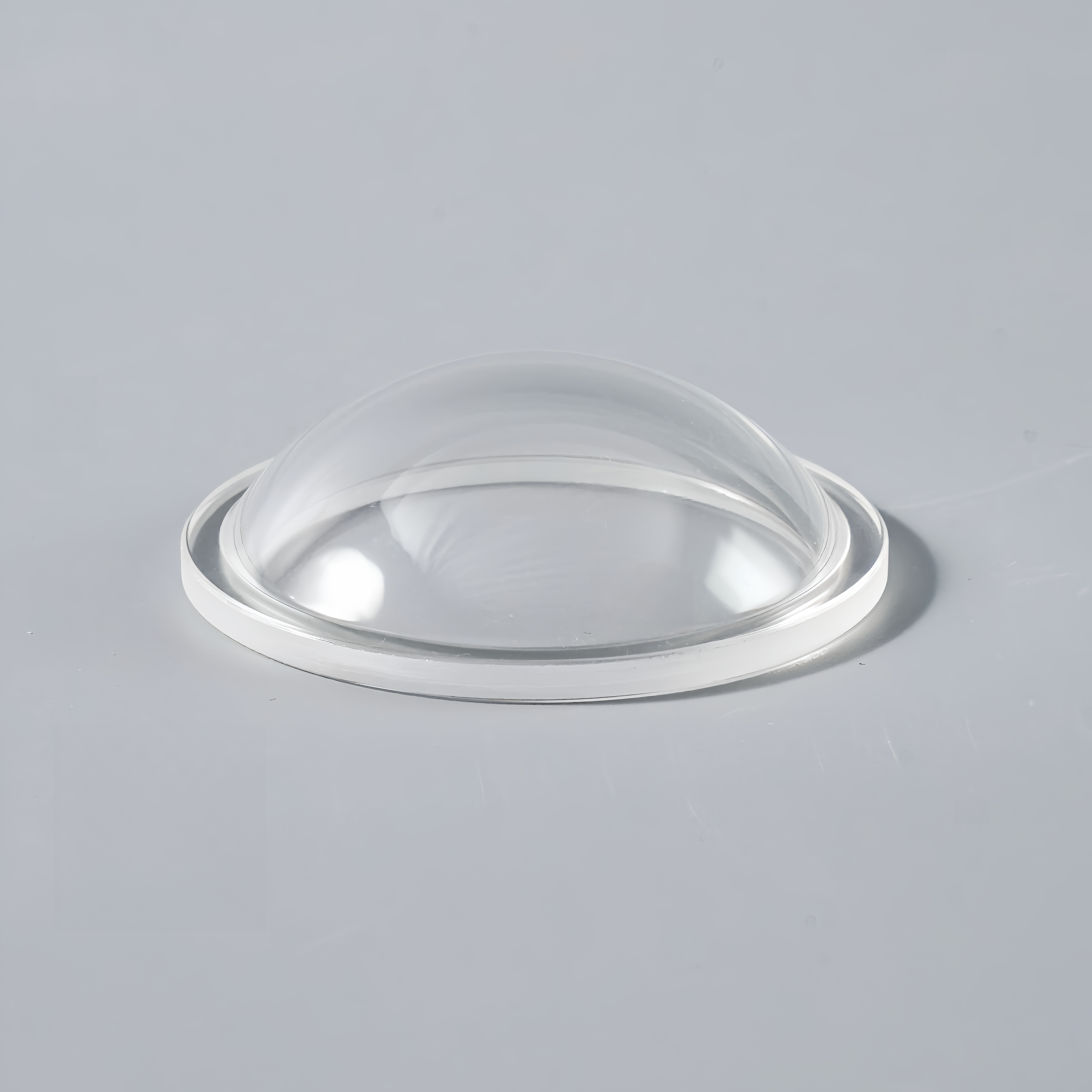
High-Transmission Clear Borosilicate Glass Dome Lens for LED Outdoor Lighting
Impact-resistant clear dome for outdoor fixtures, area lights and architectural luminaires requiring stable transmission.
View technical detailsSupplier capability signals that matter before a sample PO
Published company data helps a buyer frame risk. The next step is always drawing review, sample verification and a factory audit trail.
What a “Best” Precision Glass Factory Must Prove to an OEM Buyer
A China precision glass factory becomes commercially valuable only when engineering judgment, process control and export reliability are visible at the quotation stage. These six advantages separate a repeatable supplier from a catalogue reseller.
Drawing-first DFM review
Wall thickness, draft angle, sealing face, tolerance stack-up and optical path alignment should be reviewed before tooling. Tambi Glass’s published positioning is drawing-based OEM/ODM support, which is especially relevant for explosion-proof covers, signal domes and AR-coated lenses.
Material breadth and discipline
Borosilicate 3.3, tempered soda-lime, fused quartz and optical BK7/K9 behave differently under heat, impact and thermal shock. A credible supplier explains the trade-off instead of quoting every project in the same glass. This is a core E-E-A-T signal for technical buyers.
Forming plus optical finishing
Pressed, blown, ground, polished and coated processes belong in one controlled chain when a part must be both mechanically robust and optically stable. Combining these capabilities under one supply chain reduces hidden hand-offs and specification drift.
Coating and metrology traceability
AR coating, bandpass filters and colored signal glass require inspection data, not visual promises. Buyers should request transmission targets, coating curves, dimensional reports, surface-quality criteria and batch-level inspection records before volume release.
Auditable supplier records
The original supplier profile includes third-party assessment, credit index, transaction level, trade capacity, trade history and buyer feedback. These records support supplier qualification, but they do not replace a project-specific audit or sample validation.
Export discipline and response speed
Fragile glass components need divider packing, reinforced cartons and palletization designed for sea or air freight. A published response target of around six hours for technical inquiries is commercially useful when an OEM line is waiting on a replacement sample.



Shanghai Tambi Glass: Custom Lighting and Optical Glass Around Real Fixture Conditions
Shanghai Tambi Glass Industrial Co., Ltd. supplies custom glass components to lighting and optical OEMs worldwide. Its published positioning is practical rather than slogan-led: how should glass perform inside a real luminaire? That question covers heat build-up behind high-power LEDs, thermal shock when rain hits a hot cover, impact loads in hazardous areas, salt-spray exposure in marine signal lights, and color accuracy in aviation or obstruction lighting.
According to the company profile, senior lighting and molding engineers review drawings for wall thickness, draft, sealing faces and optical path alignment before tooling starts. The operation combines pressed, blown, ground and coated processes under one supply chain and serves long-term partners in Europe, North America and Japan. For buyers, that mix matters because a precision glass project rarely fails at one machine; it fails when material selection, tooling, annealing, coating and packing are treated as disconnected steps.
- Drawing-based OEM / ODM support
- Borosilicate, tempered, quartz and BK7/K9 options
- AR, bandpass and longpass coating capability
- Onsite-verified supplier documentation
- Explosion-proof, signal and optical product lines
- Export packing for fragile glass parts
Precision Glass Procurement Trends: What Changes Between 2025 and 2030
Buyers are moving away from “cheapest piece price” toward verified performance, supply resilience and change control. For a China precision glass supplier, the commercial winners will be factories that can document process capability and support smaller, faster engineering loops.
1. Total cost of ownership replaces unit price
Procurement teams now calculate scrap rate, field-return risk, packing loss and line downtime alongside piece price. A cover that cracks after thermal shock is not low-cost, even if the quotation is the lowest. RFQs increasingly ask for CTE, annealing records, impact data and coating verification.
2. Dual sourcing and supply resilience
OEMs are qualifying a primary and a secondary glass source before a line is commissioned. The secondary source may not receive the entire volume, but it must prove drawing conformance and sample repeatability. That trend favors suppliers with flexible tooling and clear inspection workflows.
3. Traceability and change control
Material substitution, mold repair and coating changes must be communicated before shipment. Buyers increasingly require batch identification, dimensional reports and deviation approval. A strong supplier treats a process change as a commercial event, not a shop-floor detail.
4. Early supplier involvement
Glass is no longer a late-stage commodity. When engineering brings a glass supplier into the fixture design phase, the team can adjust wall thickness, gasket compression, draft and mounting tolerances before tooling. This reduces expensive late changes in explosion-proof and signal-light projects.
5. Smaller batches with modular tooling
MOQs still matter, but existing molds and modular tooling make 50–500 piece runs more practical for optical and lighting covers. Buyers should ask whether a quoted MOQ uses a new mold, a modified mold or an existing production tool.
6. Sustainability through longer service life
Energy-efficient LED fixtures are expected to remain in service for years. Glass components that resist UV, heat and cleaning chemicals reduce replacement cycles. High-transmission materials and durable AR coatings support lighting efficiency without plastic yellowing or scratch degradation.
Product Development Trends in Borosilicate and Optical Glass
Glass components are becoming system-level parts: they affect thermal safety, optical efficiency, regulatory compliance and field-service cost. These six development directions are especially visible in lighting, sensing and hazardous-area equipment.
High-power LED thermal shock
Higher luminous output creates hotter covers and sharper rain-contact shock. Borosilicate 3.3 remains attractive because its thermal expansion is around 3.3 × 10⁻⁶/K, giving better tolerance than standard tempered soda-lime glass in demanding outdoor fixtures.
LiDAR, robotics and machine vision domes
Hemispherical optical domes must combine pressure resistance, optical clarity and broadband AR coating. Buyers increasingly request coating curves and transmission data, not only mechanical dimensions, because signal-to-noise performance depends on the window.
Asymmetric optics and dark-sky compliance
Roadway and area lighting specifications are tightening around glare and light pollution. Asymmetric glass lenses help direct light where it is needed. The next buying question is not only “does it fit?” but “does the beam pattern support the local lighting class?”
Coated filters for sensors
Bandpass and longpass filters are moving into industrial sensing, spectroscopy and machine vision. Custom wavelength, diameter and cut-edge steepness require tighter coating control and better communication between optical designers and glass finishers.
Explosion-proof glass as a safety component
In oil, gas, chemical and mining environments, the glass cover is part of the safety envelope. Buyers should validate thickness, thermal shock, impact resistance and sealing-face geometry against the fixture design and applicable certification path.
Fresnel lenses for stage and horticulture
High-power stage, studio and horticultural LEDs need efficient collimation without plastic degradation. Borosilicate Fresnel lenses with AR coating are increasingly specified where heat, spectrum stability and long service life outweigh the lowest initial cost.
How to Choose the Right Glass Material for Precision Components
Selecting the wrong glass early creates cracked covers, unstable optics and field returns that no inspection can fix. Use this comparison as a first-pass filter, then confirm against the lamp surface temperature, impact rating, sealing method and fixture standard.
Values are typical engineering references. Final specification must be confirmed against your drawing, lamp surface temperature, impact rating, coating target and the standard the finished fixture must meet.
Typical weighting in a precision glass RFQ scorecard
A Controlled Six-Step OEM Process for Custom Glass Parts
Clear checkpoints reduce the gap between sample approval and mass production. The process below reflects the workflow a serious precision glass supplier should be able to explain before you issue tooling.
Drawing and DFM review
Check thickness, draft, tolerance, sealing face, gasket compression and optical path. Flag risks before mold commitment.
Mold and tooling decision
Confirm whether an existing mold can be adapted or a new tool is required. Tool ownership and maintenance should be documented.
Sampling and fit test
Measure samples, compare transmission and send parts for the buyer’s fit, light and environmental testing.
Forming and annealing
Control forming temperature and annealing or tempering to relieve stress. Thermal stress is a primary cause of field cracks.
Coating and quality control
Apply AR, bandpass or color coating as specified. Inspect dimensions, surface quality, transmission and visual defects.
Export packing
Separate fragile parts with foam or pulp dividers, reinforce cartons and palletize for sea or air freight. Confirm labeling for distributors.
Where Precision Glass Changes Fixture Performance
Every application stresses glass differently. The supplier should specify material and processing from operating conditions, not from a generic catalogue.
Airport and aviation
Obstruction, runway edge and in-pavement light lenses require stable red or clear transmission, dimensional repeatability and heat resistance.
Hazardous-area lighting
Oil, gas, chemical and mining fixtures need explosion-proof glass covers that maintain mechanical integrity under heat, impact and corrosive exposure.
LiDAR and scientific sensing
Pressure-rated domes, hemispherical windows, prisms and filters support optical sensing where transmission and coating stability are critical.
Food and medical equipment
Chemically resistant sight glasses and covers support machinery that is washed down frequently or exposed to cleaning agents.
Verify the Supplier Before You Approve the Mold
Independent records help procurement teams complete supplier qualification faster. Use them as inputs, then confirm the current project-specific documents directly.
Supplier Assessment
Third-party verification of legal status and premises. Useful for initial qualification and audit planning.
View assessment →Credit Index
Business credit and compliance overview for procurement risk screening.
Check credit index →Transaction Level
Recorded online transaction performance that can support a first commercial review.
See transaction level →Trade Capacity
Export markets, trade terms and logistics capability relevant to fragile glass shipments.
View trade capacity →Trade History
Historical shipment and order records that help frame repeat-order confidence.
Review trade history →Ratings and Reviews
Buyer feedback from companies that have placed orders. Read alongside sample reports and audit records.
Read buyer feedback →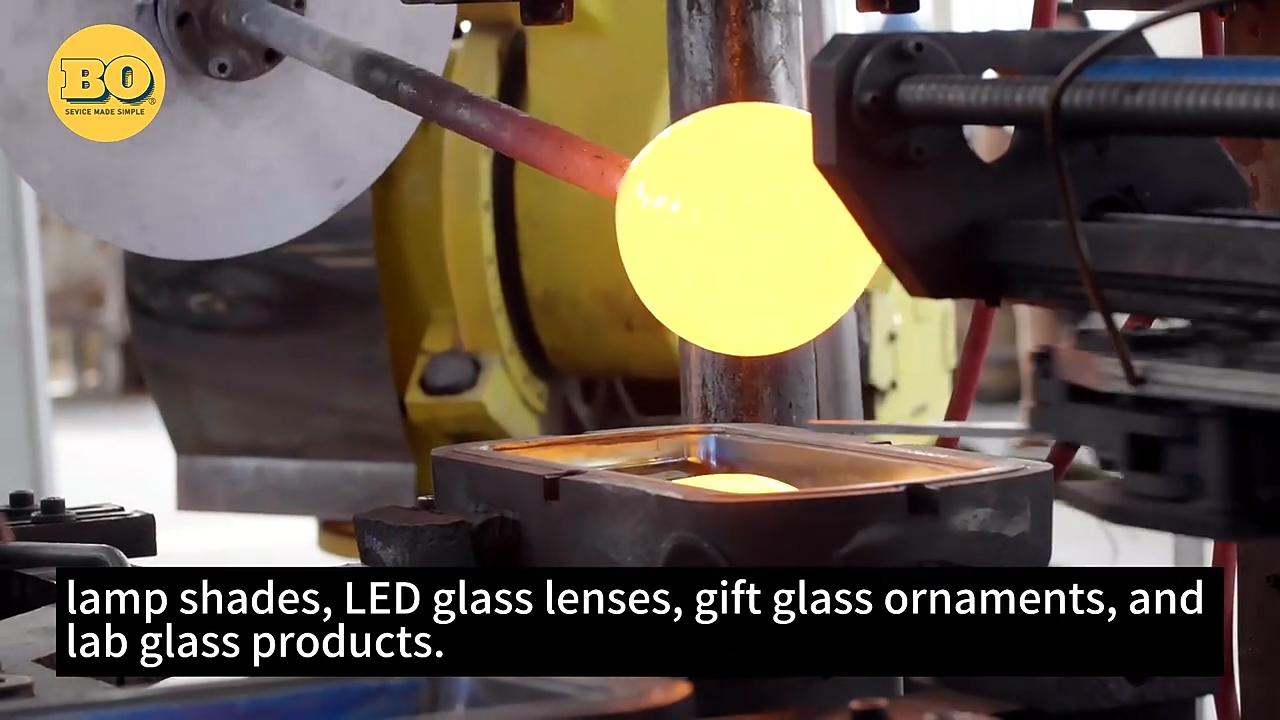
Audit the Factory Before You Commit to a Mold
A sample can prove that one part works. A factory audit explains whether the tenthousandth part will work the same way. Review forming, finishing, annealing, inspection and packing before you approve tooling. The original supplier video page allows buyers to see production lines rather than a showroom.
For remote qualification, ask for a live video call, a walk-through of the inspection station, packing photos and a batch-level dimensional report. These are practical E-E-A-T checks for any China precision glass supplier.
Precision Glass Procurement FAQ for OEM and Engineering Teams
These are the questions that most often determine whether a quotation becomes a reliable production program.
Can you manufacture glass covers and lenses to my own drawing?
Yes. Most custom orders are drawing-based. Send a 2D/3D drawing or a physical sample with dimensions, tolerance, material, color and coating requirements. A serious supplier will review manufacturability, propose mold options and confirm samples before mass production. For optical parts, include numerical aperture, wavelength range or transmission target; for lighting covers, include lamp surface temperature and gasket details.
What is the typical minimum order quantity for precision glass parts?
MOQs commonly range from 50 pieces for optical lenses to 100–500 pieces for pressed or blown lighting covers, depending on whether an existing mold can be used. Sample quantities are often available for evaluation. The key question is not only the number but whether the MOQ requires a new mold, a mold modification or an existing production tool.
Should I choose borosilicate glass or tempered soda-lime glass?
Borosilicate 3.3 has low thermal expansion of about 3.3 × 10⁻⁶/K, so it tolerates high lamp temperatures and sudden cold-water or rain contact better. Tempered soda-lime glass offers high impact strength at a lower cost for moderate temperatures. The right choice depends on surface temperature, impact rating, cleaning chemicals, coating needs and the certification path of your fixture.
Do you supply glass for FAA L-810 and EN 50293 lighting fixtures?
Glass lenses and domes can be produced for fixture makers whose obstruction and signal lights are designed around FAA L-810 or EN 50293 requirements. Fixture certification is normally held by the luminaire manufacturer. The glass supplier should match color, transmission, dimensional specifications and inspection requirements, and provide material and inspection reports on request.
How fast do technical inquiries get a response?
The published average response time is within six hours. To speed up the review, include the drawing, annual volume, target unit price range, operating temperature, impact requirements, coating target and destination country. A complete RFQ package often saves more time than a long email exchange.
How are fragile glass parts packed for export?
Parts are typically separated by foam or pulp dividers, packed in reinforced export cartons and palletized for sea or air freight. Custom packaging and labeling for distributors can be arranged. Buyers should request packing photos for first shipments and a sample drop test where field damage risk is high.
What data should I send for an accurate optical glass quotation?
Provide diameter, thickness, radius or asphere coefficients, tolerance, surface quality, coating range, transmission target, substrate grade and annual volume. For imaging or LiDAR domes, include the sealing method and pressure or ingress requirement. For lighting covers, include the mounting flange, gasket compression and expected thermal cycle.
How do I verify coating and optical transmission before mass production?
Ask for a coating curve, transmission measurement at agreed wavelengths, substrate certificate and sample inspection report. Define the measurement method and acceptance criteria in the purchase specification. For colored signal glass, agree on color coordinates and transmission limits, not only a visual sample under office lighting.
Send the Drawing — Not Just the Part Name
A precise RFQ lets the engineering team recommend the right glass, coating and packing before a mold is cut. Share your dimensions, operating temperature, annual volume and target certification path.
info@tambiglass.com