China Best Optical Components Exporter & Wholesaler
Drawing-based borosilicate, fused silica, BK7/K9, coated windows, prisms, lenses and explosion-proof glass for lighting, signal, LiDAR and laser OEMs.
Eight Optical Components Buyers Source Most Often
These are production-ready starting points, not catalog limits. Each item can be adapted for dimension, tolerance, edge finish, coating, color, gasket interface and export packing. Product URLs are retained exactly for a traceable RFQ flow.

Borosilicate Transparent Explosion-proof Shade, Heat-resistant & Crack-proof, Transparent Protective Cover
Transparent protective cover for high-bay industrial and hazardous-area fixtures. Specify diameter, wall thickness, sealing face and packing for field-replacement programs.
View product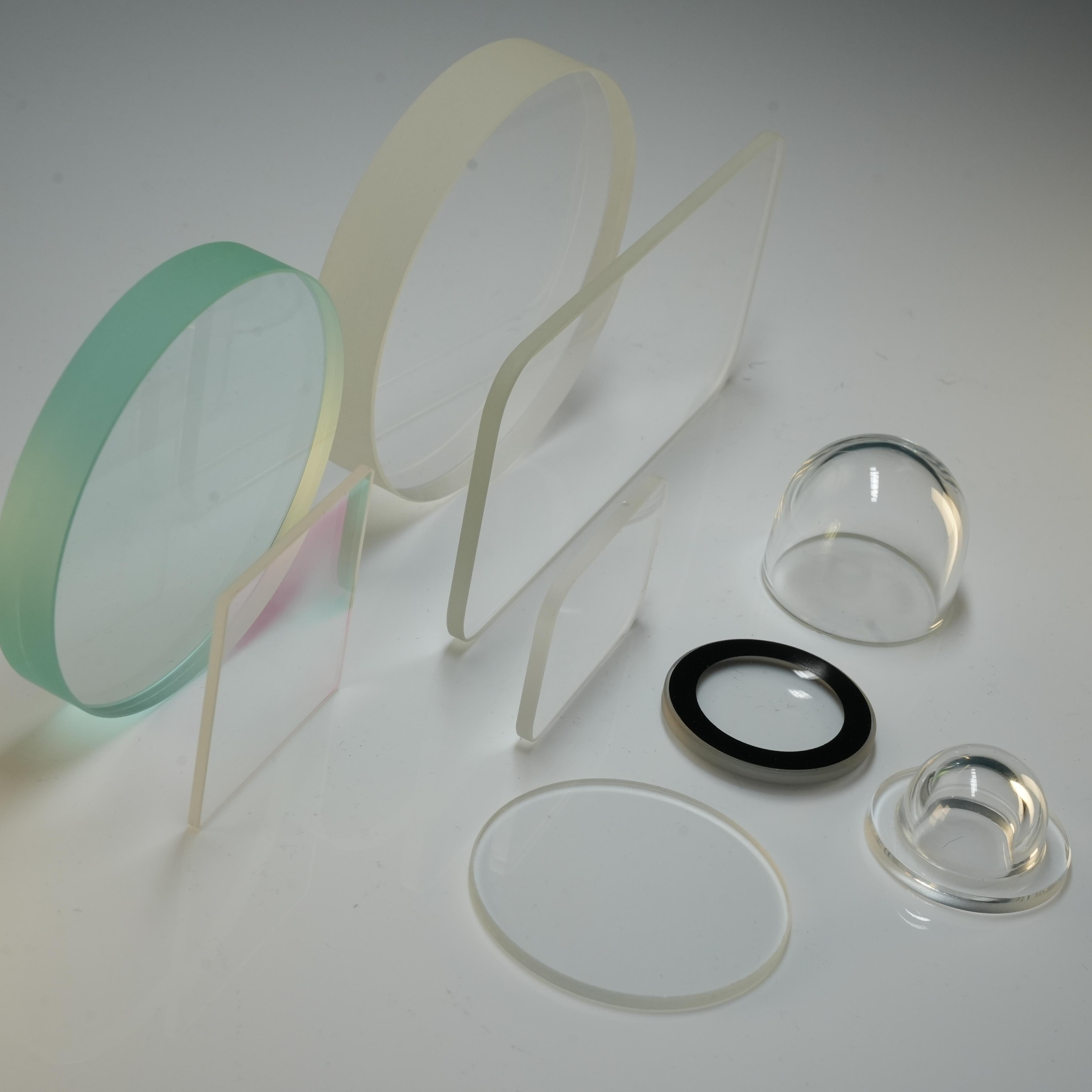
Manufacturer OEM Transparent High Quality Precision Borosilicate UV Fused Silica Coated Glass Optical Window High Transmittance
High-transmittance window for sensing and instrument enclosures. Confirm wavelength band, flatness, coating curve and compression load before tooling.
View product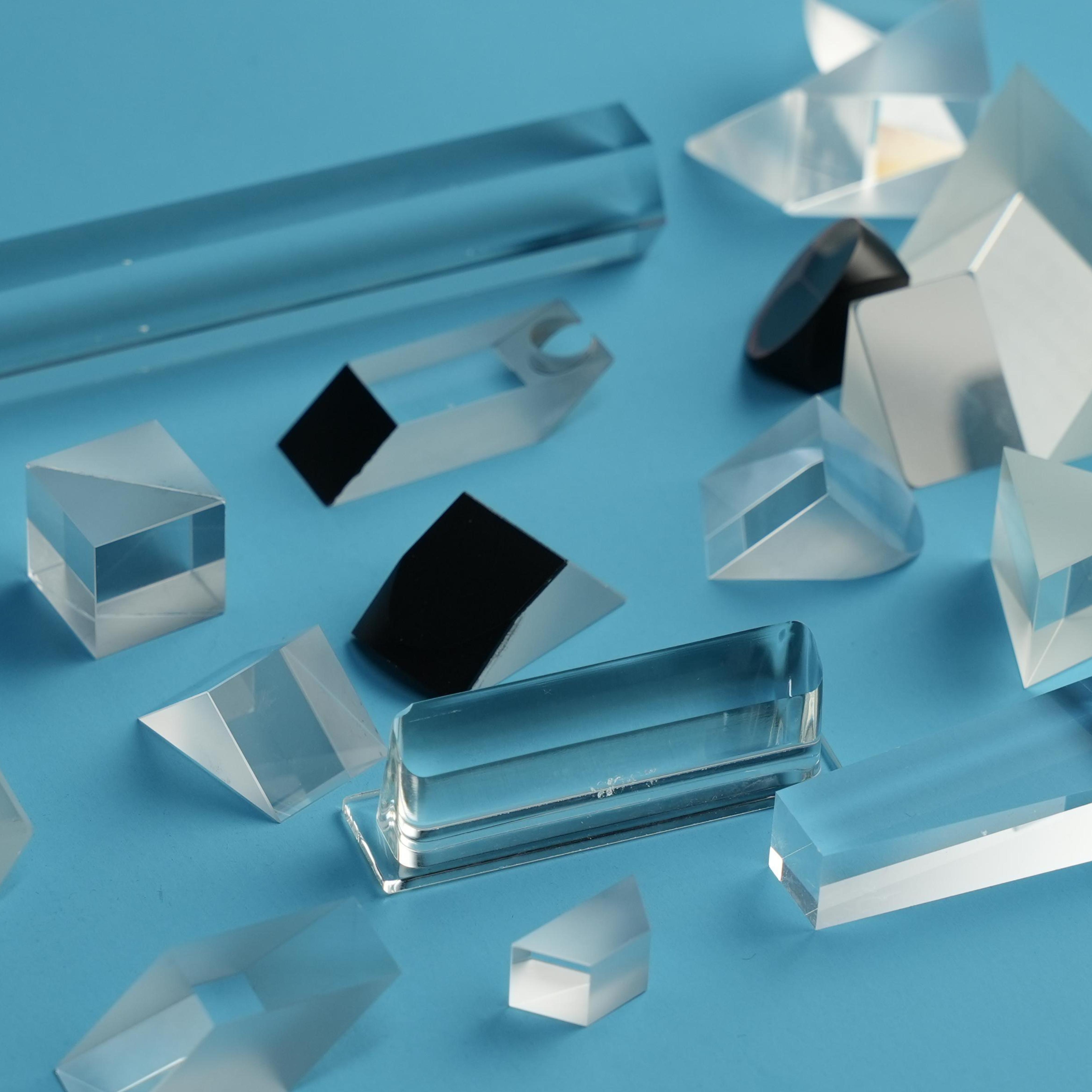
Factory Custom BO-GLASS Quartz BK7 K9 Arcoated Fused Silica High Precision Right Angle Prism 90Degree Clear ODM/OEM 3-Year
Right-angle prism for beam steering, alignment and compact optical assemblies. Material, coating angle and tolerance stack should be defined at RFQ stage.
View product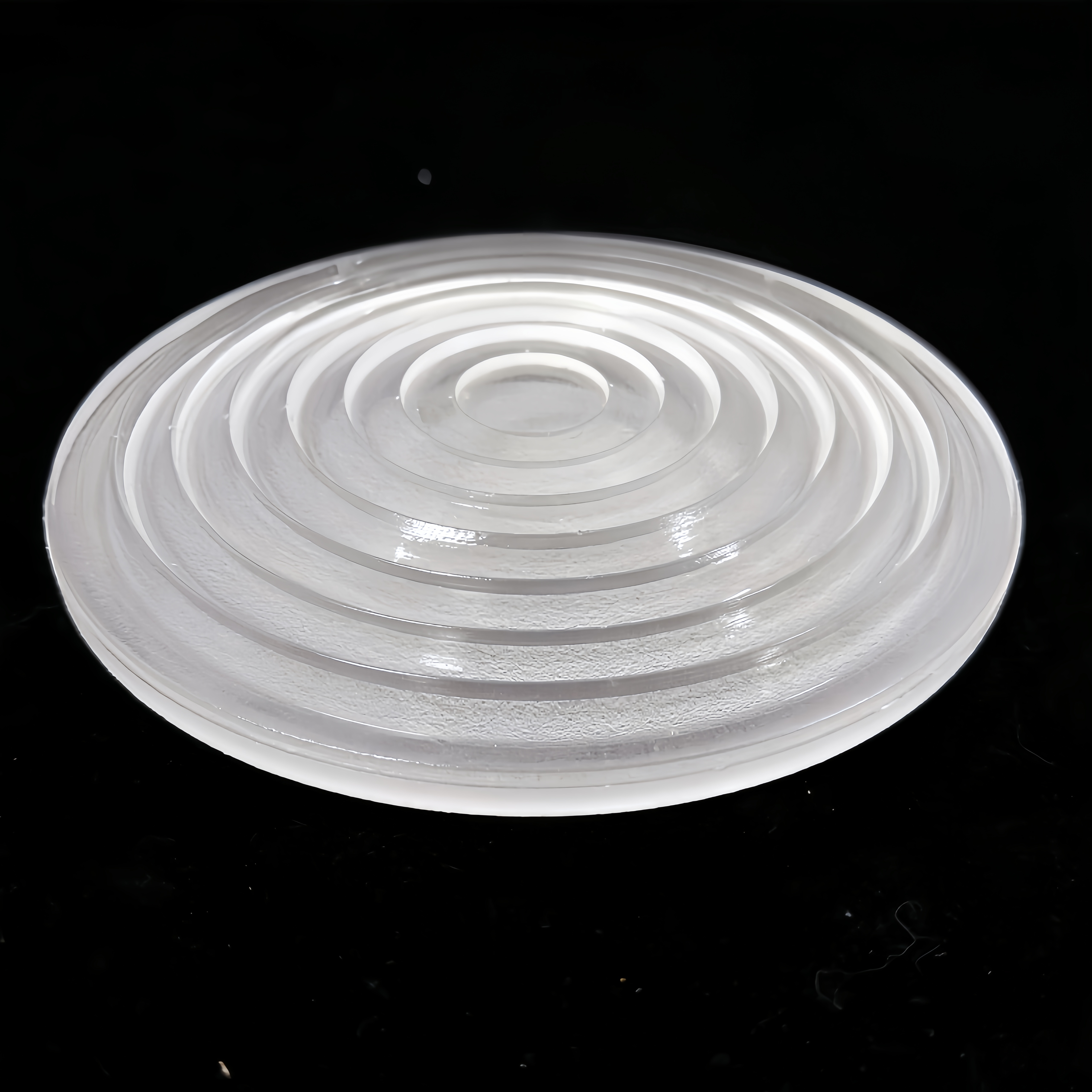
High Temperature Resistant Borosilicate Glass Fresnel Lens Anti-Reflective Coating High Power LED Collimation Stage Lighting
Borosilicate Fresnel optic for high-power LED collimation and stage lighting. AR coating, mold quality and thermal cycling are the critical quality checkpoints.
View product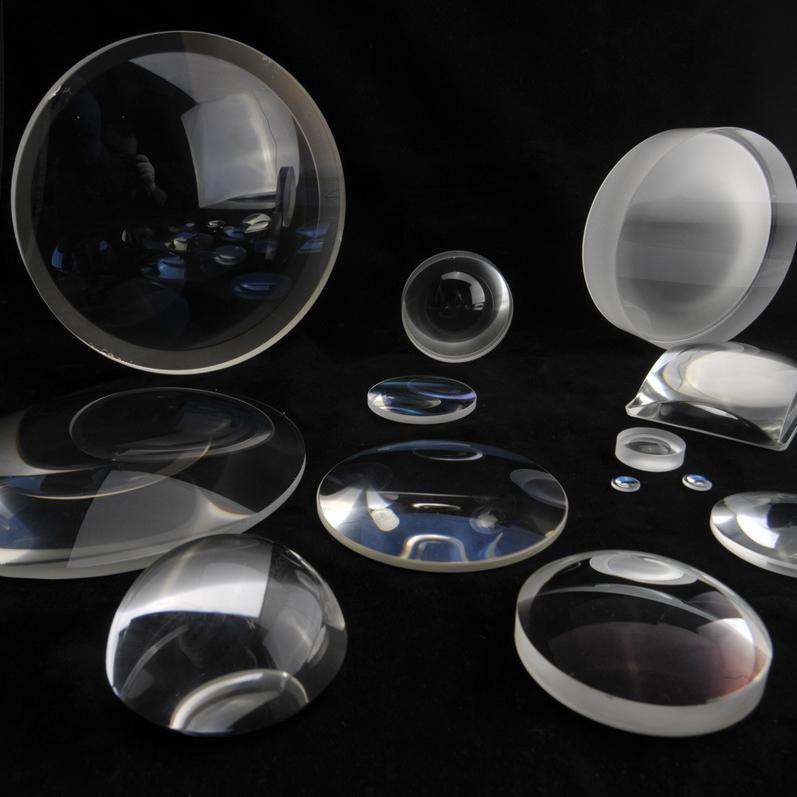
Custom High Quality Diameter 80Mm 127Mm 250Mm Spherical K9 Optical Coating Glass Plano Convex Lens for Big Magnifying
K9 plano-convex lens for magnifying and illumination optics. Large-diameter parts need controlled grinding, polishing and mounting stress analysis.
View product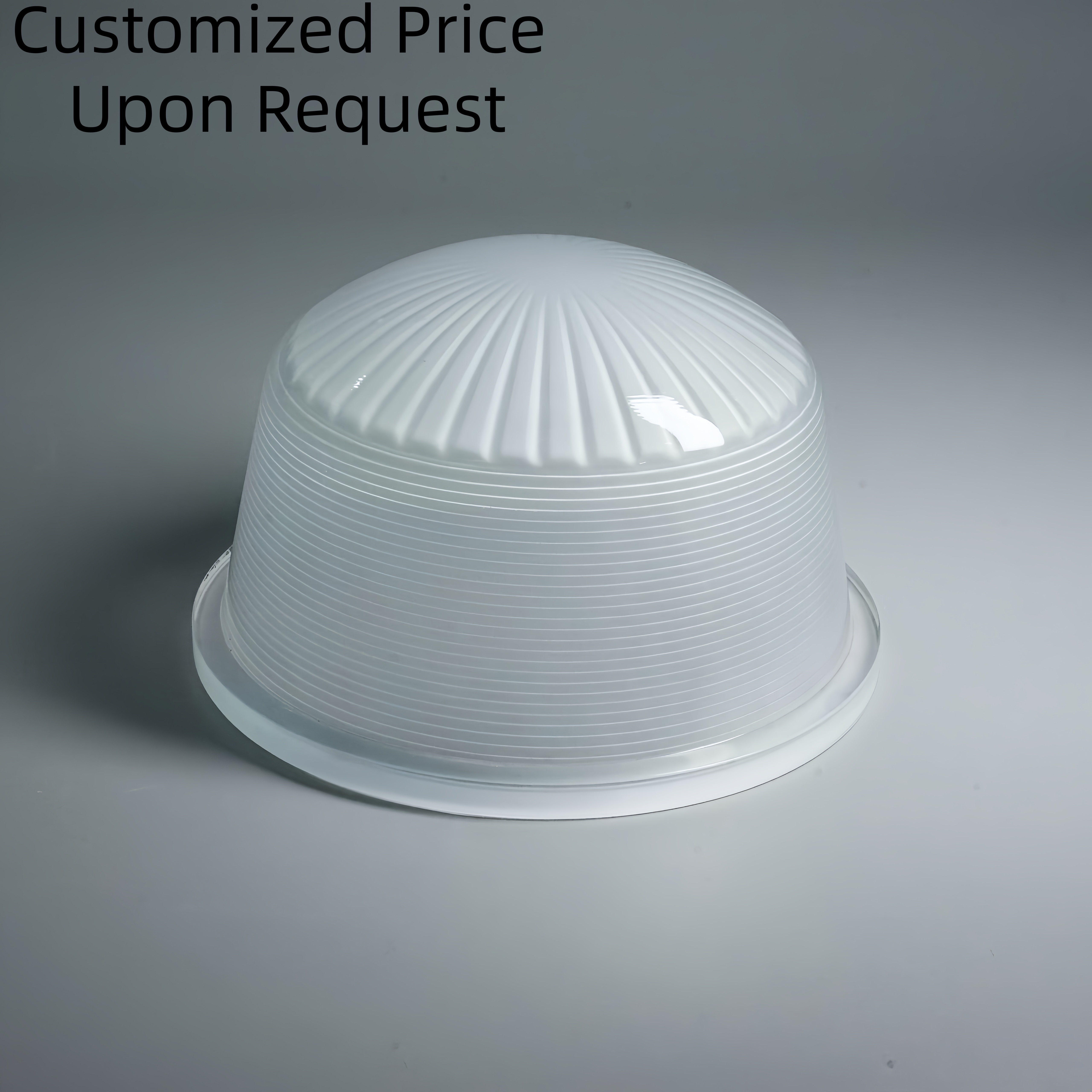
Transparent Explosion-proof Glass Shade, High Light Transmittance, Industrial Workshop Lighting
High-transmittance shade for workshop lighting where impact, heat and cleaning cycles matter. Custom neck fits and protective packaging are available.
View product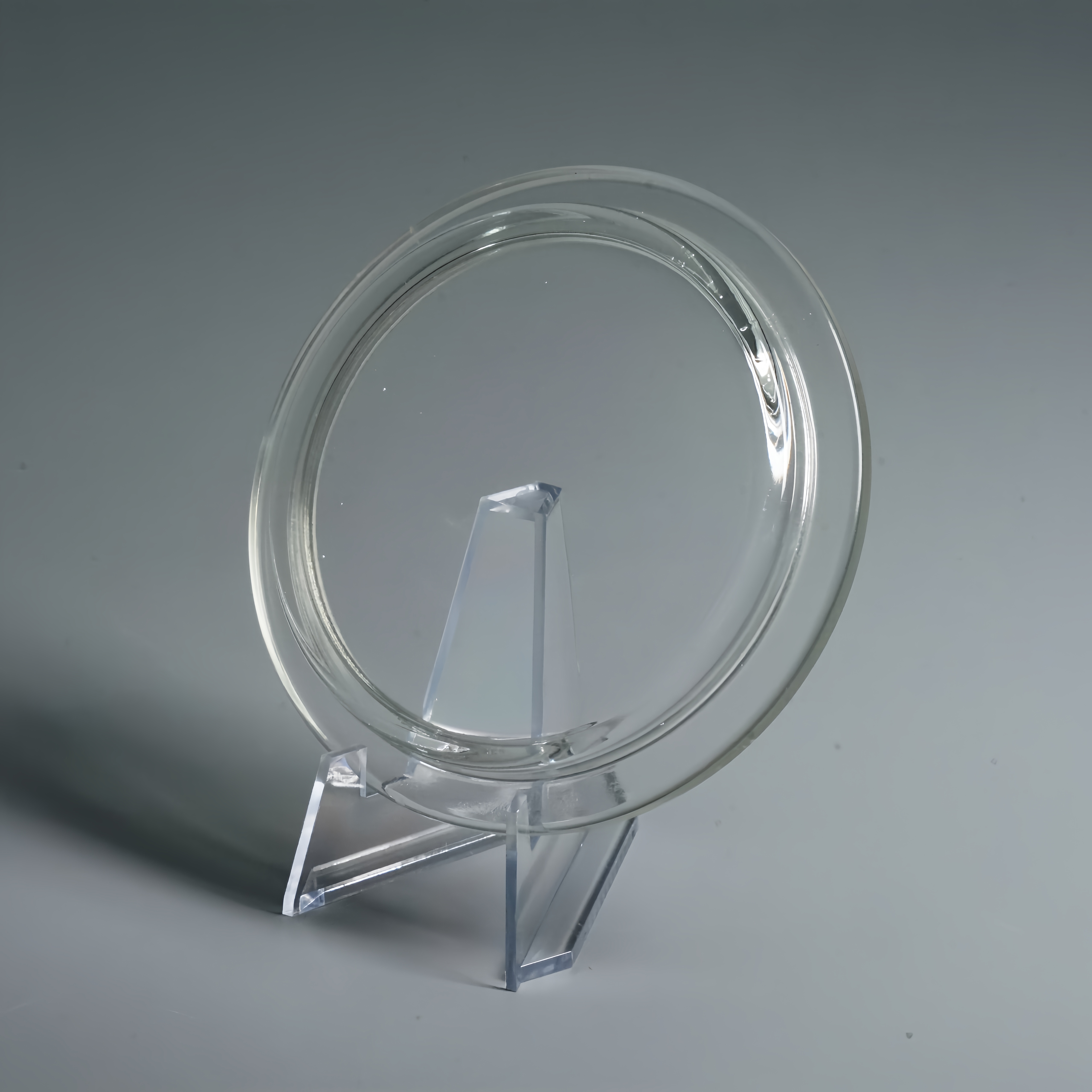
Custom Size Coastal Victorian Outdoor Stage Glass Lampshade Factory Waterproof High Temperature Impact Resistant Silk-Printable
Outdoor glass lampshade for coastal, Victorian and stage fixtures. Combine waterproof sealing, impact resistance and optional silk-printing in one drawing.
View product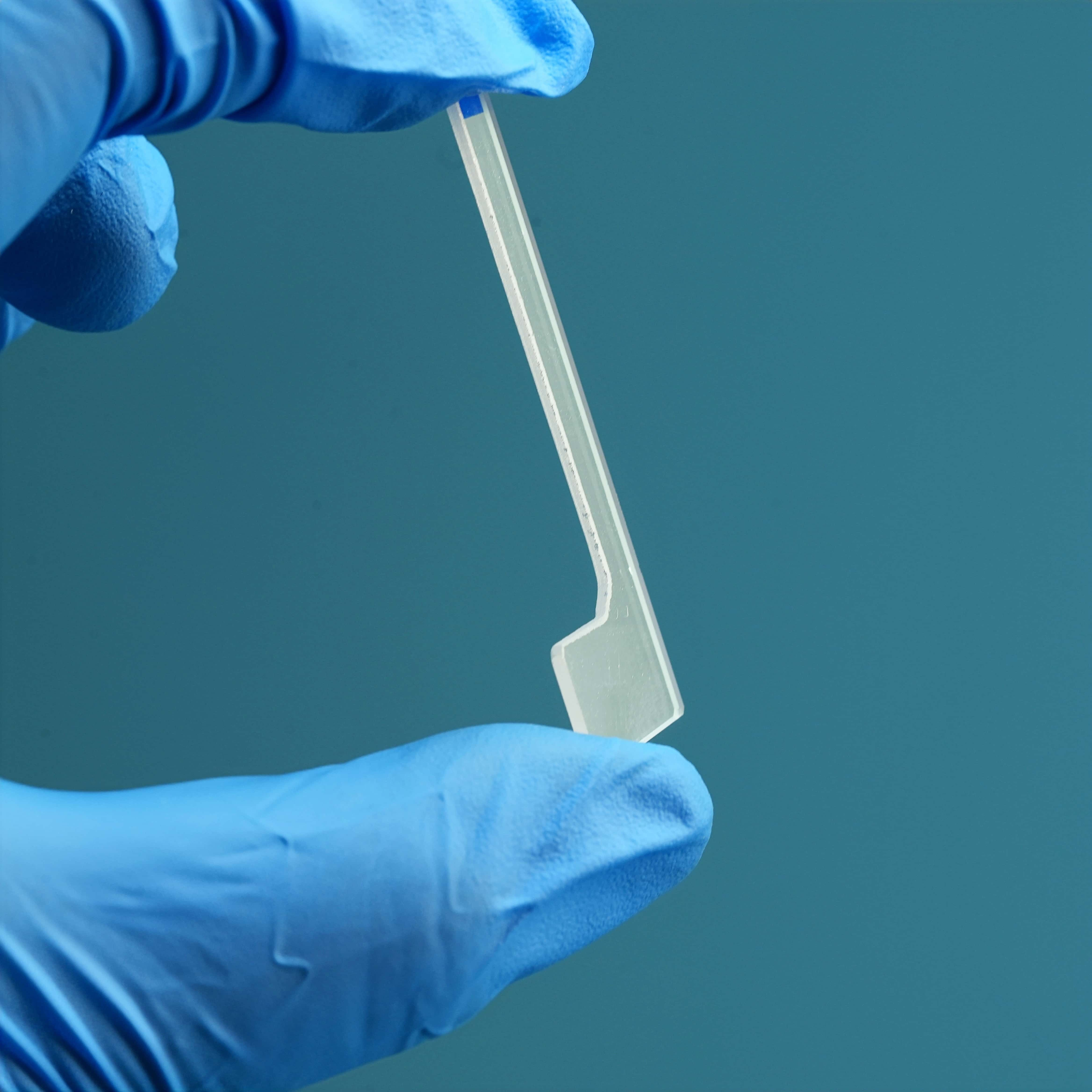
Anamorphic Prism Pair for Laser Beam Shaping Circularizing Elliptical Beams for Fiber Coupling Applications
Prism pair for circularizing elliptical laser beams in fiber coupling. Wavelength, AR coating and beam ratio must be specified together for repeatable results.
View product


A Practical China Optical Components Exporter & Wholesaler for Drawing-Based Programs
Shanghai Tambi Glass Industrial Co., Ltd. is a Shanghai-based manufacturer and trading company focused on custom industrial lighting glass and optical glass components. With more than a decade of experience, our engineering team reviews every drawing for wall thickness, draft, sealing-face flatness, gasket compression and optical-path alignment before tooling starts.
This is the difference between a catalog reseller and a production partner. A glass cover can be dimensionally correct and still fail in service if it ignores the transient thermal gradient around a hot lamp, the compression load from a gasket, or the coating durability needed at a laser wavelength. We translate fixture requirements into a manufacturable glass specification.
Our three specialized production lines connect pressed, blown, ground, polished, annealed, tempered and coated processes in one supply chain. Materials include borosilicate 3.3, tempered soda-lime, fused quartz and BK7/K9 optical glass, with AR coating, bandpass coating, color, silk-print and edge finishing options. We serve OEMs in Europe, North America and Japan, and support procurement teams with samples, inspection reports and export packing engineered for fragile glass.
- Drawing-based OEM / ODM and DFM review
- Borosilicate, tempered, quartz and BK7/K9
- AR coating, optical filters and color finishing
- Onsite-verified supplier records
- Factory video and audit-friendly communication
- Export packing for sea and air freight
E-E-A-T Advantages That Reduce Procurement Risk
For custom optical components, the real supplier advantage is not a wide catalog. It is engineering review, controlled processing, measurable inspection and packaging that protects the value of fragile parts from factory to installation.
Drawing-Based DFM Review
We check wall thickness, draft, sealing faces, gasket compression, tolerance stack and optical path before mold investment. Early review reduces sample loops and field returns.
Material & Coating Breadth
Borosilicate 3.3, tempered soda-lime, fused quartz and BK7/K9 can be matched to thermal, optical and impact requirements instead of forcing one material into every fixture.
Three Processing Lines
Pressing, blowing, grinding, polishing, annealing or tempering and coating are coordinated under one supply chain, which helps control quality and communication.
Inspection Before Mass Production
Dimensional and visual inspection, transmission checks, coating review and sealing-interface verification help confirm the sample matches the approved drawing.
Export Packing Engineering
Foam or pulp dividers, reinforced export cartons and palletization are specified for fragile glass. Distributor labeling and custom packing can be arranged.
Verifiable Supplier Profile
Onsite verification, supplier assessment, credit index, trade capacity and buyer reviews are available for procurement qualification. Our average response time is within 6 hours.
Choose Optical Components by Application Risk, Not by Catalog Page
Different fixtures fail in different ways. A high-bay explosion-proof cover, an aviation signal dome, a LiDAR window and a stage Fresnel lens should not be evaluated with the same checklist. The shortlist below organizes recommendations around the dominant risk in each application.
Hazardous Areas & High-Bay Lighting
Prioritize thermal-shock resistance, impact strength and sealing-face control. Borosilicate 3.3 is often the safer choice where hot glass may meet cold water or washdown spray.
- Transparent explosion-proof shade
- High-transmittance industrial glass shade
- Custom wall thickness and edge finish
Aviation, Marine & Signal Lighting
Color stability, transmittance and dimensional repeatability matter more than generic “high strength” claims. Fixture certification remains with the luminaire manufacturer; glass specifications should match the approved optical and sealing design.
- Red or clear signal glass domes
- FAA L-810 or EN 50293 fixture programs
- Color and transmission reports on request
LiDAR, Lasers & Precision Instruments
Specify wavelength, incidence angle, AR coating, surface form and mounting stress together. A window that tests well on a bench can distort a sensing beam once clamped into a housing.
- Optical window and hemispherical dome
- Right-angle prism and anamorphic prism pair
- Fused silica for UV or high-temperature paths
Stage, LED & Horticultural Optics
High-power LED modules reward good thermal design and clean optical tooling. For Fresnel and plano-convex lenses, mold quality and coating durability are as important as the glass type.
- Borosilicate Fresnel lens
- K9 plano-convex lens
- AR-coated high-transmittance parts
Material Selection Data for Optical Glass Procurement
Selecting glass by softening point alone is misleading. The practical question is whether the part can survive the transient thermal gradient, impact load, clamping force and cleaning cycle of the fixture. The table below reflects the engineering logic our team uses during drawing review.
| Material | CTE (×10⁻⁶/K) | Typical max. working temperature | Key strength | Best for | Procurement checkpoint |
|---|---|---|---|---|---|
| Borosilicate 3.3 | ≈3.3 | ≈450 °C | Excellent thermal-shock resistance | Explosion-proof shades, high-power LED covers, Fresnel lenses | Control annealing, wall thickness and seal-face flatness |
| Tempered soda-lime | ≈9.0 | ≈250 °C | High impact strength and economical cost | Outdoor covers, floodlight glass, vandal-resistant lenses | Specify edge quality; chips can compromise tempered glass |
| Fused quartz | ≈0.55 | ≈1000 °C+ | UV transmission and extreme heat resistance | UV optics, high-temperature windows | Confirm UV grade, bubble class and coating adhesion |
| Optical BK7 / H-K9L | ≈7.1 | ≈300 °C | Homogeneous optical glass, nd ≈1.517 | Precision lenses, prisms, mirrors and filters | Define striae, homogeneity, surface form and coating angle |
Values are typical references. Final specification should be confirmed against the drawing, lamp surface temperature, impact rating, gasket design and the standard the finished fixture must meet.
What Optical Component Buyers Should Plan for Next
Sourcing is moving away from unit-price comparison toward engineering throughput, traceability and total landed cost. For fragile optical glass, the cheapest first quote is not always the cheapest delivered part.
Drawing-First RFQs
Buyers increasingly send 2D/3D drawings, gasket stacks, optical path notes and annual volume in the first RFQ. This reduces engineering iterations and helps suppliers identify mold or tolerance risks before sampling.
Total Landed Cost
Breakage, coating yield, rework, freight and installation failures can erase a low unit price. Procurement teams are adding breakage rate and replacement-cycle cost to the comparison model.
Dual Sourcing with One Standard
Global buyers want a China optical components whloesaler plus a regional backup source without changing the drawing. Shared inspection standards and material documentation make this workable.
Batch Traceability
Material lot, annealing or tempering record, coating run, dimensional report and visual inspection can be packaged with the shipment. These “report packets” speed supplier qualification and incoming inspection.
Flexible MOQ & Tooling Families
Typical MOQs range from 50 pieces for optical lenses to 100–500 pieces for pressed or blown lighting covers, depending on whether an existing mold can be used. Sample quantities remain important for fit and light tests.
Sustainability & Packaging Intelligence
Longer fixture life, lower reject rates and consolidated shipments are practical sustainability levers. Recyclable dividers, right-sized cartons and pallet optimization also reduce damage and freight waste.
Optical Glass Development Trends Shaping the Next Cycle
The next product cycle will reward suppliers who can combine optical performance with mechanical integration. Glass is no longer a passive cover; it is part of the thermal, sealing and sensing system.
Higher Power Density, Tighter Optics
Compact high-power LED fixtures push glass closer to the heat source. Development is moving toward thinner but well-annealed borosilicate optics, durable AR coatings and tighter alignment between lens, reflector and gasket.
Sensing, LiDAR & Laser Beam Shaping
Automotive and industrial sensing demand broadband AR domes, low-distortion windows, right-angle prisms and anamorphic prism pairs. The critical data set includes wavelength, coating curve, surface form, mounting stress and environmental cycling.
Harsh-Environment Infrastructure
Oil and gas, marine, tunnel, airport and outdoor architectural projects are asking for longer service life, better impact resistance and clearer documentation. Explosion-proof glass, tempered signal covers and coastal-grade lampshades are converging around total lifecycle cost.
For buyers, the implication is clear: the winning supply partner will be able to discuss glass formulation, mold design, annealing, coating and packing as one system. That is the operating model behind a reliable China optical components exporter and wholesaler.
A Controlled Six-Step Path from Drawing to Export
Clear checkpoints reduce surprises between sample approval and mass production. For custom glass, the process discipline is as important as the final optical specification.
Drawing & DFM Review
We review thickness, draft, tolerance, sealing face, gasket compression and optical path, then propose a manufacturable route.
Mold & Tooling
Existing mold families are checked first. If a new mold is required, tooling design is confirmed before sampling.
Sampling
Samples are measured and prepared for your fit test, light test or coating review. Sample quantities support engineering evaluation.
Forming & Annealing
Pressed, blown or ground parts are annealed or tempered to relieve stress and support stable optical and mechanical performance.
Coating & QC
AR coating, bandpass coating, color, silk-print and visual inspection are checked against the approved drawing and sample.
Export Packing
Divider-packed cartons, reinforced packaging and palletization are arranged for sea or air freight. Custom labels are available.
Where These Optical Components Perform
Application conditions determine the right material, coating and inspection method. These are the environments where our glass components are most often specified.
Aviation & Obstruction Lighting
Glass lenses and domes for runway, taxiway and obstruction fixtures. Color stability, transmission and sealing dimensions are critical.
Marine & Offshore
Signal light covers and protective glass for salt-spray environments where surface quality and gasket sealing affect service life.
Oil, Gas & Chemical
Explosion-proof lampshades and protective covers for hazardous areas, washdown zones and high-bay industrial lighting.
Stage, LiDAR & Automotive
Fresnel lenses, plano-convex optics, anamorphic prism pairs and optical windows for lighting, sensing and fiber-coupling systems.
Frequently Asked Questions from Optical Component Buyers
These are the questions procurement and engineering teams ask most often when qualifying a China optical components supplier.
Can you manufacture glass covers, lenses and prisms to my own drawing?
What is the typical minimum order quantity?
Should I choose borosilicate glass or tempered soda-lime glass?
Do you supply glass for FAA L-810 and EN 50293 lighting fixtures?
How fast do you reply to technical inquiries?
How are fragile glass parts packed for export?
Can you provide AR-coated windows and prisms?
What information should I send for an accurate quote?
Have a Drawing? Get an Engineering Review Within 6 Hours.
Share dimensions, material, operating temperature, coating target and annual volume. Our team will suggest a reliable glass solution, flag tooling risks and prepare a quotation for your fixture or optical assembly.
info@tambiglass.com