8 Optical Components That Support Microlens Array & Precision Lighting Projects
These eight production references reflect the forming, coating, metrology and export capabilities that serious buyers should review when comparing a China microlens array factory and its export partners.

High-Temperature Borosilicate Fresnel Lens
AR-coated borosilicate Fresnel optic for high-power LED collimation, stage lighting and heat-intensive fixtures.
View product details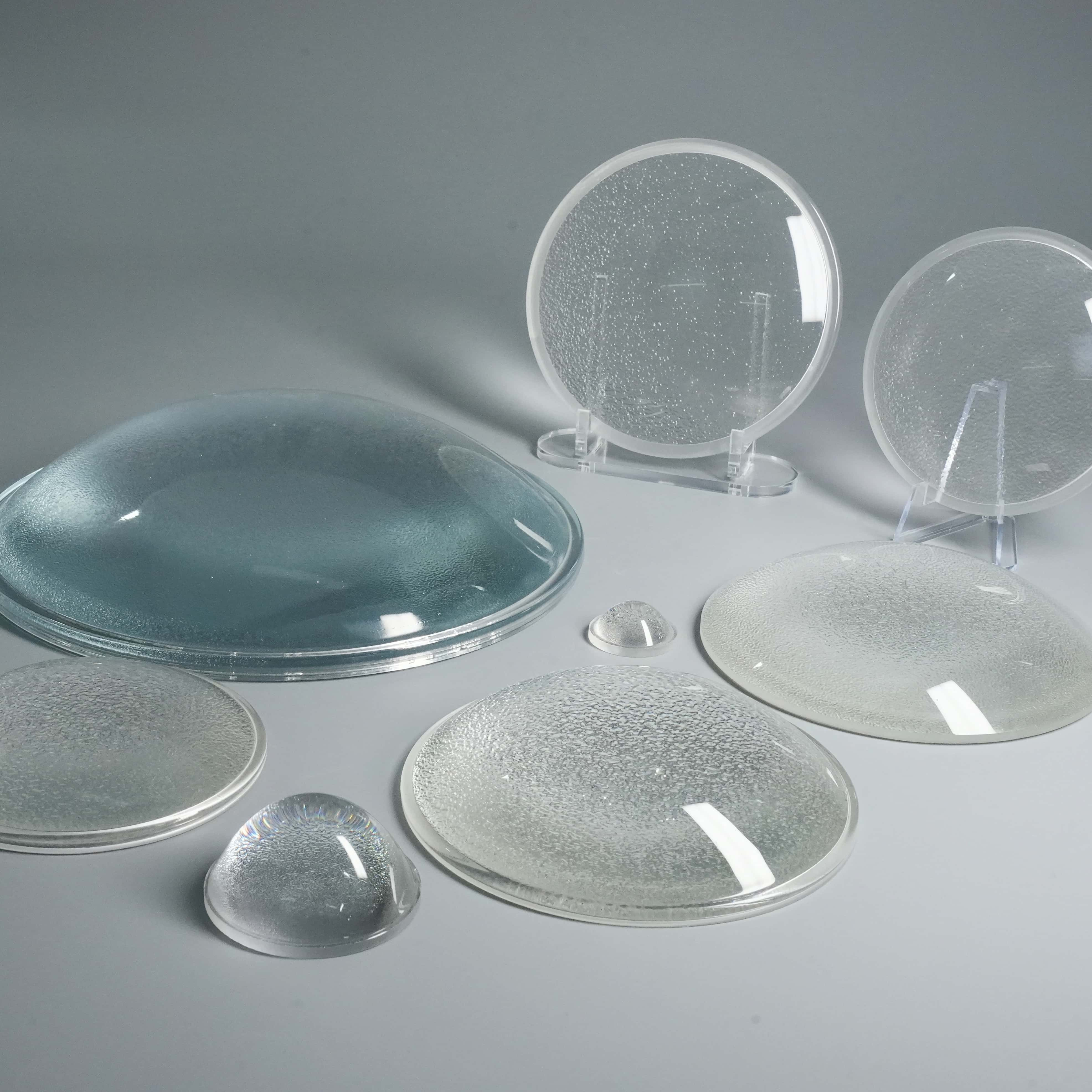
Asymmetric Borosilicate LED Street Light Lens
Asymmetric light distribution for roadway fixtures, with glare control, UV protection and OEM customization.
View product details
OEM Borosilicate & Fused Silica Optical Window
High-transmittance precision window for instruments, sensors and coated optical assemblies requiring stable substrates.
View product details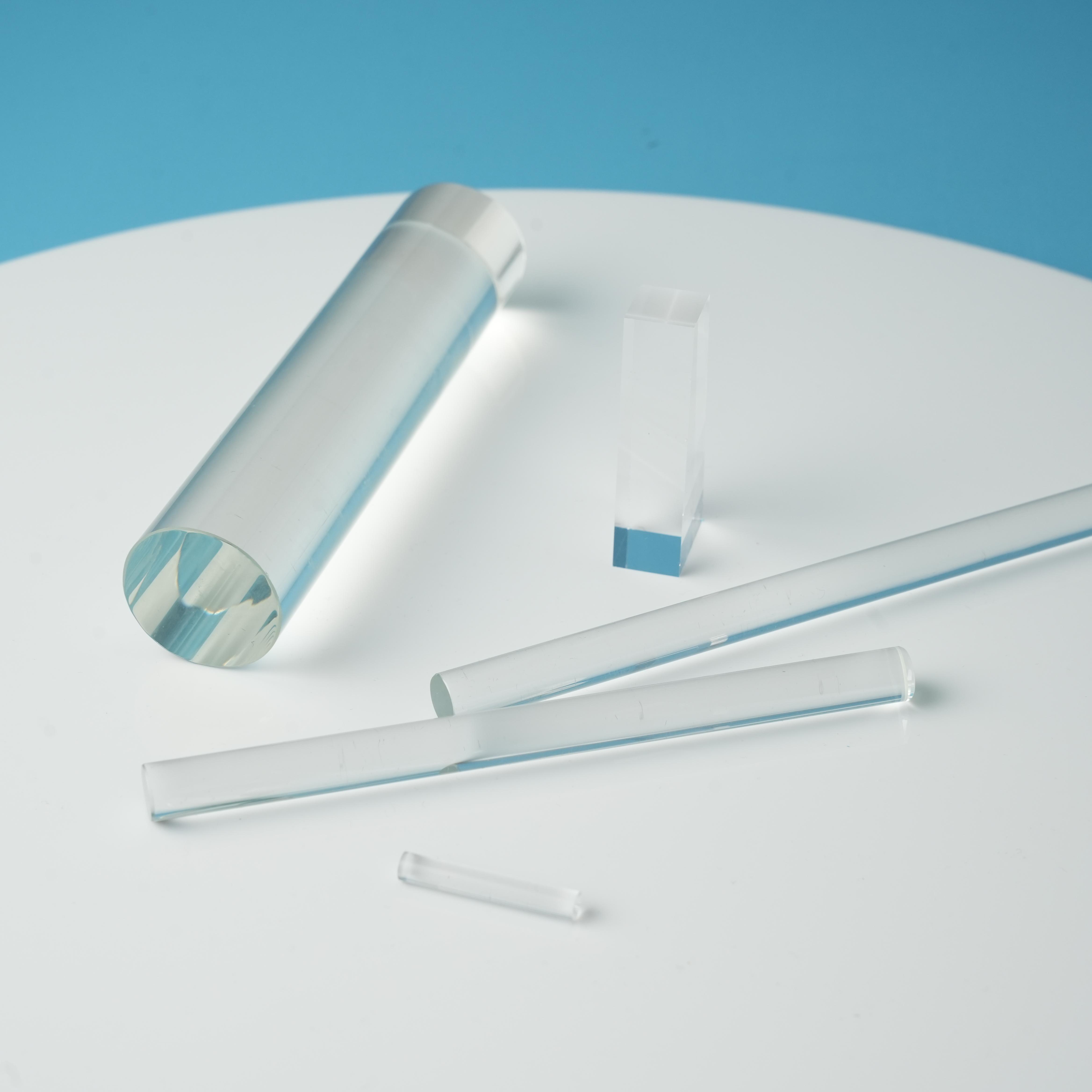
Custom Borosilicate Optical Light Guide Rod
Temperature-resistant light guide rod and rod lens for laboratory, lighting and custom optical path designs.
View product details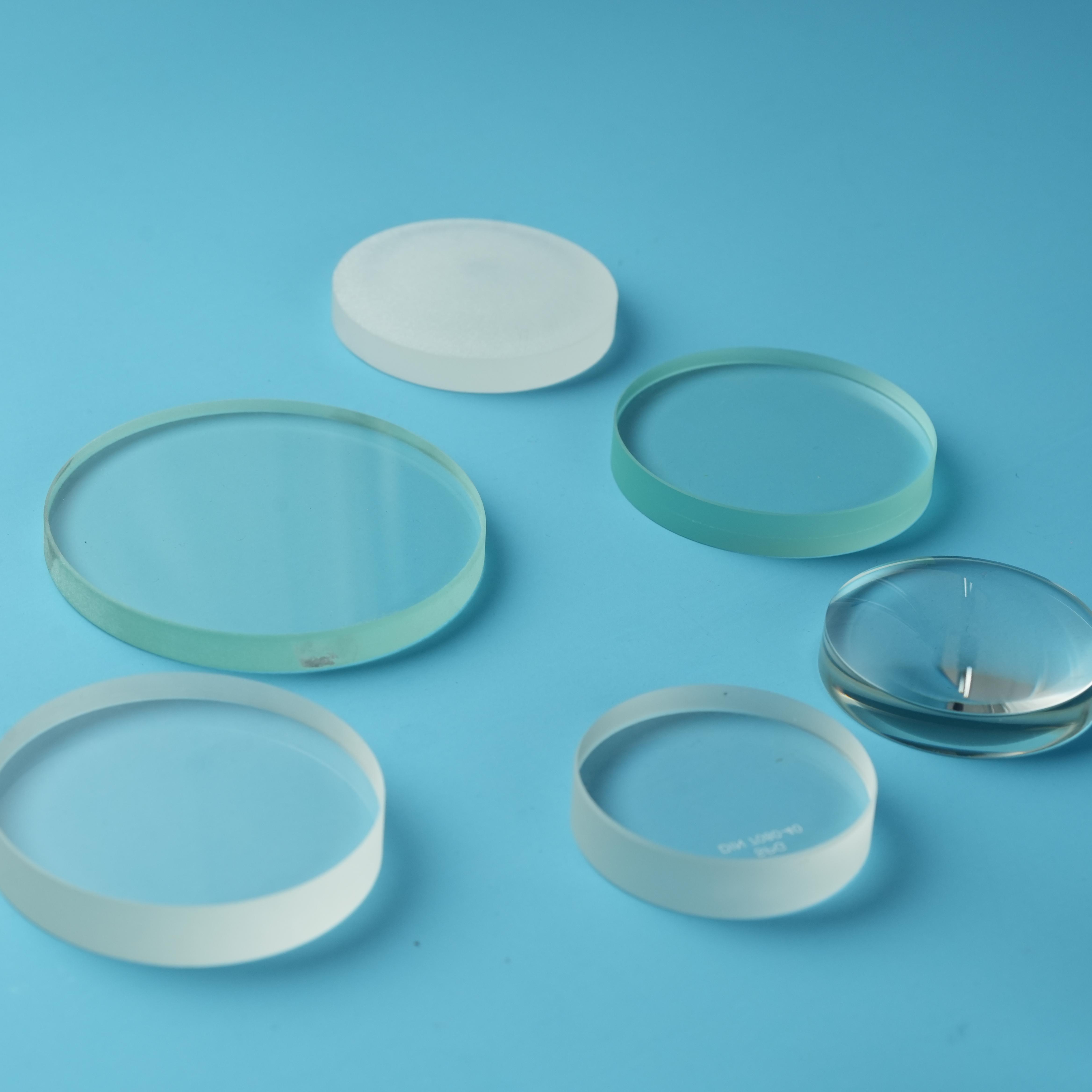
AR-Coated K9 / BK7 / B270 Square Optical Window
Custom square optical window in borosilicate, K9, BK7, B270 or fused silica with optional anti-reflective coating.
View product details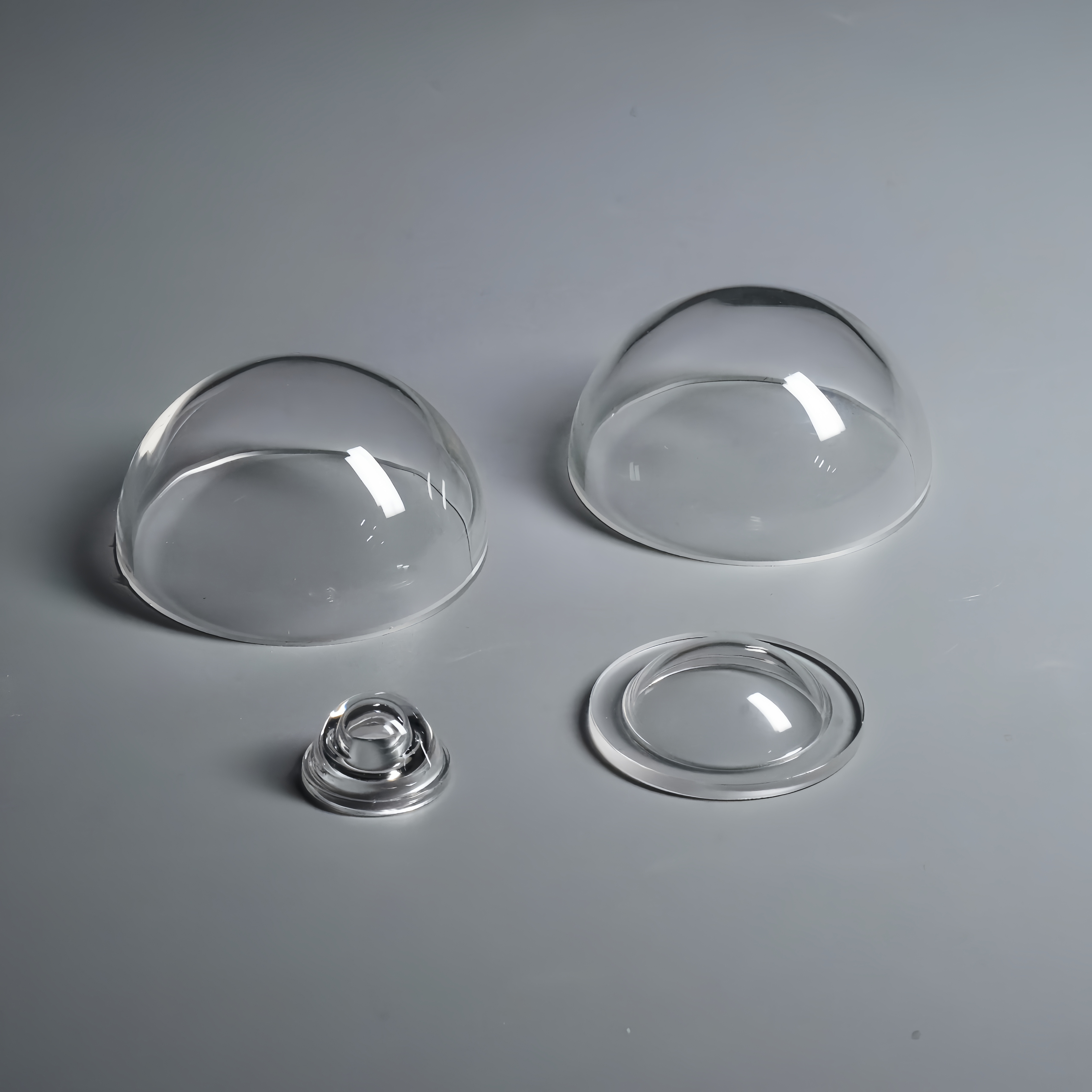
Molded K9 Optical Dome Lens for Lighting OEM
Clear K9 dome lens with anti-reflective coating for lighting, headlight and customized optical enclosure projects.
View product details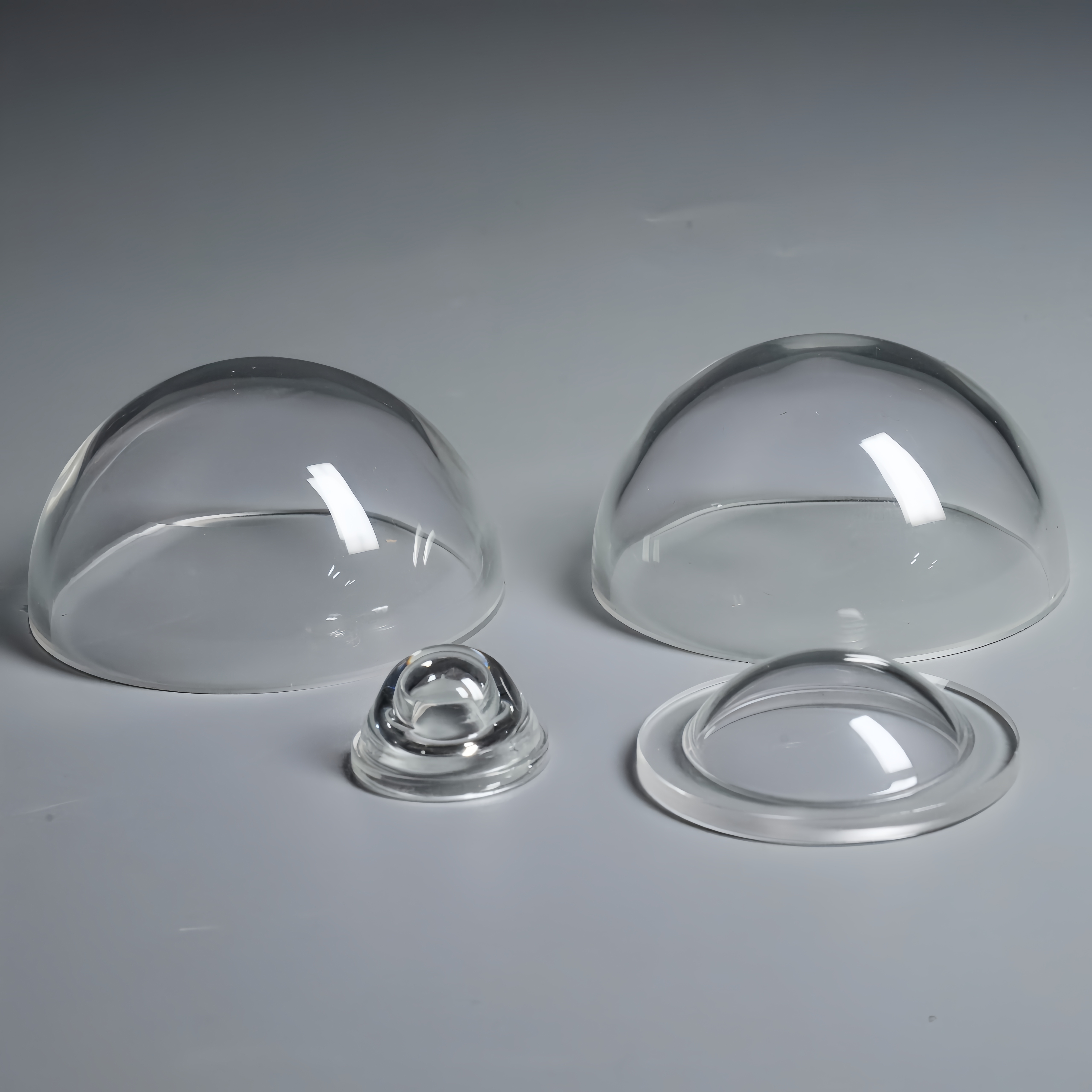
High-Pressure Borosilicate Dome for ROV / AUV
Deep-sea rated optical dome for underwater camera housings, submersible lights and pressure-sensitive instruments.
View product details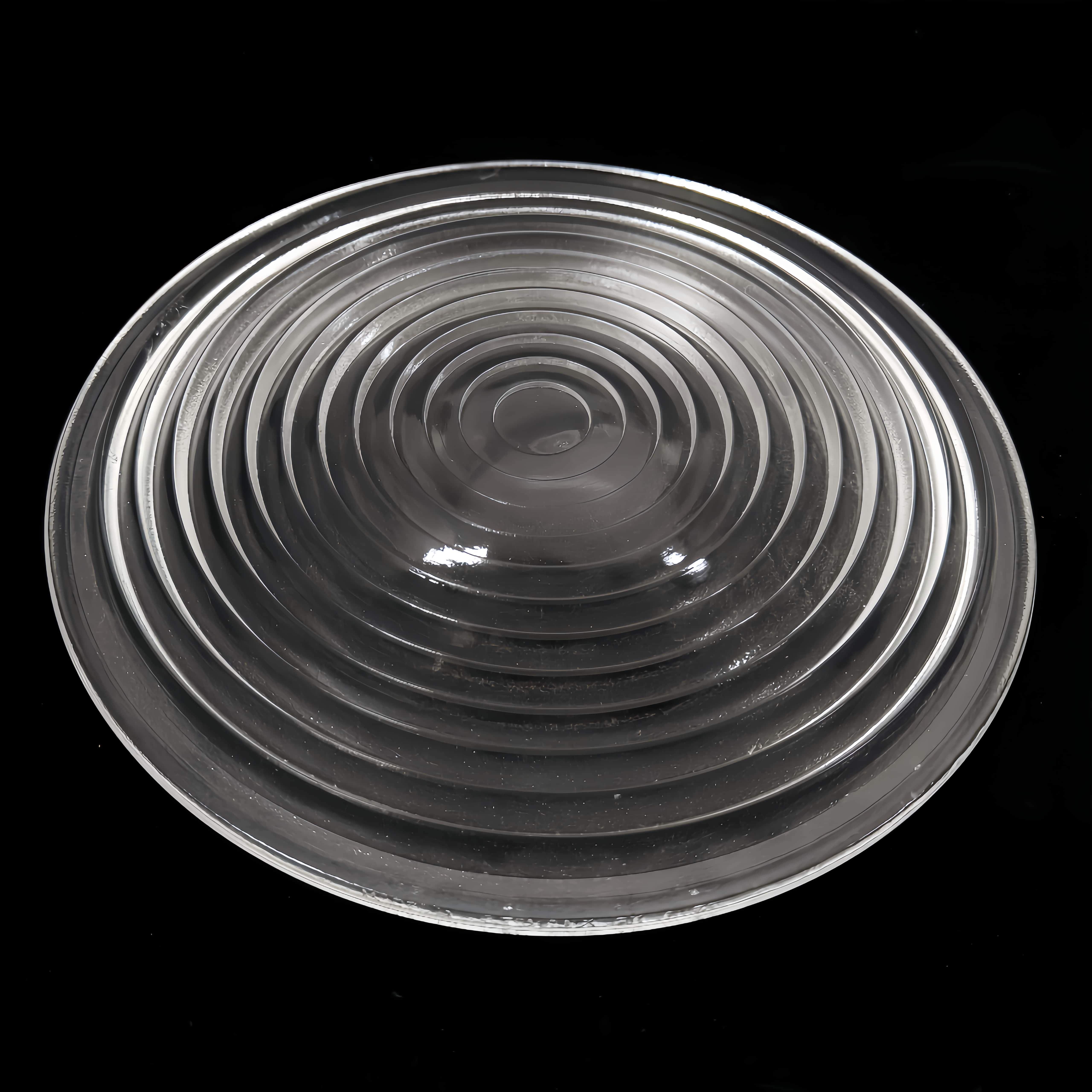
175mm Precision Molded Borosilicate Fresnel Lens
175mm molded Fresnel lens for stage lighting with anti-reflective coating and support for FAA / ICAO fixture standards.
View product detailsSend a drawing, annual volume and operating condition. Our engineers will review the optical path, material and coating route before quoting.
Get a QuoteWhy “Best” in Microlens Array Sourcing Must Be Proven, Not Claimed
Search results for “China best microlens array factory & exporters” are full of confident claims. Procurement teams need something more useful: a repeatable way to separate process capability from marketing language.
For optical buyers, the real question is not whether a supplier says it can make a microlens array. The real question is whether the supplier can translate a drawing into a stable process route, confirm critical tolerances before tooling, and provide traceable inspection data after production. A factory may be strong in glass pressing but weaker in coating. An exporter may communicate well but not control annealing. A low piece price may become expensive when yield, rework and field returns are included. That is why this guide treats the phrase China best microlens array factory & exporters as a due-diligence brief rather than a slogan.
The product set above and the evaluation framework below reflect the capabilities of Shanghai Tambi Glass Industrial Co., Ltd., a manufacturer and trading company focused on custom borosilicate glass, optical glass domes, lenses, windows and lighting glass. The same framework can be used to compare any Chinese optical glass supplier. The most useful information gain comes from connecting material data, optical specification, forming method, coating, thermal validation and export packaging into one sourcing decision. When a supplier can explain those links clearly, the buyer has evidence. When it cannot, the buyer has risk.
Microlens Array RFQ Checklist: The Eight Variables That Drive Yield and Cost
Before comparing quotations, make every supplier quote against the same technical language. These eight variables are where cost, yield and application risk are usually hidden.
Pitch & Array Footprint
Define lens pitch, active array size, border width and datum edges. Small pitch changes can alter tooling, coating uniformity and inspection time.
Radius, Sag & Fill Factor
State the target radius of curvature, sag tolerance and fill factor. These determine optical efficiency, stray light behavior and mould complexity.
Substrate & CTE Match
Borosilicate, fused silica, BK7 or tempered soda-lime each changes thermal shock tolerance, transmission and coating compatibility.
Surface Quality & Roughness
Specify scratch/dig, surface roughness, edge chips and cosmetic zones. Visual criteria must match the lit aperture, not the whole part.
AR Coating & Wavefront
For imaging, LiDAR or high-power LED use, define wavelength band, reflectance target, coating durability and acceptable wavefront error.
Mounting Datum & Sealing
Optical centration is not enough. The sealing face, gasket groove, flatness and mounting datum must align with the housing design.
Thermal & Environmental Test
Confirm lamp surface temperature, thermal cycling, humidity, salt spray or pressure rating. The test plan should follow the final fixture environment.
Inspection & Export Packing
Agree sampling plan, measurement reports, traceability labels and fragile-glass packaging before mass production, not after the first shipment.
Material Selection for Microlens Arrays and High-Heat Lens Systems
A material that looks ideal on a datasheet can still fail inside a real luminaire or sensor enclosure. The correct choice depends on thermal load, impact, transmission and coating process.
| Material | Typical CTE (×10⁻⁶/K) | Typical working temperature | Key strength | Best-fit applications |
|---|---|---|---|---|
| Borosilicate 3.3 | ≈3.3 | ≈450°C | Excellent thermal-shock resistance | High-power LED covers, Fresnel lenses, explosion-proof shades |
| Tempered soda-lime | ≈9.0 | ≈250°C | High impact strength and lower cost | Outdoor covers, floodlight glass, vandal-resistant lenses |
| Fused quartz | ≈0.55 | ≈1000°C+ | UV transmission and extreme heat tolerance | UV optics, high-temperature windows, scientific instruments |
| Optical BK7 / H-K9L | ≈7.1 | ≈300°C | Homogeneous optical properties | Precision lenses, prisms, domes and coated windows |
Values are typical references for early engineering review. Final material selection must be confirmed against the drawing, lamp surface temperature, sealing method, impact requirement and the standard the finished fixture is designed to meet.



Drawing-Based Optical Glass Support From a Verified Shanghai Supplier
Shanghai Tambi Glass Industrial Co., Ltd. supplies custom glass components to lighting and optical OEMs worldwide. For more than a decade, the company has focused on a practical question: how should glass perform inside a real luminaire or optical assembly? That experience includes heat build-up behind high-power LEDs, thermal shock from rain on hot covers, impact loads in hazardous areas and color accuracy for signal lights.
The design team reviews drawings for wall thickness, draft, sealing faces and optical path alignment before tooling starts. Production combines pressed, blown, ground and coated processes under one supply chain. As a manufacturer and trading company, Tambi can coordinate material sourcing, forming, coating and export packing while keeping engineering communication direct.
- Drawing-based OEM / ODM
- Borosilicate, tempered, quartz and BK7
- AR and optical coating coordination
- Onsite-verified supplier profile
- Pressed, blown, ground and coated routes
- Export packing for fragile glass
Factory or Exporter? How to Audit a Chinese Microlens Array Supplier
A capable exporter can add real value in communication, consolidation and logistics. The buyer still needs to know who controls the critical processes and who signs the inspection report.
Map Every Process Owner
Ask which steps are in-house and which are subcontracted: mould making, pressing, annealing, grinding, polishing, coating, metrology and packing. A transparent process map is more valuable than a broad “one-stop” claim.
Review Metrology Before Samples
Confirm the measurement equipment for radius, sag, pitch, flatness, roughness, transmission and coating reflectance. If a supplier cannot define inspection methods, sample approval becomes subjective.
Check Traceability and Reports
Request material certificates, dimensional reports, visual inspection records and coating data. Traceable batch labels and change-control notes reduce risk when production scales from samples to repeat orders.
From Drawing to Export: A Six-Step Qualification Path
Clear checkpoints reduce surprises between sample approval and mass production. Each step should produce a written decision or a measured record.
Drawing Review
DFM check of thickness, draft, tolerance, sealing face and optical datum.
Material & Mould
Select substrate and confirm new or existing mould route.
Sampling
Measure samples and send for fit, light and environmental testing.
Forming & Annealing
Control pressing, blowing, annealing or tempering to relieve stress.
Coating & QC
Apply AR or color coating, then inspect dimensions and appearance.
Export Packing
Divider-packed cartons, palletization and labeling for sea or air freight.
Procurement Trends Reshaping Microlens Array Buying
Buyers are moving away from catalogue purchasing toward evidence-based sourcing. The strongest suppliers will be those that can support engineering decisions, not only ship parts.
Evidence-Based RFQs
Procurement teams increasingly ask for measured radius, sag, roughness, transmission and coating data with the quotation. Suppliers who can present metrology linked to the drawing will shorten qualification cycles and reduce sample iterations.
Dual Sourcing and Landed Cost
Total landed cost now includes tooling amortization, yield, replacement risk and freight. Many buyers keep one qualified supplier for volume and another for sampling or coating specialization, rather than relying on a single low-cost quotation.
Early Supplier Involvement
Optical designers and glass factories are engaging earlier to align mould design, coating choice and housing interfaces. This co-design approach reduces costly changes after tooling and improves first-pass yield in high-power LED and sensor programs.
Microlens Array and Precision Glass Development Trends
Application pressure is moving precision optics toward smaller features, harsher environments and tighter spectral control. Each trend changes what buyers should test before approving a supplier.
Miniaturization and Moulded Arrays
Smaller pitches and denser arrays increase the value of high-quality moulds, precise annealing and reliable inspection. Buyers should ask how the supplier validates pitch uniformity and edge quality across the full array, not only at the centre.
Harsh-Environment Integration
Automotive LiDAR, underwater cabins, aviation signal lights and stage fixtures all impose different stress. Development work is shifting toward pressure-rated domes, UV-stable materials and coatings that survive thermal cycling and cleaning.
Coating and Spectral Control
AR coatings, bandpass filters and color-stable glass are becoming part of the optical specification rather than an afterthought. Suppliers need coating partners or in-house capability that can reproduce the same spectral target across production lots.
Where Microlens Arrays and Custom Glass Optics Create Value
The same optical component can behave very differently across applications. Supply qualification should always start from the operating environment.
Aviation & Marine Signals
Obstruction, runway and navigation lights need stable color, predictable transmission and resistance to weather and thermal shock.
Automotive & LiDAR
Projection lenses, optical domes and coated windows must balance impact strength, transmission and reliable sealing in sensor modules.
Stage & Entertainment
Fresnel lenses and effect optics must survive high-power LED heat while maintaining beam quality, coating durability and visual consistency.
Scientific & Subsea Instruments
Pressure-rated domes, windows and light guides support ROV/AUV cameras, laboratory equipment and inspection systems in demanding environments.
Microlens Array Sourcing FAQ for Procurement and Engineering Teams
These are the practical questions that determine whether a supplier can move from sample to stable volume production.
Can you manufacture custom microlens arrays and glass optics to my drawing?
Yes, most projects are drawing-based. Send a 2D/3D drawing or physical sample with dimensions, tolerance, material, transmission target, coating band, surface quality and annual volume. The factory should review manufacturability before confirming the mould route and quotation.
What is the typical minimum order quantity for optical glass parts?
MOQs often range from about 50 pieces for optical lenses to 100–500 pieces for pressed or blown lighting covers, depending on whether an existing mould can be used. Sample quantities are normally available for evaluation, but tooling and setup costs may apply.
Which material should I choose for high heat or thermal shock?
Borosilicate 3.3 offers a low coefficient of thermal expansion and is often preferred for high-power LED covers, Fresnel lenses and explosion-proof shades. Fused quartz is used where UV transmission or extreme temperature resistance is required. Tempered soda-lime can be cost-effective for moderate temperatures and higher impact resistance.
How should tolerances be specified for a microlens array?
Separate optical tolerance from mechanical tolerance. Define pitch, radius, sag, fill factor, surface roughness, clear aperture, mounting datum, flatness and coating performance independently. A single blanket tolerance usually causes either unnecessary cost or insufficient quality control.
Do you support fixtures designed to FAA, ICAO or EN signal-light requirements?
Glass lenses and domes can be produced for fixture makers whose products are designed around FAA L-810, ICAO or EN 50293 requirements. Final luminaire certification remains with the fixture manufacturer, while the glass supplier should match color, transmission and dimensional specifications and provide inspection reports on request.
How are fragile optical glass parts packed for export?
Parts are separated with foam, pulp or custom dividers, packed in reinforced export cartons and palletized for sea or air freight. Distributor labeling, custom packaging and batch traceability can be arranged when defined during the quotation stage.
For a faster technical review, include your drawing, target annual volume, operating temperature and any coating or transmission requirement.
Get a QuoteHave a Microlens Array Drawing? Let the Factory Review It Before Tooling.
Share dimensions, material, operating temperature and annual volume. A clear drawing review now can prevent expensive mould changes, coating rework and shipment delays later.