China Best Glass Panel Manufacturers & Exporter for Precision OEM Buyers
Source drawing-based glass panels, optical domes, LED lenses, explosion-proof covers and Fresnel optics from a verified Shanghai manufacturer with 10+ years of lighting-glass experience.
8 Precision Glass Panels & Optical Components for 2025–2026 Sourcing
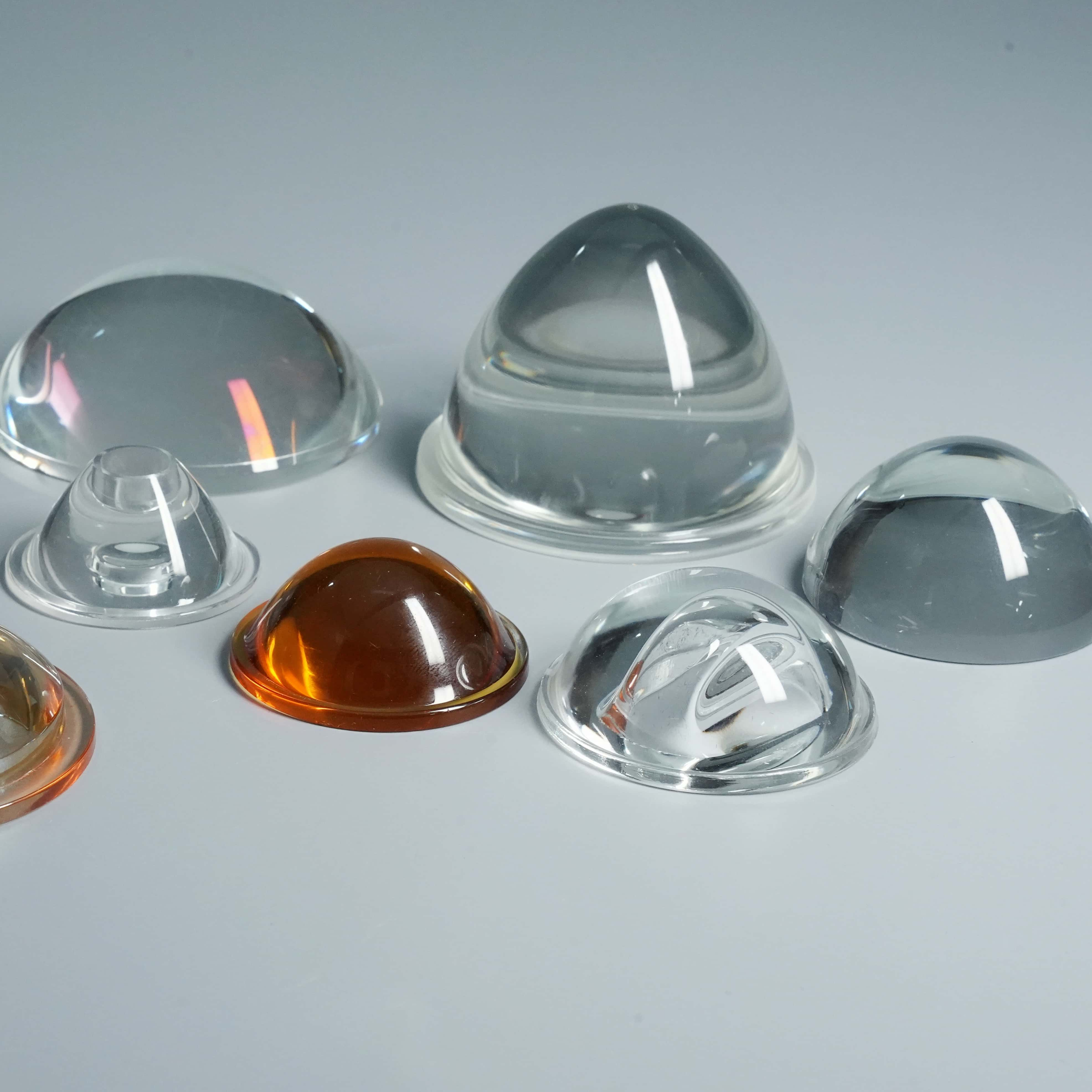
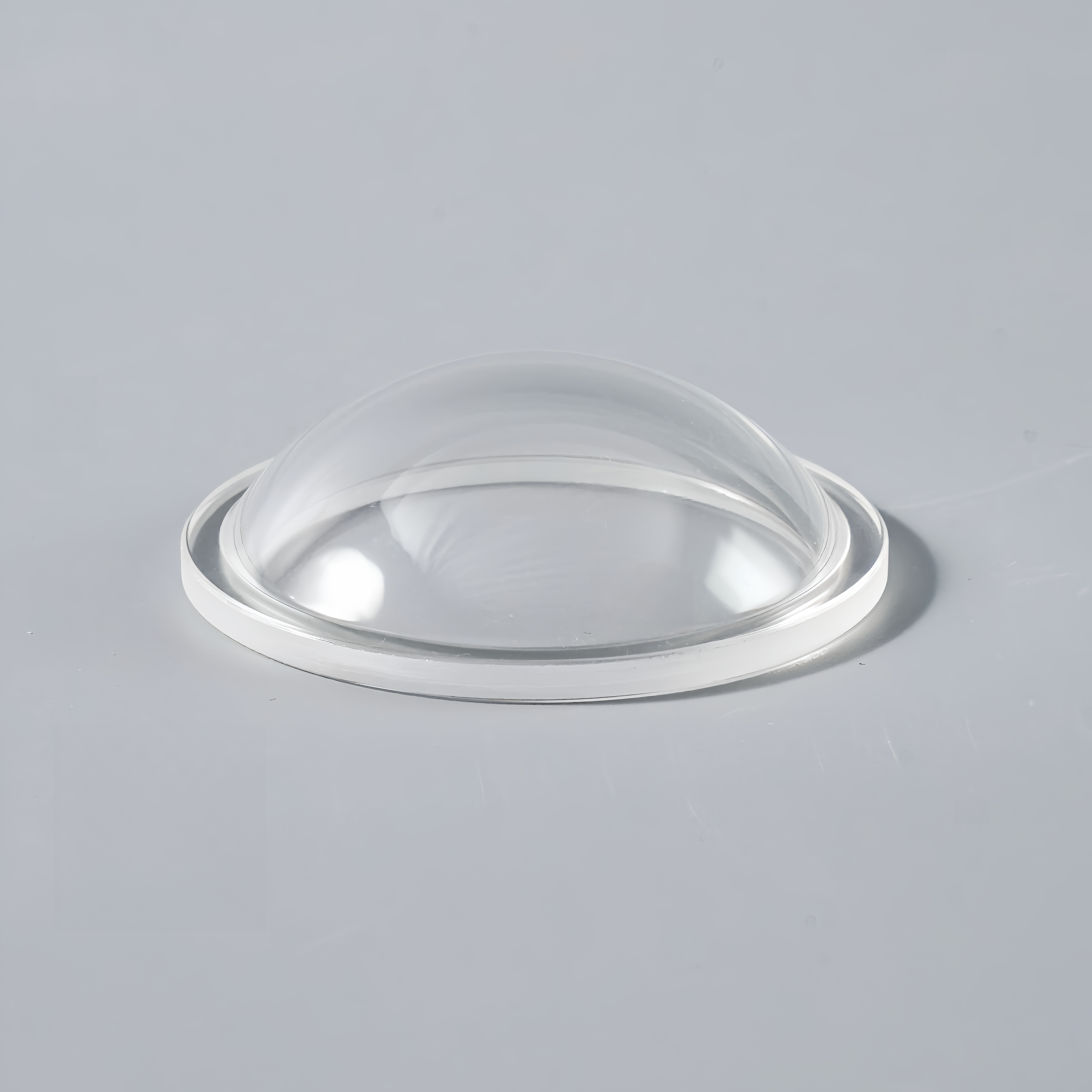
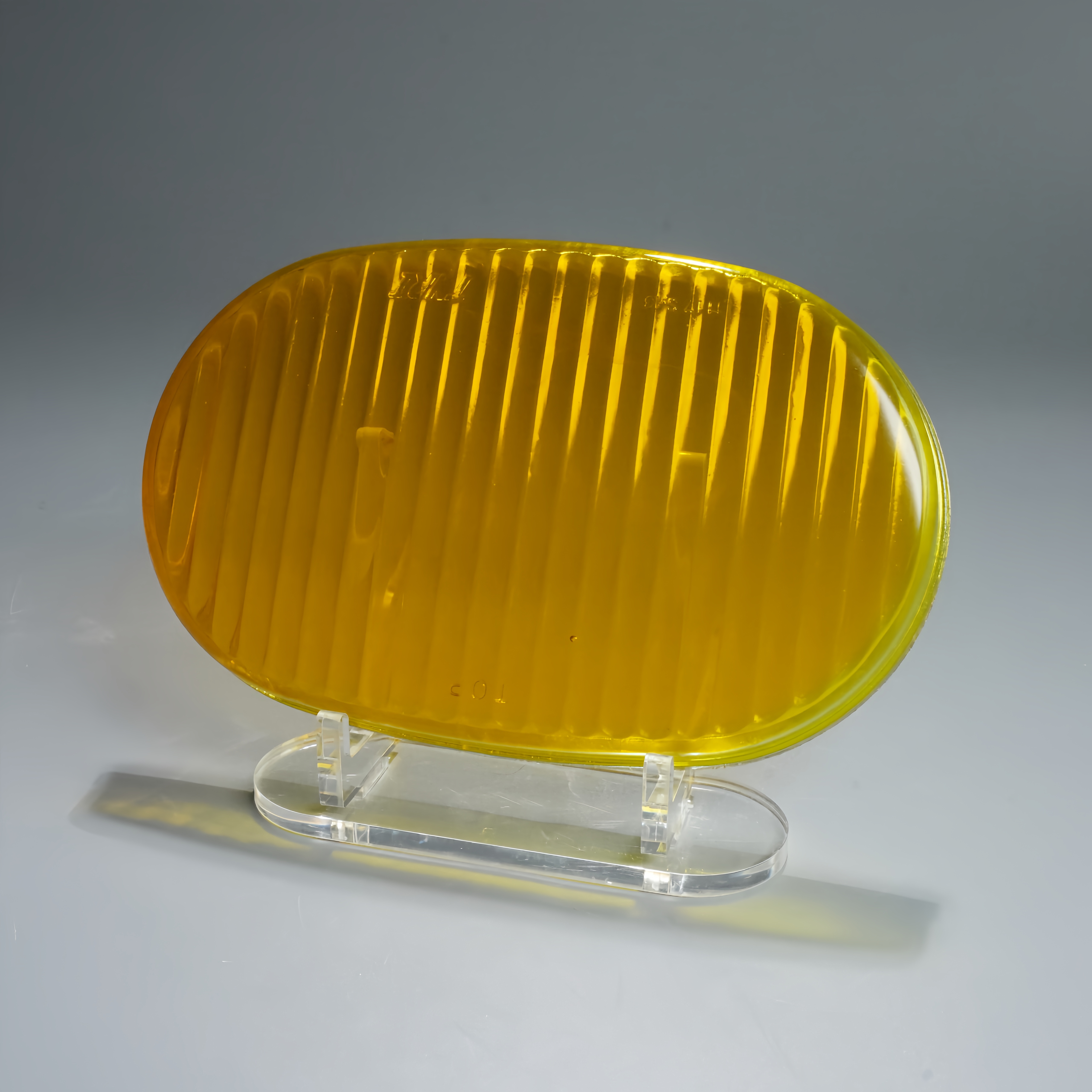
These products are recommended for lighting, aviation, marine, hazardous-area, horticulture and optical-sensing OEMs. Each item can be adapted in size, thickness, color, coating, edge finish and packaging.





Why China Remains a Reference Market for Glass Panel Manufacturing
For global lighting and optical OEMs, China is no longer only a price market. It is a dense ecosystem of glass melting, pressing, blowing, grinding, coating, annealing, inspection and export packing.
Buyers searching for China best glass panel manufacturers and exporters are usually not looking for a catalog item. They need a supplier who can interpret a drawing, challenge a tolerance, select a material, build or adapt tooling, control color and transmission, and deliver fragile glass safely to a production line. That is a different capability from simply listing glass panels online.
The strongest Chinese suppliers combine three assets: application experience, material breadth and process control. A lighting-glass factory must understand heat build-up behind high-power LEDs, thermal shock from rain on a hot cover, impact loads in hazardous areas, gasket compression on sealing faces and color accuracy for aviation or marine signal lights. An optical supplier must also control transmission, coating adhesion, surface form and dimensional alignment. Very few suppliers can do both at a mature level.
Tambi Glass is positioned between these worlds. As a Shanghai manufacturer and trading company focused on custom borosilicate and optical glass, we review each RFQ against the real luminaire or instrument environment. The goal is not to quote the lowest piece price; it is to reduce field failures, returns, line stoppages and repeated redesign costs. That is what “best” should mean in a procurement decision.
Buyer Decision Snapshot
Material Selection: The First Decision That Determines Field Reliability
A glass cover, lens or panel should be specified from operating conditions, not from habit. Material choice affects thermal shock, impact strength, optical transmission, coating performance and total cost of ownership.
| Material | Thermal expansion | Typical max. working temperature | Key strength | Best-fit applications |
|---|---|---|---|---|
| Borosilicate 3.3 | ≈ 3.3 × 10⁻⁶/K | ≈ 450 °C | Excellent thermal-shock resistance | Explosion-proof covers, high-power LED glass panels, Fresnel lenses |
| Tempered soda-lime | ≈ 9.0 × 10⁻⁶/K | ≈ 250 °C | High impact strength and lower cost | Outdoor covers, floodlight glass, vandal-resistant lenses |
| Fused quartz | ≈ 0.55 × 10⁻⁶/K | ≈ 1000 °C+ | UV transmission and extreme heat capability | UV optics, high-temperature windows, specialty panels |
| Optical BK7 / H-K9L | ≈ 7.1 × 10⁻⁶/K | ≈ 300 °C | Homogeneous optical properties, nd ≈ 1.517 | Precision lenses, prisms, mirrors and filters |
Values are typical engineering references. Final specification must be confirmed against your drawing, lamp surface temperature, impact rating, gasket design, coating requirement and the standard your finished fixture must meet.
Glass Panel Procurement Trends Reshaping 2025–2030
Purchasing teams are moving from “price per piece” to “qualified cost per year.” The best exporter is the one that reduces technical and supply risk before the first production order.
Total Cost of Ownership
Buyers now calculate breakage, assembly loss, warranty returns and field-service cost. A slightly higher piece price can be cheaper when thermal shock and coating failures are eliminated.
Supply Resilience
Procurement teams qualify approved samples, tooling records and alternative materials before disruption. Drawing files, gold samples and inspection criteria are becoming part of supplier risk management.
Traceability & Documents
More buyers request material certificates, dimensional reports, coating data and batch identification. Audit-ready documentation shortens supplier qualification and protects the luminaire brand.
Co-Development
OEMs are involving glass engineers earlier. A drawing review before tooling can remove undercuts, weak sealing faces, coating mismatch and unnecessary secondary operations.
What Buyers Should Design Into the Next Glass Panel RFQ
The next generation of lighting, sensing and signal equipment will place higher demands on glass. Specifications written only around size and material will be insufficient.
Higher Thermal Loads
High-power LED modules and compact luminaires push surface temperatures upward. Borosilicate glass, controlled annealing and correct gasket compression are becoming baseline requirements.
LiDAR & Sensing Optics
Hemispherical domes, optical windows and bandpass filters are increasingly specified for sensing systems. Broadband AR coatings and pressure-rated forms create new qualification steps.
Optical Efficiency
AR-coated lenses, Fresnel optics and low-loss domes are being used to reduce energy consumption. Buyers should specify wavelength range, transmission target and coating durability.
Sustainability & Lightweighting
Recyclable glass, lower scrap rates, optimized wall thickness and energy-efficient coating processes are becoming purchasing KPIs, especially for European and North American OEMs.
Why Tambi Glass Is Shortlisted by Global Lighting & Optical OEMs
Shanghai Tambi Glass Industrial Co., Ltd. is a manufacturer and trading company with 10+ years of experience in custom lighting and optical glass. The company combines drawing-based engineering, material selection, coating, inspection and export packing under one accountable supply chain.
Drawing-Based OEM / ODM
Send a 2D/3D drawing or physical sample. Our engineers review wall thickness, draft, sealing faces, tolerance stack-up and optical alignment before tooling starts.
Material Breadth
Borosilicate 3.3, tempered soda-lime, fused quartz, BK7 and K9 options allow buyers to match cost to thermal load, impact risk and optical requirements.
Optical Coating & Finishing
AR coating, bandpass filtering, color glass, cutting, grinding, drilling, flame polishing and edge finishing are coordinated to the optical and mechanical drawing.
Process Control
Controlled annealing or tempering, dimensional inspection, visual inspection and functional sample approval reduce thermal-stress cracks and assembly rejects.
Verified Supplier Transparency
Our onsite-verified supplier profile, supplier assessment, credit index, transaction level, trade capacity, trade history and buyer feedback are available for procurement review.
Export-Ready Service
The company operates as a manufacturer and trading company with an annual export revenue in the US$2.5M–5M range, serving distributors and OEMs that need stable packaging and communication.
From Drawing Review to Export Packing: A Controlled Six-Step OEM Process
Clear checkpoints reduce surprises between sample approval and mass production. Each step should generate evidence that procurement can retain.
Drawing Review
DFM check of thickness, draft, tolerance, sealing face, optical path and gasket compression.
Mold & Tooling
New or existing molds for pressing, blowing or grinding, with tooling records for future reorders.
Sampling
Samples measured and sent for fit, light, transmission, color and assembly tests.
Forming & Annealing
Controlled forming, annealing or tempering to relieve stress and improve thermal reliability.
Coating & Inspection
AR or color coating, dimensional inspection, visual inspection and, when required, optical reports.
Export Packing
Foam or pulp dividers, reinforced cartons and palletization for sea or air freight. Custom labeling available.
How to Compare Glass Panel Suppliers Without Relying on Price Alone
Use this checklist to separate true glass manufacturers and exporters from trading intermediaries that cannot control the process. It is also a practical RFQ preparation tool.
| Risk Area | What to Specify | Evidence to Request | Why It Matters |
|---|---|---|---|
| Thermal shock | Maximum lamp surface temperature, cooling-water contact, gasket pressure, expected ambient range | Material certificate, annealing records, thermal-shock test report where applicable | Prevents cracked covers and warranty claims in outdoor, stage and hazardous-area lighting |
| Optical loss | Transmission target, wavelength range, AR coating band, color coordinates | Spectrophotometer data, coating adhesion report, master sample | Protects energy efficiency and color accuracy in signal, LiDAR and horticulture systems |
| Dimensional fit | Critical dimensions, flatness, perpendicularity, edge finish, sealing surfaces and draft | First-article inspection report, CMM data, tooling drawing | Reduces assembly force, leaks and rejects on automated production lines |
| Coating durability | Humidity, salt spray, abrasion and cleaning-chemical exposure | Coating durability data, batch traceability, inspection criteria | Maintains transmission and appearance after installation and maintenance |
| Export breakage | Divider type, inner packing, carton strength, pallet pattern, label and barcode | Packaging specification, drop-test evidence, photo confirmation before shipment | Fragile glass can pass factory inspection yet fail in transit without engineering-grade packing |
For regulated aviation or marine fixtures, the finished luminaire certification is normally held by the fixture manufacturer. Tambi Glass supports the glass specification, material records and dimensional/optical inspection data needed for the luminaire maker’s qualification process.
Common Questions Procurement Teams Ask Glass Panel Manufacturers
These answers are written for technical buyers comparing China glass panel suppliers for lighting, signal, instrument and optical applications.
Can you manufacture glass covers, lenses and panels to our drawing?
What is the typical minimum order quantity?
Should we choose borosilicate glass or tempered soda-lime glass?
Do you supply glass for FAA L-810 and EN 50293 lighting fixtures?
How fast do you reply to technical inquiries?
How are fragile glass parts packed for export?
How do you control color and transmission consistency?
What information should be in a complete RFQ?
Have a Drawing? Get an Engineering Review Within 6 Hours.
Share dimensions, material, operating temperature, coating requirement and annual volume. Our engineers will recommend the most reliable borosilicate or optical glass solution for your fixture, panel or lens assembly.
info@tambiglass.com