China Best Glass Dome Suppliers & Exporter
Drawing-based borosilicate glass domes, optical windows, explosion-proof covers, signal-light lenses and precision prisms for lighting OEMs, sensor makers and industrial buyers worldwide.
8 Glass Dome, Lens and Optical Glass Products for Real Projects
Buyers searching for a China glass dome exporter usually need more than a catalog item. They need a part that fits a housing, survives the lamp temperature, meets an optical target and passes incoming inspection. These eight products show the practical range of custom borosilicate, K9, tempered and optical glass production.

Manufacturer OEM Transparent High Quality Precision Borosilicate UV Fused Silica Coated Glass Optical Window High Transmittance
An engineering-grade optical window for sensing, instrumentation and high-transmission sight paths where coating adhesion, flatness and UV performance matter.
- Borosilicate / fused silica options
- Coated optical surface
- Drawing-based dimensions
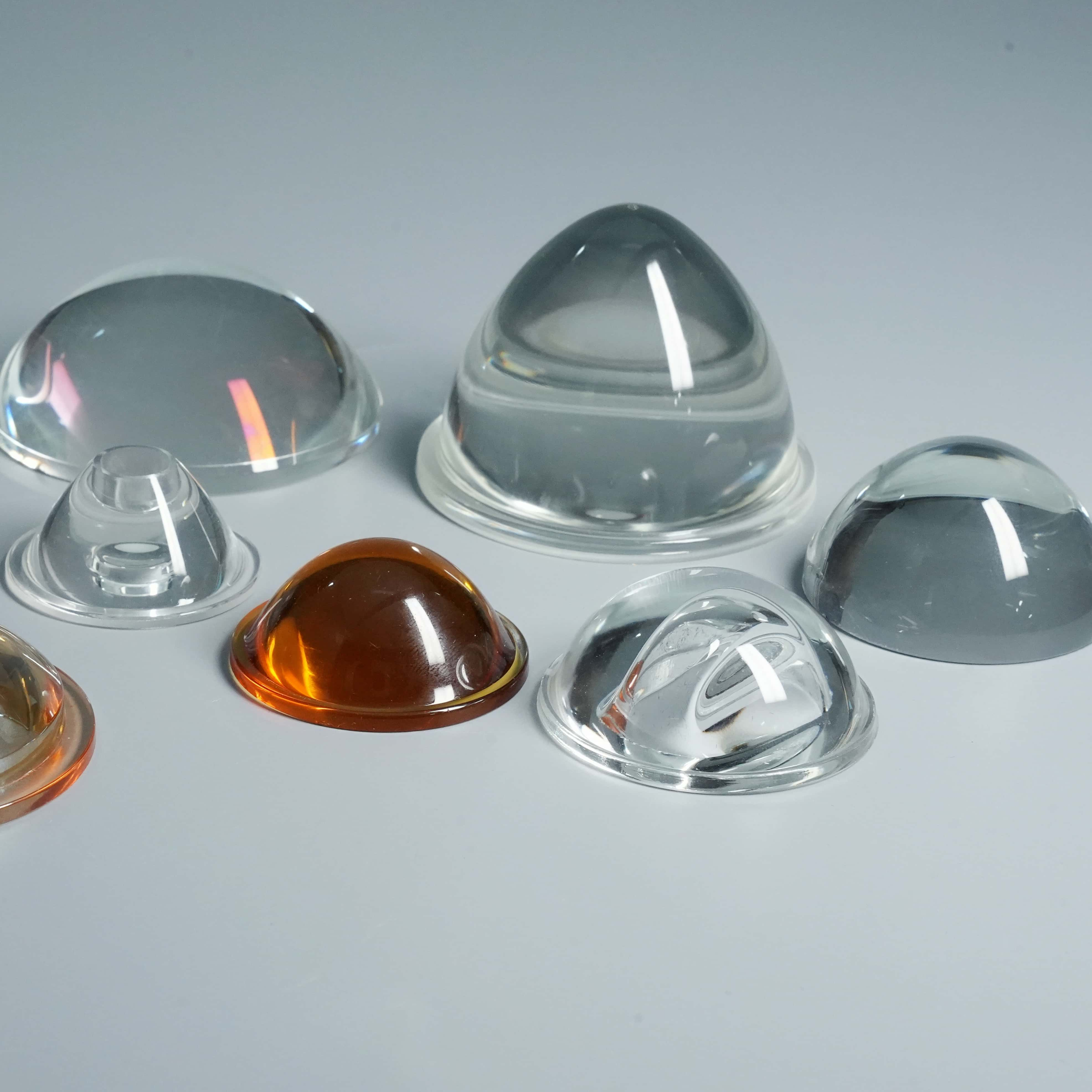
Custom Borosilicate Glass LED Grow Light Convex Lens with Anti-Reflective Coating for Indoor Farming Full Spectrum Lighting
A convex lens designed for full-spectrum LED horticulture fixtures, helping improve transmission and beam control while protecting the emitter.
- AR-coated borosilicate
- Indoor farming fixtures
- Custom curvature and size
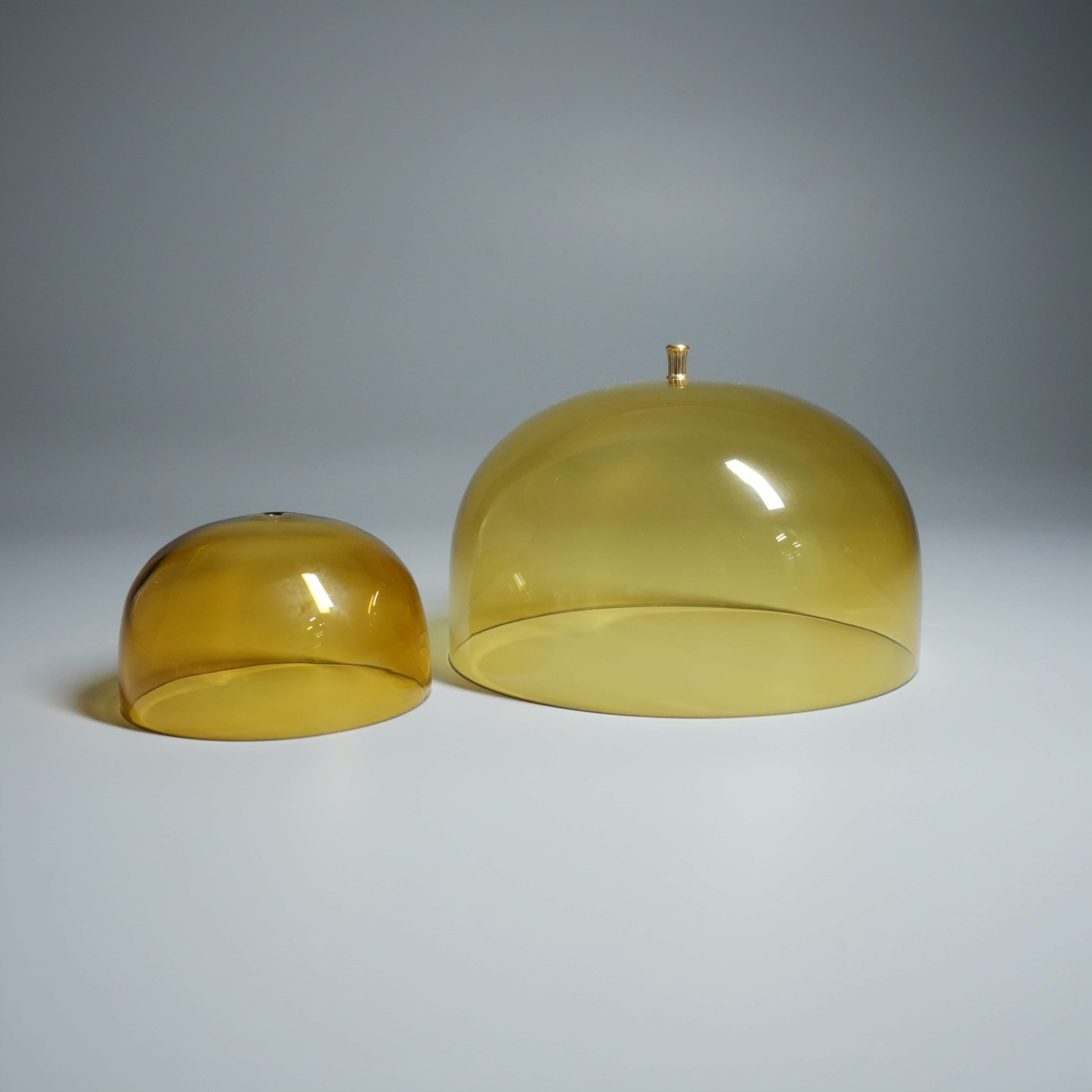
Certified Glass Cover for Food Machinery and Medical Equipment, Chemical Resistant
A cleanable, chemically resistant cover for equipment exposed to wash-down, disinfectants and frequent handling in food or medical environments.
- Chemical resistance
- Stable sealing face
- Custom cover geometry
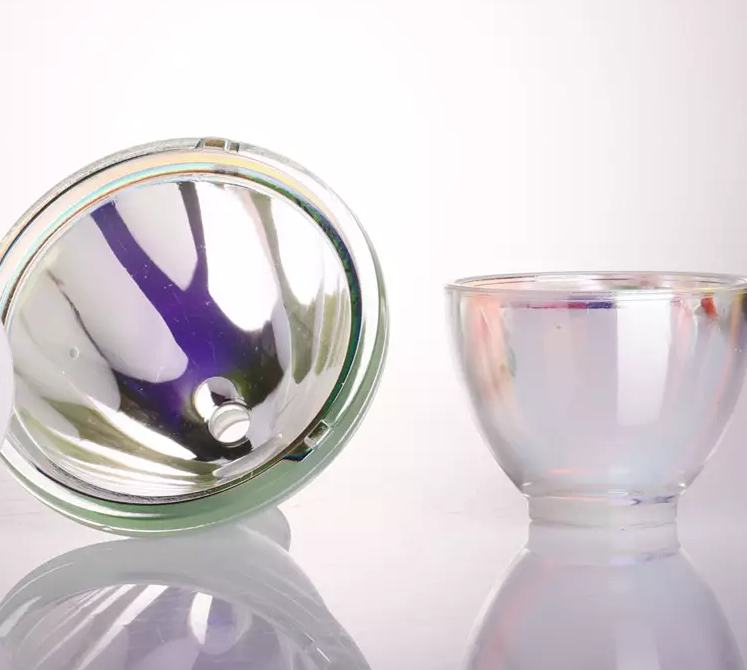
COB Glass LED Reflector Bowl Manufacturer Deep Design Perfect Beam Spotlights Projector Lights 20 60 90 Beam Angle
A deep glass reflector bowl for COB spotlights and projector lights, available around 20°, 60° and 90° beam-angle requirements.
- 20 / 60 / 90 beam options
- Spotlight & projector use
- Tooling-based repeatability
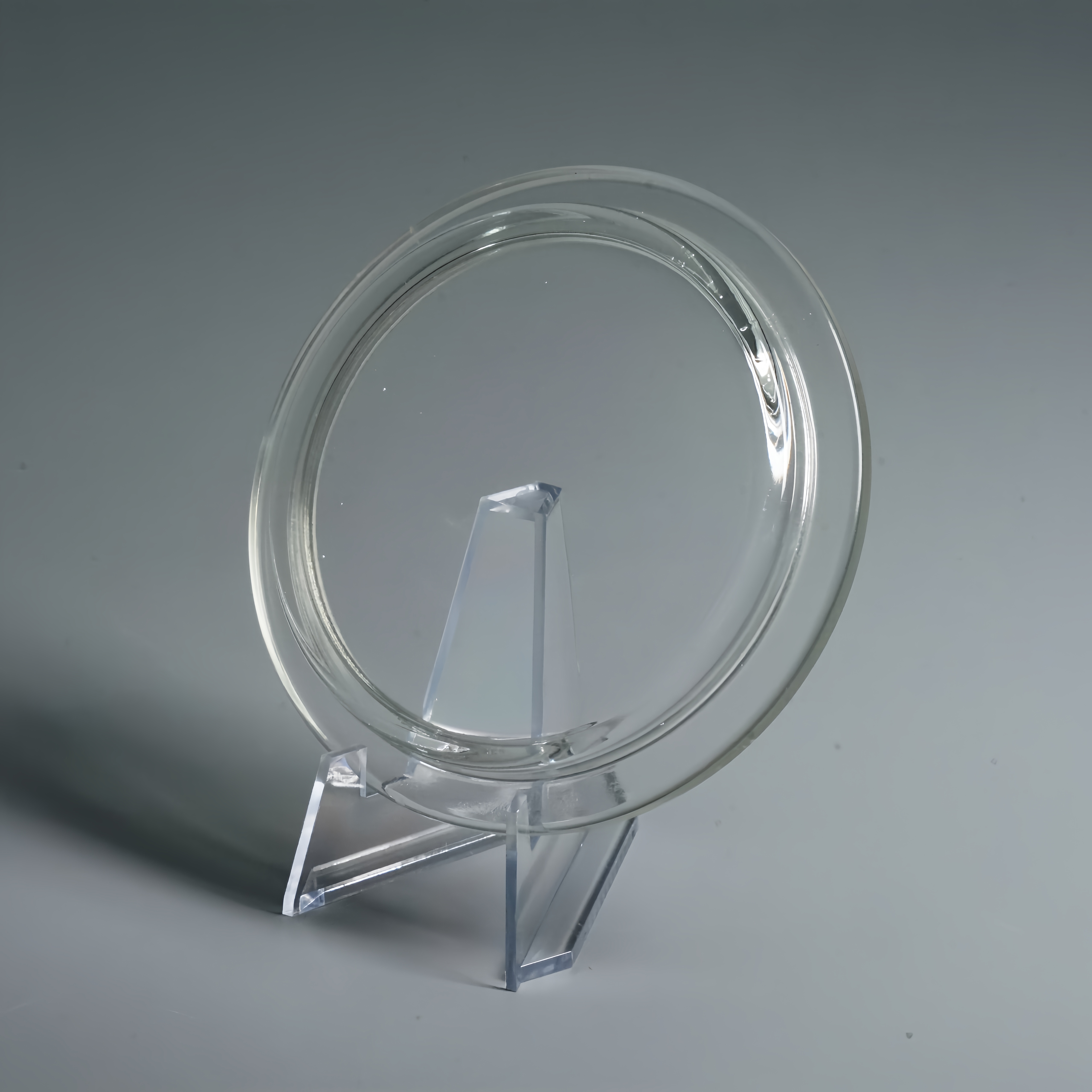
Custom Size Coastal Victorian Outdoor Stage Glass Lampshade Factory Waterproof High Temperature Impact Resistant Silk-Printable
A decorative but technical outdoor lampshade for coastal, Victorian, stage and architectural fixtures that must resist water, heat and impact.
- Waterproof outdoor design
- High-temperature resistance
- Silk-printable surface
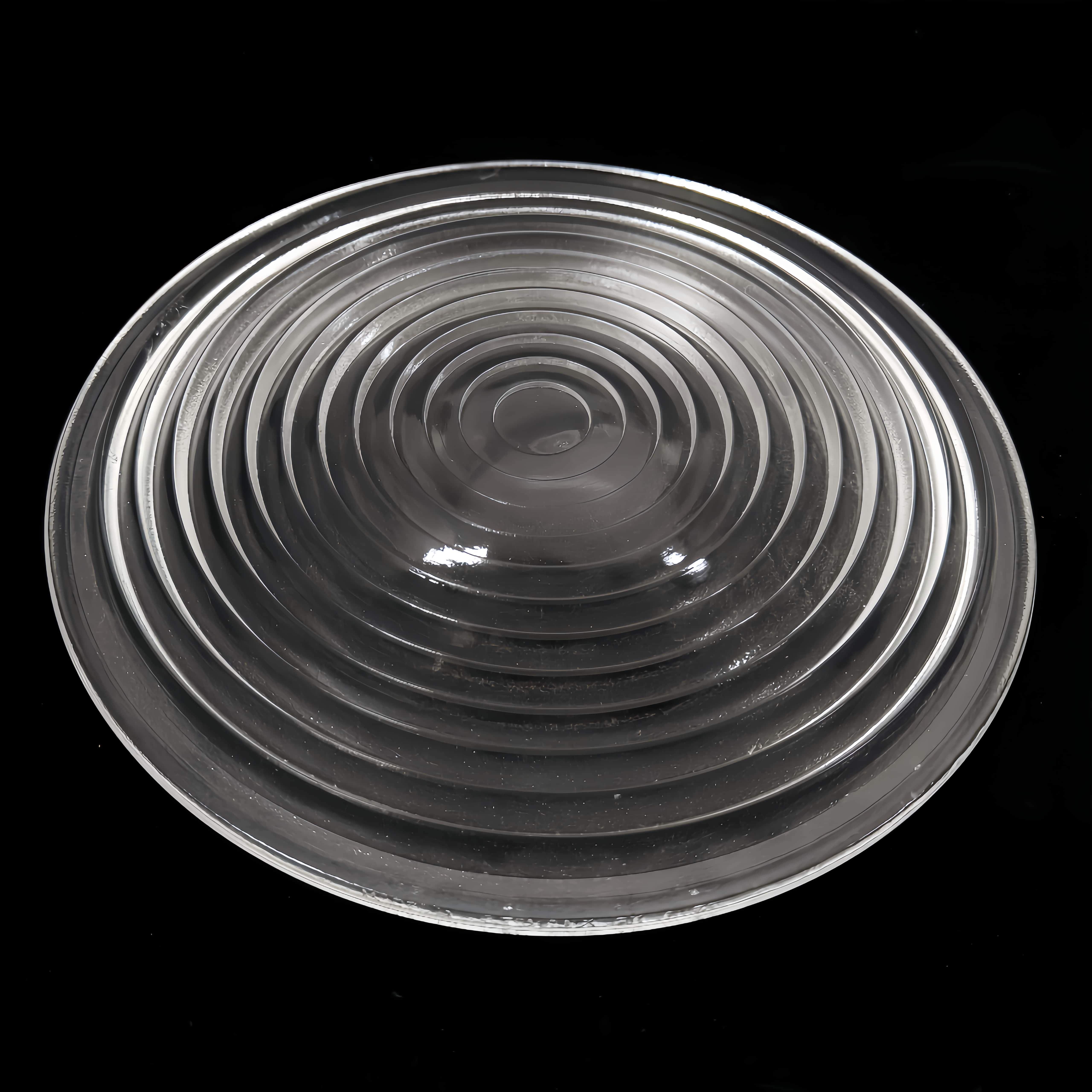
Precision Molded Borosilicate Glass Fresnel Lens Stage Lighting Anti-Reflective Coating FAA/ICAO Standards 175mm BO GLASS OEM
A 175 mm molded borosilicate Fresnel lens for high-power stage and signal lighting, with AR coating and controlled optical performance.
- 175 mm molded Fresnel
- AR-coated borosilicate
- High-temperature use
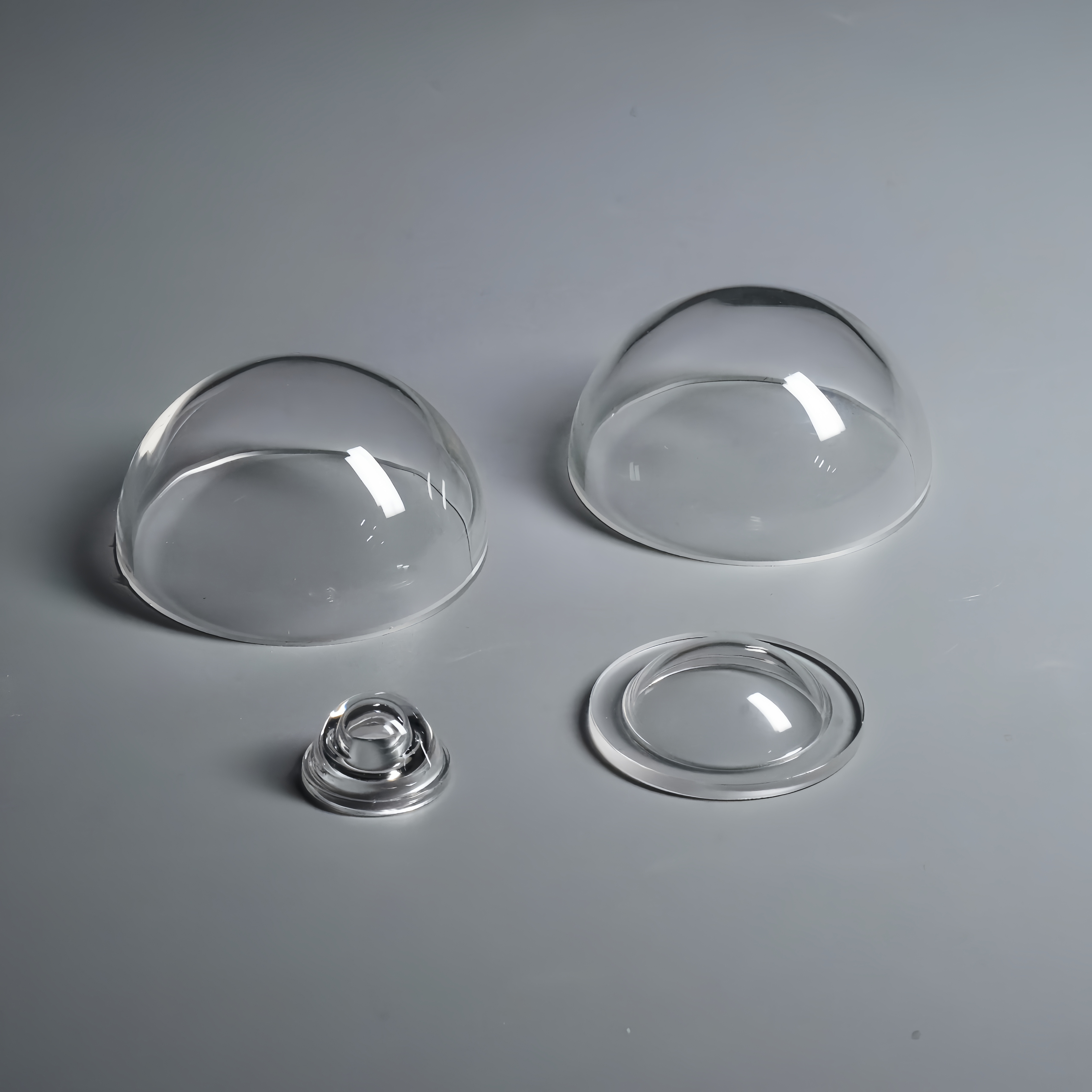
Mold Pressed Clear High Quality K9 Optical Dome Lens with Anti-Reflective Coating for Lighting OEM Customized Headlight Glass
A clear K9 optical dome and headlight lens with AR coating for OEM lighting programs that require clarity, shape control and cosmetic consistency.
- K9 optical glass
- AR-coated dome surface
- OEM headlight glass
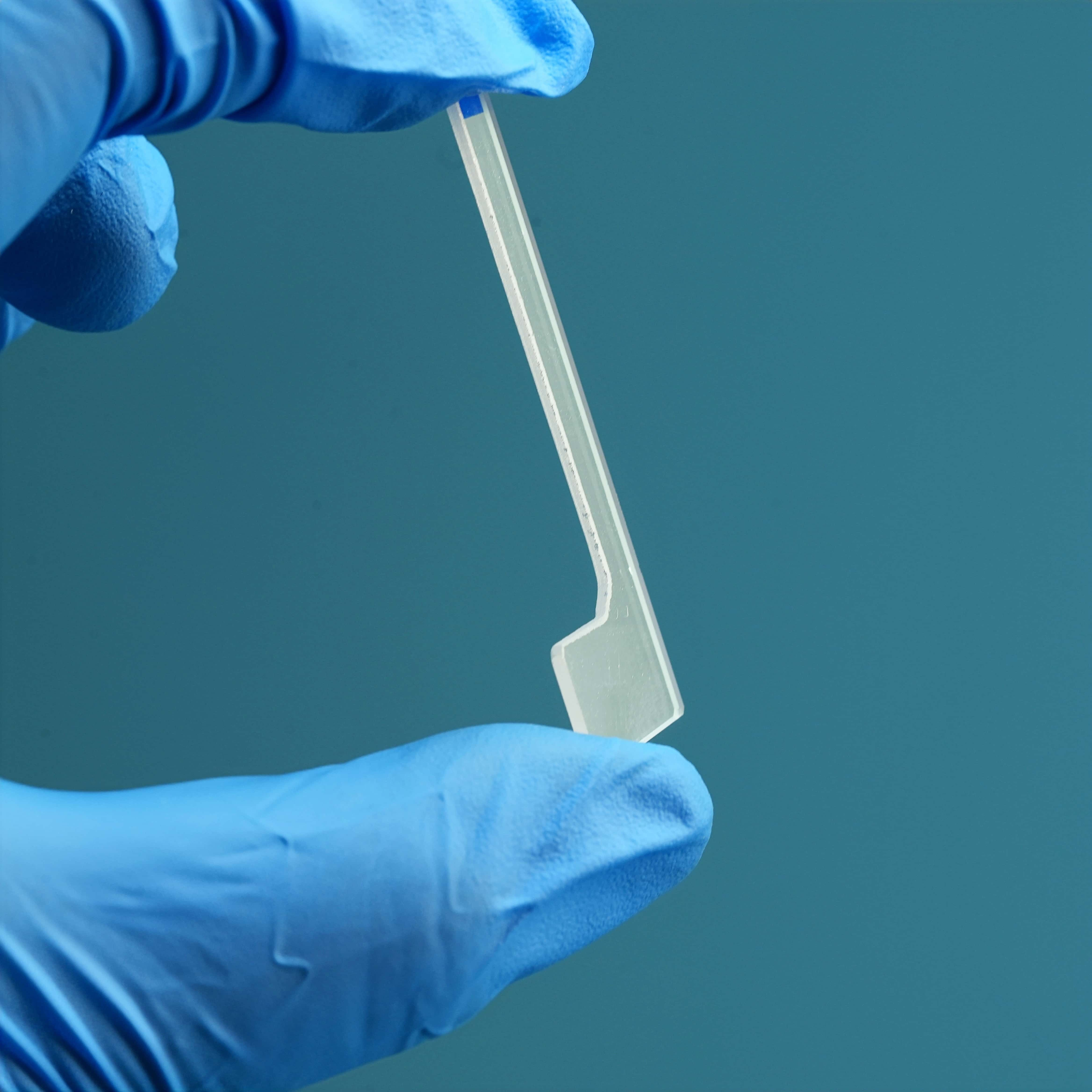
Anamorphic Prism Pair for Laser Beam Shaping Circularizing Elliptical Beams for Fiber Coupling Applications
A precision prism pair for shaping elliptical laser beams into a more circular profile for fiber coupling and laboratory optical systems.
- Beam circularization
- Fiber coupling support
- Custom coating options
Why “China Best Glass Dome Supplier” Is a Starting Point, Not a Specification
Semantic search has changed the glass dome buying journey. A procurement manager may begin with a broad query such as China best glass dome suppliers & exporter, but the real intent quickly divides into material grade, operating temperature, optical function, sealing method, certification route and annual volume. The stronger a supplier can answer those layers, the shorter the qualification cycle becomes.
Glass domes are not a commodity when they sit in front of a high-power LED, a LiDAR sensor, an airport obstruction light or a marine signal fixture. The part may look simple in a 2D drawing, yet its value is created by wall-thickness control, annealing or tempering, mold design, edge finishing, coating uniformity and the ability to reproduce a sealing face order after order.
For OEM buyers, the most reliable sourcing decision is not based on a headline claim. It is based on whether the supplier can show drawing-based engineering, material traceability, sample discipline and export packing that protects fragile glass parts from the factory door to the assembly line.
- Match glass type to lamp temperature, thermal shock and impact risk.
- Confirm coating target, transmission band and cosmetic acceptance criteria.
- Ask how samples are measured and how mass production stays inside tolerance.
- Verify the supplier record: credit, assessment, trade history and reviews.
Glass Dome Procurement Trends Buyers Should Plan for Now
The next wave of sourcing decisions will reward buyers who define performance early and choose suppliers who can document process control, not simply quote a unit price.
Specification-first RFQs
Buyers are moving away from “send me your best price” toward RFQs that include operating temperature, impact rating, transmission target, gasket face and annual demand. This reduces sample loops and hidden cost.
Compliance evidence
Aviation, marine, hazardous-area and medical projects increasingly ask for material reports, dimensional records and inspection documentation. The fixture certification remains with the luminaire maker, but component evidence helps qualification.
Dual-source resilience
OEMs are qualifying a second glass supplier before a line stops. China remains central for tooling depth and process variety, but buyers now evaluate communication speed, packaging quality and recovery plans.
Total landed cost
Breakage, rework, coating rejects and assembly-line stoppages can outweigh a low piece price. Procurement teams increasingly compare landed cost, first-pass yield and packaging protection.
Where Glass Domes, Lenses and Covers Are Heading
The product roadmap is being shaped by higher LED power, tighter sensing packages, more outdoor reliability requirements and stronger demand for optical efficiency.
Heat-tolerant borosilicate
As high-power LED and stage fixtures push surface temperatures up, borosilicate 3.3 remains a practical choice for covers, Fresnel lenses and domes exposed to thermal cycling.
AR coating integration
Anti-reflective coatings are moving from premium option to standard expectation in lenses and optical windows. Buyers care about transmission gain, adhesion and environmental durability.
Compact optical stacks
LiDAR, machine vision and automotive lighting require domes, lenses and prisms that fit tighter mechanical envelopes while maintaining optical alignment and sealing performance.
Faster sample cycles
Digital drawings, 3D models and video reviews shorten the distance between a drawing and a physical sample. Suppliers with in-house tooling and finishing can compress the review loop.
Engineering Data Behind Reliable Glass Domes
Use this matrix as a starting point for technical discussion. Final selection must be confirmed against the drawing, lamp surface temperature, impact requirement, coating and the standard the finished fixture must satisfy.
Borosilicate 3.3
Best for explosion-proof shades, high-power LED covers and Fresnel lenses. Its low thermal expansion gives strong resistance to thermal shock.
Tempered soda-lime
A cost-effective choice for outdoor covers, floodlight glass and vandal-resistant lenses where impact strength matters more than extreme heat.
Fused quartz
Selected for UV transmission and extreme temperature windows. It is a specialist route where optical bandwidth and heat resistance justify the material cost.
K9 / BK7 optical
A familiar optical glass family for precision lenses, prisms, mirrors and domes where homogeneity and predictable refractive index are important.
Applications That Stress Glass in Different Ways
A dome that performs well in a decorative outdoor lamp may fail beside a high-power emitter. Application context is the shortest path to the right glass specification.
Airport & aviation
Obstruction, runway edge and in-pavement light lenses with stable color and transmission.
Marine & offshore
Signal-light covers and domes exposed to salt spray and weather cycling.
Oil, gas & chemical
Explosion-proof lampshades and covers for hazardous, corrosive or dusty zones.
Stage & entertainment
Fresnel lenses, prisms and effect optics that survive high-power lighting heat.
Automotive LED
Projection lenses, dome lenses and reflectors for headlights and exterior lighting.
LiDAR & sensing
Domes, hemispherical windows and prisms for sensing and scientific instruments.
Food & medical
Chemically resistant covers and sight windows for equipment that is washed down often.
Horticulture lighting
AR-coated convex lenses that support full-spectrum output in indoor farms.
Why Tambi Glass Is a Practical OEM Partner in Shanghai
Shanghai Tambi Glass Industrial Co., Ltd. is a manufacturer and trading company focused on custom lighting and optical glass. Its production experience covers borosilicate covers, explosion-proof lampshades, signal-light domes, LED lenses, Fresnel lenses, prisms and optical filters for OEM buyers in Europe, North America, Japan and other export markets.
The advantage is not a single machine or a single product. It is the ability to match material, forming method, finishing, coating and inspection to the real function of the part. Senior lighting and molding engineers review drawings for wall thickness, draft, sealing faces and optical path alignment before tooling begins. Pressed, blown, ground and coated processes are coordinated through one supply chain, which is useful when a fixture needs a cover, a lens and a prism from the same technical discussion.
For buyers who need evidence before placing a sample order, the company profile includes supplier assessment, credit index, transaction level, trade capacity, trade history, factory video and buyer reviews. These records support procurement qualification and reduce the risk of working with an unknown exporter.
- Drawing-based OEM / ODM
- Borosilicate, tempered, quartz, K9
- AR and optical coatings
- Onsite-verified supplier



What Buyers Usually Verify Before Approval
These are the practical checkpoints that separate a competent glass dome exporter from a supplier that only forwards catalogs.
Drawing review
Manufacturability review for thickness, draft, tolerance, sealing face and optical path alignment.
Tooling options
New or existing molds for pressing, blowing or grinding, depending on shape and volume.
Sampling control
Samples measured and sent for fit, light and cosmetic evaluation before mass production.
Annealing & tempering
Controlled stress relief or tempering to suit thermal-shock and impact requirements.
Coating & finishing
AR coating, color control, edge finishing and visual inspection matched to the application.
Export packing
Divider-packed cartons and palletized freight for fragile glass parts shipped by sea or air.
Verification record
Supplier assessment, credit index, transaction level and trade history available for review.
Global communication
English technical discussion, drawing-based quotations and support for OEM project timelines.
Glass Dome Sourcing Questions Asked by OEM Buyers
These answers reflect the practical questions that arise during RFQ review, sample approval and purchase order preparation.
Can you manufacture glass domes, covers and lenses to our own drawing?
What is the typical minimum order quantity?
Should we choose borosilicate glass or tempered soda-lime glass?
Can you support FAA L-810 or EN 50293 lighting fixture programs?
How quickly can we receive a technical response or quotation?
How are fragile glass domes and covers packed for export?
Have a Drawing or Target Specification? Start With an Engineering Review.
Share dimensions, glass type, operating temperature, coating target and annual volume. Tambi Glass can review the project, recommend a practical material and process route, and confirm samples before mass production.
Send an Inquiry info@tambiglass.com