8 Engineered Glass Products for Fresnel, LED, Signal and Sensing Buyers
This is not a random catalog list. Each product below represents a practical starting point for a real optical, lighting or sensor assembly. Dimensions, glass grade, coating, edge finish and packing can be adapted to your drawing, gasket design and certification route.

Manufacturer OEM Precision Grade BK7 K9 Optical Glass Aspherical Lens
Anti-reflective coating, 0.5–25 mm diameter options and MOQ from 100 pcs for imaging, collimation and compact optical modules.
View product details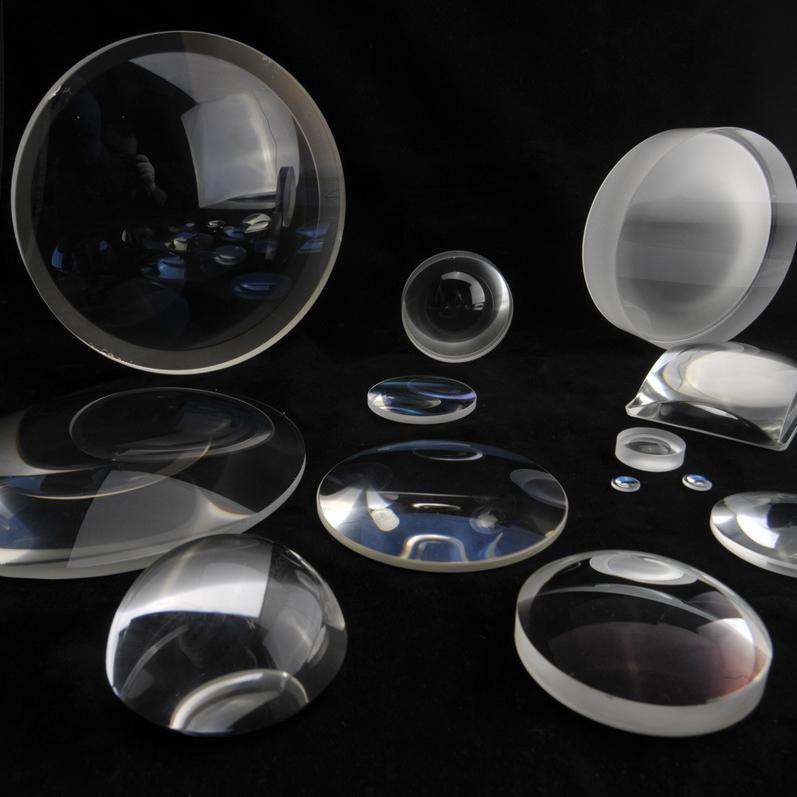
Custom High Quality Diameter 80 mm, 127 mm, 250 mm Spherical K9 Optical Coating Glass Plano Convex Lens
Large-format plano convex lenses for magnification, projection and illumination, with optical coating and dimensional customization.
View product details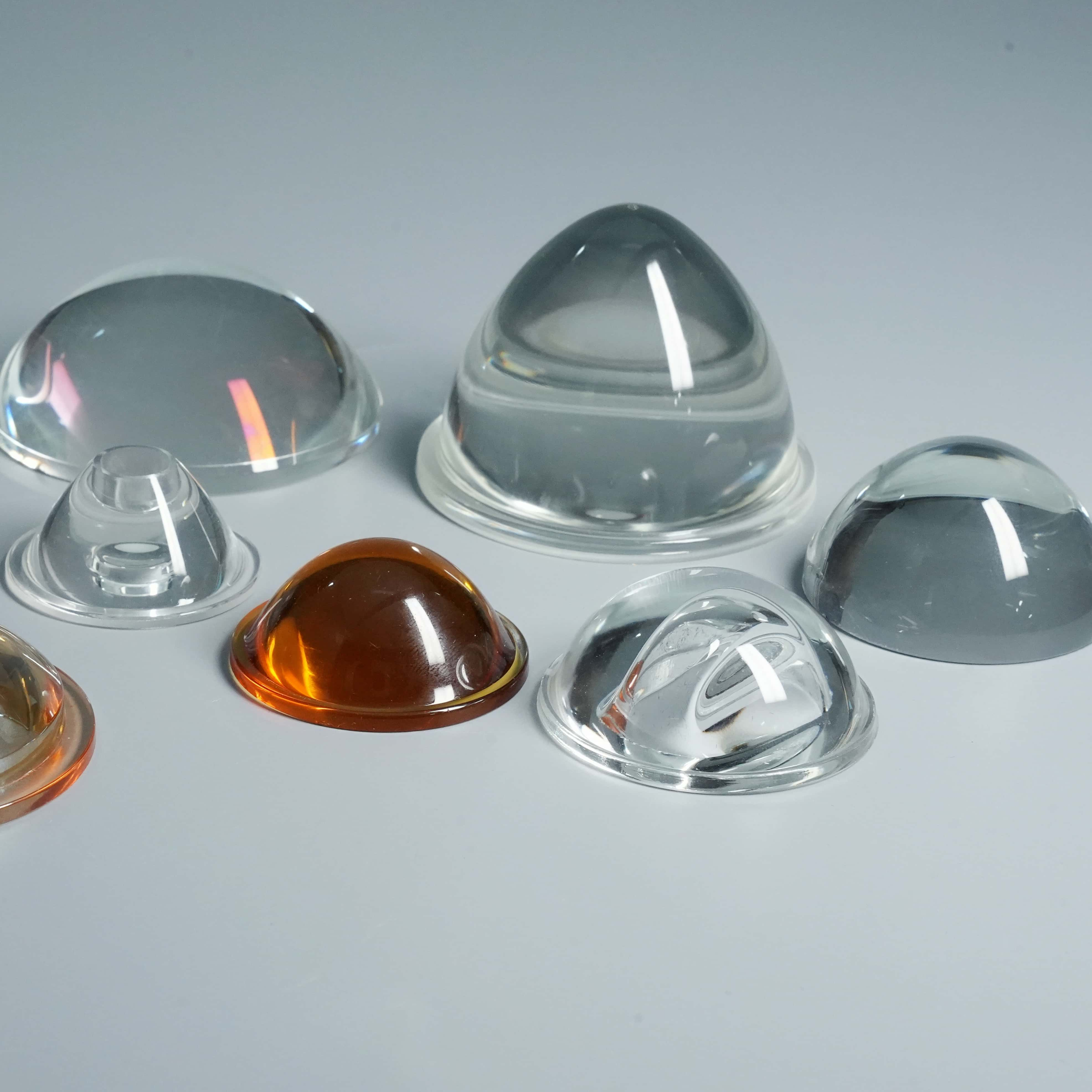
Custom Borosilicate Glass LED Grow Light Convex Lens with Anti-Reflective Coating
AR-coated borosilicate convex optics for indoor farming, full-spectrum LED fixtures and high-efficiency horticultural light delivery.
View product details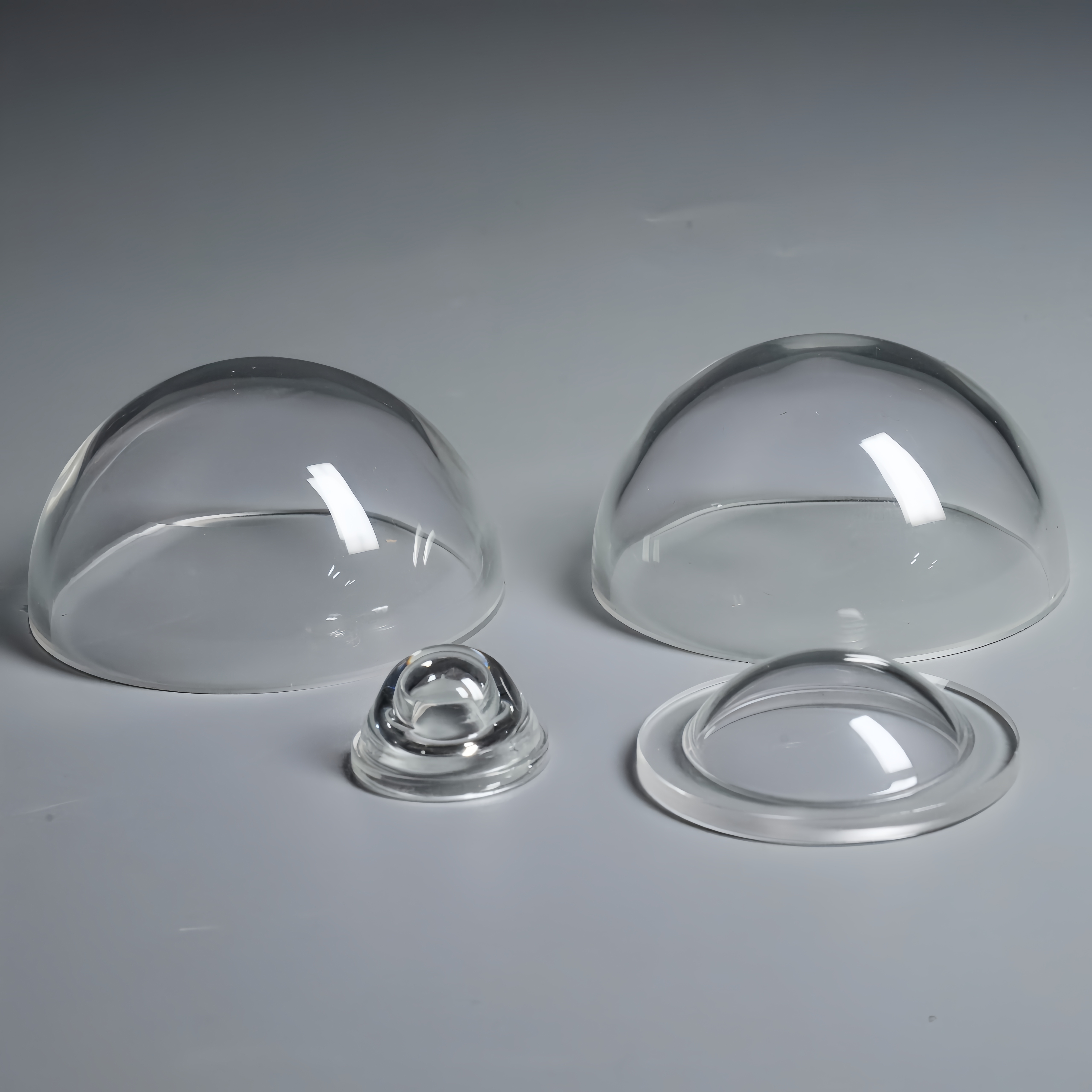
High-Pressure Borosilicate Optical Glass Dome for Underwater ROV/AUV Camera Housings & Submersible Lights
Deep-sea-rated optical domes for camera windows, submersible lighting and pressure-sensitive underwater sensing assemblies.
View product details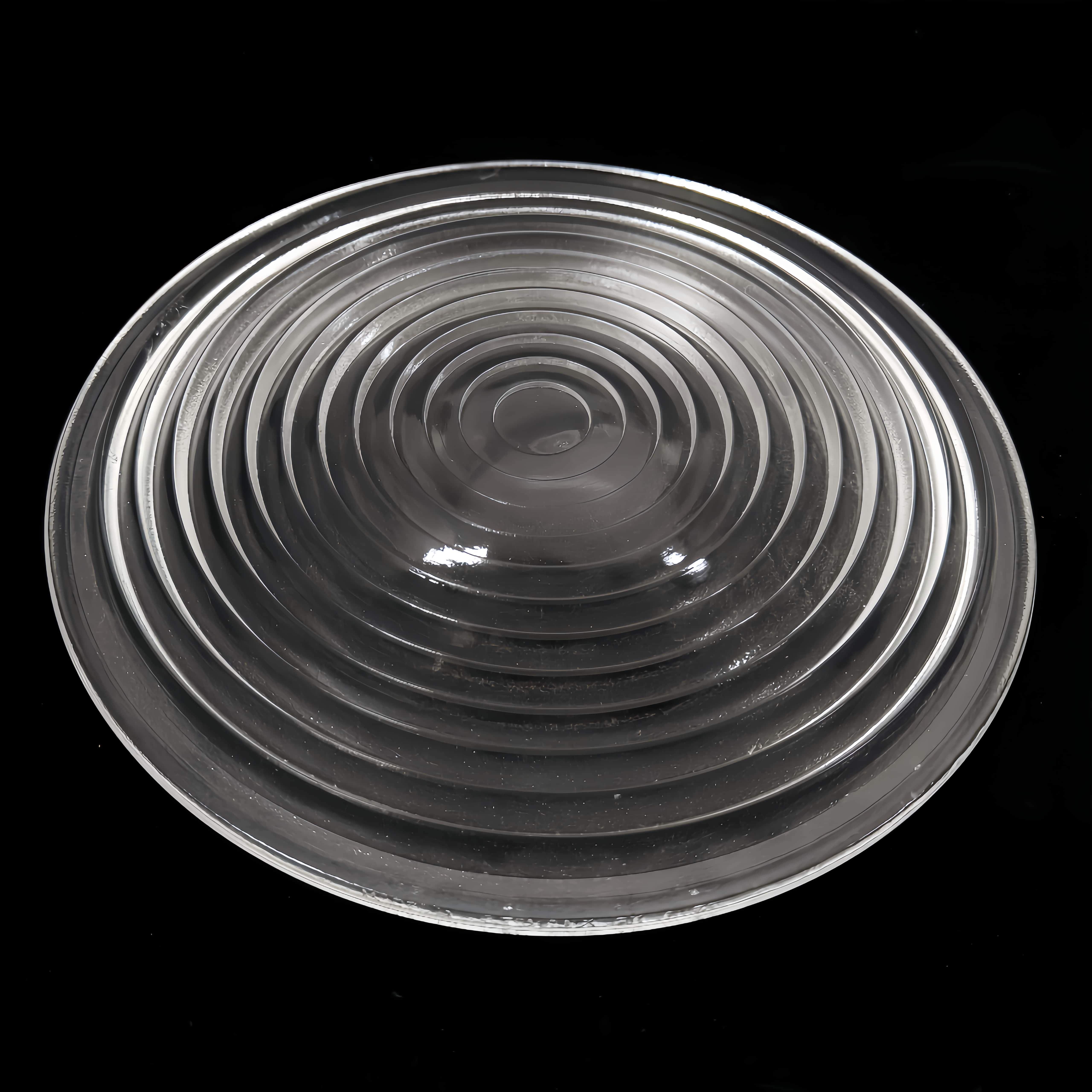
Precision Molded Borosilicate Glass Fresnel Lens 175 mm for Stage Lighting
AR-coated, heat-resistant Fresnel glass lens designed around high-power LED stage fixtures and FAA/ICAO-style signal optics.
View product details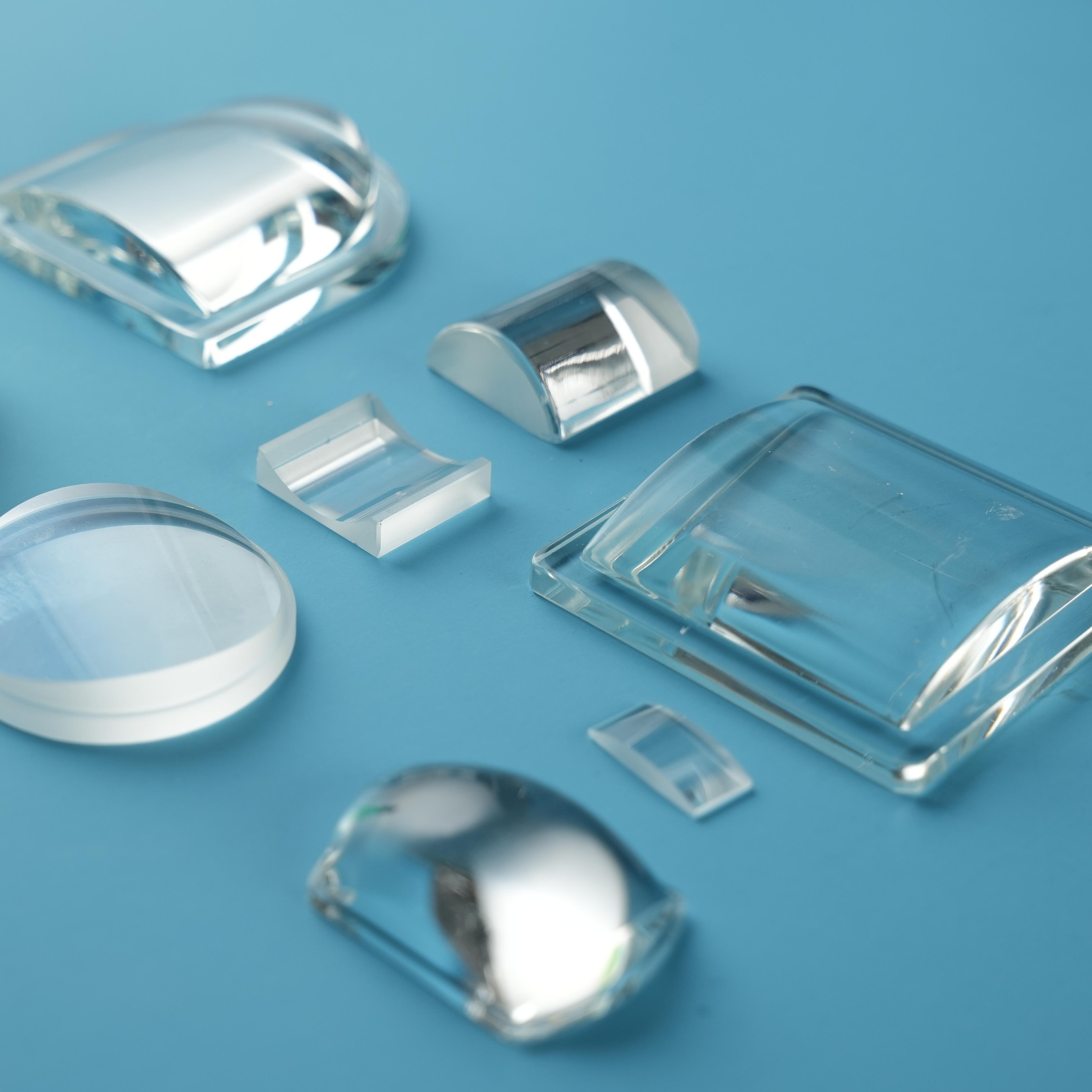
Manufacturer Custom OEM Anti-Reflective Laser Glass Optical Borosilicate UVC Plano Convex Cylindrical Biconvex Lens
Custom shapes and coatings for laser systems, UVC equipment and beam-shaping modules that need stable transmission under thermal load.
View product details
Factory Customized Size, Shape and Color Heat-Resistant Borosilicate Glass Car Light Accessories
Heat-resistant glass covers and lighting accessories for automotive, industrial and outdoor fixtures with custom shape and color options.
View product details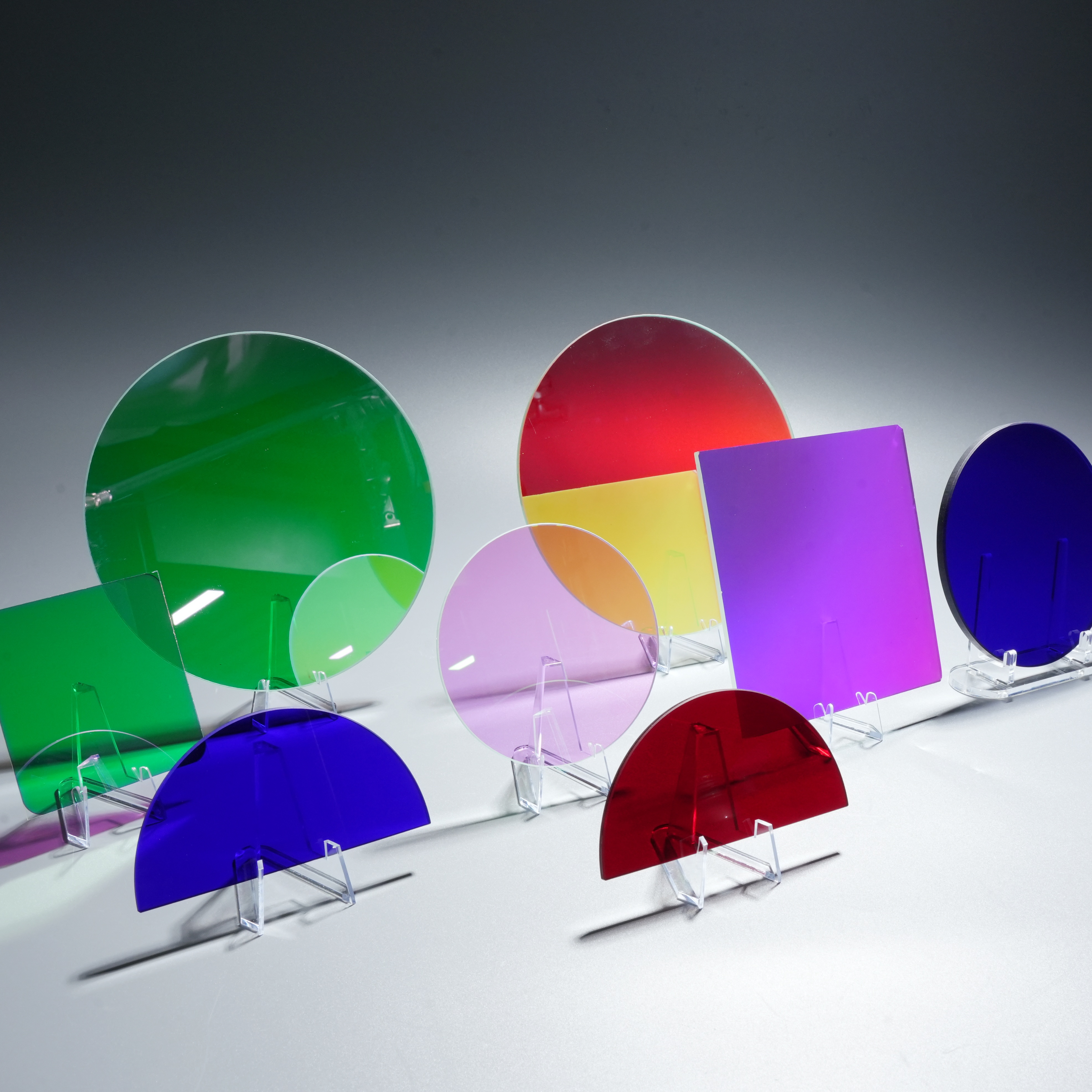
BO-GLASS BO-AH242 590 nm 49 mm Coated UV Borosilicate Bandpass Longpass Optical Filter
Custom wavelength, diameter and coating options for fluorescence, sensing, machine vision and narrow-band optical systems.
View product detailsWhat “China Best Fresnel Glass Lens Supplier” Should Mean to a Serious OEM Buyer
The phrase “best supplier” is only useful when it maps to measurable capability: optical design support, thermal discipline, drawing-based tooling, coating control, documentation and repeatable export packing.
A Fresnel glass lens is not simply a flat disc with concentric grooves. It is an optical component whose groove pitch, draft angle, focal length, refractive index, surface quality and coating determine how light is collimated, focused or distributed. In high-power LED stage lighting, the difference between a stable beam and a discolored hotspot often comes from glass grade, annealing and coating consistency, not from the LED alone. In airport, marine and industrial signal fixtures, the same part may also face rain contact, salt spray, vibration and thermal shock. That is why a credible Fresnel glass lens wholesaler must think like an optical component engineer, not like a commodity trader.
Shanghai Tambi Glass Industrial Co., Ltd. approaches Fresnel and precision glass parts through a drawing-based OEM / ODM model. Senior lighting and molding engineers review wall thickness, draft, sealing faces, optical path alignment, annealing needs and coating compatibility before tooling starts. The company combines pressed, blown, ground and coated glass processes under one supply chain, which reduces the coordination risk that buyers often face when a lens, dome, cover and filter are sourced from different workshops.
For procurement teams, “best” should also mean repeatable inspection and clear communication. A supplier that can explain why borosilicate 3.3 is preferred for high-temperature Fresnel optics, when tempered soda-lime is more economical, how AR coating affects transmission, and how fragile glass should be packed for sea or air freight is more valuable than a supplier that only quotes a piece price. Tambi Glass serves long-term partners in Europe, North America and Japan, and its average response time for technical inquiries is within 6 hours.
Optical Performance First
Fresnel geometry, refractive index, surface finish and coating must work together. A low unit price is irrelevant if beam angle, transmission or color consistency drifts between lots.
Thermal Shock Discipline
Borosilicate glass with low thermal expansion helps resist cracking when a hot cover meets cold rain or washdown water. Material choice should follow the fixture’s real operating profile.
Drawing-Based Manufacturing
Most OEM orders are built from 2D/3D drawings or physical samples. DFM review, mold selection, sampling and inspection reports reduce surprises before mass production.
Recommended Fresnel and Optical Glass Products by Application
Use this application map to shortlist the right starting product before a drawing review. Each recommendation can be customized in diameter, thickness, glass grade, coating and edge treatment.
Stage & Studio Lighting
Choose a precision molded borosilicate Fresnel lens with AR coating for high-power LED fixtures, beam shaping and heat resistance. The 175 mm Fresnel product is a practical reference point for customized stage optics.
View Fresnel lensHorticulture LED Fixtures
AR-coated borosilicate convex lenses help maintain full-spectrum light delivery in indoor farming. Buyers should specify transmission targets, cleaning resistance and fixture temperature.
View grow light lensAviation & Obstruction Lighting
Fresnel and signal lenses for airport, tower and obstruction fixtures need stable color, transmission and thermal performance. Fixture certification remains with the luminaire maker, while glass dimensions and inspection data are matched to the drawing.
View signal opticsROV, AUV & Underwater Sensing
High-pressure borosilicate optical domes support camera housings and submersible lights. Pressure rating, sealing face finish and wall thickness should be reviewed together with the housing engineer.
View optical domeLaser, UVC & Beam Shaping
Plano convex, cylindrical and biconvex borosilicate lenses with anti-reflective coatings can be customized for laser and UVC equipment where transmission stability matters.
View laser lensAutomotive & Outdoor Fixtures
Heat-resistant borosilicate glass covers and accessories can be customized in size, shape and color for automotive lighting, industrial lamps and outdoor fixtures.
View glass accessoriesFuture Procurement Trends for Fresnel Glass Lens Buyers
Procurement is moving away from single-part price comparison toward total optical reliability, supply resilience, documentation and faster engineering cycles.
Dual-Source Resilience
OEMs will increasingly qualify a primary and a backup glass source for critical Fresnel lenses and domes. Suppliers with in-house process coordination and export experience will be preferred.
Traceable Material Data
Material grade, coating batch, dimensional inspection and packing records are becoming part of supplier qualification, especially for aviation, marine and hazardous-area lighting.
Higher Power Density
High-power LED and laser modules push glass toward better thermal shock resistance, stable AR coating and tighter optical tolerances, favoring borosilicate and fused quartz where appropriate.
Faster Sampling Cycles
Buyers expect engineering feedback before tooling investment. A supplier that can review drawings, suggest mold options and confirm samples quickly reduces development risk.
Total Cost of Ownership
Piece price alone is no longer enough. Cracked covers, coating drift, fragile packing and delayed technical answers create hidden costs that outweigh small unit-price differences.
Documentation-Led Qualification
Supplier assessment, credit records, trade capacity and inspection reports help procurement teams complete qualification faster and support internal risk reviews.
Fresnel Glass Lens Development Trends Shaping the Next Generation of Fixtures
The next wave of Fresnel and precision glass components will be shaped by optical integration, higher operating temperatures, sensing demand and more demanding export supply chains.
Integrated Optical Assemblies
Lens, reflector, gasket and sealing face are increasingly reviewed as one optical stack. Glass suppliers that understand the full light path can reduce tolerance stack-up problems.
Advanced AR and Bandpass Coatings
Coating requirements are moving beyond simple transmission goals toward wavelength control, durability, cleaning resistance and consistent color performance across batches.
Freeform and Custom Profiles
As fixtures become more compact, buyers need non-standard groove patterns, asymmetric profiles and custom edge geometry rather than only standard catalog lenses.
LiDAR and Machine Vision Growth
Optical domes, precision windows and filters for LiDAR, robotics and machine vision will require tighter surface quality and pressure or environmental sealing coordination.
Heat-Resistant Material Selection
Borosilicate 3.3, tempered soda-lime, fused quartz and BK7 will be selected less by habit and more by measured operating temperature, impact load and certification demand.
Export-Ready Packaging Engineering
Glass is only as reliable as its packing. Divider systems, reinforced cartons, palletization and distributor labeling will remain part of product development, not an afterthought.
Material Selection Guide for Fresnel Glass Lenses and Optical Glass Parts
Selecting the correct glass early avoids cracked covers, coating mismatch and costly field returns. The table and thermal expansion chart below summarize the reference values our engineers use during drawing review.
| Material | Thermal expansion (×10⁻⁶/K) | Typical max. working temp. | Key strength | Best for |
|---|---|---|---|---|
| Borosilicate 3.3 | ≈ 3.3 | ≈ 450 °C | Excellent thermal-shock resistance | Fresnel lenses, explosion-proof covers, high-power LED optics |
| Tempered soda-lime | ≈ 9.0 | ≈ 250 °C | High impact strength and economical cost | Outdoor covers, floodlight glass, vandal-resistant lenses |
| Fused quartz | ≈ 0.55 | ≈ 1000 °C+ | UV transmission and extreme heat resistance | UV optics, high-temperature windows, laser applications |
| Optical BK7 / H-K9L | ≈ 7.1 | ≈ 300 °C | Homogeneous optical properties, nd ≈ 1.517 | Precision lenses, prisms, mirrors and filters |
Values are typical references for early engineering discussion, not a substitute for drawing-specific material certificates or final fixture testing. Tambi Glass reviews each specification against the lamp surface temperature, gasket compression, coating process and target standard.
Inside Tambi Glass: The Manufacturing Discipline Behind Repeat Orders
Shanghai Tambi Glass Industrial Co., Ltd. is a manufacturer and trading company focused on custom borosilicate glass, explosion-proof lampshades, signal light domes, LED lenses, Fresnel lenses, prisms and optical filters for global lighting and optical OEMs.



For more than a decade, the team has focused on one practical question: how should glass perform inside a real luminaire? That experience covers heat build-up behind high-power LEDs, thermal shock from rain on hot covers, impact loads in hazardous areas and color accuracy for signal lights.
The company is based in Shanghai, China, with an operation of 11–50 people and an annual export revenue range of US$2.5M–5M. Its premises have been checked onsite during third-party verification, and buyers can review supplier assessment, credit index, transaction level, trade capacity and trade history before placing a sample order.
As a manufacturer and trading company, Tambi Glass combines pressed, blown, ground and coated processes under one supply chain. This helps buyers coordinate a Fresnel lens, glass dome, explosion-proof cover and optical filter without scattering responsibility across multiple informal workshops.
- Drawing-based OEM / ODM
- Borosilicate, tempered, quartz and BK7
- AR and optical coatings
- Onsite-verified supplier
- Average reply within 6 hours
- Export packing for fragile glass
Drawing Review
DFM check of thickness, draft, tolerance, sealing face and optical path before tooling.
Mold & Tooling
New or existing molds selected for pressing, blowing, grinding or finishing.
Sampling
Samples measured and sent for fit, light and assembly testing.
Forming & Annealing
Controlled annealing or tempering to relieve stress and improve durability.
Coating & QC
AR or color coating, dimensional inspection and visual defect review.
Export Packing
Divider-packed cartons and palletized packing for sea or air freight.
Quality, Documentation and Supply-Chain Reliability
For B2B glass components, trust is built on records, communication and repeatable production rather than on a single price quotation.
Supplier Assessment
Third-party verification of legal status and premises helps procurement teams complete supplier qualification faster.
View supplier assessment →Trade Capacity
Export markets, terms and logistics capability can be reviewed before sample orders or annual volume planning.
View trade capacity →Factory Video
See forming, finishing and inspection procedures inside the real production environment, not a showroom.
Watch factory video →Fresnel Glass Lens Procurement FAQ
These are the questions technical and procurement teams ask most often when evaluating a China-based Fresnel glass lens supplier.
Can you manufacture Fresnel glass lenses and optical components to my own drawing?
What is the typical minimum order quantity for Fresnel lenses and custom glass parts?
Should I choose borosilicate glass or tempered soda-lime glass?
Do you supply glass for FAA L-810, ICAO and EN 50293 lighting fixtures?
Which coatings and glass finishes can be customized?
How fast do you reply to technical inquiries?
How are fragile glass lenses and domes packed for export?
Can you provide samples, inspection reports and material declarations?
Send a Drawing and Get an Engineering Review Within 6 Hours
Share your dimensions, glass grade, operating temperature, coating target and annual volume. Our team will recommend the most reliable Fresnel glass lens or optical glass solution for your fixture, then confirm samples before mass production.
Get CatalogPrefer email? Write to info@tambiglass.com with your drawing and target volume. Tambi Glass · Shanghai, China · Drawing-based OEM / ODM glass manufacturing.