China Best Collimating Lens Factory & Exporter for Custom Optical Glass
A drawing-led manufacturing and export partner for borosilicate, tempered, quartz and BK7 optics — collimating lenses, Fresnel optics, domes, filters, reflectors and protective covers — with engineering review, samples and export packing built around real fixture requirements.
8 Custom Optical Glass Products That Reveal a Factory’s Real Capability
A China collimating lens factory may display hundreds of items, but experienced buyers test the supplier with a focused set: a heat-loaded glass cover, an AR-coated optical filter, a pressure-rated dome, a COB reflector bowl, a precision spherical lens, a customized automotive glass part, a molded Fresnel lens and an explosion-proof protective shade. Together these eight products show whether the factory can control glass composition, forming, annealing, coating, dimensional interfaces and export packing inside one supply chain. The product URLs below are retained exactly as supplied; each item can be discussed as a starting point for a drawing-based quotation.

Supplier Custom Size Shape Pressed Mold Heat Resistant High Borosilicate Headlight Glass Lens Cover Headlight Glass Cover
Pressed-mold borosilicate cover for heat-loaded headlight and lighting modules. Custom size, shape, edge finish and sealing geometry are reviewed together with the lamp temperature profile.
View detailed specification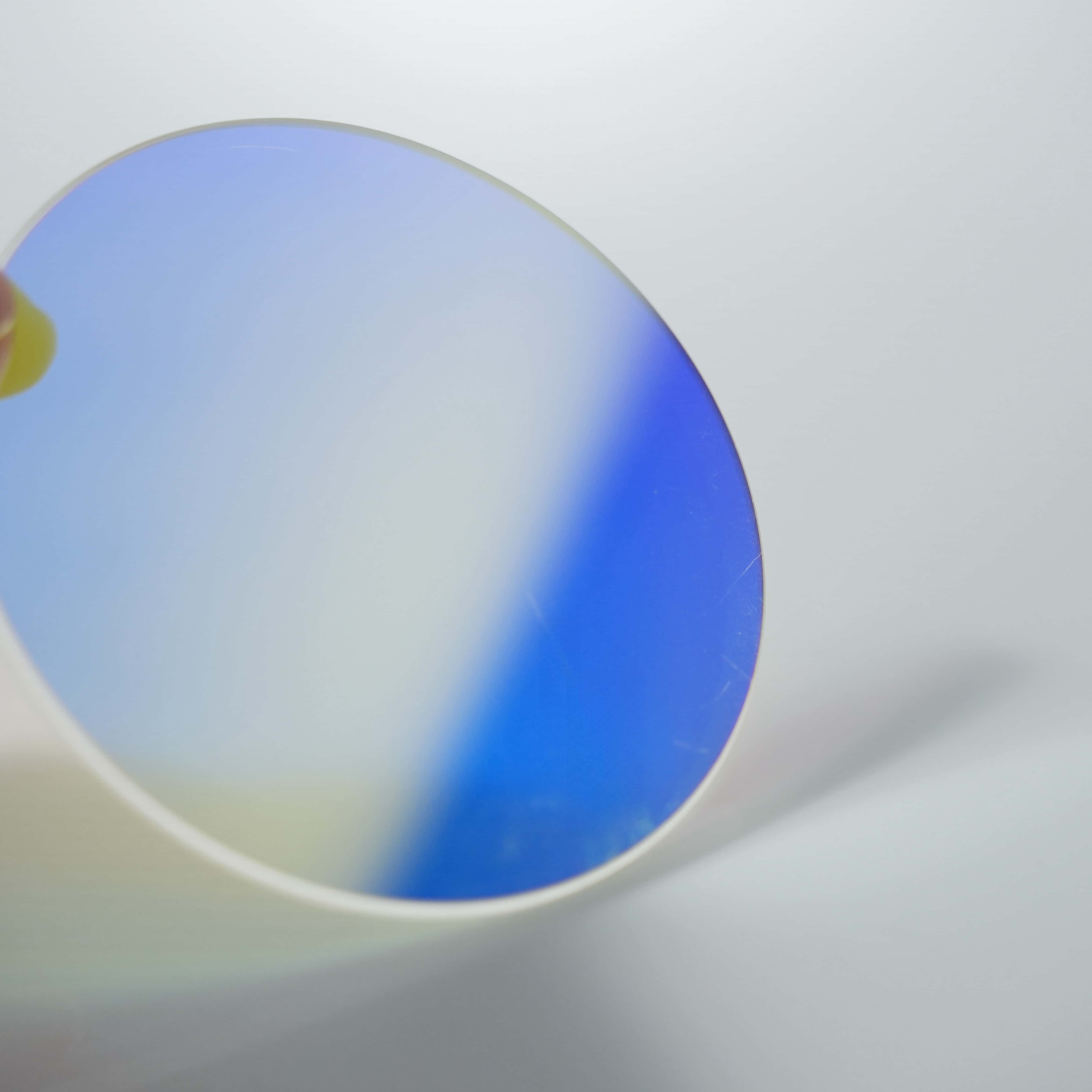
Optical Borosilicate Glass Longpass Shortpass Filter 500nm 600nm 700nm AR Coating Cut-Edge for Spectroscopy Industrial Sensor
Coated borosilicate filter for spectroscopy and industrial sensor integration. Wavelength range, cut-edge dimensions, transmission target and coating curve should be confirmed before sampling.
View detailed specification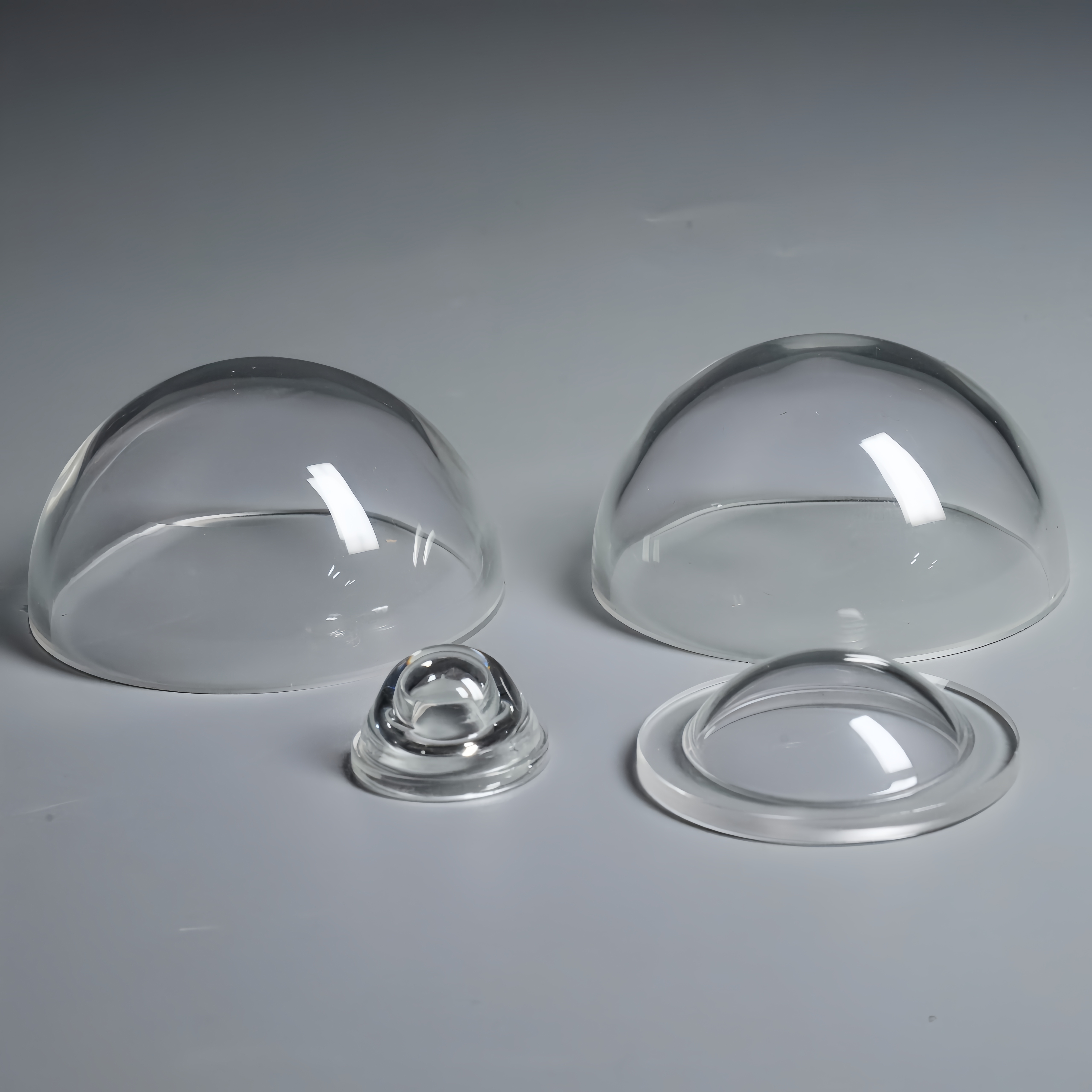
High-Pressure Borosilicate Optical Glass Dome for Underwater ROV AUV Camera Housings & Submersible Lights Deep Sea Rated
Pressure-aware optical dome for ROV, AUV and submersible light housings. Sealing face flatness, wall thickness, optical transmission and deep-sea assembly method matter as much as the dome shape.
View detailed specification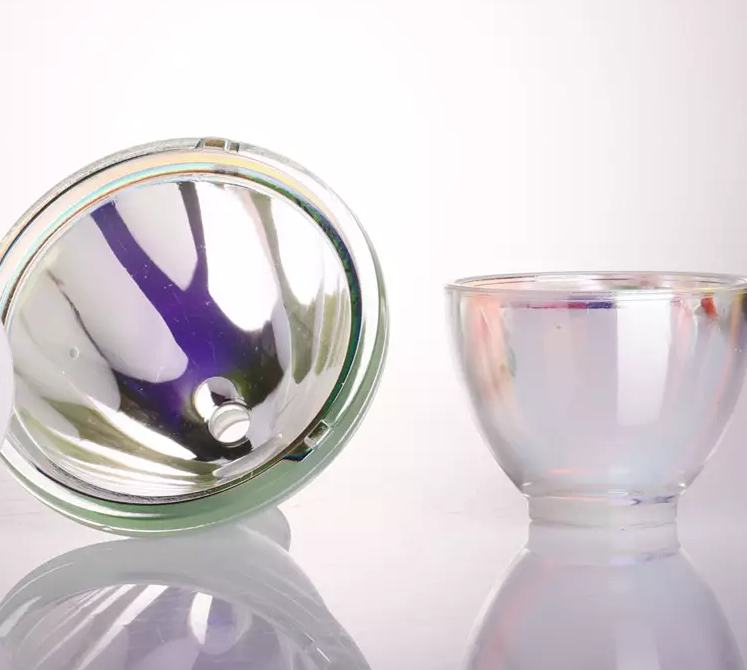
COB Glass LED Reflector Bowl Manufacturer Deep Design Perfect Beam Spotlights Projector Lights 20 60 90 Beam Angle
Deep glass reflector bowl for COB LED spotlights and projector fixtures. Beam angle, coating durability, center alignment and rim fit are practical variables to lock down during sampling.
View detailed specification
Factory Price Custom Precision Optical 1-200mm Clear BK7 Spherical Quartz Glass Half Ball Concave/Biconvex Lens Anti-Reflective
Custom spherical lens from 1–200 mm in BK7 or quartz, including half-ball, concave and biconvex forms. Specify focal length, tolerance, surface quality, coating and measurement method.
View detailed specification
Factory Customized Size Shape Color Heat Resistant High Quality Borosilicate Glass Car Light Accessories Traditional Industrial
Heat-resistant borosilicate car-light accessory with customized size, shape and color. Color consistency, thermal cycling and fit with gaskets or retainers should be included in the sample test plan.
View detailed specification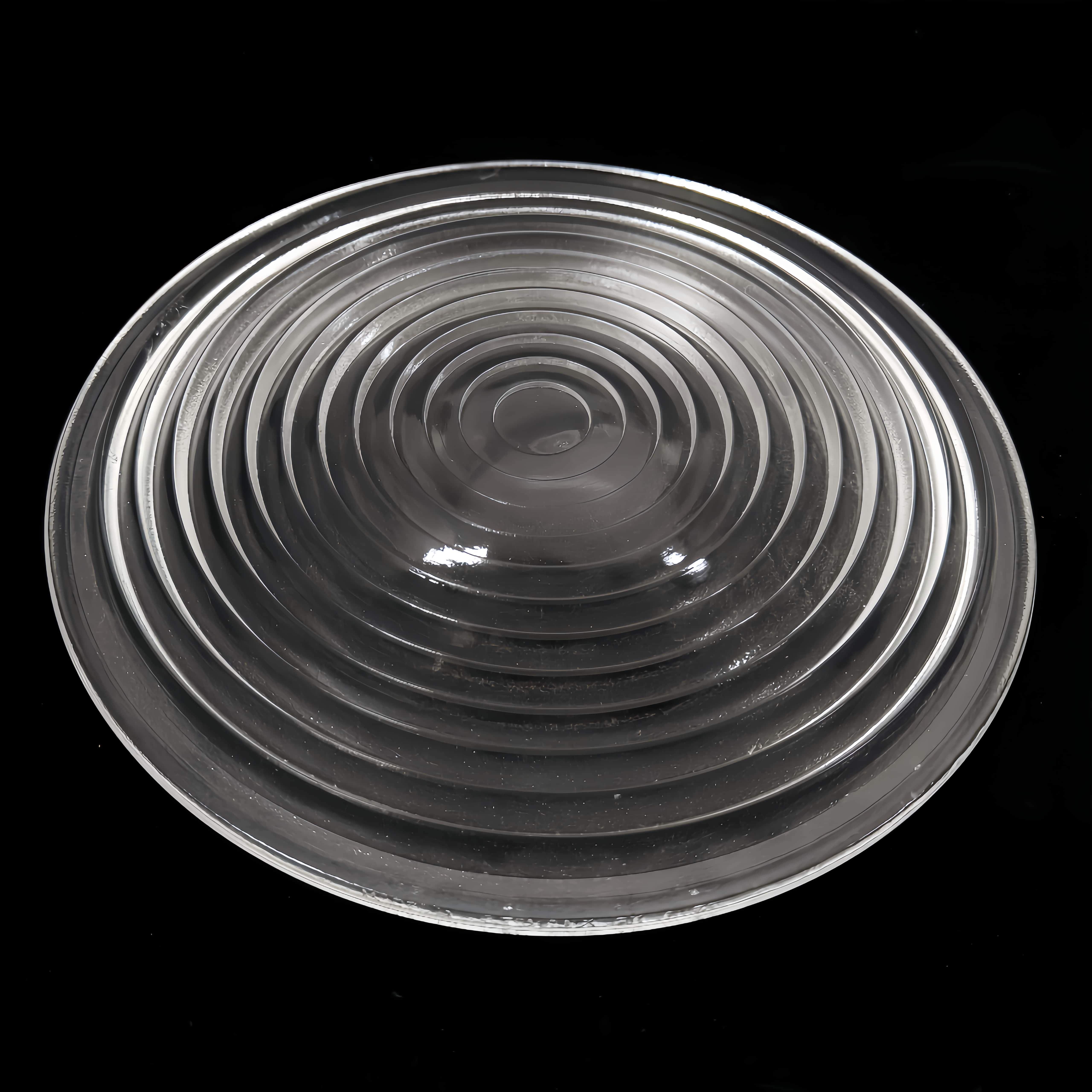
Precision Molded Borosilicate Glass Fresnel Lens Stage Lighting Anti-Reflective Coating FAA/ICAO Standards 175mm BO GLASS OEM
Molded 175 mm borosilicate Fresnel lens for stage and projector lighting. Groove geometry, AR coating, thermal load and dimensional discipline determine whether the beam is clean and repeatable.
View detailed specification
Borosilicate Transparent Explosion-proof Shade, Heat-resistant & Crack-proof, Transparent Protective Cover
Transparent borosilicate protective shade for hazardous-area lighting. Wall thickness, annealing quality, impact resistance and sealing interface are the practical points to verify with a sample.
View detailed specificationWhat “Collimating Lens Factory & Exporter” Means in Real Procurement Work
A collimating lens converts the divergent output of an LED, laser diode or other light source into a tighter, more parallel beam. Procurement teams searching for a China factory usually need more than a lens diameter: they need a supplier that can connect optical performance to thermal load, coating durability, mechanical sealing and volume production. Poor collimation can look acceptable in a photograph yet fail in a photometric test, thermal cycling or field installation.
Optical function comes before unit price
Focal length, back focal distance, refractive index, source size, surface form and edge finish determine beam quality. A cosmetic sample is not enough: ask for spot size, angular distribution, transmission at the operating wavelength and the measurement method. This is how a true collimating lens factory separates engineering from trading.
Thermal stability must be designed, not assumed
High-power LEDs, COB modules and lasers heat the lens. Thermal expansion mismatch can stress a seal, shift focus or crack a cover. Borosilicate 3.3 has a typical expansion of about 3.3 × 10⁻⁶/K; tempered soda-lime is around 9.0; fused quartz is about 0.55; BK7 is around 7.1. The right choice depends on surface temperature, impact rating, fixture certification and cleaning method.
AR coatings need environmental evidence
Anti-reflective coatings improve transmission and reduce ghosting, but the coating must survive cleaning, humidity, temperature swings and assembly handling. Request the coating curve, adhesion and abrasion test method, witness sample or inspection report. For sensing filters, also confirm wavelength shift and blocking level under the intended incidence angle.
Assembly and sealing decide field reliability
A lens can be optically correct yet leak because the sealing face, chamfer or concentricity is wrong. Discuss gasket compression, IP rating, retaining-ring torque and thermal cycling with the lens supplier early. The best quotation is the one that includes interface control, packaging protection and change notification, not only a piece price.
Why Shanghai Tambi Glass Fits the Brief — and How to Audit the Word “Best”
“Best” is not a self-awarded label. A serious buyer should test it against engineering responsiveness, material breadth, process control, documentation, onsite verification and export packing. Shanghai Tambi Glass Industrial Co., Ltd. is a manufacturer and trading company based in Shanghai, China, with more than ten years of experience in lighting and optical glass. The team of 11–50 people serves lighting and optical OEMs worldwide, with annual export revenue in the US$2.5M–5M range. Its practical strength is a drawing-review habit: wall thickness, draft, sealing faces and optical-path alignment are checked before tooling starts.
Drawing-based OEM / ODM
Most orders are drawing-based. A 2D/3D drawing or physical sample is reviewed for dimensions, tolerance, material, color, coating and annual volume; engineers propose mold options and confirm samples before mass production.
Material breadth, not a single-glass sales pitch
Borosilicate 3.3, tempered soda-lime, fused quartz and optical BK7 (H-K9L) are matched to thermal load, impact, UV and optical requirements. This avoids forcing one familiar glass into an application where it will fail.
Process integration under one supply chain
Pressed, blown, ground and coated processes are coordinated together. That matters when a collimating lens, a protective cover and a sealing ring must fit the same fixture and share a controlled change process.
Optical coatings and color control
AR and optical coatings are specified with the application wavelength and environment in mind. For signal, aviation and marine glass, color consistency and transmission stability are reviewed as production characteristics, not decoration.
Onsite-verified supplier status
Premises, legal status, credit index, transaction level, trade capacity and trade history can be reviewed through independent records. Video calls and third-party audits are welcome, which shortens supplier qualification for procurement teams.
Export packing for fragile glass
Foam or pulp dividers, reinforced export cartons and palletized loading are arranged for sea or air freight. Custom labeling and distributor packaging can be discussed, with drop-test evidence requested where the route demands it.



Future Procurement Trends for Collimating Lenses and Custom Optical Glass
Buyers are moving from lowest piece price to risk-adjusted landed cost. For optical glass, a small dimensional error or a coating failure can stop an assembly line, so the purchasing decision increasingly includes process evidence, documentation and sample velocity. These four trends will shape RFQs for China collimating lens exporters.
From lowest piece price to risk-adjusted landed cost
Rejects, rework, air freight, line stoppage and field returns often cost more than the glass itself. Procurement teams will ask for process capability, first-article reports, packaging drop tests and a clear sampling plan. A factory that replies within six hours with engineering questions is usually cheaper to qualify than one that sends only a price list.
Dual sourcing with transparent capacity
More buyers will keep two approved sources for critical lenses and domes while preserving the same drawing and acceptance criteria. China remains a deep optical glass base, but logistics and tariff planning may place final assembly elsewhere. The supplier should disclose capacity, mold ownership, lead-time assumptions and change-control boundaries.
Documentation-led supplier qualification
Material certificates, RoHS/REACH declarations, coating curves, dimensional reports, lot traceability and change notification will be treated as part of the product. This is especially important for aviation, marine, automotive, medical and sensing applications where the luminaire maker must retain fixture certification.
Application-specific optics and faster RFQ cycles
LiDAR, high-power LED, automotive projection, aviation signal lights, marine navigation lights and medical equipment each stress glass differently. Standard catalog parts will be a starting point, not the final answer. Digital RFQs, live chat and rapid sample feedback will favor exporters that can translate a drawing into manufacturable notes quickly.
Product Development Trends: Where Collimating and Optical Glass Is Heading
The next generation of lighting and sensing products asks glass to do more: transmit efficiently, survive heat, resist impact, maintain color and fit a sealed assembly. These six development directions are useful when discussing a new drawing with a China optical glass manufacturer.
High-power LED and COB thermal stability
Collimating lenses and Fresnel optics must hold focus as the module heats. Borosilicate glass, controlled annealing and coating stability are becoming more important than simple visible clarity.
Broadband AR and durable coatings
More designs require low reflection across several wavelengths while surviving humidity, cleaning and thermal cycling. Buyers should request coating curves and adhesion test evidence, not only a transmission number.
LiDAR, ROV and automotive sealed optics
Domes, hemispherical windows and protective covers are being integrated into pressure-rated or IP68 housings. Optical performance, sealing faces, hydrophobic coatings and impact protection are evaluated as one system.
Fresnel and compact optical paths
Fresnel lenses, deep reflectors and compact collimators help reduce fixture depth. Molded glass can offer heat resistance and scratch durability where polymer optics may struggle in high-power lighting.
Color-stable signal and aviation glass
Red, green and amber signal glass must maintain transmission and color consistency across batches. For aviation and marine fixtures, the glass specification should support the luminaire maker’s certification strategy.
Compliance and lower-impact packaging
RoHS/REACH declarations, material traceability and packaging reduction are increasingly requested. Do not assume all borosilicate glass is identical: confirm composition, documentation and the destination market’s requirements at RFQ stage.
Material Selection Matrix for Collimating and Protective Optics
Selecting glass by habit is a common source of cracked covers and unstable beams. Use the application’s surface temperature, thermal shock, impact, UV exposure and optical tolerance to narrow the material before discussing price.
| Material | Typical thermal expansion | Typical max. working temperature | Key performance | Procurement action |
|---|---|---|---|---|
| Borosilicate 3.3 | ≈ 3.3 × 10⁻⁶/K | ≈ 450 °C | Excellent thermal-shock resistance; good transmission; suitable for high-power LED covers, explosion-proof shades and Fresnel lenses | Verify annealing, wall thickness, sealing-face flatness and thermal-shock sample test |
| Tempered soda-lime | ≈ 9.0 × 10⁻⁶/K | ≈ 250 °C | High impact strength and economical cost for moderate temperatures | Confirm tempering quality, edge finish and impact requirement |
| Fused quartz | ≈ 0.55 × 10⁻⁶/K | ≈ 1000 °C+ | UV transmission and extreme heat resistance | Specify grade, bubble/inclusion limits, UV wavelength and measurement method |
| Optical BK7 (H-K9L) | ≈ 7.1 × 10⁻⁶/K | ≈ 300 °C | Homogeneous optical glass with nd ≈ 1.517 for precision lenses, prisms and filters | Define focal length, surface quality, centration, coating and inspection report |
Values are typical references, not a substitute for a drawing review. Final specification should be confirmed against lamp surface temperature, impact rating, cleaning chemicals, sealing method and the standard your fixture must meet.
8 Documents That Separate a Real Factory from a Trading Display
For a high-value optical glass program, ask for evidence before placing a mass-production order. These documents also create a shared acceptance language between engineering, quality and purchasing, reducing disputes after the sample is approved.
Collimating Lens Factory & Exporter FAQ
These are the questions procurement and engineering teams ask most often when evaluating a China optical glass supplier. Clear answers at the RFQ stage save sampling time.
Can you manufacture collimating lenses and glass covers to my own drawing?
Yes. Most orders are drawing-based. Send a 2D/3D drawing or a physical sample with dimensions, tolerance, material, color, coating, annual volume and operating temperature. Our engineers review manufacturability, propose mold options and confirm samples before mass production.
What is the typical minimum order quantity?
Typical MOQs range from 50 pieces for optical lenses to 100–500 pieces for pressed or blown lighting covers, depending on whether an existing mold can be used. Sample quantities are available for evaluation, and the MOQ should be confirmed together with the drawing and material choice.
Should I choose borosilicate, tempered soda-lime, fused quartz or BK7?
Borosilicate 3.3 is preferred for high lamp temperatures and sudden thermal shock because its expansion is about 3.3 × 10⁻⁶/K. Tempered soda-lime offers high impact strength at a lower cost for moderate temperatures. Fused quartz suits UV or extreme heat, while BK7 is a strong choice for precision optical lenses, prisms and filters where homogeneity matters. The final decision depends on surface temperature, impact rating, sealing method and fixture certification.
Do you support FAA L-810, EN 50293 or similar lighting-standard projects?
We produce glass lenses and domes for fixture makers whose obstruction and signal lights are designed to FAA L-810, EN 50293 or comparable requirements. Fixture certification is held by the luminaire manufacturer; we match color, transmission and dimensional specifications and can provide material and inspection reports on request.
How fast do you reply to technical inquiries?
Our average response time is within 6 hours. Email info@tambiglass.com with your drawing and annual volume for a technical and commercial review. A complete drawing with operating conditions usually produces a faster and more accurate response than a photo alone.
How do you control optical quality and cosmetic defects?
Controls include incoming glass verification, process parameter monitoring, controlled annealing or tempering, dimensional inspection, visual inspection and coating checks. Acceptance criteria should be defined on the drawing and sample approval record; inspection reports can be discussed for repeat orders.
How are fragile glass lenses and domes packed for export?
Parts are separated by foam or pulp dividers, packed in reinforced export cartons and palletized for sea or air freight. Custom packaging and labeling for distributors can be arranged. For high-value or high-volume shipments, request drop-test evidence and a packaging photo set before dispatch.
Can you provide material certificates, RoHS/REACH declarations and batch traceability?
Yes, these can be provided on request depending on the material and documentation requirement. Please specify the document list at RFQ stage, including material declaration, dimensional report, coating data, lot traceability and change-control expectations, so the quotation and quality plan match your supplier qualification process.
Have a Drawing? Get a Technical Review and Catalog Within 6 Hours.
Share dimensions, material, operating temperature, coating, annual volume and destination. Our engineers will return manufacturability notes, a sample route, MOQ, lead-time assumptions and an export packing plan. If the project is still early, send a photo of the fixture and target beam; we will suggest a starting glass material and lens geometry.
Get Catalog