CE Certified Precision Optics Manufacturers & Manufacturer
Drawing-based borosilicate, tempered and optical glass components for lighting, signal, LiDAR, laboratory, medical and outdoor-equipment OEMs — supported by material evidence, dimensional reports and export-ready production.
CE-Ready Optical Glass Components for Lighting, Sensing and Equipment OEMs
These eight production-ready starting points show the geometry, material and coating range of a drawing-based precision optics manufacturer. Diameter, wall thickness, flange, sealing face, color, transmission target, anti-reflective coating, annealing or tempering condition can be adapted to your fixture. If your part is not listed, send a 2D/3D drawing or physical sample for a manufacturability review before tooling.

High-Light Transmission Clear Borosilicate Glass Dome Lens LED Outdoor Lighting Fixtures Impact Resistant Anti-Scratch OEM
Clear dome geometry with impact and scratch resistance for outdoor luminaires, with optional dimensional adaptation.
View product details →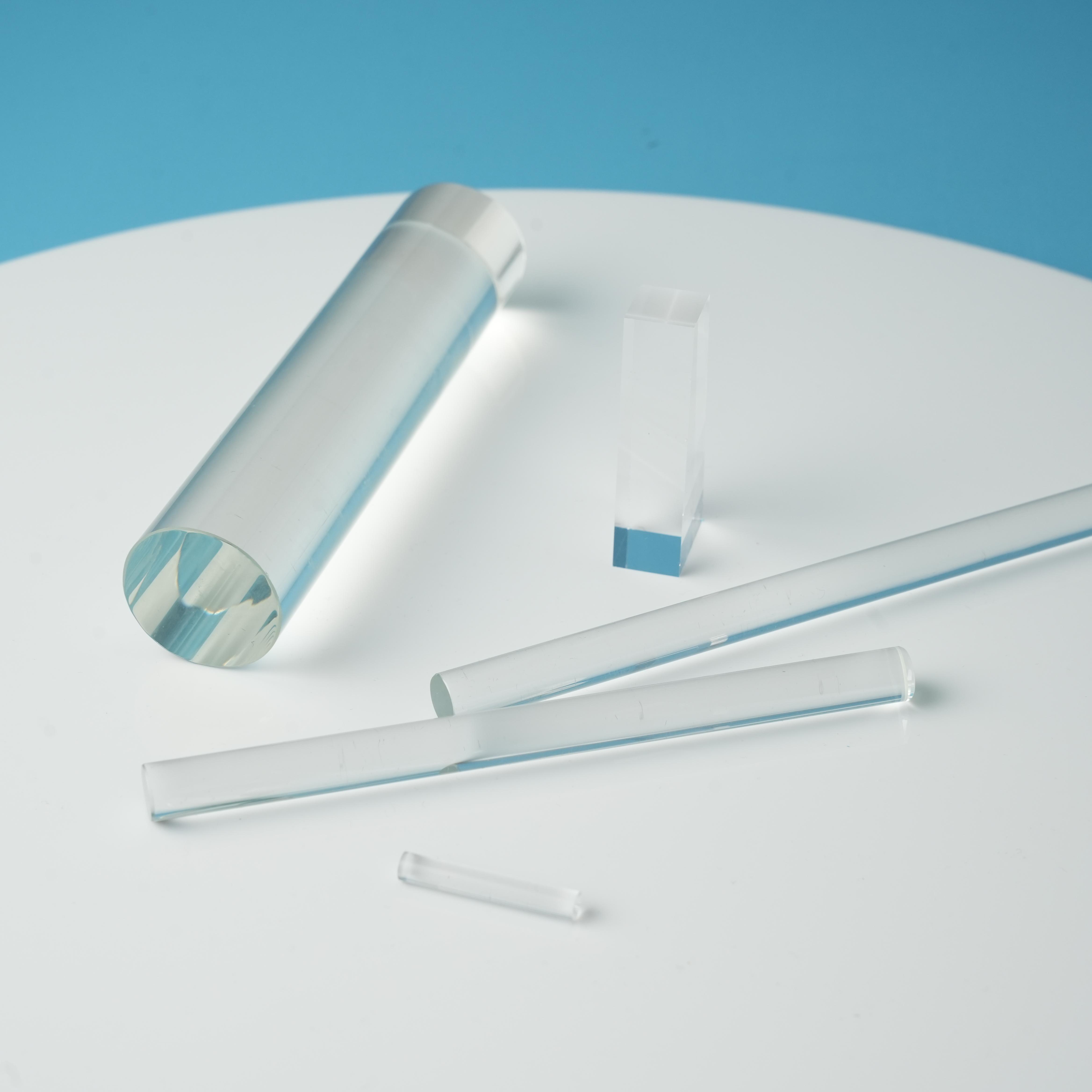
Factory Custom Shape Transparent High Borosilicate Temperature Resistant Optical Glass Light Guide Rod Rod Lens for Laboratory
Custom light guide rod and rod lens formats for laboratory instruments, with high-clarity borosilicate construction.
View product details →
Factory Customized Size Shape Color Heat Resistant High Quality Borosilicate Glass Car Light Accessories Traditional Industrial
Heat-resistant borosilicate parts for car lighting and traditional industrial fixtures, customized by size, shape and color.
View product details →
Supplier Custom Size Shape Pressed Mold Heat Resistant High Borosilicate Headlight Glass Lens Cover Headlight Glass Cover
Pressed-mold headlight glass cover with heat resistance and customizable size, shape and optical profile.
View product details →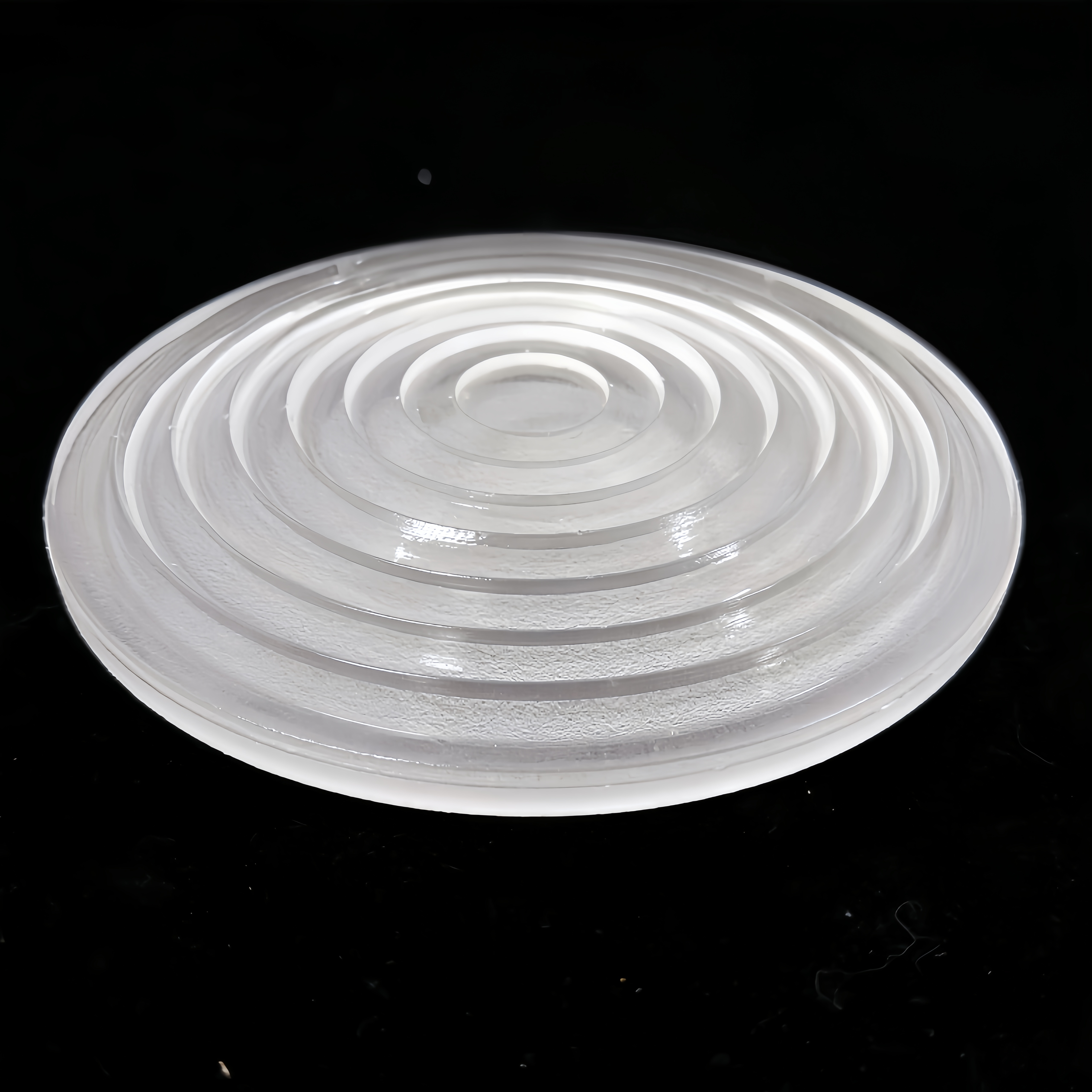
High Temperature Resistant Borosilicate Glass Fresnel Lens Anti-Reflective Coating High Power LED Collimation Stage Lighting
AR-coated borosilicate Fresnel lens for high-power LED collimation in stage, studio and entertainment fixtures.
View product details →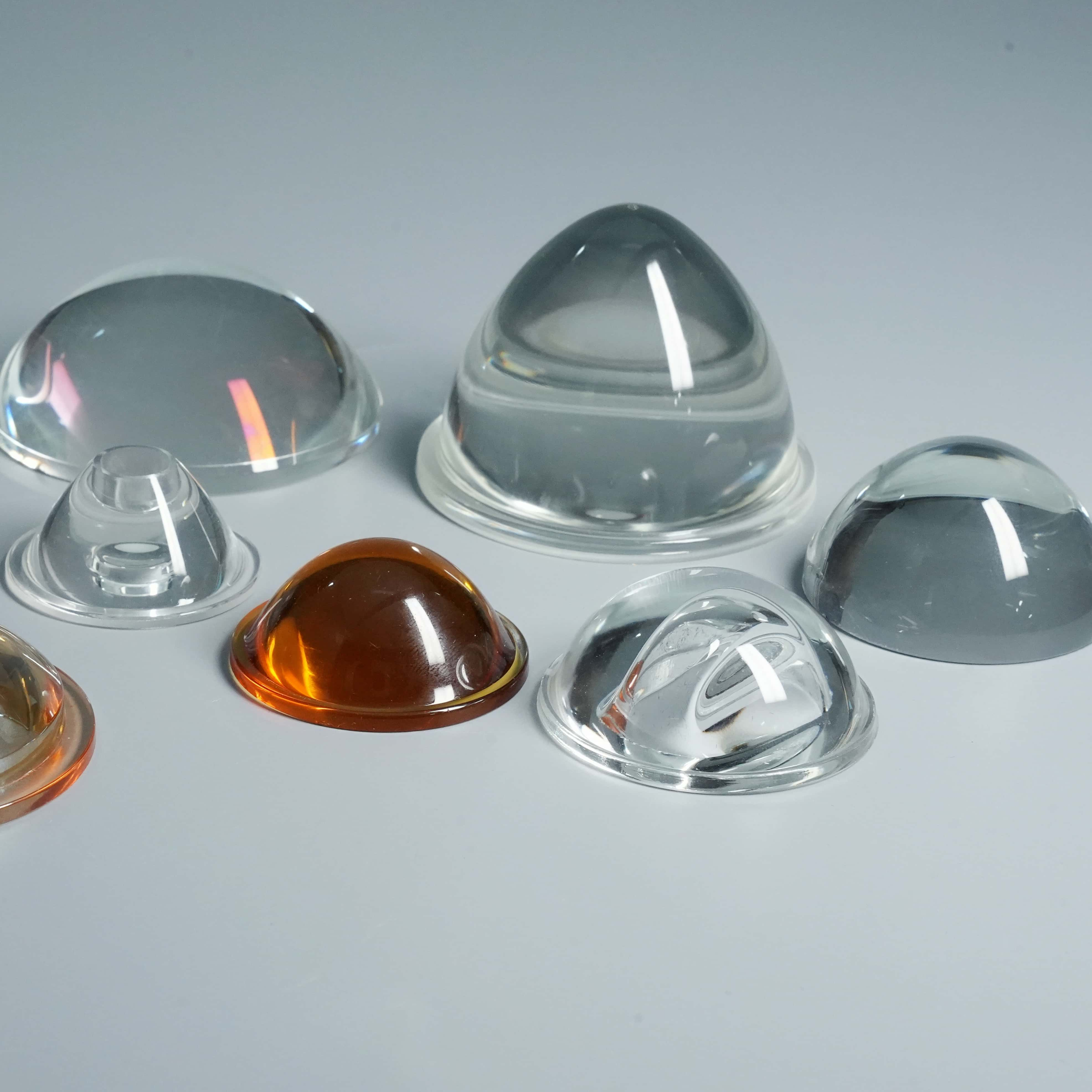
Custom Borosilicate Glass LED Grow Light Convex Lens with Anti-Reflective Coating for Indoor Farming Full Spectrum Lighting
Convex lens for full-spectrum grow lights, designed around transmission, beam control and coating durability.
View product details →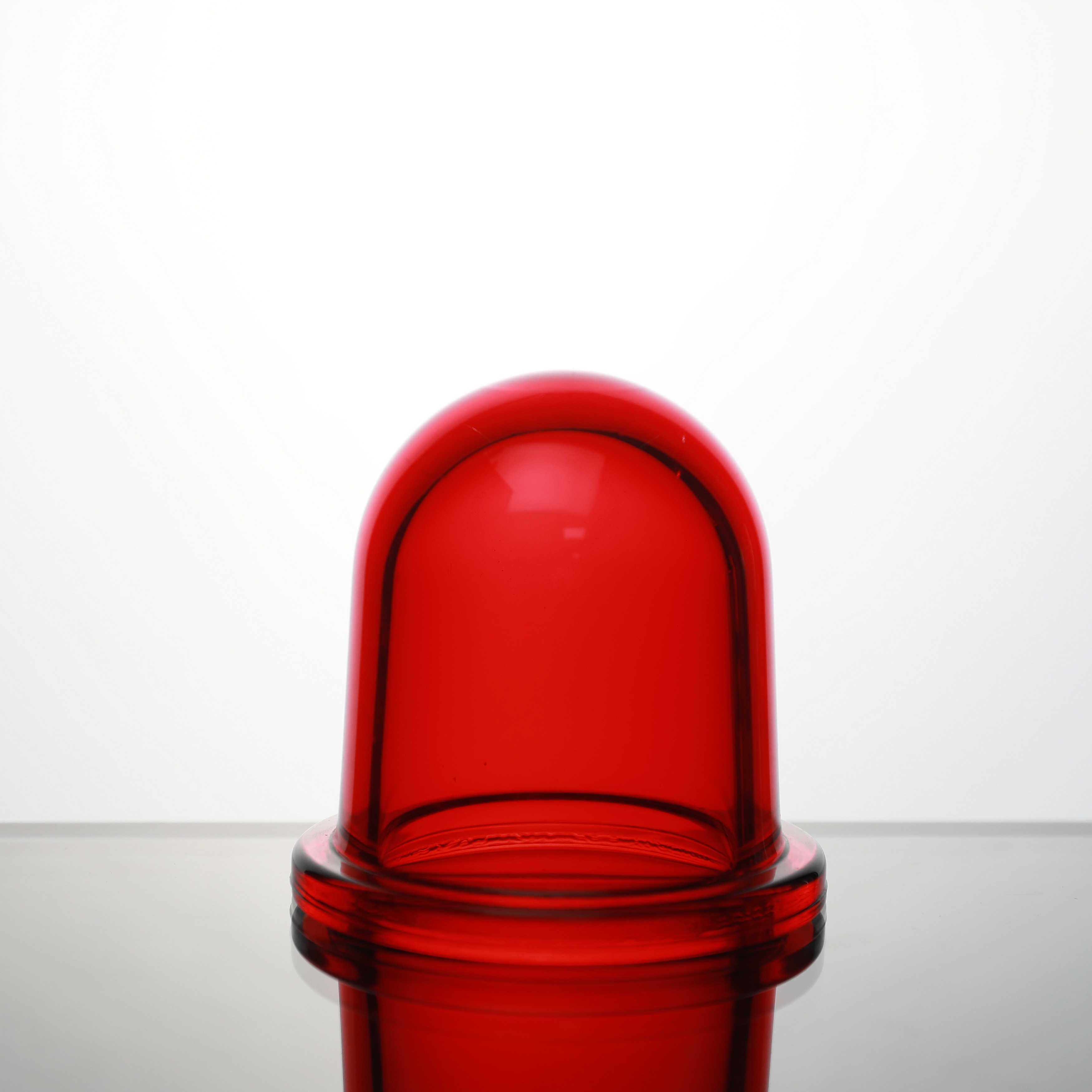
Custom Size Clear Borosilicate Explosion-Proof Antique Glass Light Covers Modern 2-Year Warranty Airport Outdoor Industrial
Clear borosilicate cover for explosion-proof and industrial luminaires, with custom size and sealing-face control.
View product details →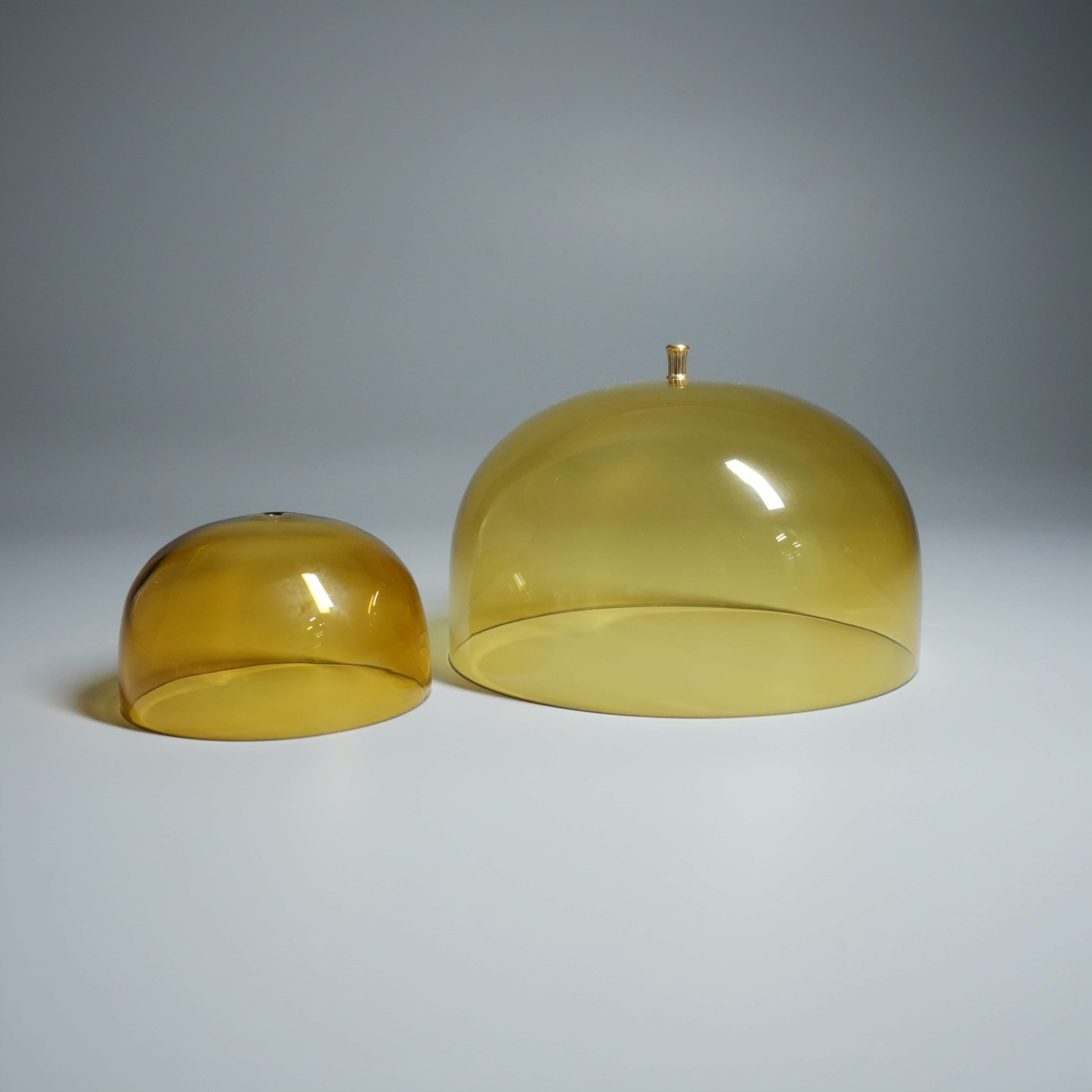
Certified Glass Cover for Food Machinery and Medical Equipment, Chemical Resistant
Chemical-resistant glass cover for food machinery and medical equipment where cleanability and material evidence matter.
View product details →CE Certification and Precision Optics: What Buyers Should Really Verify
For professional procurement, “CE certified optics” is not just a label question. It is a technical-file question, a material-traceability question and a change-control question.
CE marking is often misunderstood during the purchase of optical glass components. In the European Union, CE marking is normally a declaration by the manufacturer of the finished luminaire, instrument, machine or medical device that the assembled product meets the applicable directives. A bare borosilicate lens, glass dome, light guide rod or explosion-proof cover is generally a component, not an independently CE-marked product. The practical procurement question is therefore not simply “Is the glass CE certified?” but “Can this supplier provide the material, dimensional, thermal, optical and change-control evidence that our CE technical file requires?”
In a well-controlled precision optics supply chain, CE-ready support includes material identity and batch traceability for borosilicate 3.3, tempered soda-lime, fused quartz or BK7; dimensional reports against the approved drawing; annealing or tempering records; measured transmission or color coordinates; coating adhesion and durability data where anti-reflective or optical filter coatings are used; RoHS and REACH declarations where applicable; and a written change-control process. These records reduce sample loops and help the fixture maker demonstrate conformity for the final product. For hazardous-area fixtures, airport obstruction lights, marine signals, stage luminaires, LiDAR sensors or food and medical equipment, the risk profile is different, but the principle is the same: every critical characteristic must be identified, measured and traceable.
Shanghai Tambi Glass Industrial Co., Ltd. works as a drawing-based OEM/ODM partner. Engineers review wall thickness, draft angle, sealing faces, optical path, gasket compression and thermal gradients before a mold is cut. When a buyer requests a “CE certificate” for a glass cover, the most useful response is a technical conversation: which directive applies to the final fixture, which tests are performed on the assembly, which glass characteristics must be frozen after sample approval, and which inspection records should travel with each shipment. That is the information gain that separates a component vendor from a qualified manufacturing partner.
The strongest suppliers also help buyers avoid specification mistakes. A glass cover that is dimensionally correct but insufficiently annealed may pass incoming inspection and still fail after thermal cycling. A lens with high visible transmission can still underperform if the anti-reflective coating is not durable under UV, heat or humidity. A red signal dome can look correct in the sample room but shift color after a different glass batch. These are not sales details; they are total-cost-of-ownership issues for any OEM building repeatable, CE-ready products.
Which Precision Glass Part Fits Which Lighting or Sensing Duty?
Use application conditions — not catalog photographs — to select glass grade, forming method and coating. These recommendations reflect the way professional buyers evaluate risk.
High-Power LED & Stage Fixtures
Specify borosilicate 3.3 Fresnel lenses, convex lenses or domes with optional anti-reflective coating. The low coefficient of thermal expansion helps resist thermal shock from intense LED modules and sudden cooling. Define beam angle, transmission at the working waveband and coating durability rather than accepting vague “high transmission” claims.
Explosion-Proof & Industrial Covers
Thick-wall annealed borosilicate covers are suitable for oil and gas, chemical plants, mines and dusty workshops. Control wall thickness, flange flatness, gasket land and impact resistance. The goal is not maximum weight; it is predictable performance under heat, pressure, vibration, washdown and accidental impact.
Aviation, Marine & Signal Lights
Use pressed or tempered red and clear domes with stable color coordinates, salt-spray resistance and repeatable dimensions. The luminaire maker usually owns FAA L-810, EN 50293 or other fixture certification; the glass supplier should match optical and dimensional specifications and provide material and inspection reports on request.
LiDAR, Laboratory, Medical & Horticulture
For LiDAR domes, bandpass filters, light guide rods, food and medical covers or grow-light convex lenses, clarify wavelength range, chemical exposure, cleaning method, coating durability and cleanliness level. BK7, fused quartz and borosilicate each solve a different optical or thermal problem; the lowest-cost material may not meet the technical file.
How Precision Optics Procurement Is Changing
Buyers are moving from piece-price comparison toward evidence, resilience and total optical value. These trends are especially visible in lighting, mobility, sensing and medical-equipment supply chains.
1. Evidence-Led Supplier Consolidation
Procurement teams are reducing the number of vendors that cannot supply drawing control, first-article inspection, coating data, thermal-shock records and audit access. A missing report can delay a CE technical file, a customer approval or a shipment release. The lowest piece price is no longer the lowest total cost when documentation gaps stop production.
2. Performance-Based Purchasing
RFQs increasingly define transmission at a specific waveband, color coordinates, impact class, thermal-cycling requirements, gasket compression and surface quality instead of only dimensions. This shifts value toward manufacturers that control glass batch, mold wear, annealing, tempering and coating repeatability. Suppliers must be able to explain how each process affects the final optical result.
3. Supply Resilience and Flexible MOQ
Dual sourcing, regional inventory, faster prototypes and smaller launch batches are becoming standard risk controls. A manufacturer that can coordinate pressed, blown, ground and coated parts within one supply chain reduces handoff risk. Buyers also expect fast technical replies, clear sample schedules and export packing that protects fragile glass from dock to destination.
Where Precision Optical Glass Is Heading Next
The next generation of fixtures and instruments demands more light, more sensing capability and more documented reliability from a smaller glass envelope.
Thermal Miniaturization
High-power COB lighting, compact LiDAR modules and automotive lighting are pushing more flux into smaller spaces. Glass components must combine low thermal expansion, controlled wall thickness, effective annealing and stable optical surfaces. Designers are using simulation and prototype testing earlier to avoid stress cracking and beam drift in the field.
Spectral and Coating Intelligence
Anti-reflective, bandpass, dichroic and color-filter requirements are becoming more data-rich. Buyers want transmission curves, color tolerance, coating adhesion and durability under heat, humidity and UV. Horticulture lighting and signal lighting both depend on spectrum stability, but for different reasons: crop performance in one case, safety and recognition in the other.
Sustainable Compliance and Traceability
RoHS, REACH, recyclability, energy-efficient annealing and packaging-waste reduction are entering sourcing discussions. Glass is inherently recyclable, but a credible sustainability story also requires lower reject rates, controlled coating processes and batch traceability. In the future, material passports and design-for-disassembly data may become part of normal RFQ packages.
Engineering Support from Shanghai Tambi Glass Industrial Co., Ltd.
A manufacturer and trading company built around one practical question: how should glass perform inside a real luminaire, instrument or industrial assembly?
Shanghai Tambi Glass Industrial Co., Ltd. supplies custom borosilicate and optical glass components to lighting and optical OEMs worldwide. More than a decade of experience covers heat build-up behind high-power LEDs, thermal shock from rain on hot covers, impact loads in hazardous areas, color accuracy for signal lights and cleanliness requirements for medical and food equipment. The team is 11–50 people, the business type is manufacturer and trading company, annual export revenue is in the US$2.5M–5M range, and the average technical response time is within 6 hours.

Production workshop: drawing-based glass manufacturing and process coordination.

Forming and finishing line: pressed, blown and ground glass capability.

Inspection: dimensional, visual and optical checks before export packing.
Drawing-Based DFM & Mold Strategy
Senior lighting and molding engineers review wall thickness, draft, sealing faces, optical path alignment and gasket compression before tooling. Existing molds may be used where practical; new molds are evaluated against annual volume and launch timing.
Material & Process Matching
Borosilicate 3.3, tempered soda-lime, fused quartz and BK7 are matched to temperature, impact, transmission and chemical-resistance requirements. Pressing, blowing, grinding, annealing, tempering and coating can be combined under one supply chain.
Optical Coating & Inspection
Anti-reflective, color and optical filter coatings are reviewed against the working waveband. Dimensional reports, visual inspection, transmission or color data and material declarations can be prepared on request to reduce approval friction.
Verification & Audit Transparency
The company has been onsite-verified and publishes supplier assessment, credit index, transaction level, trade capacity, trade history and buyer feedback. Procurement teams can review these records before requesting samples or a formal supplier audit.
Export Packing & Distributor Support
Fragile glass parts are separated by foam or pulp dividers, packed in reinforced export cartons and palletized for sea or air freight. Custom packaging and labeling can be arranged for distributors and private-label programmes.
Responsive Sampling & Communication
Average response time is within 6 hours. Send a drawing, target volume, operating temperature and any certification context; the team will review manufacturability, propose a sample route and confirm the commercial path before mass production.
How to Choose the Right Glass Material for Precision Optics
Selecting the correct glass early avoids cracked covers, coating failures, color drift and costly field returns. The table below reflects the comparison logic used in professional drawing reviews.
| Material | Thermal expansion (×10⁻⁶/K) | Typical max. working temp. | Key strength | Best for |
|---|---|---|---|---|
| Borosilicate 3.3 | ≈ 3.3 | ≈ 450 °C | Excellent thermal-shock resistance | Explosion-proof covers, high-power LED covers, Fresnel lenses, heat-resistant domes |
| Tempered soda-lime | ≈ 9.0 | ≈ 250 °C | High impact strength and economical cost | Outdoor covers, floodlight glass, vandal-resistant lenses, signal light covers |
| Fused quartz | ≈ 0.55 | ≈ 1000 °C+ | UV transmission and extreme heat resistance | UV optics, high-temperature windows, laboratory components |
| Optical BK7 / H-K9L | ≈ 7.1 | ≈ 300 °C | Homogeneous optical properties, nd ≈ 1.517 | Precision lenses, prisms, mirrors, optical filters |
Values are typical references. Final specification should be confirmed against your drawing, lamp surface temperature, impact rating, cleaning chemicals, coating requirement and the standard your finished fixture must meet.
Where Precision Optical Glass Performs
Every application stresses glass differently. The material and process should be specified from operating conditions, not from a catalog photograph.
Airport & Aviation
Obstruction, runway-edge and in-pavement light lenses with stable red and clear transmission.
Marine & Offshore
Handblown and pressed covers for navigation and ship signal lights exposed to salt spray.
Oil, Gas & Chemical
Explosion-proof lampshades and emergency-light enclosures for hazardous and corrosive zones.
Stage & Entertainment
Fresnel, prism and effect lenses that survive the heat of high-power COB modules.
Automotive & Outdoor LED
Projection lenses, IP-rated lenses and reflectors for headlights, floodlights and street lighting.
LiDAR & Scientific
Pressure-rated domes, hemispherical windows, prisms and bandpass filters for sensing systems.
Food & Medical Equipment
Chemically resistant sight glasses and covers for machinery that is washed down frequently.
Horticulture Lighting
AR-coated convex lenses that keep full-spectrum LED output efficient in indoor farms.
A Controlled OEM Process for Custom Precision Optics
Clear checkpoints reduce surprises between sample approval and mass production, especially when glass components must support a fixture-level technical file.
Drawing Review
DFM check of thickness, draft, tolerance, sealing face, optical path and operating temperature.
Mold & Tooling
New or existing molds for pressing, blowing or grinding, selected against volume and geometry.
Sampling
Samples measured and sent for fit, light, gasket and thermal evaluation before approval.
Forming & Annealing
Controlled annealing or tempering to relieve stress and stabilize optical and mechanical performance.
Coating & QC
AR or color coating, dimensional and visual inspection, with reports available on request.
Export Packing
Divider-packed cartons, palletization and labeling for sea or air freight and distributor stock.
Questions Buyers Ask a Precision Optics Manufacturer
Clear answers reduce sourcing risk. For anything not covered here, send a drawing or sample and the application conditions.
Does CE certification apply to every glass lens or dome?
Usually no. CE marking is normally attached to the finished luminaire, instrument or machine. A bare glass component is part of that conformity story. We support CE-ready sourcing with material identity, dimensional reports, optical data, process records and change-control information that can be used in your technical file.
Can you manufacture glass covers and lenses to my own drawing?
Yes. Most orders are drawing-based. Send a 2D/3D drawing or physical sample with dimensions, tolerance, material, color, coating and operating temperature. Engineers review manufacturability, propose mold options and confirm samples before mass production.
What is the typical minimum order quantity?
Typical MOQs range from about 50 pieces for optical lenses to 100–500 pieces for pressed or blown lighting covers, depending on whether an existing mold can be used. Sample quantities are available for evaluation before a production commitment.
Should I choose borosilicate 3.3 or tempered soda-lime glass?
Borosilicate 3.3 has low thermal expansion and resists high lamp temperatures plus sudden cooling. Tempered soda-lime glass provides high impact strength at lower cost for moderate temperatures. The right choice depends on surface temperature, impact rating, fixture certification and cleaning conditions.
Do you supply glass for FAA L-810 or EN 50293 lighting fixtures?
We produce glass lenses and domes for fixture makers whose obstruction and signal lights are designed to FAA L-810, EN 50293 or similar requirements. The luminaire manufacturer normally holds fixture certification; we match color, transmission and dimensional specifications and can provide material and inspection reports on request.
How do you control optical transmission and color?
Control starts with glass grade and batch, then continues through forming, annealing and coating. Depending on the project, we can check dimensions, visual defects, transmission or color coordinates and coating condition. Define the working waveband and acceptance tolerance early so the sample and mass production use the same measurement logic.
How are fragile glass parts packed for export?
Parts are separated by foam or pulp dividers, packed in reinforced export cartons and palletized for sea or air freight. Custom packaging and labeling for distributors can be arranged. For high-value optics, agree the packaging validation method before the first shipment.
How fast do you reply to technical inquiries?
Average response time is within 6 hours. Email info@tambiglass.com with your drawing, annual volume, operating temperature, target transmission and any certification context for a technical and commercial review.
How is change control handled after sample approval?
After approval, the drawing, glass grade, coating specification, annealing or tempering condition and inspection criteria should be frozen. Any proposed change to material source, mold, process or coating should be communicated for approval before shipment. Batch traceability and inspection records support this discipline.
Send Your Drawing. Get a Manufacturability and CE-Evidence Review.
Share dimensions, glass preference, operating temperature, target transmission, annual volume and any fixture-level certification context. Our team will review the part, suggest the most reliable material and process route, and outline the sample path within the normal 6-hour response window.