Eight Glass Components for CE-Marked Lighting and Optical Systems
The phrase CE Certified Glass Components Suppliers & Exporters usually signals a procurement team working on a finished luminaire, camera housing or optical assembly. The buyer needs more than a glass catalogue: they need a supplier who can connect drawing tolerance, material choice, optical performance, gasket sealing and documentation. The eight references below cover the product families most often requested by lighting, aviation, marine, hazardous-area and sensing OEMs.

Precision BK7/K9 Aspherical Lens
Anti-reflective coating, 0.5–25 mm diameter, MOQ 100 pcs. Suitable for compact LED, sensing and instrument optical paths.
View product →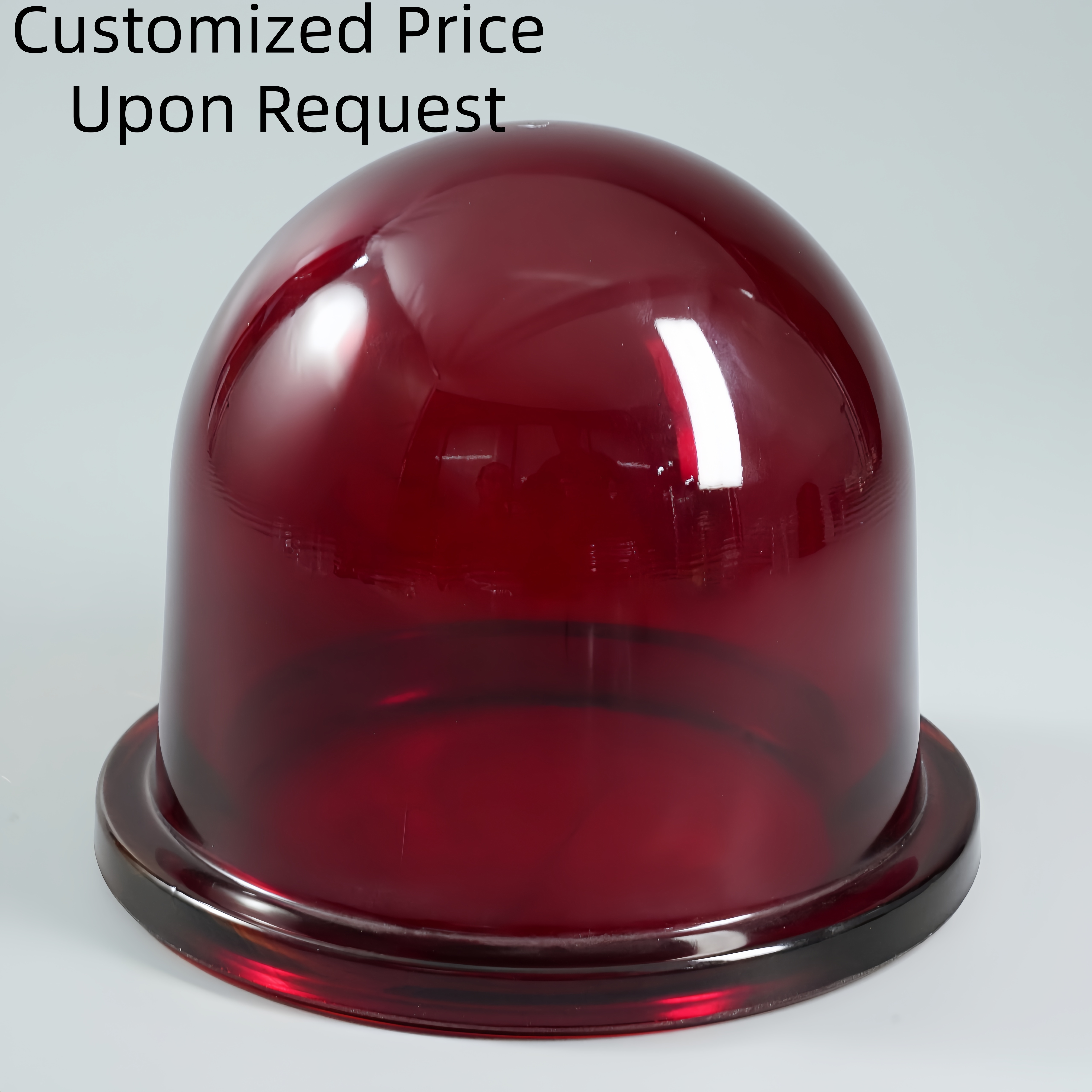
High-Temperature Pressed Glass Shade
Explosion-proof and crack-proof design for outdoor street-light fixtures; custom thickness, profile and light distribution.
View product →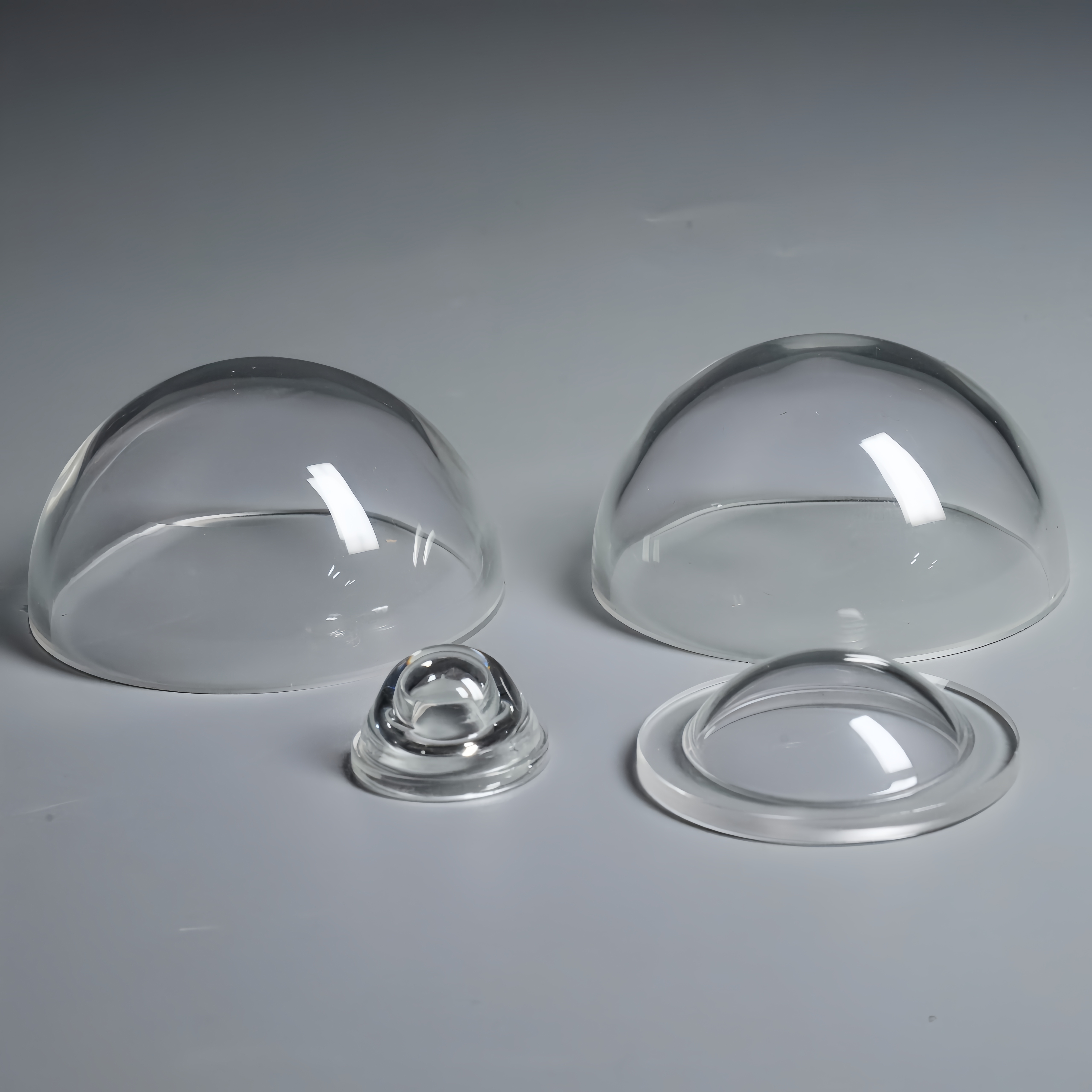
High-Pressure Borosilicate Optical Dome
Deep-sea rated dome for ROV/AUV camera housings and submersible lights; pressure and optical requirements reviewed at drawing stage.
View product →
175 mm Borosilicate Fresnel Lens
AR-coated double plano-convex Fresnel lens, OEM shape and size. Designed for high-power stage and studio lighting modules.
View product →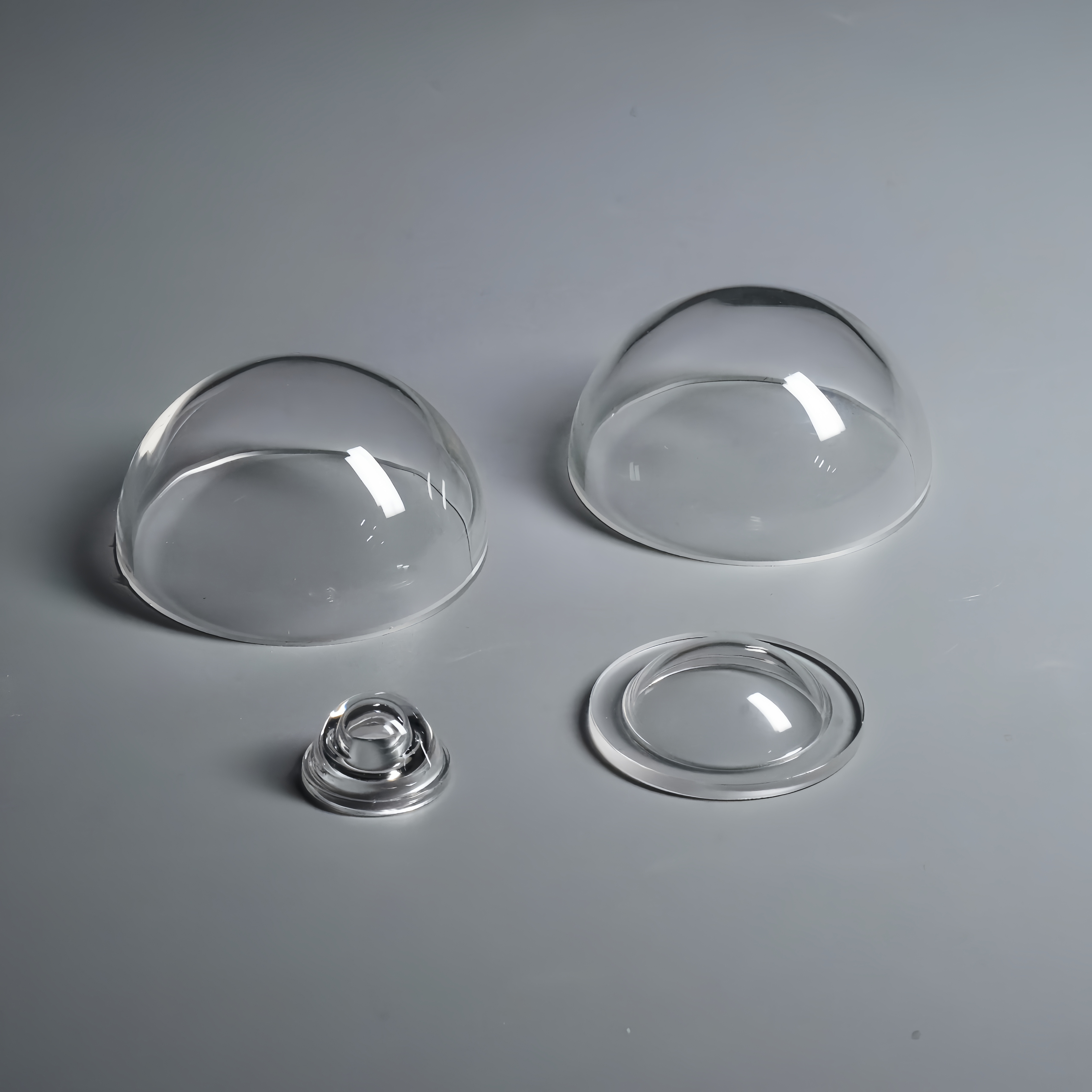
K9 Optical Dome Headlight Lens
Mould-pressed clear K9 dome with anti-reflective coating; custom headlight glass for lighting OEM/ODM projects.
View product →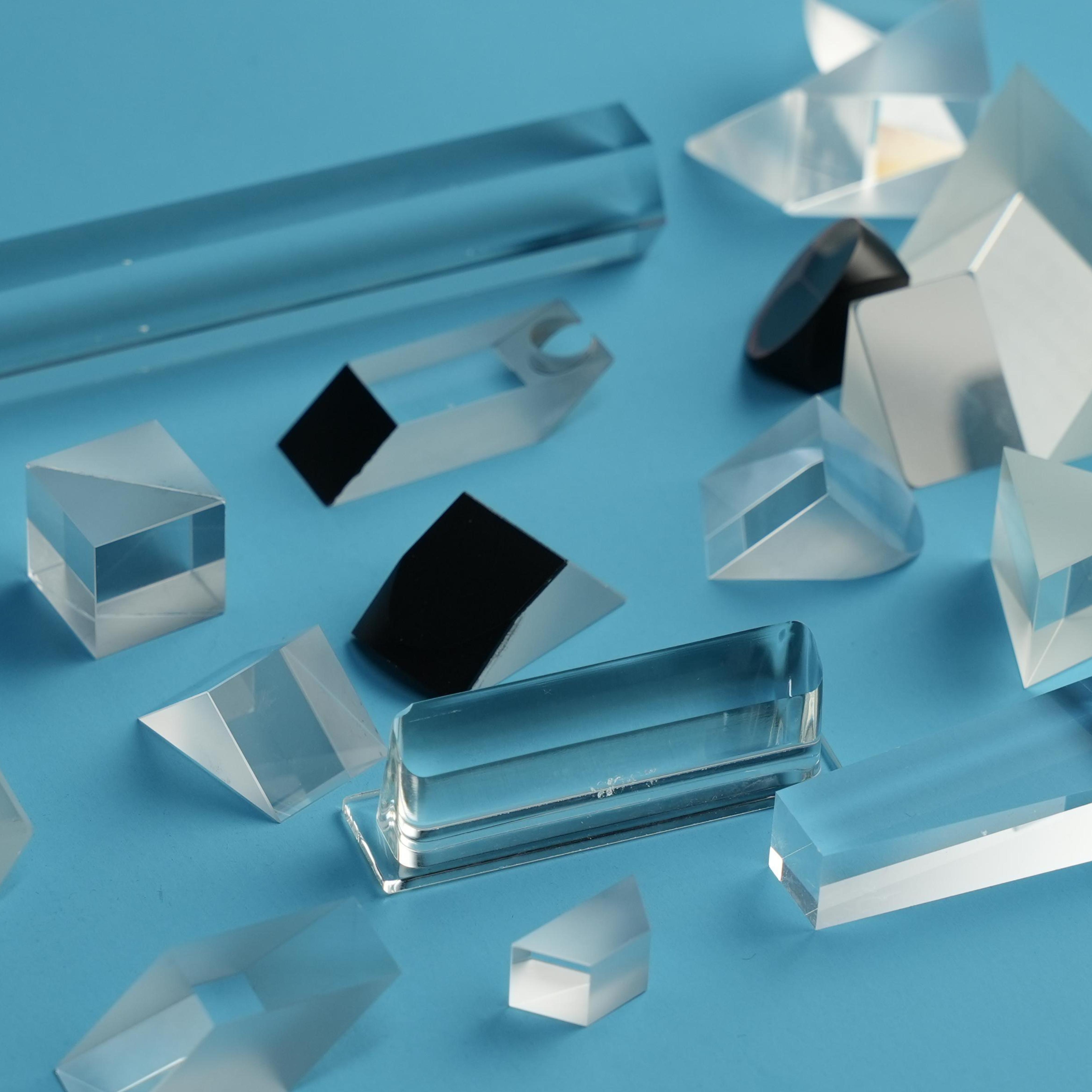
High-Precision Right-Angle Prism
Quartz, BK7, K9 and fused silica options; AR-coated 90-degree prism with ODM/OEM dimensional customization.
View product →
Pressed Borosilicate Headlight Glass Cover
Custom size and shape, heat-resistant high borosilicate glass; suitable for LED headlight and projection lighting enclosures.
View product →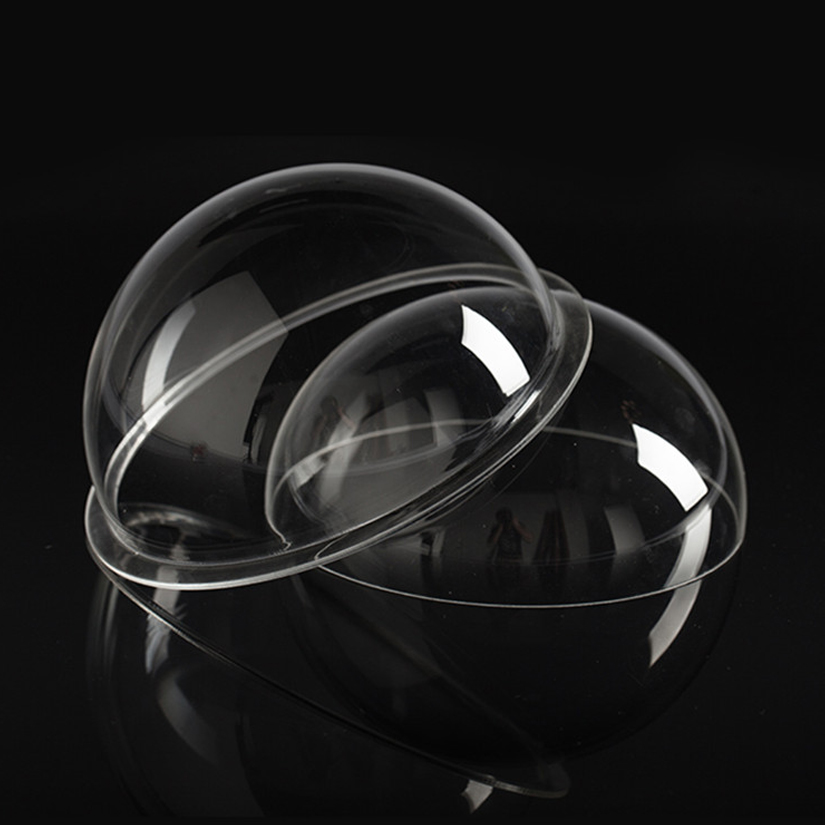
Borosilicate Optical Dome for IP Cameras
UV-resistant, waterproof housing dome with anti-reflective coating; OEM dimensions for outdoor surveillance cameras.
View product →What “CE Certified Glass Components” Really Means for Buyers
CE marking is often misunderstood in component sourcing. For a passive glass lens, dome, shade or prism, CE marking typically sits with the finished product—the luminaire, camera housing, instrument or machine—not with the bare glass part. A responsible supplier therefore speaks in terms of component evidence rather than an isolated certificate.
That evidence normally includes glass type, batch traceability, dimensional report, coating specification, visual inspection record, packing method and, where relevant, material declarations for the glass and coating system. When a buyer searches for CE Certified Glass Components Suppliers & Exporters, the practical intent is usually: “Can this supplier help us keep our CE-marked product defensible?” The answer depends on how well the glass supplier understands the fixture—not only the glass.
This distinction matters because standards such as EN IEC 60598, IP ratings, thermal shock, impact resistance and hazardous-area design requirements are system-level issues. The glass must match gasket compression, reflector geometry, lamp surface temperature, installation angle and the environment of use. A supplier with real production experience will ask for the drawing, operating temperature, annual volume and applicable test standard before quoting. That engineering conversation is the first real indicator of supplier quality.
Four documents procurement teams should request
1. Drawing and DFM review: wall thickness, draft angle, sealing face flatness, optical path alignment and realistic tolerance.
2. Material and coating declaration: borosilicate 3.3, tempered soda-lime, fused quartz or BK7/K9; AR coating specification; RoHS/REACH information where required.
3. Dimensional and optical inspection: critical dimensions, visual defects, transmission or coating targets, and sample approval record.
4. Traceability and export packing: batch identification, carton labeling, divider protection and palletization suitable for fragile glass.
How to Choose the Right Glass Material
Early material selection prevents cracked covers, coating failure and costly field returns. This is the comparison our engineers use when reviewing new drawings.
| Material | Thermal expansion (×10⁻⁶/K) | Typical max. working temp. | Key strength | Best for |
|---|---|---|---|---|
| Borosilicate 3.3 | ≈ 3.3 | ≈ 450 °C | Excellent thermal-shock resistance | Explosion-proof shades, high-power LED covers, Fresnel lenses |
| Tempered soda-lime | ≈ 9.0 | ≈ 250 °C | High impact strength, economical | Outdoor covers, floodlight glass, vandal-resistant lenses |
| Fused quartz | ≈ 0.55 | ≈ 1000 °C+ | UV transmission, extreme heat | UV optics, high-temperature windows |
| Optical BK7 / K9 | ≈ 7.1 | ≈ 300 °C | Homogeneous, nd ≈ 1.517 | Precision lenses, prisms, mirrors, filters |
Values are typical references for early selection. Final specification is confirmed against your drawing, lamp surface temperature, impact rating, coating requirement and the standard your finished fixture must meet.
Six Procurement Trends Shaping Glass Component Sourcing
Buying behaviour in lighting and optical hardware is moving from lowest-piece-price purchasing toward risk-controlled, documentation-led sourcing.
Compliance-first sourcing
Procurement teams now ask for drawing review, material declarations, inspection records and packing specifications before comparing piece price. The glass part is evaluated as part of the finished product’s technical file.
China engineering depth plus regional inventory
Buyers continue to use Chinese custom-glass manufacturing for tooling and engineering flexibility, while planning buffer stock or regional warehousing for fast-moving fixtures. The supplier must therefore be strong in both production and export discipline.
Faster sampling and lower entry barriers
Product lifecycles are shorter in LED and sensing markets. Suppliers who can review a drawing quickly, propose an existing mould or a practical new tool, and ship evaluation samples win more programmes.
Batch-level traceability
Purchase managers increasingly want to trace a shipment back to forming, annealing, coating and inspection records. This is especially important for aviation, marine, hazardous-area and safety-related lighting.
Optical performance as a system KPI
Lens buyers are moving beyond diameter and thickness. They compare transmission, coating reflection, beam control, surface quality and alignment with the LED or sensor. Glass is now specified by output, not only by shape.
Packaging efficiency and damage reduction
Fragile glass still has a high cost of failure. Foam or pulp dividers, reinforced cartons, palletization and clear labeling are becoming part of supplier evaluation, not an afterthought.
Where Lighting and Optical Glass Is Heading
Glass components are being asked to do more inside smaller, hotter and more integrated fixtures. These six development directions are visible across real OEM enquiries.
Thinner, stronger borosilicate for high-power LEDs
Higher lumen density pushes covers and lenses closer to the light source. Borosilicate 3.3 remains attractive because low thermal expansion helps resist rain contact and thermal cycling.
AR-coated domes for LiDAR and robotics
Sensing systems need windows that protect the optical path without creating ghost reflections. Broadband AR-coated hemispherical domes are becoming a standard request for outdoor robots and smart infrastructure.
Integrated optical functions
Fresnel structures, prisms, filters and aspherical surfaces are being combined with mechanical glass shapes. This reduces assembly steps and improves alignment repeatability in LED modules.
Pressed-to-finish near-net shapes
Precision pressing reduces grinding time and material waste for covers and lenses. The commercial benefit is stronger when the drawing is reviewed early and the optical surface is designed for moulding.
UV-resistant materials for outdoor imaging
IP camera domes and outdoor sensor windows must resist sunlight, cleaning chemicals and temperature swings. Material selection and coating durability are becoming as important as initial transmission.
Sealing interfaces for IP68 and hazardous areas
Glass performance depends on how it meets the gasket and housing. Suppliers are increasingly expected to review sealing faces, edge quality, chamfer design and assembly tolerance—not only the glass profile.
Why Tambi Glass Is a Practical Partner for CE-Marked Fixtures
Shanghai Tambi Glass Industrial Co., Ltd. is a manufacturer and trading company focused on lighting and optical glass, with more than ten years of experience serving OEM buyers in Europe, North America and Japan.



Based in Shanghai, the company operates with an 11–50 person team and reports annual export revenue in the US$2.5M–5M range. It has been onsite-verified as a supplier and works through a drawing-based OEM/ODM model: senior lighting and mould engineers review wall thickness, draft, sealing faces and optical path alignment before tooling starts. Pressed, blown, ground and coated processes are coordinated through one supply chain—useful when a single fixture needs a heat-resistant cover, an AR-coated lens and a precision prism.
Typical applications include explosion-proof shades for oil, gas and chemical environments; airport obstruction and runway signal glass; marine signal covers; stage and entertainment Fresnel lenses; LiDAR and scientific instrument windows; automotive and outdoor LED lenses; and outdoor IP camera domes. For procurement teams, the practical value is engineering review before mould-making, a ≤6-hour average response target, and export packing that protects fragile glass through sea or air freight.
Engineering-led DFM review
Drawings are checked for mouldability, sealing, optical alignment and realistic tolerance before quotation. This reduces late drawing changes and sample iterations.
One controlled supply chain
Borosilicate, tempered glass, quartz, BK7/K9, pressing, blowing, grinding, polishing and AR coating can be coordinated for mixed-glass assemblies.
Auditable supplier records
Onsite verification, credit and transaction records, inspection procedures and export documentation help procurement teams complete supplier qualification faster.
A Controlled Six-Step OEM Process
Clear checkpoints reduce surprises between sample approval and mass production.
Drawing review
DFM check of thickness, draft, tolerance, sealing face and optical path.
Mould and tooling
New or existing moulds for pressing, blowing or grinding, selected around volume and geometry.
Sampling
Prototype samples are measured against critical dimensions and sent for fit, light and sealing tests.
Forming and annealing
Controlled forming, annealing or tempering to relieve stress and support thermal-shock performance.
Coating and QC
AR or colour coating, dimensional inspection and visual defect review before packing.
Export packing
Foam or pulp dividers, reinforced cartons and palletization for sea or air freight.
Questions Procurement Teams Ask Before Ordering
These answers are written for technical buyers comparing glass component suppliers and exporters, not for consumers purchasing finished light fittings.
Can you manufacture glass components to my drawing?
Yes. Most orders are drawing-based. Send a 2D/3D drawing or a physical sample with dimensions, tolerance, material, colour and coating requirements. Engineers review manufacturability, propose mould options and confirm samples before mass production.
Does a glass component receive CE marking on its own?
Usually no. CE marking applies to the finished luminaire, machine or device. For a passive glass part, the supplier’s role is to provide consistent material, dimensional and inspection evidence that supports the finished-product manufacturer’s technical file and declaration.
What documentation can support our CE technical file?
Depending on the project, the supplier can provide material type, batch identification, dimensional inspection records, coating specification, visual inspection notes and packing records. Material declarations for RoHS/REACH can be discussed for the glass and coating system.
What is the typical minimum order quantity?
Typical MOQs range from about 50 pieces for optical lenses to 100–500 pieces for pressed or blown lighting covers, depending on whether an existing mould can be used. Sample quantities are normally available for evaluation.
Which glass material should we choose for high-power outdoor lighting?
Borosilicate 3.3 is often selected where high lamp temperature and rain contact create thermal-shock risk. Tempered soda-lime can be cost-effective where impact strength matters more than extreme temperature. Fused quartz and BK7/K9 are selected for UV or precision optical requirements.
How are fragile glass parts protected during export?
Parts are separated by foam or pulp dividers, packed in reinforced export cartons and palletized for sea or air freight. Custom packaging and labeling for distributors can be arranged, with inspection before shipment.
Have a Drawing? Get an Engineering Review Before You Commit to Tooling.
Share your dimensions, material preference, operating temperature, annual volume and any CE technical-file requirements. The review will identify the most practical glass route—pressed, blown, ground or coated—and the documentation needed for your fixture programme.
Technical enquiries: info@tambiglass.com