Eight Custom Glass Products for Industrial Lighting, Laser Optics and Signal Applications
These are not catalogue-only parts. Each product family can be adapted in dimension, glass type, edge finish, coating, colour and packing to suit your fixture, optical path or sensing assembly. The links below preserve the original product detail pages for technical review.
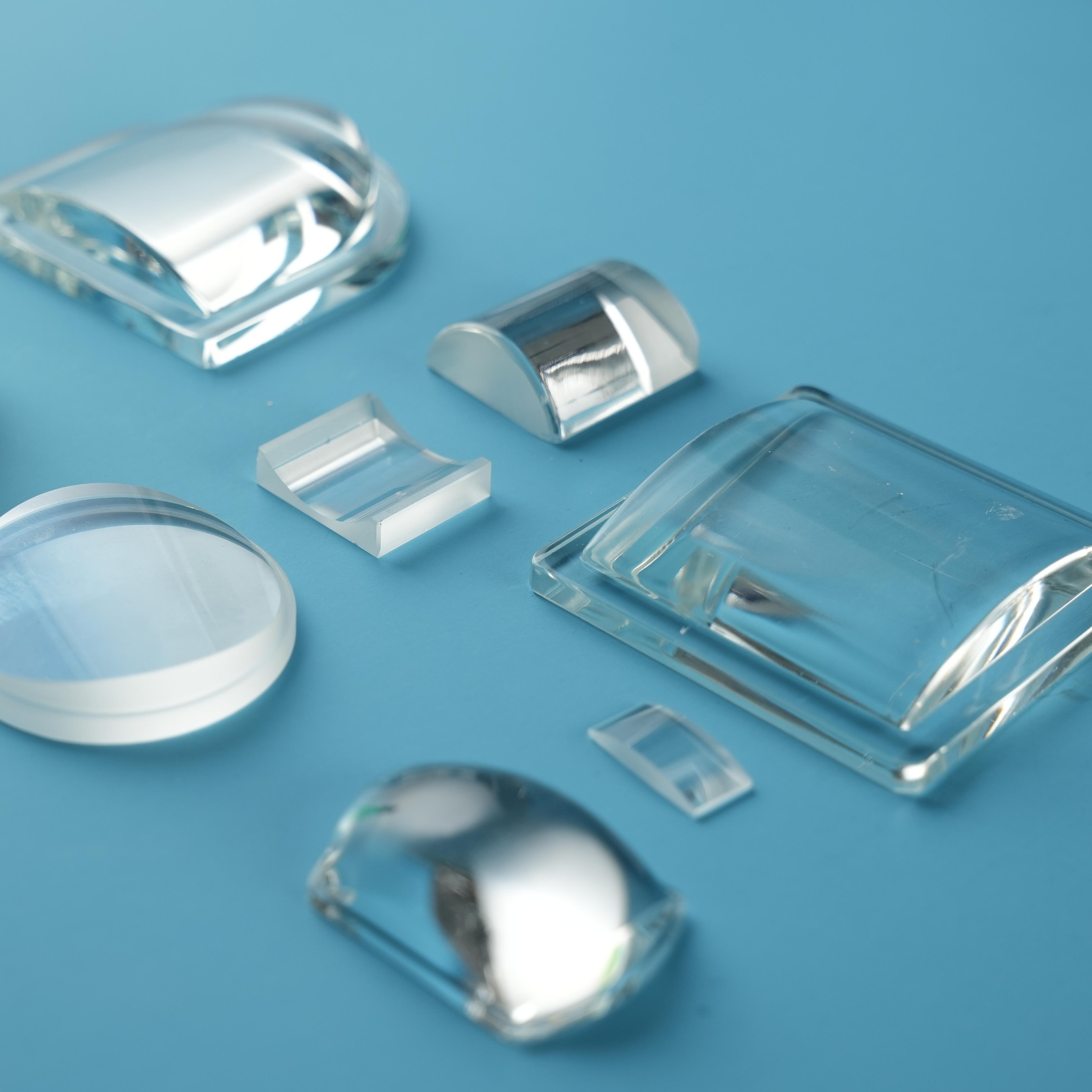
Manufacturer Custom OEM Anti-Reflective Laser Glass Optical Borosilicate UVC Plano Convex Cylindrical Biconvex Lens
For laser delivery, UV-C equipment and precision illumination where coating durability and lens geometry affect throughput.
- AR coating options and optical glass grades
- Drawing-based plano, cylindrical and biconvex forms
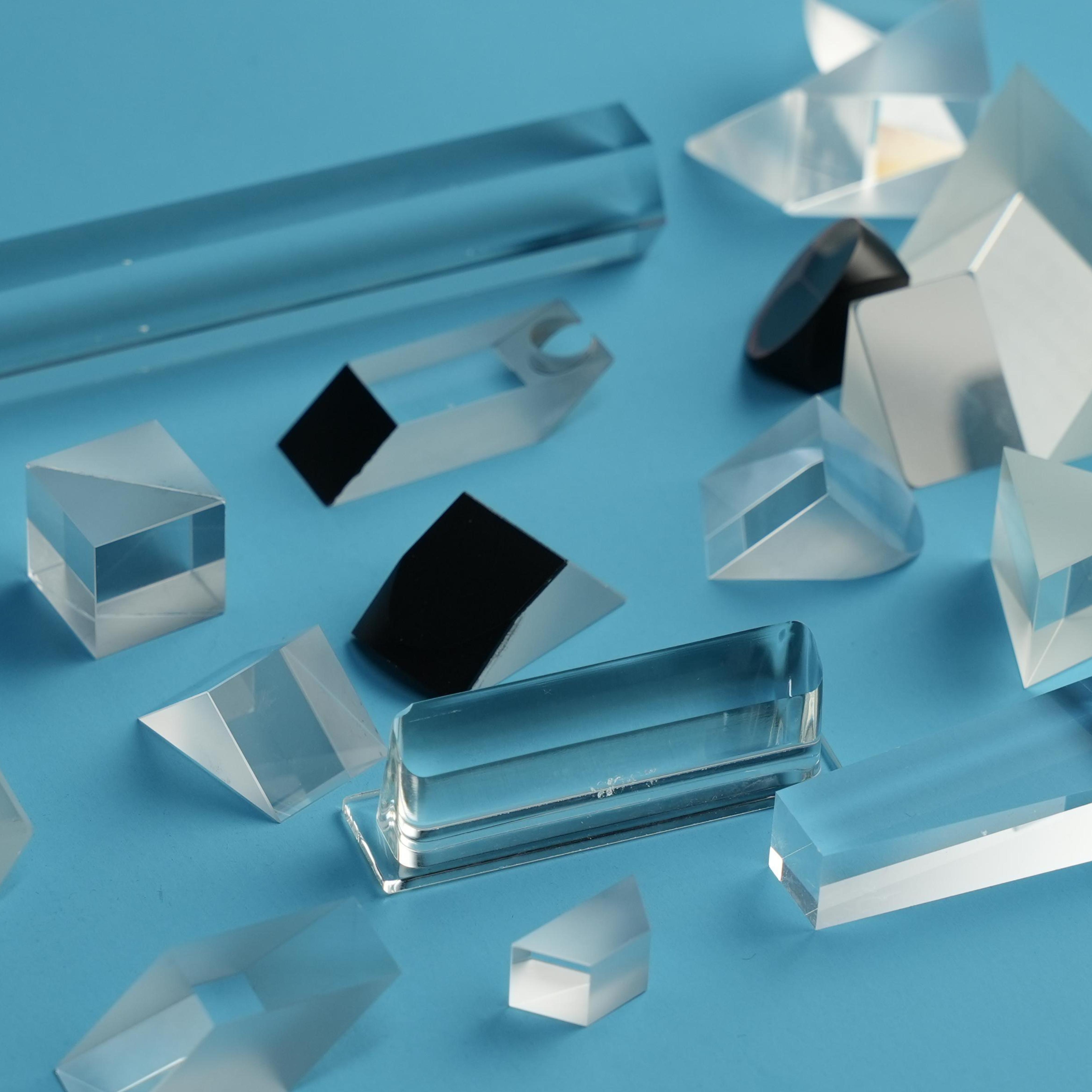
Factory Custom BO-GLASS Quartz BK7 K9 ARCoated Fused Silica High Precision Right Angle Prism 90 Degree ODM/OEM
Right-angle prisms for beam steering, folding and instrument assemblies that need clean surfaces and stable angles.
- Borosilicate, BK7, K9 and fused silica options
- AR coating, chamfer and tolerance review
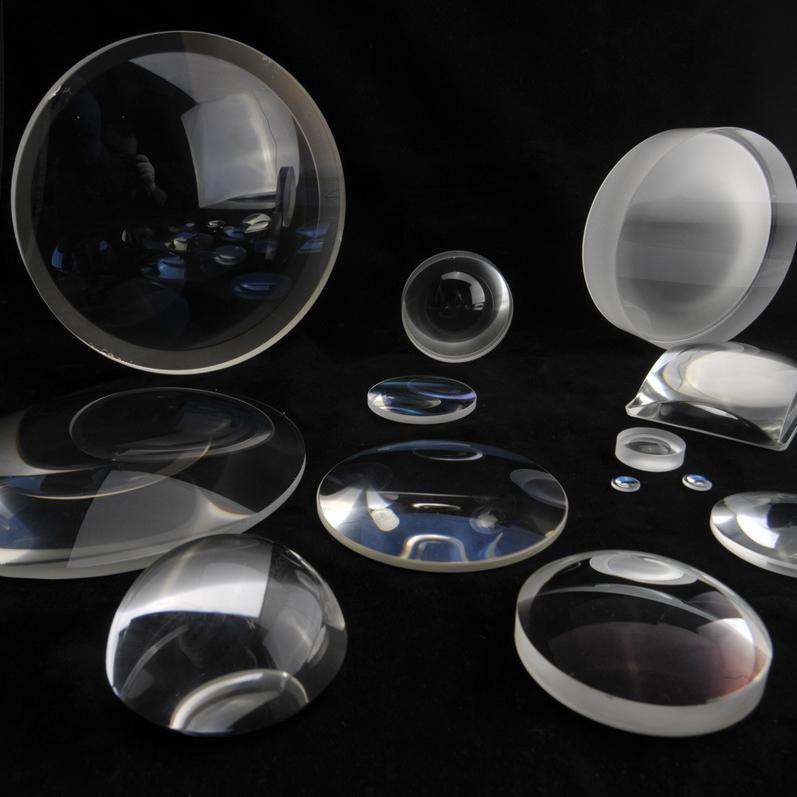
Custom High Quality Diameter 80mm 127mm 250mm Spherical K9 Optical Coating Glass Plano Convex Lens for Big Magnifying
Large plano-convex lenses for magnifying, projection and optical instruments where diameter, focal length and coating must be controlled together.
- K9 and equivalent optical glass
- Custom diameter, focal length and coating
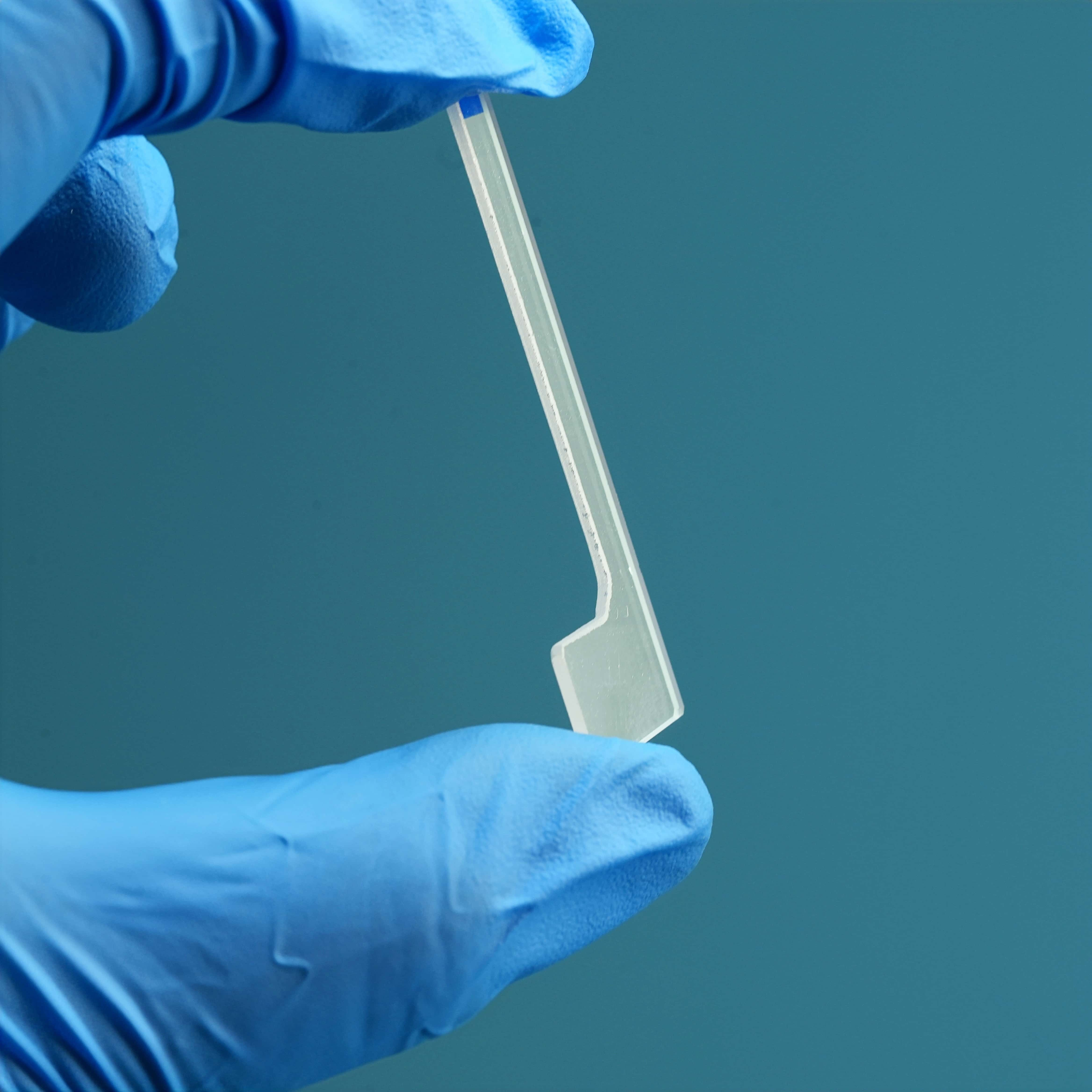
Anamorphic Prism Pair for Laser Beam Shaping Circularizing Elliptical Beams for Fiber Coupling Applications
For fibre coupling and laser systems that require elliptical-beam correction with repeatable optical alignment.
- Prism pair configuration and coating review
- Useful for laser diode and fibre-coupling modules

Custom OEM BO Glass Clear Borosilicate K9 BK7 B270 Fused Silica Anti-Reflective Coated Square Optical Window 50mm
Protective and transmissive windows for sensors, lamps and instruments where sealing, flatness and coating matter.
- Borosilicate, BK7, B270 and fused silica
- AR coating and edge-finish options
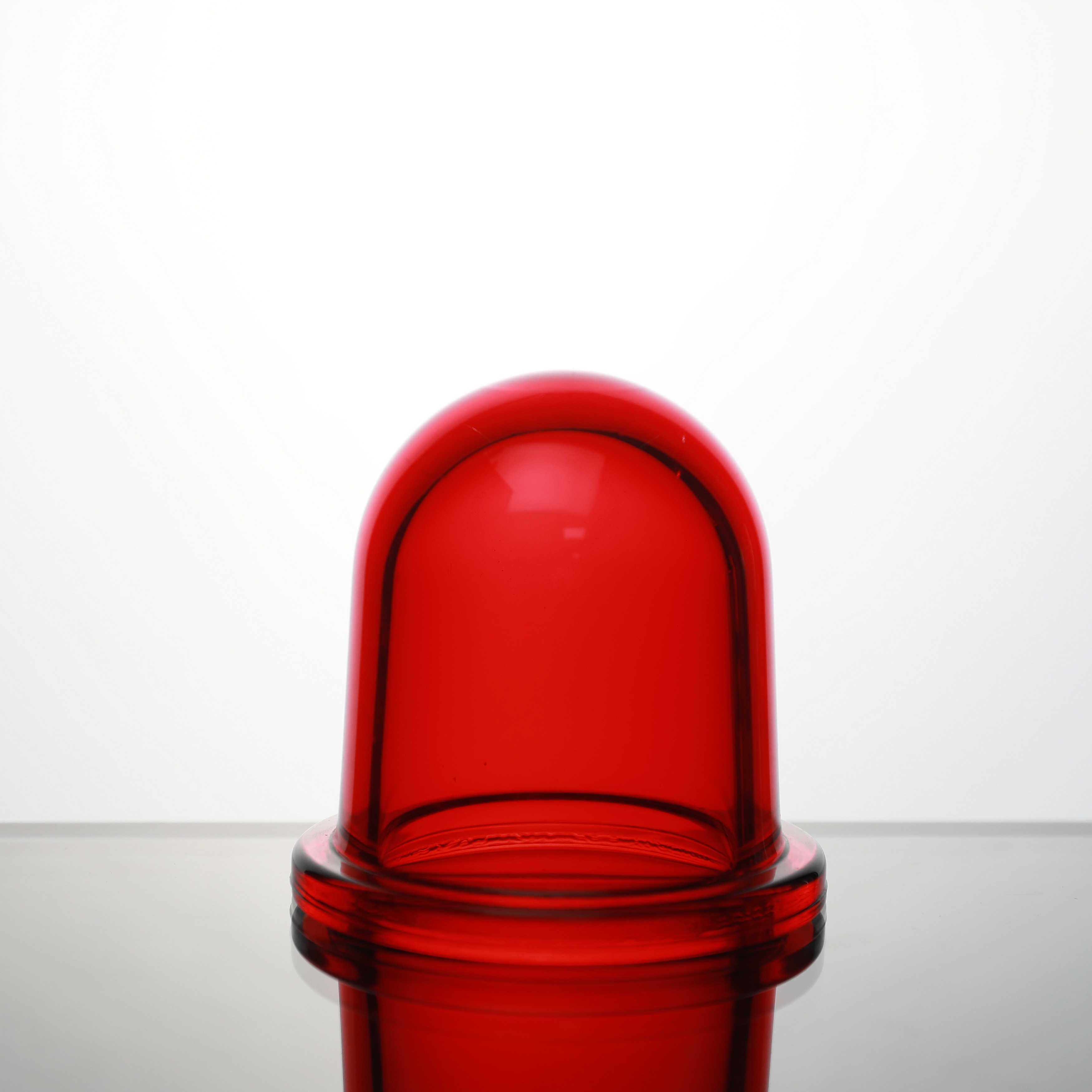
Custom Size Clear Borosilicate Explosion-Proof Antique Glass Light Covers Modern 2-Year Warranty Airport Outdoor Industrial
Thick-wall borosilicate covers for industrial, airport and outdoor fixtures exposed to thermal shock and impact risk.
- Thermal-shock-resistant borosilicate 3.3
- Custom shape, thickness and sealing face
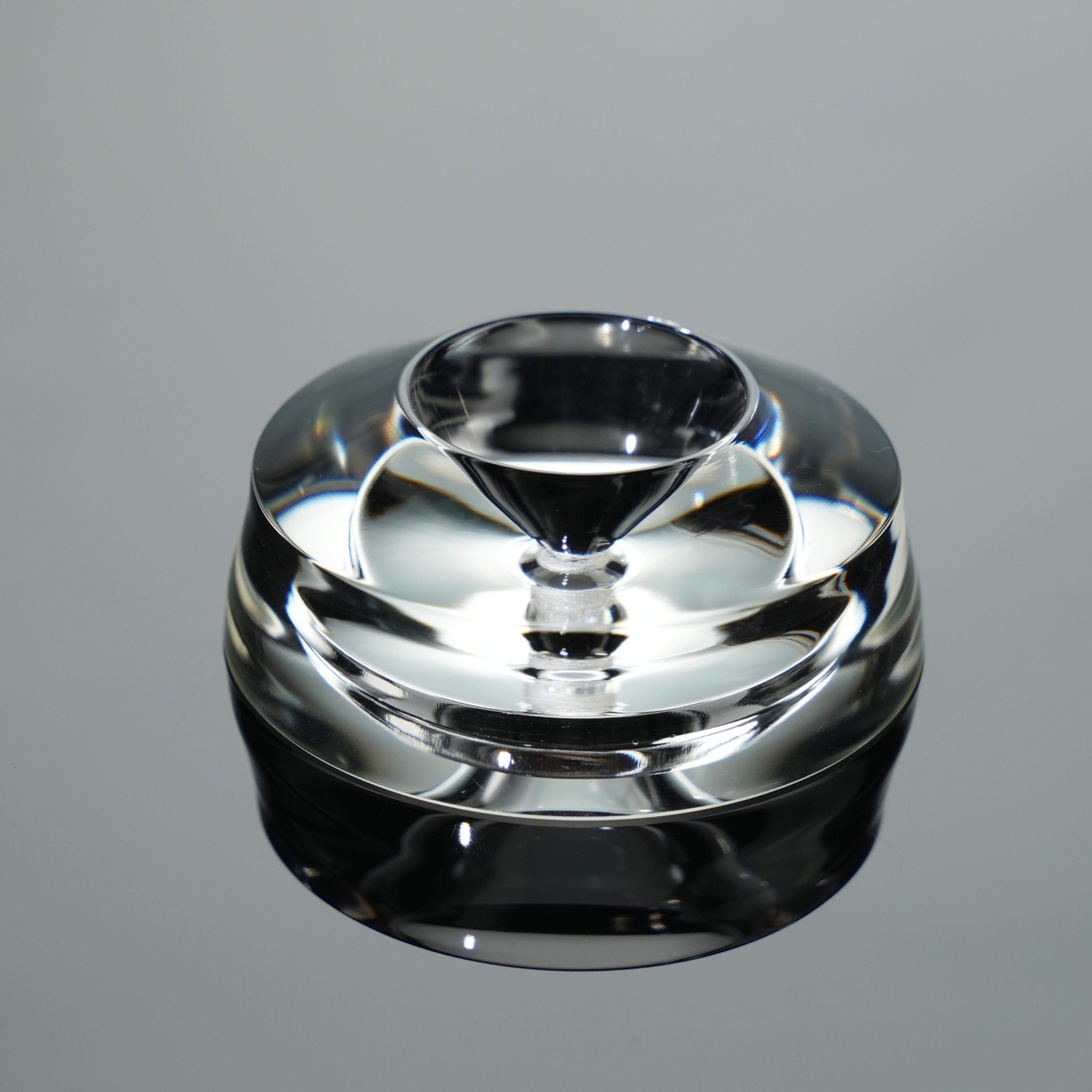
FAA Compliant Borosilicate Heat Resistant Glass Lens Runway In-Pavement Taxiway Lights IP68 Waterproof Optical Equipment Clear
Runway and taxiway light lenses for fixture makers working to FAA L-810-related design requirements and IP68 assemblies.
- Heat-resistant borosilicate lens material
- Colour, transmission and dimensional matching

Supplier Custom Size Shape Pressed Mold Heat Resistant High Borosilicate Headlight Glass Lens Cover Headlight Glass Cover
Pressed borosilicate covers for headlights and outdoor luminaires where heat resistance and repeatable optical surfaces are required.
- Pressed-mould production for repeat orders
- Prototype-to-volume OEM/ODM support
A Custom Glass Factory & Exporter Built Around Drawing Review and Repeat Production
Shanghai Tambi Glass Industrial Co., Ltd. supports lighting and optical OEMs with a manufacturer-plus-trading model, practical engineering review and documented export support.



CE Readiness for Custom Glass Is a Documentation and Application Question
For custom glass components, the phrase CE Certified Custom Glass Factory & Exporter should be read with engineering precision. CE marking applies to the finished product and the relevant directive or regulation, and for many luminaires or instruments the final declaration remains the responsibility of the fixture or device manufacturer. Tambi Glass supports that work by reviewing drawings, matching material and optical performance, and supplying material, dimensional and inspection information that helps buyers complete their own conformity and supplier-qualification files.
The company’s experience is practical rather than catalogue-driven. A borosilicate cover that performs well on a high-power LED fixture may be unsuitable for a different gasket, lamp temperature or impact rating. Our review therefore begins with operating temperature, thermal shock, impact risk, sealing method, optical path and the standard your finished product must meet. This is especially important for explosion-proof lighting, airport runway and obstruction lights, marine signal lights, stage lighting, LiDAR windows and outdoor architectural luminaires.
Our supply chain combines pressed, blown, ground and coated glass processes. The team works with borosilicate 3.3, tempered soda-lime glass, fused quartz, BK7/K9 optical glass and other specified grades. For international buyers, the commercial advantage is not simply a lower unit price; it is fewer field failures, clearer sample approval and a partner who can explain the trade-offs between thermal shock resistance, impact strength, transmission, coating durability and tooling cost.
- Drawing-based OEM / ODM production
- Borosilicate, tempered, quartz and BK7 options
- AR coating and optical finishing review
- Onsite-verified supplier records
- Fragile-glass export packing
- Trade capacity and transaction history available
Why Procurement Teams Use Tambi Glass for Custom Borosilicate and Optical Glass
These advantages matter most when a buyer needs a repeatable part, not a one-off sample. Each advantage maps to a real risk in sourcing glass: fit, thermal shock, coating loss, breakage, documentation or delivery delay.
DFM Review Before Tooling
We check wall thickness, draft, sealing faces, tolerance stack-up and optical path alignment before mould or sample work begins. This reduces late-stage redesign risk.
Material and Coating Fit
Borosilicate 3.3, tempered soda-lime, fused quartz and BK7 are selected against temperature, impact, transmission and coating requirements—not by habit.
Verification and Transparency
Supplier assessment, credit index, transaction level, trade capacity and trade history help procurement teams complete qualification with fewer unknowns.
Fast Technical Response
Our average response target is within six hours. Send a drawing, annual volume and operating condition for a focused technical and commercial review.
Export-Safe Packing
Foam or pulp dividers, reinforced cartons and palletization protect fragile glass covers and lenses during sea or air freight. Custom labels are available.
Manufacturer + Trading Support
The combined model supports custom production, sourcing coordination and export documentation for buyers who need one accountable contact from sample to shipment.
What Custom Glass Buyers Will Prioritise in the Next Sourcing Cycle
Price pressure remains real, but sophisticated buyers are shifting toward lower total risk: documented conformity, stable repeatability, faster samples and a supply chain that can survive tariffs, freight volatility and specification changes.
Certification-First Sourcing
Buyers increasingly ask for material declarations, coating data, dimensional reports and inspection records before approving a supplier. A glass partner must support the finished product’s CE conformity process with reliable component documentation.
Dual-Source Resilience
Lighting and optical OEMs are reducing single-source risk without doubling inventory. Existing moulds, documented process windows and stable material grades make it easier to qualify a second production path.
Total Landed Cost Focus
The lowest piece price can be expensive if breakage, rework or field returns rise. Procurement teams now compare tooling amortization, inspection cost, packaging, freight damage and warranty exposure.
Faster Sampling Cycles
Marketing launches move quickly. Buyers value suppliers who can review a drawing, propose a mould route and deliver evaluation samples without turning the qualification process into a long project.
Application-Specific Optics
Generic “clear glass” descriptions are being replaced by transmission targets, coating durability, colour stability and surface-quality criteria tied to the exact LED, laser, sensor or signal application.
Traceability by Batch
When a fixture is sold into regulated or high-maintenance environments, buyers want batch-linked inspection data, packing records and clear communication of any material or process change.
How Borosilicate and Optical Glass Components Are Evolving
The next generation of custom glass parts will be judged by system performance: thermal headroom, optical efficiency, colour consistency, sealing reliability and the ability to document all three.
Higher Thermal Loads
High-power LED, COB and stage fixtures push covers and lenses closer to thermal limits. Low-expansion borosilicate and controlled annealing remain critical for avoiding thermal-shock cracks.
Laser and UV-C Optics
Anti-reflective coatings, UV transmission and tighter surface quality are becoming more important in laser delivery, disinfection and analytical equipment. Coating adhesion and wavelength range must be specified early.
LiDAR and Sensing Domes
Autonomous systems and industrial sensors need hemispherical windows with broadband transmission, pressure resistance and stable optical geometry. Domed windows are moving from prototype to serial production.
Aviation and Marine Colour Stability
Signal-light glass must maintain chromaticity and transmission after heat exposure, cleaning and weather cycles. Buyers are moving toward tighter colour and batch traceability requirements.
Thinner, Stronger Profiles
Lightweight luminaires and compact sensors create demand for thinner glass that still survives impact and sealing pressure. The answer is not simply thicker glass; it is geometry, tempering and mounting design.
Sustainability and Packing Efficiency
Recyclable dividers, right-sized cartons and pallet optimization are becoming part of supplier scorecards. Durable packing must still protect fragile glass without excessive material waste.
Material Selection Data for Custom Glass Buyers
Use this table as an early-stage comparison. Final selection must be confirmed against lamp surface temperature, thermal cycling, impact rating, sealing pressure, colour target, coating and the standard your finished fixture must satisfy.
| Material | Thermal expansion (×10⁻⁶/K) | Typical max. working temperature | Key strength | Best-fit applications | Procurement note |
|---|---|---|---|---|---|
| Borosilicate 3.3 | ≈3.3 | ≈450 °C | Excellent thermal-shock resistance | Explosion-proof shades, high-power LED covers, Fresnel lenses | Specify wall thickness and annealing requirements for thick covers. |
| Tempered soda-lime | ≈9.0 | ≈250 °C | High impact strength and lower cost | Outdoor covers, floodlight glass, vandal-resistant lenses | Edge quality and tempering pattern must be agreed before volume production. |
| Fused quartz | ≈0.55 | ≈1000 °C+ | UV transmission and extreme heat resistance | UV optics, high-temperature windows, laser components | Budget and lead time are higher; confirm whether full quartz performance is necessary. |
| Optical BK7 / K9 | ≈7.1 | ≈300 °C | Homogeneous optical properties, nd ≈ 1.517 | Precision lenses, prisms, mirrors, filters | Define tolerance, surface quality and coating curve on the drawing. |
Information gain for buyers: a low expansion coefficient is not automatically the best commercial choice. Fused quartz may be technically superior for extreme heat or UV, but if your fixture operates below the thermal limit of borosilicate, the lower cost and easier forming of borosilicate may shorten lead time and reduce total landed cost. The engineering review should always compare the required performance envelope with the cost of over-specification.
A Controlled Six-Step OEM Glass Production Process
Clear checkpoints keep the project aligned from initial drawing review through sample approval, production and export packing.
Drawing Review
We check dimensions, tolerance, wall thickness, draft, sealing faces and optical requirements before quoting the tooling route.
Mould and Tooling
A new mould or existing tool is selected for pressing, blowing or grinding, depending on shape, volume and surface quality.
Sampling
Samples are measured and sent for fit, light, coating or fixture testing. Sample approval becomes the reference for serial production.
Forming and Annealing
Controlled forming, annealing or tempering relieves internal stress and supports thermal-shock and impact performance.
Coating and QC
AR or colour coating is applied where specified, followed by dimensional, visual and packing inspection according to the agreed plan.
Export Packing
Parts are separated by dividers, packed in reinforced cartons and palletized for sea or air freight, with custom labels on request.
Custom Glass Procurement Questions Answered
These are the questions technical buyers, fixture manufacturers and distributors ask most often when evaluating a custom glass factory and exporter.
Can you manufacture custom glass components to my own drawing?
What is the typical minimum order quantity for custom borosilicate or optical glass?
How do you support CE certification for custom glass components?
Should I choose borosilicate 3.3 or tempered soda-lime glass?
Do you supply glass for FAA L-810 and EN 50293-related lighting fixtures?
How fast do you respond, and how are fragile glass parts packed for export?
Have a Drawing? Get an Engineering Review Before You Commit to Tooling.
Share your dimensions, glass type, operating temperature, coating requirement and annual volume. Our team will review manufacturability, propose a practical sample route and help you compare thermal, optical and landed-cost trade-offs.
info@tambiglass.com