8 Optical Glass Products Recommended for Ball Lens, Lighting & Sensor Procurement
These eight product routes reflect the capabilities global buyers request most often: AR-coated optical glass, mold-pressed lenses, coated filters, explosion-proof covers, transmission domes, and IP-camera windows. Each item can be customized by dimension, tolerance, coating, edge finish, and packing method.
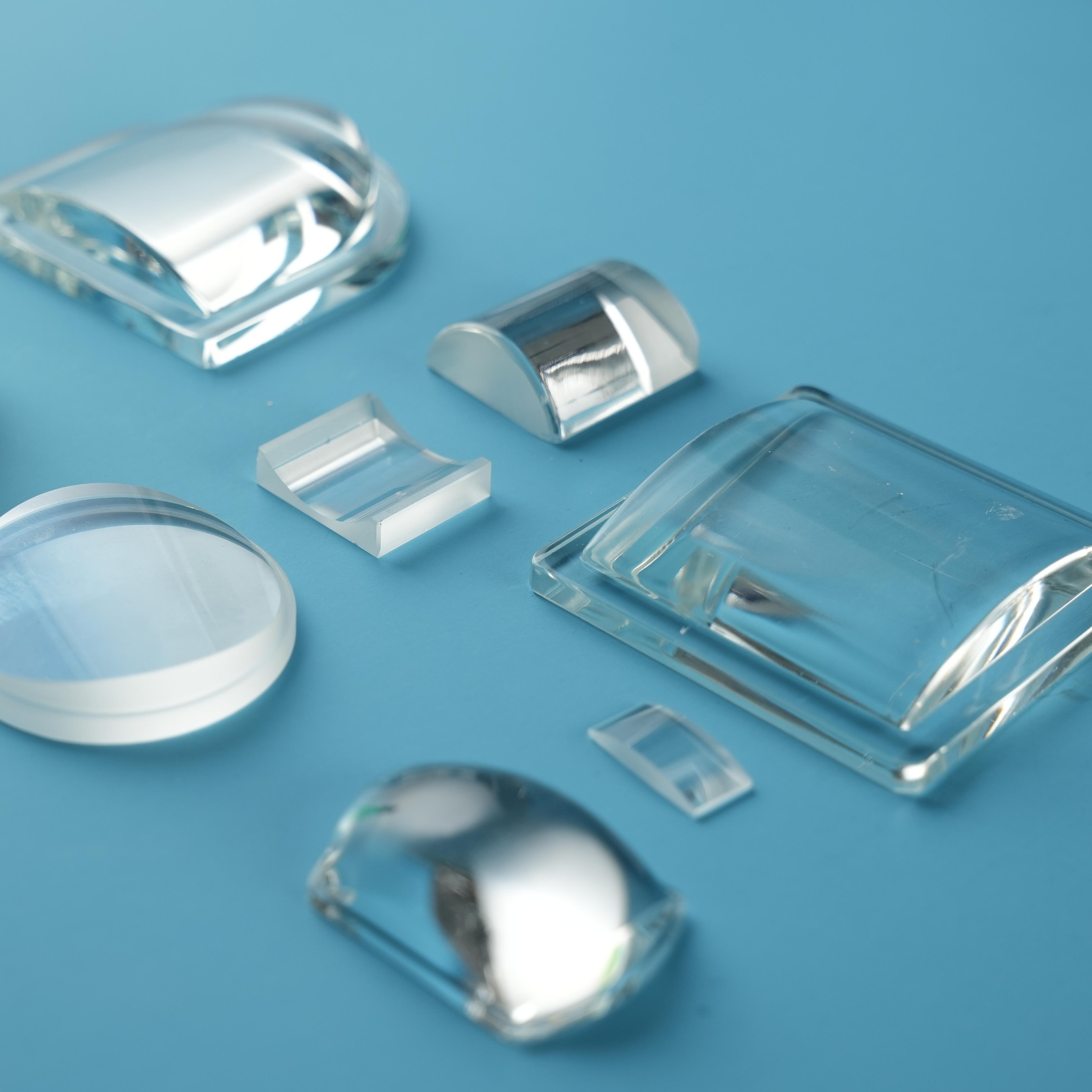
Manufacturer Custom OEM Anti-Reflective Laser Glass Optical Borosilicate UVC Plano Convex Cylindrical Biconvex Lens
AR-coated borosilicate optical glass for laser windows, collimation, and precision assemblies where transmission loss and surface quality are critical.
View product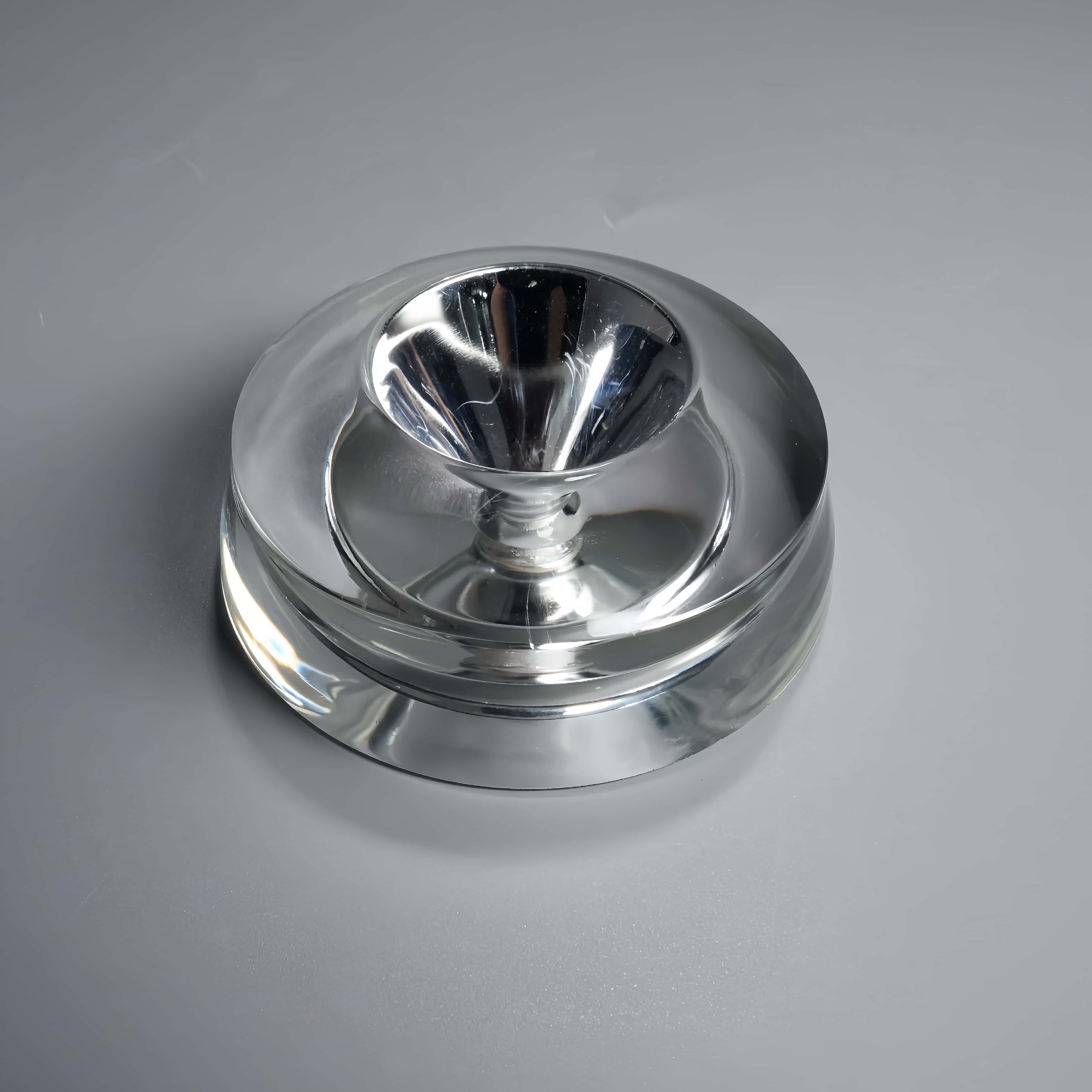
Factory China Custom Size Mold Pressed Borosilicate Bk7 K9 Eco-Friendly LED Optical Glass Lens for Taxiway Runway Airport Ground
Mold-pressed borosilicate and K9 optical glass for LED airport ground lighting, taxiway fixtures, and durable outdoor optical paths.
View product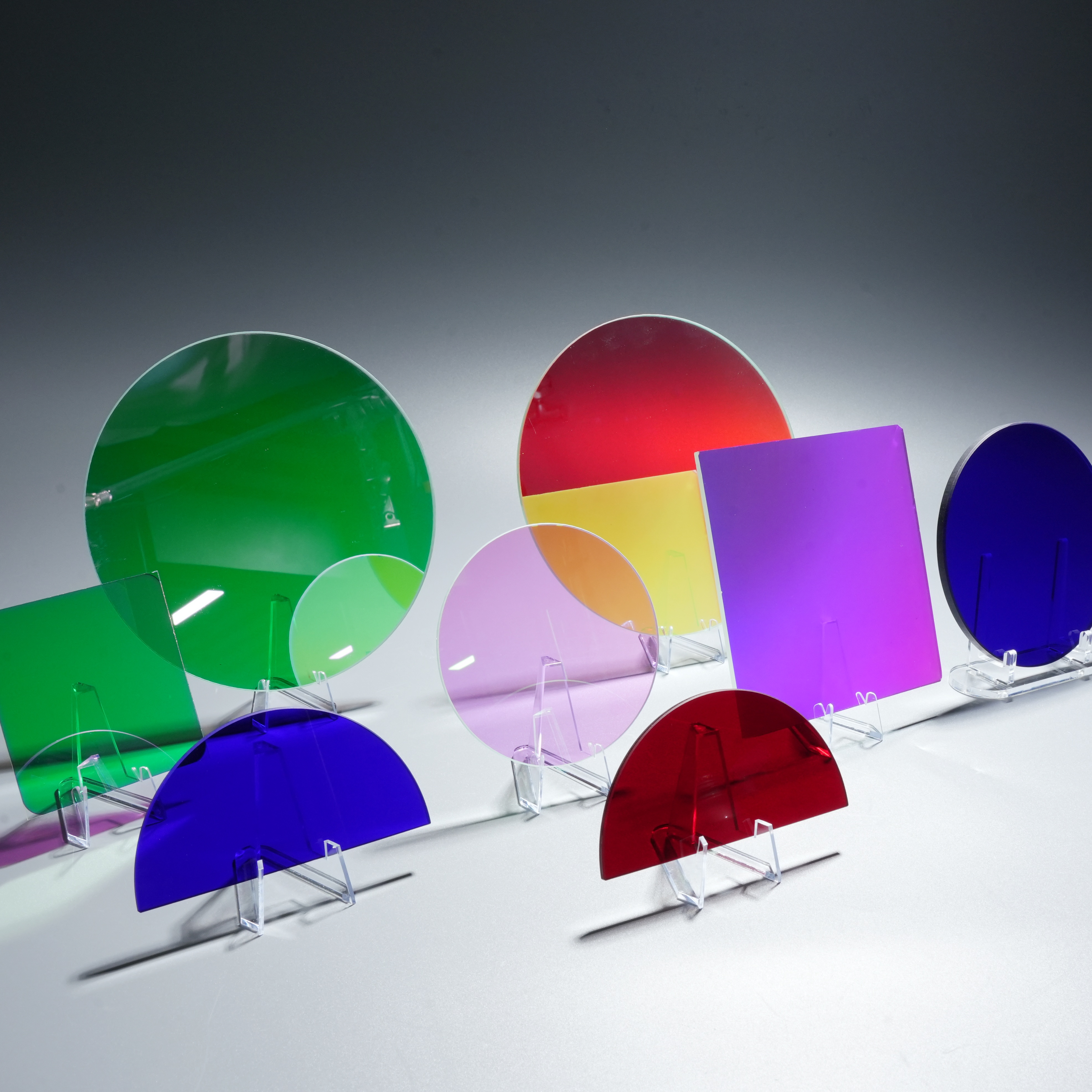
BO-GLASS BO-AH242 Manufacturer Customized High Precision 590Nm 49Mm Coated UV Borosilicate Bandpass Longpass Optical Filter
Coated borosilicate bandpass and longpass filter for spectroscopy, sensor modules, and optical instruments requiring stable wavelength control.
View product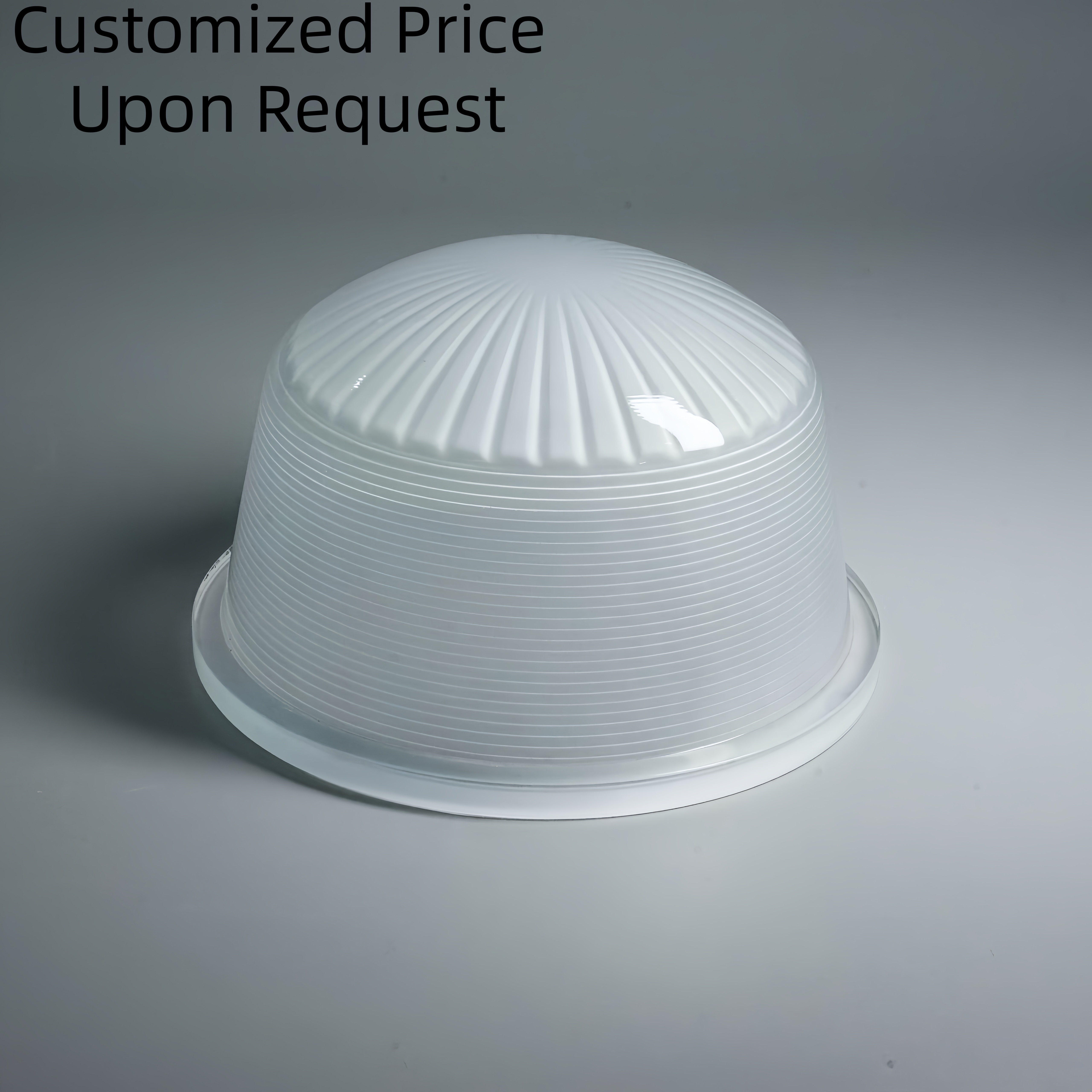
Transparent Explosion-proof Glass Shade, High Light Transmittance, Industrial Workshop Lighting
High-transmittance industrial glass shade for workshop lighting where heat, impact, and visual inspection access must be managed together.
View product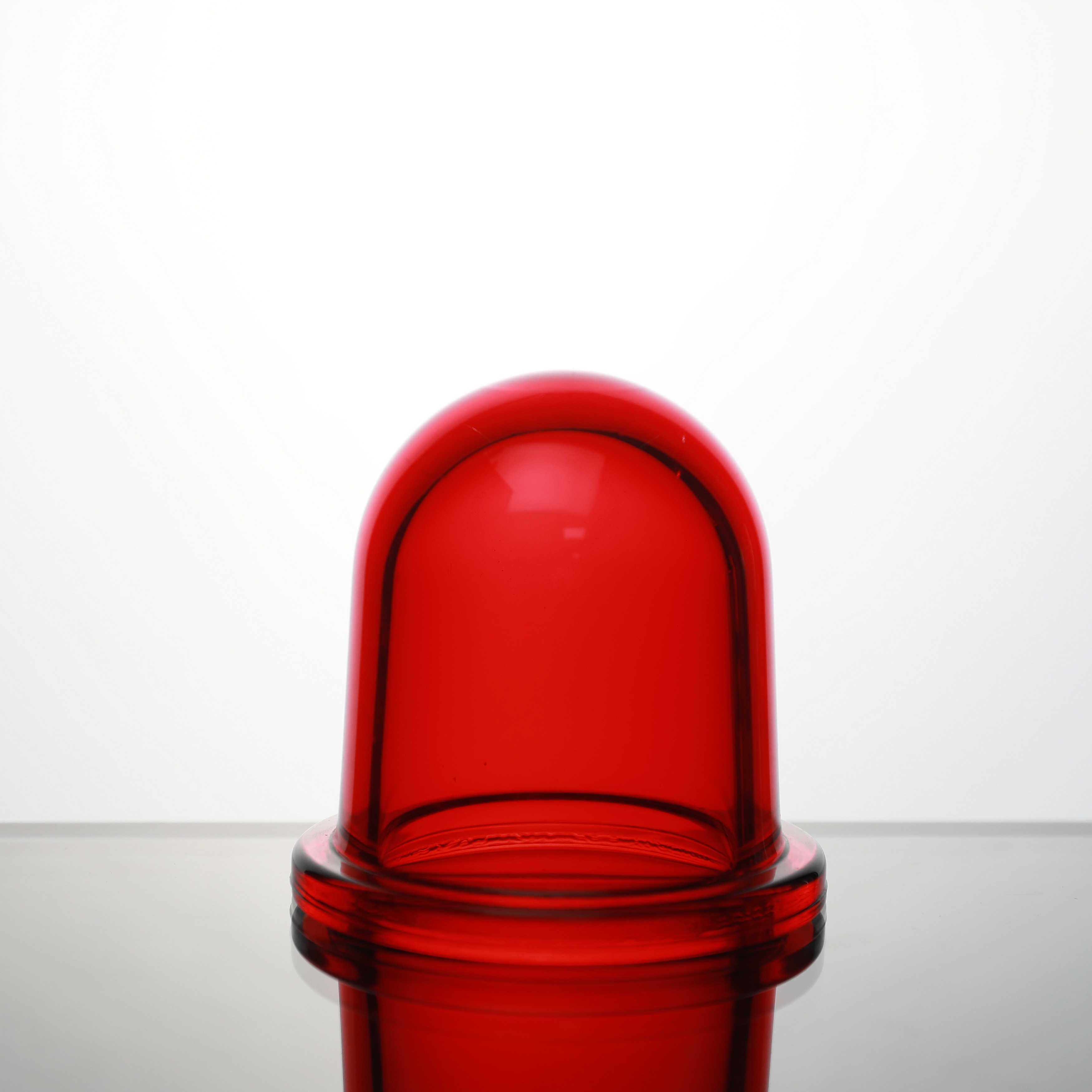
Custom Size Clear Borosilicate Explosion-Proof Antique Glass Light Covers Modern 2-Year Warranty Airport Outdoor Industrial
Clear borosilicate covers for airport, outdoor, and industrial fixtures that need thermal-shock resistance and a tailored sealing face.
View product
High-Light Transmission Clear Borosilicate Glass Dome Lens LED Outdoor Lighting Fixtures Impact Resistant Anti-Scratch OEM
Clear borosilicate dome lens for outdoor LED fixtures, combining impact resistance, anti-scratch finishing, and high light transmission.
View product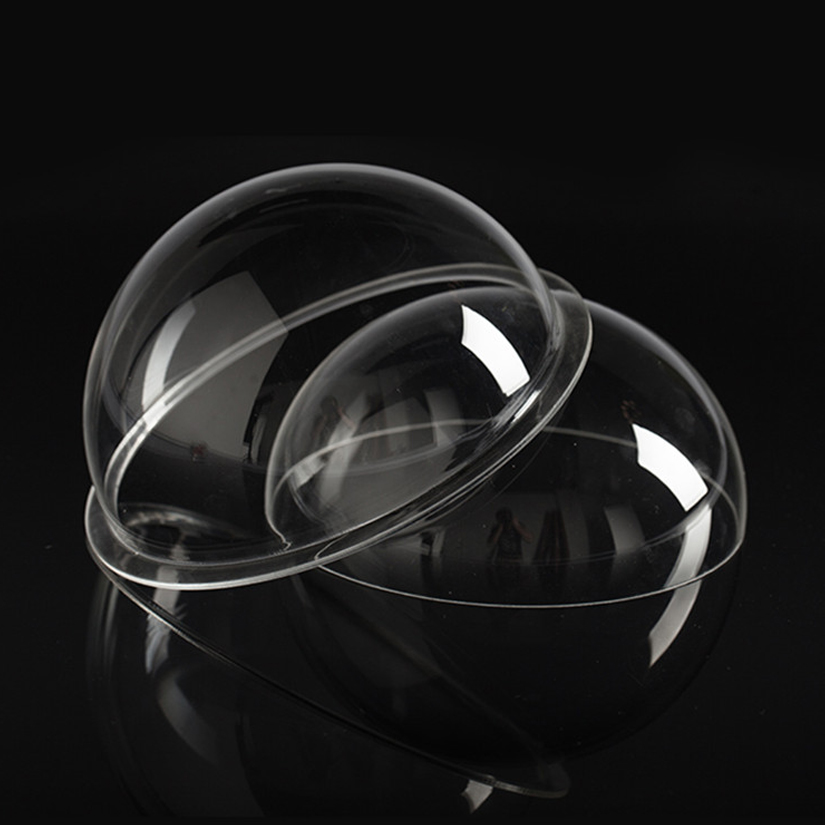
OEM Borosilicate Glass Optical Dome Cover for Outdoor IP Cameras UV Resistant Waterproof Housing Anti-Reflective Coating
UV-resistant borosilicate optical dome for outdoor IP cameras, with waterproof housing compatibility and optional anti-reflective coating.
View product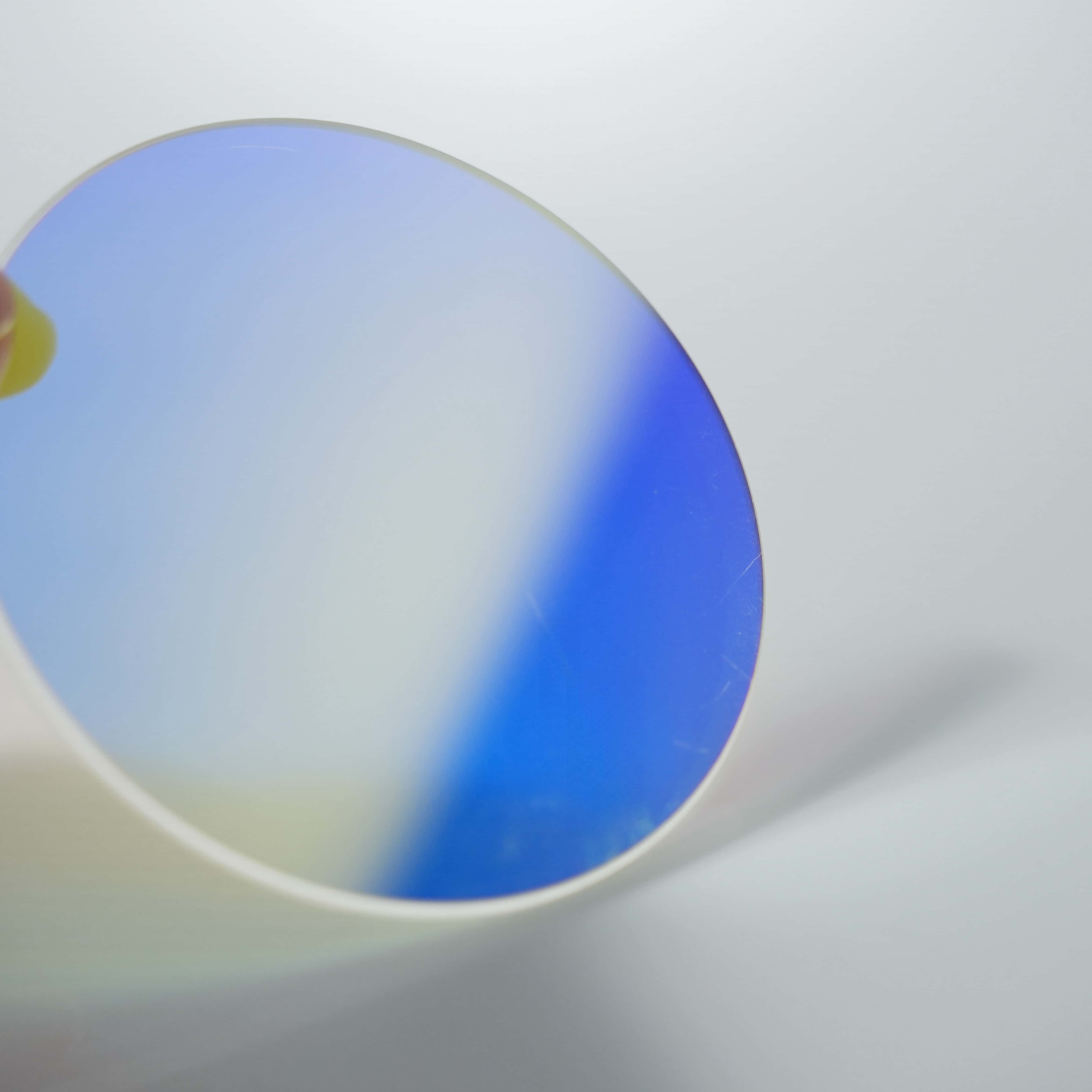
Optical Borosilicate Glass Longpass Shortpass Filter 500nm 600nm 700nm AR Coating Cut-Edge for Spectroscopy Industrial Sensor
AR-coated longpass and shortpass filters with cut-edge finishing for spectroscopy, industrial sensors, and optical detection systems.
View productWhat “CE Certified Ball Lens Factories & Exporters” Means in Practice
The phrase is often used too loosely. A reliable ball lens supplier is not simply a factory that mentions CE; it is an exporter that can supply the optical performance, documentation, traceability, and process control needed for the finished device to meet CE-related obligations.
Optical function first
Ball lenses are used for collimation, fiber coupling, laser diode coupling, endoscopy, barcode scanning, LiDAR, and compact sensor modules. Diameter, sphericity, index homogeneity, and coating quality directly influence coupling loss.
CE-ready evidence
CE marking generally applies to finished products under applicable directives. Component exporters should provide material declarations, RoHS/REACH statements, dimensional reports, coating data, and inspection records to support the OEM’s technical file.
Total qualified cost
The lowest piece price can be expensive if coating scrap, centration errors, or field returns rise. Procurement should compare quotation on the basis of qualified optical output, documentation speed, and repeatable batch consistency.
Export discipline
Optical parts require divider packaging, controlled cleanliness, moisture protection, and palletization. A strong exporter can align carton labeling, batch traceability, and custom packaging with distributor or OEM requirements.
Four Specification Locks That Decide Ball Lens Yield and Field Reliability
For buyers comparing ball lens factories and exporters, the technical review should move beyond “material: glass.” These four locks usually determine whether a sample succeeds in the final optical module.
Diameter & sphericity
Define diameter tolerance, roundness, and surface figure with the optical simulation team. A small sphericity deviation can shift focal length and increase insertion loss in fiber-coupled assemblies.
Index & homogeneity
Refractive index tolerance and glass homogeneity matter in imaging, sensing, and laser systems. Ask for material grade, index data, and batch traceability rather than a generic glass description.
Surface quality & coating
Scratch/dig, edge chips, coating adhesion, wavelength shift, and transmission curves should be agreed before production. AR coatings must match the wavelength band and environmental exposure.
Thermal & sealing fit
In lighting and outdoor sensor housings, thermal shock, gasket compression, and expansion mismatch can cause cracks. Material selection must be reviewed against lamp temperature and sealing design.
How Ball Lens and Optical Glass Buying Is Changing
Purchasing teams are shifting from transactional component buying toward qualified optical supply. The winners will be exporters that can combine engineering response, documentation, and batch consistency.
CE-ready documentation packages
Buyers increasingly ask for RoHS/REACH declarations, material reports, dimensional inspection records, and coating data before the first PO. Documentation velocity is becoming a competitive advantage.
Dual sourcing and regional resilience
Optical OEMs are qualifying backup suppliers earlier, especially for custom domes and lenses. The backup factory must match drawings, coating curves, and packing standards, not merely the material.
Qualified output over lowest piece price
Procurement scorecards now include first-pass yield, coupling loss, coating durability, and field return risk. A slightly higher unit price can lower total cost when scrap and rework are included.
Faster sampling and digital metrology
Buyers expect 3D drawing review, rapid first-article samples, and measurable reports. Suppliers with structured DFM feedback reduce the number of sample loops and shorten launch schedules.
Sustainability and material traceability
Glass is inherently durable, but buyers still examine energy use, packaging waste, and restricted substances. Traceable batch records help distributors satisfy customer audits and regulatory requests.
Coating and sub-assembly integration
Instead of buying loose optics only, more OEMs request coated lenses, mounted domes, and inspected sub-assemblies. This reduces handling risk and simplifies incoming inspection.
Where Ball Lens and Optical Glass Technology Is Moving Next
The next generation of photonics products will demand smaller optics, tighter tolerances, broader wavelength coverage, and better environmental durability. Designers should involve the glass supplier earlier in the optical stack.
High-index and molded ball lenses
Higher-index glass can shorten optical paths and reduce module size. Molded routes may improve repeatability for high-volume sensor lenses, but coating and metrology capability remain critical.
Miniaturization for sensors and endoscopy
Compact imaging modules need small ball lenses with controlled edge quality and reliable cleaning. Suppliers must handle tiny parts without surface damage during inspection and packing.
LiDAR, machine vision, and robotics
Autonomous systems require stable optical windows and domes that resist weather, vibration, and contamination. Borosilicate and coated glass remain strong candidates for harsh environments.
AR and AR-hard coatings
Anti-reflective coatings improve transmission, but durability matters. Buyers should specify adhesion, abrasion, humidity, and thermal cycling tests based on the actual installation environment.
Borosilicate for harsh lighting and outdoor fixtures
Borosilicate 3.3 offers low thermal expansion and strong thermal-shock resistance, making it valuable for high-power LED covers, explosion-proof shades, and outdoor signal glass.
Integrated optical modules
OEMs increasingly prefer a supplier who can deliver the glass part with coating, inspection, and packaging completed under one supply chain, reducing coordination risk across vendors.
Why Global Buyers Evaluate Tambi Glass as an Optical Glass Export Partner
Shanghai Tambi Glass Industrial Co., Ltd. is a manufacturer and trading company focused on custom borosilicate glass covers, explosion-proof lampshades, signal light domes, LED lenses, prisms, and optical filters for lighting and optical OEMs. With more than a decade of experience, the team has built its process around one practical question: how should glass perform inside a real luminaire, sensor, or instrument?
The company combines pressed, blown, ground, and coated processes under one supply chain. Senior lighting and molding engineers review drawings for wall thickness, draft, sealing faces, tolerance stack-up, and optical path alignment before tooling begins. Long-term partners in Europe, North America, and Japan rely on this drawing-based OEM/ODM approach for repeatable production.
- Drawing-based OEM / ODM
- Borosilicate, tempered, quartz, BK7
- AR & optical coatings
- Onsite-verified supplier
- 6-hour average response target
- Export packing for fragile glass
Transparency is part of the advantage. Buyers can review Supplier Assessment, Credit Index, Transaction Level, Trade Capacity, Trade History, and Ratings & Reviews before sampling. The factory welcomes video calls and third-party audits, and the production workflow is documented from drawing review to final export packing.



From Drawing to Delivery: A Controlled 6-Step OEM Route
Clear checkpoints reduce surprises between sample approval and mass production. Each stage produces information the buyer can review before moving forward.
Drawing review
DFM check of thickness, draft, tolerance, optical axis, sealing face, and coating requirements.
Mold & tooling
New or existing molds selected for pressing, blowing, grinding, or combined processing.
Sampling
Samples measured and sent for fit, light distribution, transmission, or sensor-module testing.
Forming & annealing
Controlled annealing or tempering relieves stress and improves thermal-shock performance.
Coating & QC
AR or color coating, dimensional inspection, visual inspection, and agreed report generation.
Export packing
Divider-packed cartons, reinforced export packing, labeling, and palletization for sea or air freight.
Material and Specification Matrix for Ball Lenses and Optical Glass
Choosing the correct glass early avoids cracked covers, coating failures, and costly field returns. The final specification should always be confirmed against your drawing, lamp surface temperature, impact rating, and fixture certification target.
| Material | Thermal expansion (×10⁻⁶/K) | Typical max. working temperature | Key strength | Best fit |
|---|---|---|---|---|
| Borosilicate 3.3 | ≈3.3 | ≈450°C | Excellent thermal-shock resistance | Explosion-proof shades, high-power LED covers, Fresnel lenses, outdoor domes |
| Tempered soda-lime | ≈9.0 | ≈250°C | High impact strength and economical cost | Outdoor covers, floodlight glass, vandal-resistant lenses |
| Fused quartz | ≈0.55 | ≈1000°C+ | UV transmission and extreme heat resistance | UV optics, high-temperature windows, special sensor filters |
| Optical BK7 (H-K9L) | ≈7.1 | ≈300°C | Homogeneous optical grade, nd ≈1.517 | Precision lenses, prisms, mirrors, filters, imaging modules |
For ball lens projects, also specify diameter tolerance, sphericity, surface quality, coating band, environmental tests, and packing cleanliness. For lighting projects, specify sealing-face flatness, thermal shock, impact class, and color/transmission targets.
CE File and Supplier Verification Checklist for Optical Glass Buyers
Use this checklist during supplier qualification. It helps separate a genuine export partner from a trader that cannot support engineering or traceability.
Material declarations
Request RoHS/REACH statements, glass grade, refractive index data where relevant, and batch traceability information.
Dimensional inspection
Confirm diameter, sphericity, thickness, edge quality, and sealing-face flatness with a first-article inspection report.
Coating durability
Agree adhesion, abrasion, humidity, and thermal cycling tests for AR or optical coatings before mass production.
Thermal and impact validation
Review the glass selection against lamp temperature, sudden rain or cold-water contact, impact load, and gasket pressure.
Traceability and batch control
Check how material batch, production date, inspection result, and packing label are linked for future quality investigation.
Export packing validation
Ask for divider layout, carton strength, moisture protection, pallet configuration, and distributor labeling options.
Ball Lens and Optical Glass Buying Questions
These are the questions procurement teams typically ask before sending a drawing, sample, or annual volume forecast.
What does “CE certified ball lens factory” actually mean?
CE marking is generally applied to finished products under applicable EU directives, not to a loose optical component by itself. A responsible ball lens exporter provides documentation such as material declarations, RoHS/REACH statements, dimensional reports, coating data, and traceability records so the finished-device manufacturer can complete its CE technical file. Buyers should be cautious if a supplier claims that a bare ball lens is independently “CE certified” without explaining the applicable product directive.
Can you manufacture ball lenses and optical glass parts to my drawing?
Yes. Most projects are drawing-based. Send a 2D/3D drawing or a physical sample with dimensions, tolerance, material, coating, surface quality, operating temperature, and annual volume. The engineering team reviews manufacturability, proposes the process route, and confirms samples before mass production.
What is the typical minimum order quantity?
Typical MOQs range from about 50 pieces for optical lenses to 100–500 pieces for pressed or blown lighting covers, depending on whether an existing mold can be used. Sample quantities are available for evaluation. For new tooling, the MOQ is confirmed after drawing review.
Should I choose borosilicate glass or tempered soda-lime glass?
Borosilicate 3.3 has a low thermal expansion of about 3.3 × 10⁻⁶/K, so it tolerates high lamp temperatures and sudden rain or cold-water contact better. Tempered soda-lime glass offers high impact strength at lower cost for moderate temperatures. The right choice depends on surface temperature, impact rating, sealing design, and the certification target of your fixture.
Do you supply glass for FAA L-810 and EN 50293 lighting fixtures?
We produce glass lenses and domes for fixture makers whose obstruction and signal lights are designed to FAA L-810 or EN 50293 requirements. Fixture certification is held by the luminaire manufacturer; we match color, transmission, and dimensional specifications and can provide material and inspection reports on request.
How are fragile optical glass parts packed for export?
Parts are separated by foam or pulp dividers, packed in reinforced export cartons, and palletized for sea or air freight. Custom packaging, labeling, and distributor-specific packing can be arranged. For ball lenses and small optics, cleanliness, anti-scratch separation, and moisture protection are reviewed before shipment.
Have a Ball Lens or Optical Glass Drawing?
Send your dimensions, material, coating, operating temperature, and annual volume. The engineering team will return a manufacturability review and quotation route, with an average technical response target within 6 hours.